
Living in a tiny home tips aren’t just about saving space—they’re about reshaping how you live, think, and prioritize. While the idea looks simple and freeing on social media, real tiny house living comes with daily adjustments, smart planning, and a few hard-earned lessons.
This guide breaks down what actually works in the real world—from mindset shifts to practical storage strategies—so you can enjoy the benefits of tiny living without feeling cramped, stressed, or unprepared.
In This Article
What Living in a Tiny Home Really Feels Like (Beyond the Instagram Dream)
Tiny homes are often portrayed as minimalist perfection—clean spaces, cozy corners, and a clutter-free lifestyle. Reality feels a bit different, especially in the first few months.
Space becomes something you constantly think about. Every item has a place, and every decision—what to buy, keep, or throw away—matters more than in a traditional home.
The Reality vs. Expectation Gap
Many new tiny homeowners expect instant simplicity. What they get instead is a transition period.
- Expectation: Less stuff = less stress
- Reality: Less space = more intentional decisions
Daily tasks like cooking, cleaning, and even moving around require planning. A cluttered countertop isn’t just messy—it can block your entire workspace.
Daily Routines in a Small Footprint
Living tiny means routines become streamlined whether you like it or not.
- You clean more often, but it takes less time
- You cook simpler meals due to limited prep space
- You develop habits quickly because there’s no room for chaos
Consistency becomes your biggest ally. Small habits keep your space functional.
Who Thrives in Tiny Living—and Who Struggles
Tiny house living isn’t for everyone, and that’s okay.
People who thrive usually:
- Value experiences over possessions
- Enjoy organization and minimalism
- Adapt easily to change
Those who struggle often:
- Need lots of personal space
- Have difficulty letting go of belongings
- Prefer separation between living areas
Honest self-awareness is more important than enthusiasm.
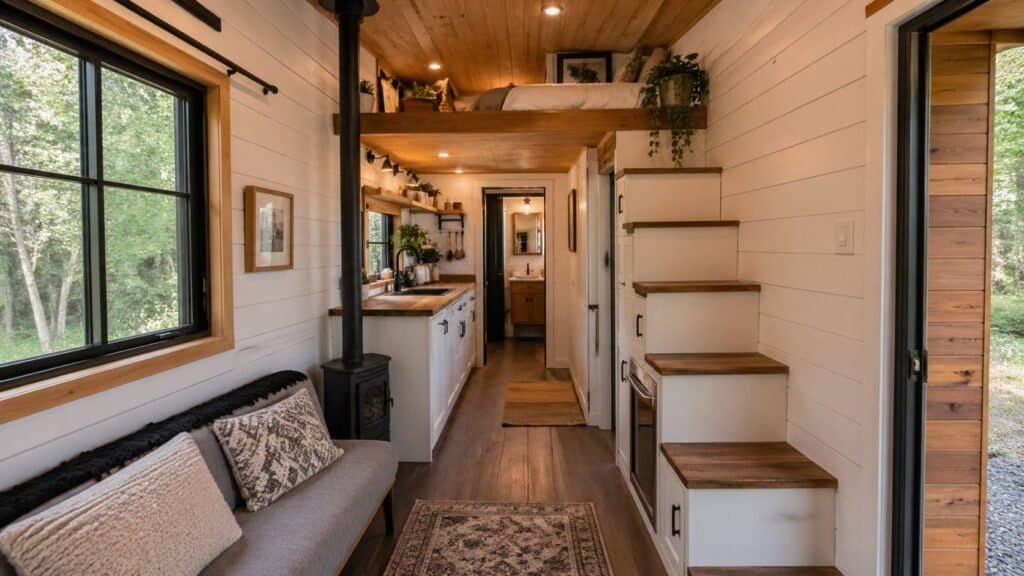
Essential Living in a Tiny Home Tips for Beginners
Starting strong makes all the difference. These foundational living in a tiny home tips can prevent frustration and costly mistakes later.
Start With a “Needs vs. Wants” Mindset
Every square foot counts, so every item should earn its place.
Ask yourself:
- Do I use this daily or weekly?
- Does it serve more than one purpose?
- Can I replace it with something smaller or more efficient?
If it doesn’t serve a clear function, it becomes a burden.
Prioritize Function Over Aesthetics
Beautiful tiny homes are inspiring, but practicality keeps you sane.
- Open shelves look great—but collect dust quickly
- Large sinks are useful—but take up valuable counter space
- Loft bedrooms save space—but may not suit everyone
Balance design with usability. A slightly less “Pinterest-perfect” home often works better long-term.
Build Habits That Support Small-Space Living
Tiny homes reward consistency.
- Make your bed daily to reclaim space
- Wash dishes immediately—there’s no room to stack them
- Put things back right after use
Tiny clutter becomes big chaos fast, so daily discipline matters.
Why Flexibility Matters More Than Perfection
No setup is perfect from day one.
You’ll likely:
- Rearrange furniture multiple times
- Upgrade storage solutions
- Change how you use certain areas
Treat your tiny home as an evolving system, not a finished product.
How to Maximize Every Inch: Smart Space-Saving Strategies
Maximizing space isn’t just helpful—it’s essential. The best living in a tiny home tips revolve around making your home work harder without feeling cramped.
Use Vertical Space Like a Pro
Walls are your best friend in a tiny home.
- Install shelves up to the ceiling
- Use wall-mounted hooks for daily items
- Hang bikes, tools, or kitchenware
Unused vertical space is wasted opportunity.
Invest in Multi-Functional Furniture
Every piece should serve at least two purposes.
- Sofa beds for seating and sleeping
- Fold-out tables for dining and work
- Storage benches for seating and organization
This approach reduces clutter while increasing usability.
Hidden Storage Hacks That Actually Work
The most effective storage solutions are often invisible.
- Under-stair compartments
- Floor storage panels
- Built-in cabinets under seating
These solutions keep your space clean without sacrificing accessibility.
Decluttering Systems That Stick Long-Term
Decluttering isn’t a one-time event—it’s ongoing.
Try this simple system:
- One in, one out rule
- Monthly quick declutter sessions
- Seasonal deep resets
The goal isn’t to own less—it’s to own intentionally.
Smart storage design plays a huge role here, especially when paired with well-planned layouts and built-in features often found in modern tiny house designs.
Daily Life Hacks: Living in a Tiny Home Without Feeling Cramped
Even the best-designed tiny home can feel tight without the right daily habits. These living in a tiny home tips focus on making your space feel open, functional, and comfortable every single day.
Create Simple Routines That Keep Your Space Clear
Small spaces amplify mess quickly. A few consistent habits prevent that “boxed in” feeling.
- Make your bed immediately—it frees up visual and physical space
- Wipe down surfaces after each use
- Do a 5-minute reset every evening
A tidy tiny home feels twice as large.
Design “Zones” Inside One Open Space
Even without walls, you can create separation.
- Use rugs to define living vs. sleeping areas
- Position furniture to create natural boundaries
- Use lighting (warm vs. bright) to distinguish zones
This subtle zoning makes your home feel structured instead of chaotic.
Manage Shared Living Without Friction
Sharing a tiny home with a partner or family requires intentional coordination.
- Assign personal storage areas
- Establish quiet time or solo routines
- Communicate openly about space usage
In small spaces, communication replaces physical distance.
Use Visual Tricks to Make Your Home Feel Bigger
Perception matters more than square footage.
- Stick to light, neutral color palettes
- Keep window areas unobstructed
- Use mirrors to reflect light and depth
These small adjustments can dramatically change how your space feels.
Utilities and Off-Grid Living Tips (If You’re Going Independent)
Many tiny homeowners choose partial or full off-grid setups. While it offers freedom, it also demands awareness and discipline.
Water Management: Every Drop Counts
Tiny homes often rely on limited water storage.
- Install low-flow faucets and showerheads
- Track daily usage to avoid running out
- Collect rainwater where legal and practical
Running out of water isn’t inconvenient—it’s disruptive.
Power Solutions: Solar vs. Grid Connection
Choosing the right power system depends on your lifestyle.
| Option | Pros | Cons |
| Solar Power | Energy independence, eco-friendly | High upfront cost, weather dependent |
| Grid Hookup | Reliable, consistent power | Monthly bills, less freedom |
Many tiny homeowners use a hybrid setup for reliability.
Waste Management Made Simple
Tiny living often means alternative systems.
- Composting toilets reduce water use
- Greywater systems can reuse sink/shower water
- Regular maintenance prevents odors and issues
Ignoring waste systems leads to fast, unpleasant problems.
Think Ahead Before Going Fully Off-Grid
Off-grid living sounds appealing, but it’s not always easy.
Consider:
- Your climate and weather patterns
- Daily energy needs (appliances, devices)
- Backup systems for emergencies
Planning ahead makes the difference between freedom and frustration.
Budgeting for Tiny Living: Costs You Didn’t Expect
Tiny homes are often marketed as a cheaper lifestyle, but the reality is more nuanced. These living in a tiny home tips will help you avoid financial surprises.
Monthly Expenses Breakdown
Tiny living can reduce costs—but not eliminate them.
| Expense Category | Estimated Monthly Cost |
| Parking/Rent | $200 – $800+ |
| Utilities | $50 – $200 |
| Maintenance | $50 – $150 |
| Insurance | $30 – $100 |
Costs vary heavily based on location and setup.
Hidden Costs Most Owners Overlook
Some expenses catch new owners off guard:
- Land preparation or parking fees
- Utility hookups and installation
- Repairs due to wear in compact systems
- Travel costs if your home is mobile
Small homes don’t always mean small expenses.
Can Tiny Living Actually Save You Money?
It depends on your approach.
You’re more likely to save if you:
- Build or buy within your budget
- Avoid frequent upgrades or redesigns
- Choose affordable, stable parking
You may spend more if you:
- Constantly upgrade features
- Move frequently
- Underestimate setup costs
Smart Budgeting Tips for Long-Term Sustainability
- Set aside a maintenance fund from the start
- Track every expense for the first 6 months
- Avoid impulse purchases—space and budget are limited
A well-planned budget turns tiny living into a long-term financial advantage instead of a short-term experiment.
Legal and Zoning Tips for Living in a Tiny Home
One of the most overlooked parts of tiny living is legality. You can have the perfect setup, but without the right location and permits, daily life becomes stressful fast.
Where You Can Legally Park and Live
Tiny homes don’t fit neatly into traditional housing categories, which creates gray areas.
Common legal options include:
- RV parks (for tiny homes on wheels)
- Private land with proper permits
- Backyard ADUs (Accessory Dwelling Units)
Each option comes with different rules, so always verify before committing.
Understanding Tiny Home Classifications
Your tiny home’s classification affects where you can live.
- RV (Recreational Vehicle): Easier to move and park, but often restricted to temporary living
- ADU: More permanent, but must meet building codes
- Primary residence: Allowed only in certain zones
Regulations vary widely by location. Checking official guidelines is essential—start with resources like the International Code Council’s tiny house provisions: https://www.iccsafe.org
Common Zoning Challenges (and How to Handle Them)
Many areas still don’t fully recognize tiny homes.
You might face:
- Minimum square footage requirements
- Restrictions on full-time occupancy
- Utility hookup regulations
Smart workaround: look for tiny-house-friendly communities or rural areas with flexible zoning.
Pro Tip: Always Confirm Before You Build or Move
- Talk to local zoning offices directly
- Get written confirmation when possible
- Research recent policy changes
Legal clarity upfront saves time, money, and major headaches later.
Maintaining Comfort: Climate Control in a Small Space
Tiny homes heat up and cool down quickly, which can be both an advantage and a challenge. Comfort depends on smart design and daily habits.
Heating and Cooling Efficiently
Small spaces don’t need large systems—but they need the right ones.
- Mini-split systems offer efficient heating and cooling
- Space heaters work well in colder climates
- Portable fans and window ventilation help in warmer areas
Oversized systems waste energy—precision matters more than power.
Insulation Makes or Breaks Your Comfort
Good insulation is one of the best investments you can make.
- Spray foam offers excellent sealing
- Rigid foam boards provide strong thermal resistance
- Natural options like sheep’s wool improve airflow
Poor insulation leads to temperature swings and higher energy costs.
Managing Humidity and Airflow
Tiny homes trap moisture more easily due to limited space.
- Use a dehumidifier in humid climates
- Install roof vents or exhaust fans
- Open windows regularly for airflow
Moisture control isn’t optional—it protects both your health and your home.
Preventing Mold and Condensation Issues
Condensation builds up quickly in small spaces, especially during cooking or showering.
- Wipe down windows and walls when needed
- Avoid drying clothes indoors without ventilation
- Monitor moisture levels consistently
A little prevention goes a long way in avoiding costly repairs.
Relationships and Privacy: The Hidden Challenge of Tiny Living
Tiny homes bring people closer—sometimes too close. Whether you live solo or with others, managing personal space becomes a daily priority.
Living With a Partner in a Tiny Home
Sharing a small space requires intentional habits.
- Respect each other’s routines
- Keep shared areas organized
- Divide responsibilities clearly
Small irritations grow faster in tight spaces—address them early.
Creating Personal Space (Even When There Isn’t Much)
Privacy doesn’t disappear—you just have to create it differently.
- Use headphones or quiet time for mental space
- Designate specific areas for personal use
- Take advantage of outdoor space when possible
Even short breaks from the shared environment can reset your mindset.
Communication Strategies That Actually Work
Strong communication is essential in tiny living.
- Be direct about needs and boundaries
- Schedule regular check-ins
- Stay flexible as routines evolve
Clear communication replaces the physical separation found in larger homes.
Solo Living vs. Shared Tiny Homes
Each setup has its pros and challenges.
| Living Style | Pros | Challenges |
| Solo Living | Full control, quiet, flexible | Limited social interaction |
| Shared Living | Companionship, shared costs | Less privacy, more coordination |
Choosing the right setup depends on your personality and lifestyle.
Common Mistakes to Avoid When Living in a Tiny Home
Tiny living becomes much easier when you avoid the pitfalls most people only discover after moving in.
Overfilling Your Space Too Quickly
It’s tempting to bring everything you own into your new home—but that’s a fast track to frustration.
- Start with essentials only
- Add items gradually as needed
- Reevaluate what you actually use
Less truly is more in a tiny home.
Ignoring Storage Planning During Setup
Storage isn’t something you “figure out later.”
- Lack of storage leads to constant clutter
- Poorly placed storage creates daily inconvenience
- Retrofitting solutions later often costs more
Plan storage as part of your initial layout, not an afterthought.
Underestimating Legal Restrictions
Skipping research on zoning and parking rules can derail your plans.
- Some areas restrict full-time living
- Others limit where you can park
- Utility hookups may require permits
Always confirm legality before committing to a location.
Choosing the Wrong Location
Your environment impacts your experience as much as your home itself.
- Limited access to water or power can complicate daily life
- Remote locations may increase costs and isolation
- Poor climate choices can affect comfort year-round
A great tiny home in the wrong location quickly becomes a burden.
Is Tiny Living Right for You? A Realistic Self-Check
Tiny living works best when it aligns with your lifestyle—not just your inspiration board.
Key Questions to Ask Yourself
- Can you comfortably live with fewer belongings?
- Are you okay with limited personal space?
- Do you value flexibility over stability?
Honest answers here prevent regret later.
Lifestyle Compatibility Checklist
You’re more likely to succeed if you:
- Enjoy simple, organized environments
- Adapt easily to change
- Appreciate experiences over material items
You may struggle if you:
- Need separation between spaces (work, sleep, relax)
- Prefer collecting or keeping many items
- Dislike routine or structure
When Tiny Living Might Not Be the Best Fit
Tiny homes aren’t ideal for everyone.
- Large families may feel constrained
- Remote workers needing multiple setups may struggle
- People who value privacy highly may feel limited
Choosing not to go tiny can be just as smart as choosing to do it.
Advanced Living in a Tiny Home Tips (For Long-Term Success)
Once you’ve adjusted, long-term success comes from refining how you live—not just where you live.
Seasonal Adjustments and Lifestyle Shifts
Tiny homes respond quickly to seasonal changes.
- Rotate clothing and gear based on the season
- Adjust heating and cooling strategies
- Prepare for weather-related challenges early
Staying proactive keeps your home comfortable year-round.
Upgrading Your Setup Over Time
Your needs will evolve—and your home should too.
- Improve storage systems as you learn what works
- Upgrade appliances for efficiency
- Add small features that improve daily comfort
Tiny living is an ongoing process, not a one-time setup.
Preventing Clutter Creep
Even minimalists accumulate over time.
- Do regular decluttering check-ins
- Reassess items every few months
- Stay mindful of new purchases
Consistency keeps your space functional.
Adapting Your Space as Life Changes
Life events—new jobs, hobbies, or relationships—affect how you use your home.
- Rearrange layouts as needed
- Repurpose areas for new uses
- Stay flexible with your setup
Adaptability is the key to long-term comfort.
FAQ: Living in a Tiny Home Tips People Always Ask
Is living in a tiny home cheaper long-term?
It can be, especially if you avoid debt, minimize upgrades, and secure affordable parking. Costs vary depending on location and lifestyle.
How do you handle guests in a tiny house?
Most people use convertible furniture, outdoor spaces, or limit overnight stays. Planning ahead makes hosting manageable.
What’s the hardest part of tiny living?
Adjusting to limited space and maintaining organization daily. It becomes easier with consistent habits.
Can you live in a tiny home full-time legally?
Yes, but only in certain areas. Always check local zoning laws and building codes before committing.
How do you stay organized in such a small space?
By using smart storage, maintaining daily routines, and regularly decluttering. Organization becomes part of your lifestyle.
Living tiny isn’t just about downsizing—it’s about designing a life that fits your priorities. When done right, it offers freedom, simplicity, and a deeper connection to what truly matters.
If you’re serious about making the switch, start by evaluating your lifestyle, exploring legal options in your area, and planning a setup that supports how you actually live—not just how it looks.
