
Finding tiny home lots Florida is one of the biggest challenges for anyone dreaming of a simpler, more affordable lifestyle in the Sunshine State. The good news? Florida is quickly becoming one of the most accessible places in the U.S. to live tiny—if you know where to look and how to navigate the rules.
This guide breaks down exactly what you need to know—from where tiny homes are actually allowed, to how different types of lots work, and what to expect before you buy or rent. If you’re serious about going tiny in Florida, this will help you avoid costly mistakes and move forward with confidence.
In This Article
Why Florida Is a Hotspot for Tiny Home Living
Florida isn’t just about beaches and retirement communities anymore. Over the last few years, it’s become a major hub for tiny home living—and there are a few clear reasons why.
First, the climate makes a huge difference. With warm weather year-round, tiny homes don’t need the same level of insulation or heating systems required in colder states. That means lower build costs and simpler designs, especially for off-grid setups.
Another factor is affordability. Traditional housing prices have surged across Florida, pushing many people to look for alternatives. Tiny homes offer a realistic way to own a home without a massive mortgage, especially when paired with affordable land.
There’s also a lifestyle shift happening. Florida attracts:
- Retirees looking to downsize
- Remote workers seeking flexibility
- Minimalists wanting to reduce expenses
- Investors exploring short-term rental opportunities
On top of that, more developers are building tiny home communities with shared amenities, making it easier to move in without dealing with zoning headaches.
The takeaway: Florida offers a rare mix of climate, opportunity, and growing acceptance that makes tiny living not just possible—but practical.
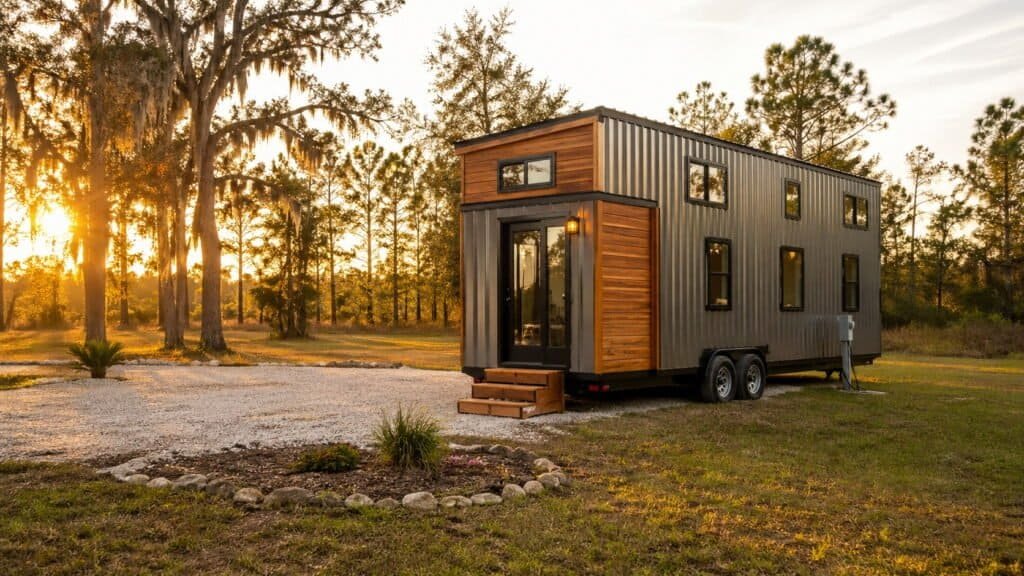
What “Tiny Home Lots” Really Mean in Florida
Not all “tiny home lots” are created equal. In Florida, the term can refer to several different types of land—and understanding the differences can save you from serious frustration later.
Private Land (Raw or Rural Lots)
This is undeveloped land you purchase outright. It gives you the most freedom, but also comes with the most responsibility.
You’ll need to handle:
- Zoning compliance
- Utility installation (water, septic, electric)
- Permits and inspections
Best for: People who want long-term independence or off-grid living.
Tiny Home Communities
These are planned developments specifically designed for tiny homes or small dwellings.
They typically include:
- Utility hookups
- Shared amenities (clubhouse, pool, laundry)
- Pre-approved zoning for tiny living
You might either buy a lot or lease a space monthly, depending on the community.
Best for: Beginners who want a smoother, plug-and-play setup.
RV Parks (With a Catch)
Many people assume RV parks are an easy solution—but it’s not always that simple.
Most tiny homes on wheels (THOWs) are legally classified as RVs. However:
- Some parks only allow certified RVs (RVIA-approved)
- Long-term living may be restricted
- Rules vary widely by park
Important: “RV-friendly” does not automatically mean “tiny home friendly.”
THOW vs Foundation-Based Tiny Homes
Your type of home affects where you can place it:
- Tiny House on Wheels (THOW): Often treated as an RV
- Foundation Tiny Home: Must meet local building codes (like traditional houses)
This distinction plays a major role in zoning and lot eligibility.
Bottom line: The “right” lot depends just as much on your home type as your lifestyle goals.
Tiny Home Lots Florida: Where You Can Actually Live Legally
This is where things get real. Finding tiny home lots in Florida isn’t just about availability—it’s about legality.
Florida doesn’t have a single statewide rule for tiny homes. Instead, zoning laws are controlled at the county and city level, which means the rules can change dramatically from one area to another.
Tiny-Home-Friendly Areas in Florida
Some regions are more open to tiny homes, especially in rural or less densely populated counties.
Central Florida (Outside Orlando)
- Lake County
- Polk County (select zones)
These areas often allow smaller homes or have flexible zoning in rural districts.
North Florida
- Putnam County
- Suwannee County
More relaxed regulations and lower land prices make this region attractive for off-grid setups.
Gulf Coast & Rural Zones
- Less restrictive building requirements
- Easier permitting in agricultural or residential rural zones
What Makes a Lot “Legal” for Tiny Homes?
Before buying or renting land, always confirm:
- Minimum square footage requirements
- Whether THOWs are allowed as permanent residences
- Utility and septic regulations
- Flood zone designation (critical in Florida)
A good starting point is reviewing the Florida Building Code through the official state site:
https://www.floridabuilding.org/
The Reality Most People Miss
Many listings claim to be “tiny home friendly,” but that often just means:
- Temporary parking is allowed
- RV use is permitted short-term
- Or enforcement is currently relaxed
That doesn’t guarantee full-time legal living.
Smart move: Always call the local zoning office before committing to any lot. It’s a simple step that can save you thousands—and a lot of stress.
Best Tiny Home Communities in Florida (Move-In Ready Options)
If you want to skip zoning headaches and jump straight into tiny living, communities are often the easiest path. Many of the best tiny home lots Florida offers are inside planned developments where the legal groundwork is already handled.
What These Communities Typically Offer
Most tiny home communities in Florida are designed for convenience and lifestyle. Expect features like:
- Full utility hookups (water, sewer/septic, electricity)
- Paved lots or concrete pads
- Shared amenities like pools, clubhouses, and laundry facilities
- Landscaping and maintenance included
Some even cater specifically to retirees or digital nomads, creating a built-in sense of community.
Popular Types of Communities
Resident-owned communities
You purchase the lot and own it long-term. This gives more stability and potential resale value.
Leased lot communities
You rent the land monthly while owning your tiny home. This lowers upfront costs but limits control.
Hybrid developments
Some newer communities offer both options, plus short-term rental opportunities.
Pros and Cons Compared to Raw Land
Pros
- Easier move-in process
- Clear legal status
- Built-in utilities and infrastructure
Cons
- Monthly fees or HOA restrictions
- Less privacy
- Limited customization of your lot
Real-world tip: If you’re new to tiny living, starting in a community can help you learn what works before committing to buying land.
Buying Tiny Home Lots in Florida: Step-by-Step Guide
Buying your own land gives you freedom—but only if you approach it carefully. Florida’s mix of zoning rules, flood zones, and infrastructure challenges means every step matters.
Step 1: Define Your Lifestyle First
Before looking at land, get clear on how you want to live:
- Full-time residence or seasonal use?
- Off-grid or connected to utilities?
- Rural privacy or community environment?
Your answers will narrow down the right type of tiny home lots Florida for you.
Step 2: Research Zoning and Land Use Codes
This step is non-negotiable. Contact the county zoning department and ask:
- Are tiny homes allowed on this property?
- Is a THOW considered an RV here?
- What are the minimum size requirements?
Never rely solely on real estate listings.
Step 3: Verify Utilities and Access
Raw land often looks cheap for a reason. Check:
- Water source (city, well, or none)
- Sewer or septic requirements
- Electrical access or solar feasibility
- Road access (important for delivery of your tiny home)
Step 4: Check Flood Zones and Environmental Risks
Florida has a high flood risk in many areas. Use FEMA flood maps to confirm:
- Whether the land is in a flood zone
- Insurance requirements
- Elevation or drainage issues
Overlooking this can dramatically increase your long-term costs.
Step 5: Work With the Right Professionals
Look for:
- Local real estate agents familiar with tiny homes
- Land specialists (not just residential agents)
- Contractors who understand small home builds
Pro tip: Even a quick consultation with a local zoning officer can prevent expensive mistakes.
Cost Breakdown: How Much Do Tiny Home Lots Cost in Florida?
Prices for tiny home lots Florida vary widely depending on location, utilities, and zoning. Understanding the full cost picture helps you avoid surprises.
Average Land Prices by Type
| Type of Lot | Typical Cost Range |
| Rural undeveloped land | $5,000 – $30,000+ |
| Semi-developed land | $20,000 – $75,000 |
| Tiny home community (lease) | $400 – $900/month |
| Coastal or high-demand lots | $50,000 – $150,000+ |
Additional Costs You Should Expect
Even if the land seems affordable, extra expenses add up quickly:
- Permits and impact fees: $1,000 – $10,000 depending on county
- Septic system installation: $3,000 – $8,000
- Well drilling: $4,000 – $12,000
- Electric hookup: $1,000 – $5,000
- Hurricane/flood insurance: varies significantly by location
The Hidden Cost Most Buyers Miss
Infrastructure is often more expensive than the land itself. A $10,000 lot can easily turn into a $40,000 investment once utilities and permits are added.
Cost-Saving Strategies
- Look for land with existing utilities
- Buy in areas with fewer restrictions
- Consider leasing a lot before committing to purchase
- Partner with others for shared land (where legally allowed)
Bottom line: Focus on total setup cost—not just the purchase price—when evaluating your options.
Zoning Laws and Legal Considerations You Can’t Ignore
Understanding zoning is the single most important step when searching for tiny home lots Florida. Overlooking this can turn your dream setup into a legal headache—or worse, force you to move your home.
Minimum Size Requirements Still Exist
Many Florida counties enforce minimum square footage rules for homes on foundations. In some areas, this can be:
- 600–1,000+ square feet minimum
- Larger requirements in suburban or HOA-controlled zones
That means a 200–400 sq ft tiny home may not qualify as a legal primary residence unless exceptions are allowed.
Tiny Homes on Wheels (THOWs) and RV Classification
Most THOWs are classified as RVs in Florida, which creates a gray area:
- Legal in RV parks and campgrounds
- Sometimes allowed on private land temporarily
- Often restricted as a permanent residence
Some counties are beginning to adapt, but rules remain inconsistent.
Building Codes and Compliance
Foundation-based tiny homes must meet the Florida Building Code (FBC), which is based on the International Residential Code (IRC) with local amendments.
This includes:
- Structural requirements (important for hurricanes)
- Plumbing and electrical standards
- Wind resistance ratings
Review the official code here: https://www.floridabuilding.org/
Important: Even small homes must meet full safety standards in most jurisdictions.
HOA Rules and Deed Restrictions
Even if zoning allows tiny homes, private restrictions can override it.
Watch for:
- HOA rules banning small homes
- Minimum home value requirements
- Architectural guidelines that exclude tiny houses
Why “Tiny-Home-Friendly” Can Be Misleading
Listings often use this phrase loosely. It might mean:
- Short-term stays are allowed
- RV parking is permitted
- Enforcement is relaxed (but not officially approved)
Always verify directly with local authorities before buying.
Off-Grid Tiny Home Lots Florida: Is It a Realistic Option?
Off-grid living sounds ideal—lower bills, independence, sustainability—but in Florida, it comes with both opportunities and limitations.
Where Off-Grid Living Works Best
Rural counties in North and Central Florida offer the most flexibility, especially in:
- Agricultural zones
- Low-density residential areas
- Large acreage properties
These areas are more likely to allow alternative setups like solar power and private wells.
What You’ll Need for a Functional Setup
Going off-grid in Florida isn’t just about solar panels. A complete system usually includes:
- Solar array + battery storage
- Backup generator (for storms and cloudy days)
- Water system (well or rainwater collection, where legal)
- Septic system or approved waste solution
Legal Gray Areas to Be Aware Of
Florida doesn’t outright ban off-grid living, but:
- Some counties require connection to utilities if available
- Rainwater collection may be regulated locally
- Waste disposal must meet health codes
Key insight: You can live off-grid—but you still need to meet safety and sanitation standards.
Is It Worth It?
Pros
- Lower long-term utility costs
- Greater independence
- Ideal for remote or rural living
Cons
- Higher upfront setup costs
- Maintenance responsibility
- Limited access to emergency services in some areas
Off-grid living works best for those prepared to manage their own systems and handle occasional challenges—especially during hurricane season.
Renting vs Buying Tiny Home Lots in Florida
Deciding whether to rent or buy is a major step when exploring tiny home lots Florida. Each option offers a different balance of flexibility, cost, and long-term security.
Renting a Tiny Home Lot
Leasing a lot in a community or RV park is often the fastest way to get started.
Advantages
- Lower upfront cost
- No need to install utilities
- Easier to relocate if plans change
Limitations
- Monthly fees ($400–$900+)
- Rules and restrictions on home type and appearance
- Less control over your environment
Buying Tiny Home Land
Owning land gives you stability and freedom—but requires more effort upfront.
Advantages
- Full control over your property
- Long-term investment potential
- No ongoing lot rent
Challenges
- Higher initial cost
- Responsibility for permits, utilities, and compliance
- Harder to exit quickly if needed
Quick Comparison
| Factor | Renting a Lot | Buying Land |
| Upfront Cost | Low | High |
| Monthly Cost | Ongoing rent | Minimal (taxes only) |
| Flexibility | High | Lower |
| Control | Limited | Full |
| Setup Effort | Minimal | Significant |
Which Option Is Right for You?
- Choose renting if you’re new to tiny living or want flexibility
- Choose buying if you’re committed long-term and want full control
Smart approach: Many experienced tiny homeowners start by renting, then transition to buying once they understand their needs better.
Common Mistakes When Searching for Tiny Home Lots Florida
Even experienced buyers slip up when looking for tiny home lots Florida. A few common mistakes can cost you time, money, and legal trouble.
Assuming All Land Allows Tiny Homes
Just because land is for sale doesn’t mean you can live on it in a tiny home. Many buyers skip zoning checks and regret it later.
Always confirm:
- Minimum home size requirements
- Whether THOWs are permitted
- Full-time residency rules
Ignoring Flood Zones and Insurance Costs
Florida’s flood risk is real. Buying cheap land in a flood zone can lead to:
- Expensive insurance premiums
- Building restrictions or elevation requirements
- Increased risk during storms
Tip: Check FEMA flood maps before making any offer.
Not Confirming Utility Access
Land without utilities may seem like a bargain—but installation costs can quickly add up.
Watch for:
- No nearby electrical connection
- Difficult well drilling conditions
- Septic limitations due to soil type
Confusing RV-Friendly with Tiny Home-Friendly
This is one of the biggest misconceptions.
- RV parks may restrict long-term stays
- Some require RVIA certification
- Tiny homes may not meet park standards
Bottom line: Not all RV-approved spaces accept tiny homes.
Skipping Proper Due Diligence
Rushing into a purchase without checking:
- Deed restrictions
- HOA rules
- Access roads and easements
…can create serious issues down the road.
Smart move: Take your time and verify everything before committing.
Tips for Finding Hidden Tiny Home Lot Opportunities
Good tiny home lots Florida don’t always show up on major listing sites. Some of the best deals come from less obvious sources.
Go Beyond Traditional Real Estate Platforms
Zillow and Realtor.com are useful—but limited. Expand your search to:
- Facebook groups focused on tiny homes or Florida land
- Craigslist and local classifieds
- County tax lien or surplus land auctions
Network Within the Tiny Home Community
Tiny home builders and owners often know about land opportunities before they’re publicly listed.
- Attend local meetups or expos
- Contact tiny home builders in Florida
- Join online forums or groups
Work With Niche Real Estate Agents
Some agents specialize in:
- Rural land
- Alternative housing
- Investment properties
They’re more likely to understand zoning nuances and steer you toward viable options.
Look for “Almost Ready” Land
Instead of raw land, consider:
- Lots with existing septic systems
- Properties with utility hookups already installed
- Older mobile home sites (often easier to repurpose)
Pro tip: These properties may cost more upfront but save thousands in setup costs.
Time Your Purchase Strategically
Florida’s real estate market fluctuates:
- Prices may dip slightly outside peak winter months
- Rural land often sits longer, allowing negotiation
Patience can lead to better deals.
How Tiny Home Design Impacts Your Lot Choice
Your home design isn’t separate from your land—it directly affects which tiny home lots Florida will work for you.
Size and Layout Must Match the Lot
A larger tiny home (especially 30–40 ft long) needs:
- Adequate parking space
- Turning radius for delivery
- Clearance for setup
Small or narrow lots may limit your options.
Mobility Matters for THOWs
If your tiny home is on wheels:
- Ensure road access is wide enough
- Check for low-hanging power lines or tight turns
- Confirm the lot allows vehicle-based dwellings
Orientation for Florida’s Climate
Design plays a big role in comfort:
- Position windows to maximize airflow
- Use shading (trees, awnings) to reduce heat
- Plan outdoor living space for year-round use
Outdoor space often becomes your “extra room” in Florida living.
Space-Saving Features That Make a Difference
Smart design can make smaller lots feel bigger:
- Fold-out decks or patios
- Multi-functional furniture
- Loft sleeping areas
- Built-in storage solutions
Think Beyond the House
Your lot should support your lifestyle:
- Space for parking
- Storage sheds or workshops (if allowed)
- Outdoor seating or garden areas
Key insight: The best tiny home setups treat the lot as an extension of the home—not just a place to park it.
FAQs About Tiny Home Lots Florida
Can you legally live in a tiny home full-time in Florida?
It depends on the county and zoning. Some areas allow it, especially in tiny home communities or rural zones, while others restrict full-time living in THOWs.
What counties in Florida are most tiny-home-friendly?
Rural counties like Suwannee and Putnam tend to be more flexible, along with parts of Lake County and other Central Florida areas.
Are tiny homes considered RVs in Florida?
Tiny homes on wheels are often classified as RVs, which limits where they can be used as permanent residences.
Do you need permits for a tiny home lot?
Yes. Permits are typically required for utilities, septic systems, and foundation-based homes. Requirements vary by county.
Can you finance land for a tiny home in Florida?
Land loans are available, but they usually require higher down payments and shorter terms than traditional mortgages.
Finding the Right Tiny Home Lot in Florida Starts With Smart Planning
The search for the perfect tiny home lots Florida comes down to balancing three things: legality, affordability, and lifestyle fit. Skipping research might save time upfront, but it often leads to expensive problems later.
Take the time to verify zoning, understand total costs, and match your home design to the land. Whether you start by renting in a community or buying rural property, each step moves you closer to a setup that actually works long-term.
If you’re ready to move forward, start exploring available lots, reach out to local zoning offices, and connect with builders or communities in your target area. The right tiny home spot in Florida is out there—you just need to approach it the right way.
