
Park model units for guests without RVs are quickly becoming one of the most practical ways to host visitors, create rental income, or expand living space without building a full-size home. If you’ve ever wanted a private guest suite in your backyard—or a flexible rental unit without the complexity of an ADU—this option deserves serious attention.
This guide breaks down exactly how park model units work, why they’re ideal for non-RV guests, and how you can realistically set one up on your property. Expect real-world insights, cost considerations, and practical tips based on how people are actually using these units today.
In This Article
Why Park Model Units Are the Perfect Guest Solution (Even Without RVs)
Traditional guest spaces often come with trade-offs. Spare rooms lack privacy, and building a full guest house can be expensive and slow. Park model units fill that gap beautifully.
Unlike RVs, these units feel like real tiny homes. They offer full kitchens, bathrooms, and comfortable sleeping areas—all within a compact footprint.
What makes them stand out for hosting guests:
- True privacy: Guests get their own separate space
- Home-like comfort: No cramped RV interiors or shared walls
- Faster setup: Delivered and installed in weeks, not months
- Flexible use: Guest house today, rental or office tomorrow
Many homeowners are now using park model units as a middle ground between a simple guest room and a full accessory dwelling unit (ADU). The result? A setup that feels intentional, comfortable, and surprisingly upscale.
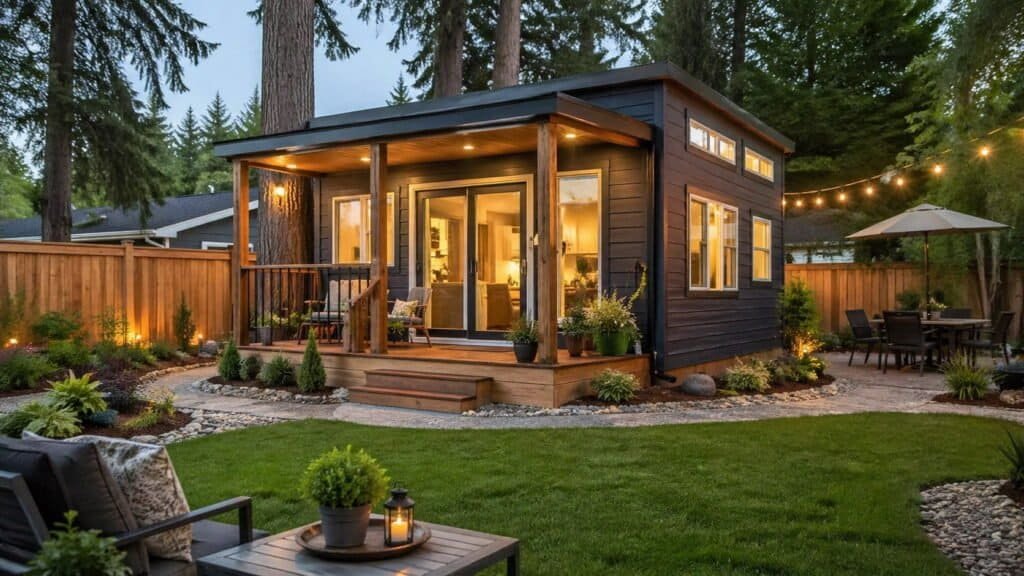
What Exactly Are Park Model Units? A Simple Breakdown
Park model units—sometimes called park model homes—are small, factory-built dwellings designed for semi-permanent placement. They’re typically built to RV industry standards but look and function more like tiny houses.
Key Features of Park Model Units
- Size: Usually up to 400 sq ft (excluding lofts)
- Construction: Built in a factory and delivered fully assembled
- Mobility: Technically movable, but not meant for frequent travel
- Utilities: Designed for full hookups (water, electricity, sewer)
The big distinction is how they feel. Step inside a well-designed park model unit, and it resembles a compact cabin or studio apartment rather than an RV.
Park Model Units vs RVs vs Tiny Houses
| Feature | Park Model Unit | RV | Tiny House on Wheels |
| Primary Use | Semi-permanent living | Travel | Flexible living |
| Comfort Level | High | Moderate | High |
| Mobility | Low | High | Moderate |
| Setup | Hookups required | Plug-and-play | Varies |
| Interior Style | Residential | Compact | Custom |
Bottom line: Park model units are ideal when you want a stationary, comfortable guest space without building from scratch.
Park Model Units for Guests Without RVs: How It Actually Works
One of the biggest misconceptions is that park model units are only for RV owners. In reality, most people using them for guests don’t own an RV at all.
How Guests Use Park Model Units
Guests treat these units just like a small apartment:
- Walk in with a key or keypad
- Use a full bathroom and kitchen
- Sleep in a proper bed or loft
- Enjoy private indoor and outdoor space
No driving, towing, or RV knowledge required.
Common Setup Scenarios
Backyard Guest Unit
- Placed on private residential land
- Connected to home utilities or separate hookups
- Ideal for family visits or Airbnb rentals
Rural or Off-Grid Property
- Used for remote guest stays
- Often powered by solar or alternative systems
- Great for nature-focused experiences
Tiny House Communities or RV Parks
- Installed in designated lots
- Shared infrastructure already in place
- Simplifies setup and legal compliance
Utility Setup Options
Most park model units rely on standard hookups:
- Electric: 30 or 50 amp service
- Water: Direct connection or tank system
- Sewer: Septic or municipal line
Off-grid setups are possible, but they require more planning and upfront investment.
Who Typically Uses Them?
- Homeowners hosting family or long-term guests
- Airbnb hosts looking for a unique rental
- Property owners maximizing land use
- Tiny house enthusiasts testing small living
Key takeaway: You don’t need an RV—or any RV experience—to make park model units work. They function more like compact homes than vehicles, which is exactly why they’re so appealing for guest use.
Top Benefits of Using Park Model Units for Guest Accommodation
Park model units aren’t just a trendy alternative—they solve real problems for homeowners who want comfortable, private, and flexible guest space without overbuilding.
Privacy Without Compromise
Guests get their own entrance, bathroom, and living area. That separation makes a huge difference, especially for:
- Longer stays
- Hosting friends vs family
- Short-term rentals where boundaries matter
Both sides enjoy more freedom, which often leads to better guest experiences (and better reviews if you’re renting).
Cost-Effective Compared to Building an ADU
Building a traditional guest house can easily run into six figures and months of permits and construction.
Park model units, on the other hand:
- Are factory-built, reducing labor costs
- Require less site work
- Can be installed much faster
This makes them one of the most accessible entry points into backyard guest housing.
Quick Setup and Immediate Use
Once delivered, setup can take days—not months.
Typical timeline:
- Purchase and build: 4–10 weeks
- Delivery: 1–2 days
- Hookups and finishing: a few days to a couple of weeks
You can realistically host guests within a couple of months, which is hard to match with traditional construction.
Multi-Purpose Flexibility
A park model unit doesn’t have to stay a “guest house” forever.
It can easily become:
- A rental income unit
- A home office or studio
- A long-term living space for family
- A retreat or vacation rental
That flexibility adds long-term value beyond occasional guest use.
Park Model vs Tiny House vs ADU: Which Is Better for Guests?
Choosing between a park model unit, a tiny house, or a full ADU depends on your goals, budget, and local regulations. Each option has its place—but they serve different needs.
Quick Comparison for Guest Use
| Feature | Park Model Unit | Tiny House on Wheels | ADU (Accessory Dwelling Unit) |
| Setup Speed | Fast | Moderate | Slow |
| Cost Range | $$ | $$–$$$ | $$$$ |
| Permitting Complexity | Moderate | Moderate | High |
| Comfort for Guests | High | High | Very High |
| Permanence | Semi-permanent | Flexible | Permanent |
When a Park Model Unit Makes the Most Sense
A park model unit is often the best fit when you:
- Want a balance between cost and comfort
- Need a faster, lower-hassle setup
- Plan to host guests or renters without full-time occupancy requirements
- Have land where RV-style units are allowed
When a Tiny House Might Be Better
Tiny houses on wheels are more flexible if you:
- Want the option to relocate the unit
- Prefer a custom-built design
- Are experimenting with tiny living before committing long-term
When an ADU Is Worth the Investment
An ADU is the most permanent and regulated option.
It makes sense if you:
- Need a fully legal, long-term dwelling
- Want to increase property value significantly
- Plan for full-time occupancy or multi-generational living
Honest insight: Many homeowners start with a park model unit because it’s simpler and more affordable. Later, they may upgrade to an ADU once they understand zoning and long-term needs.
Legal and Zoning Considerations You Can’t Ignore
This is where many first-time buyers run into trouble. Park model units sit in a gray area between RVs and permanent homes, which means rules can vary widely depending on where you live.
How Park Model Units Are Classified
In many regions, park model units are classified under RV standards rather than residential housing codes. This affects:
- Where you can place them
- How long someone can stay in them
- Whether they qualify as legal dwellings
That classification is helpful for flexibility—but it can also limit full-time use in some areas.
Common Zoning Restrictions
Before buying anything, check local zoning laws carefully. Some common restrictions include:
- Limits on living in RV-type units full-time
- Requirements for designated RV parks or zones
- Minimum lot sizes or setbacks
- Restrictions on short-term rentals
A good starting point for understanding regulations is your local planning office or official zoning resources like:
https://www.hud.gov/program_offices/housing
Short-Term Rental Rules
If you’re planning to host Airbnb-style guests, don’t assume it’s automatically allowed.
Some areas require:
- Permits or licenses
- Occupancy limits
- Safety inspections
- Tax registration
Ignoring these rules can lead to fines or forced removal of the unit.
Smart Steps Before You Buy
- Contact your local zoning or planning department
- Ask specifically about park model units or RV dwellings
- Confirm rules for guest stays vs full-time living
- Check utility and septic requirements
Pro tip: Always verify regulations before purchasing or delivering a unit. Fixing a zoning mistake after installation is far more expensive than doing your homework upfront.
Where Can You Place Park Model Units for Guests? (Realistic Options)
Finding the right spot for park model units for guests without RVs is just as important as choosing the unit itself. Placement affects comfort, legality, and how often you’ll actually use it.
Private Backyards (The Most Popular Choice)
For many homeowners, the backyard is the easiest and most practical location.
Why it works:
- Close access to utilities
- Convenient for hosting family or friends
- Ideal for short-term rentals if local laws allow
Keep in mind:
- Setback rules may limit where you can place the unit
- You may need a level pad, gravel base, or concrete foundation
- Privacy design (fencing, landscaping) makes a big difference
Rural Land and Large Properties
If you have extra land, park model units can feel like a private retreat.
Best for:
- Long-term guests
- Nature-focused stays
- Off-grid or semi-off-grid setups
Many owners place units with a view—near trees, water, or open space—to create a unique experience guests can’t get in a typical home.
Tiny House Communities and RV Parks
These locations simplify setup because infrastructure is already in place.
Advantages:
- Pre-installed utility hookups
- Fewer zoning headaches
- Built-in community appeal
The trade-off is less control over the property and ongoing lot fees, but for many hosts, the convenience is worth it.
Vacation Properties and Rental Lots
Short-term rental investors often place park model units on:
- Vacation land
- Resort-style properties
- Shared rental developments
This setup works well if your goal is income, especially in tourist-friendly areas.
Key takeaway: Choose a location that balances legal compliance, guest experience, and ease of setup. A great unit in the wrong spot won’t perform well.
Cost Breakdown: What It Really Takes to Set Up a Park Model Unit
Understanding the true cost of park model units for guests without RVs helps you avoid surprises and plan realistically.
Average Initial Costs
| Expense Category | Typical Cost Range |
| Park Model Unit | $40,000 – $120,000+ |
| Delivery & Setup | $3,000 – $10,000 |
| Foundation/Base Prep | $1,000 – $8,000 |
| Utility Connections | $2,000 – $15,000 |
| Permits & Fees | $500 – $5,000 |
Prices vary depending on location, terrain, and how “plug-and-play” your property is.
Optional Upgrades That Add Value
Many owners underestimate these—but they can dramatically improve guest experience:
- Deck or porch: $2,000 – $15,000
- Landscaping and pathways: $1,000 – $5,000
- Furniture and decor: $2,000 – $10,000
- Privacy features (fencing, screens): $1,000 – $7,000
Well-designed outdoor space often matters as much as the interior.
Ongoing Costs to Expect
- Electricity and water usage
- Septic maintenance or sewer fees
- General upkeep (roof, HVAC, plumbing)
- Insurance (varies widely)
Real-World Insight
Many first-time buyers focus only on the unit price. In reality, setup and site work can add 20–40% to your total investment.
Planning for the full picture upfront prevents budget stress later.
Design Features That Make Guests Feel at Home
A successful guest setup isn’t just about having a place to sleep—it’s about creating a space that feels comfortable, private, and memorable.
Smart Layouts That Maximize Comfort
Even under 400 sq ft, a well-designed park model unit can feel surprisingly spacious.
Look for:
- Open living areas with natural light
- Clear separation between sleeping and living zones
- Functional kitchen layouts (not just decorative)
Good flow matters more than square footage.
Full Bathrooms and Functional Kitchens
Guests expect basic comforts, especially for stays longer than a night or two.
Essential features include:
- Standard-size shower (not ultra-compact RV style)
- Flushing toilet or upgraded composting system
- Kitchenette with stove, fridge, and storage
Skipping these can limit how often your unit gets used.
Loft vs Single-Level Sleeping
Both options work, but they serve different guests.
- Lofts: Great for younger guests or maximizing space
- Main-floor beds: Better for older guests or long stays
If possible, having both options increases flexibility.
Outdoor Living Space Is a Game-Changer
A small porch or patio can double the perceived living space.
Popular additions:
- Covered deck with seating
- Outdoor lighting for ambiance
- Small dining or lounge area
Guests remember the experience, not just the interior.
Small Details That Make a Big Difference
- Sound insulation for privacy
- Blackout curtains for better sleep
- Simple storage solutions (hooks, shelves)
- Thoughtful decor that feels warm—not cluttered
The goal is simple: make the space feel intentional, not like an afterthought.
Hosting Tips: How to Turn Your Park Model Unit Into a Guest Favorite
A well-placed unit is only half the equation. The real magic happens when your park model unit for guests without RVs feels welcoming, private, and thoughtfully designed.
Furnish for Comfort, Not Just Looks
Focus on essentials that guests actually notice:
- A comfortable mattress (this matters more than decor)
- Soft lighting instead of harsh overhead fixtures
- Functional seating for relaxing or working
Avoid overcrowding the space. In small homes, less is almost always better.
Create a Hotel-Like Experience
Small touches can elevate the entire stay:
- Fresh linens and extra blankets
- Basic kitchen supplies (coffee, tea, utensils)
- Toiletries like soap, shampoo, and towels
Guests remember convenience and comfort more than square footage.
Prioritize Privacy and Access
Make it easy for guests to come and go without interacting every time.
Consider:
- A separate pathway or entrance
- Keypad locks instead of physical keys
- Clear boundaries between your home and the unit
This is especially important for short-term rentals.
Manage Bookings Strategically
If you plan to rent the unit:
- Decide between short-term (Airbnb-style) or mid-term stays (1–3 months)
- Set realistic cleaning and turnover schedules
- Price competitively based on your location and amenities
Consistency leads to better reviews and repeat guests.
Off-Grid and Eco-Friendly Options for Park Model Units
Not every property has easy access to utilities. The good news? Park model units can work surprisingly well off-grid with the right setup.
Solar Power and Energy Efficiency
Solar is one of the most common upgrades for remote units.
Typical setup includes:
- Solar panels and battery storage
- Energy-efficient appliances
- LED lighting throughout
While the upfront cost can be significant, it reduces long-term utility expenses.
Water and Waste Solutions
Options depend on your location:
- Water tanks or rainwater collection systems
- Composting toilets or septic systems
- Greywater reuse (where allowed)
Always check local regulations before installing alternative systems.
Sustainable Materials and Design
Some park model units are built with eco-conscious features like:
- Reclaimed wood or low-impact materials
- High-quality insulation for reduced energy use
- Efficient windows for natural light and temperature control
Sustainability isn’t just good for the environment—it also appeals to modern guests.
Best Use Cases for Off-Grid Units
- Remote vacation rentals
- Nature retreats
- Large rural properties without utility access
Done right, off-grid units can offer a unique experience that stands out in a crowded rental market.
Common Mistakes to Avoid When Setting Up Park Model Units
Many issues with park model units for guests without RVs come down to poor planning. Avoiding these mistakes can save time, money, and frustration.
Skipping Zoning Research
One of the biggest (and most expensive) mistakes.
Never assume your property allows it. Always verify:
- Placement rules
- Guest stay limits
- Utility requirements
Underestimating Setup Costs
The unit price is just the beginning.
Commonly overlooked expenses:
- Site preparation
- Utility hookups
- Permits and inspections
Budgeting realistically prevents delays and compromises.
Poor Placement on the Property
A unit placed too close to your main house—or too far from utilities—can create problems.
Think about:
- Privacy for both you and your guests
- Accessibility (paths, lighting)
- Drainage and ground stability
Ignoring Guest Experience
A bare-bones setup may technically work, but it won’t impress.
Avoid:
- Uncomfortable furniture
- Lack of storage
- Poor lighting or ventilation
A little extra effort here can dramatically improve usability and rental potential.
Who Should Consider Park Model Units for Guests Without RVs?
This solution isn’t for everyone—but for the right person, it’s incredibly effective.
Ideal for Homeowners With Extra Space
If you have unused land or a large backyard, a park model unit can transform that space into something functional and valuable.
Great for Airbnb or Rental Hosts
Hosts looking to expand capacity without major construction often find park model units to be the perfect middle ground.
Useful for Multi-Generational Living
Families use these units to:
- House aging parents
- Give adult children independent space
- Provide long-term guest accommodations
Perfect for Tiny Living Enthusiasts
If you’re curious about tiny house living, hosting guests in a park model unit is a low-risk way to explore the lifestyle.
Flexibility is the biggest advantage—you can adapt the space as your needs change.
FAQ: Park Model Units for Guests Without RVs
Can you legally live in a park model unit full-time?
It depends on local zoning laws. Some areas allow full-time living, while others restrict park model units to seasonal or temporary use.
Do park model units need utility hookups?
Most are designed for standard hookups (water, sewer, electricity), but off-grid setups are possible with additional systems.
Are park model units suitable for all climates?
Many are built for mild to moderate climates. For extreme weather, look for upgraded insulation and climate control features.
How long can guests stay in a park model unit?
This depends on local regulations. Short-term stays are often allowed, but long-term occupancy may be restricted in some areas.
Can you finance a park model unit?
Yes, but financing options differ from traditional mortgages. Many buyers use RV loans, personal loans, or specialty lenders.
A Smarter Way to Host Guests Without Building Big
Park model units offer a rare balance of affordability, flexibility, and real comfort, making them one of the most practical ways to host guests without owning an RV or building a full guest house.
Whether you’re planning a private backyard retreat, expanding a rental business, or simply creating more space for family, this approach gives you room to grow without overcommitting.
Take the next step by checking your local zoning rules, exploring available units, and mapping out how a park model could fit into your property. Done right, it’s not just extra space—it’s a long-term lifestyle upgrade.
