
2 bedroom tiny houses for seniors are quickly becoming one of the most practical solutions for downsizing without sacrificing comfort or flexibility. Many retirees want a simpler lifestyle—but still need extra space for guests, caregivers, or hobbies.
This guide walks you through exactly what makes these homes work: smart layouts, senior-friendly features, and real-world design ideas that support aging in place. Whether you’re planning your own build or exploring ready-made options, you’ll find practical insights to help you make the right decision.
In This Article
Why 2 Bedroom Tiny Houses Are Gaining Popularity Among Seniors
Downsizing doesn’t mean giving up comfort—it means being intentional about how you live. That’s exactly why more seniors are choosing 2 bedroom tiny houses instead of traditional homes or one-bedroom layouts.
A second bedroom adds flexibility that becomes more valuable over time.
More Freedom Without the Extra Burden
Traditional homes often come with:
- High maintenance (roofing, yard work, repairs)
- Increasing utility costs
- Unused rooms collecting dust
A well-designed tiny home eliminates these issues while still offering just enough space to live comfortably.
Real-Life Scenarios Where a Second Bedroom Matters
A second bedroom isn’t just a luxury—it’s often a necessity:
- Caregiver space: Ideal for live-in help or occasional medical support
- Family visits: Grandchildren or adult children can stay comfortably
- Hobby or office room: Crafting, reading, or even light work-from-home setups
- Future-proofing: Needs change over time—extra space gives you options
Key takeaway: A one-bedroom tiny house may work today, but a two-bedroom setup often works better long-term.
What Makes a Tiny House Truly Senior-Friendly?
Not all tiny homes are designed with aging in mind. Some look beautiful but become impractical after a few years. A senior-friendly tiny house focuses on ease, safety, and long-term usability.
Accessibility Comes First
Mobility changes over time, so your home should adapt with you—not against you.
Look for:
- Single-level living (avoid ladders and steep stairs)
- Wide doorways (at least 32–36 inches) for easier movement
- Minimal thresholds to prevent tripping
Even if you’re fully mobile now, these features make a big difference later.
Safety Features That Actually Matter
Small spaces can either feel secure—or risky—depending on design.
Prioritize:
- Non-slip flooring in kitchens and bathrooms
- Walk-in showers instead of tubs
- Grab bars in key areas
- Good lighting (especially in hallways and entrances)
Tip: Lighting is often underestimated. Bright, layered lighting reduces falls and improves daily comfort.
Comfort Upgrades That Improve Daily Life
Tiny doesn’t mean basic. In fact, thoughtful upgrades can make a small home feel more comfortable than a large one.
Consider:
- Efficient heating and cooling systems
- Sound insulation for better rest
- Easy-to-reach storage (no climbing or bending)
The goal: A home that supports your lifestyle today—and still works 10–20 years from now.
Smart Layout Ideas for 2 Bedroom Tiny Houses for Seniors
Layout is everything in a tiny home. A poorly designed 2 bedroom tiny house can feel cramped, while a smart layout can feel surprisingly spacious and functional.
Ground-Floor Living: The Gold Standard
The most senior-friendly layouts keep everything on one level.
Best options include:
- Two ground-floor bedrooms
- Open living, dining, and kitchen area
- Bathroom located centrally for easy access
This eliminates the need for stairs entirely.
Split Bedroom Layout for Privacy
A popular design approach places bedrooms on opposite ends of the home.
Benefits:
- More privacy for guests or caregivers
- Reduced noise between sleeping areas
- Better use of narrow floor plans
This setup works especially well for couples who host visitors often.
Loft + Main Floor Hybrid (Use With Caution)
Some designs include:
- Main bedroom downstairs
- Second bedroom in a loft
This can work short-term, but comes with trade-offs:
- Climbing stairs or ladders may become difficult
- Not ideal for aging in place
Recommendation: Use lofts for storage or occasional use—not as a primary bedroom.
Open-Concept Living for Easier Movement
Tight hallways and closed-off rooms can feel restrictive. Open layouts improve both comfort and safety.
Look for:
- Seamless flow between kitchen, dining, and living areas
- Clear walking paths without obstacles
- Multi-functional furniture to reduce clutter
Simple rule: The fewer barriers, the easier daily life becomes.
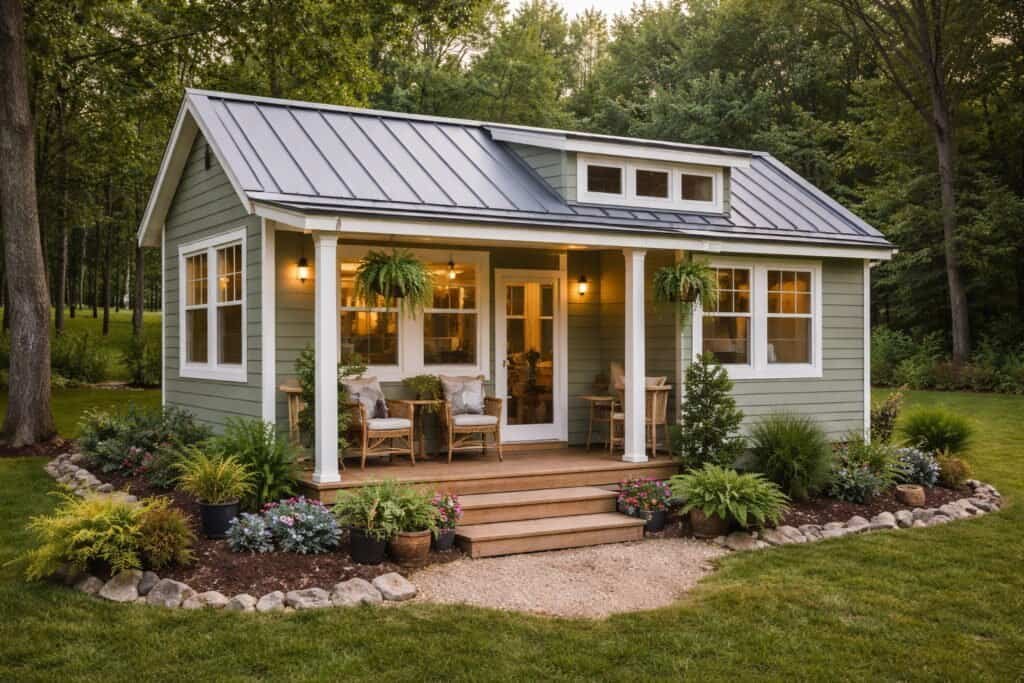
The Second Bedroom: More Than Just a Guest Room
One of the biggest advantages of 2 bedroom tiny houses for seniors is flexibility. The second room should never be treated as “extra” space—it should be planned with purpose.
A Comfortable Space for a Caregiver or Family Support
As needs change, having room for occasional or live-in help can make a huge difference. Many seniors choose a second bedroom so a family member, nurse, or caregiver can stay overnight when needed.
This arrangement supports independence while keeping help close by.
Practical features that make this room more useful include:
- A ground-floor layout with easy access to the bathroom
- Space for a single bed or daybed
- Built-in storage for medical supplies or personal items
- Nearby outlets for mobility equipment or monitoring devices
A Flexible Room for Hobbies, Reading, or Work
Not every second bedroom needs to be used for sleeping.
For many retirees, this becomes a:
- sewing or craft room
- reading nook
- home office
- prayer or meditation space
- wellness room for light exercise
A fold-away bed or Murphy bed helps the room serve multiple functions without wasting floor space.
Future-Proofing the Home
One of the smartest reasons to choose a second bedroom is long-term planning.
What starts as a hobby room today may later become:
- a caregiver room
- medical recovery space
- guest room for adult children
- storage for mobility aids
Smart tiny house design always plans for future needs, not just current ones.
Key Features to Look for in 2 Bedroom Tiny Houses for Seniors
The right features can make a small home feel effortless to live in. Poor design choices, on the other hand, can create daily frustration.
Ground-Floor Primary Bedroom
This is one of the most important design features.
A primary bedroom on the main floor offers:
- easier daily access
- reduced fall risk
- better aging-in-place usability
Avoid homes where the main sleeping area is in a loft unless it’s intended only for guests.
Senior-Friendly Bathroom Design
Bathrooms need extra attention in tiny homes because limited space can quickly become inconvenient.
Prioritize:
- walk-in showers with low or zero thresholds
- handheld shower heads
- non-slip tile or vinyl flooring
- grab bars near the shower and toilet
- enough turning space for walkers if needed
For accessibility standards and best practices, the ADA design guidance from the U.S. Access Board is an excellent resource:
https://www.access-board.gov/ada/
This is especially helpful if you are customizing a build.
Storage That’s Easy to Reach
Storage in tiny houses often goes vertical, but seniors benefit more from waist-to-shoulder height storage zones.
Ideal storage solutions include:
- pull-out drawers
- under-bed storage
- lower cabinets with sliding shelves
- easy-access closets
Avoid overhead cabinets that require reaching too high.
Comfortable Climate Control
Seniors are often more sensitive to temperature changes, so insulation and HVAC systems matter.
Look for:
- quality wall insulation
- double-pane windows
- mini-split heating and cooling systems
- ceiling fans for airflow
These features improve comfort while keeping utility bills manageable.
Pros and Cons of 2 Bedroom Tiny Houses for Seniors
Like any housing choice, this option comes with clear benefits and a few important challenges.
Advantages of 2 Bedroom Tiny Houses for Seniors
Lower Maintenance and Less Stress
Compared to traditional homes, tiny houses dramatically reduce upkeep.
Less square footage means:
- less cleaning
- fewer repairs
- lower heating and cooling costs
This makes daily life simpler and more affordable.
Better Support for Aging in Place
A thoughtfully designed 2 bedroom tiny house allows seniors to stay independent longer.
The extra room provides flexibility for:
- caregivers
- mobility needs
- future lifestyle changes
This is one of the strongest long-term benefits.
Easier Family Visits
Many seniors want to stay close to family without needing a large house.
A second bedroom creates a comfortable place for:
- visiting children
- grandchildren
- close friends
This makes hosting easier without sacrificing privacy.
Potential Drawbacks to Consider
Space Can Still Feel Limited
Even with two bedrooms, storage and living areas are still smaller than conventional homes.
Without smart design, clutter can build up quickly.
Zoning and Placement Challenges
Tiny houses are not legal everywhere, especially on wheels.
Rules may vary depending on:
- minimum square footage requirements
- ADU regulations
- local zoning codes
- community restrictions
This is important to research before purchasing.
Adjustment Period
Moving from a full-size home into a tiny house often requires lifestyle changes.
Common adjustments include:
- downsizing furniture
- simplifying possessions
- changing daily routines
For many seniors, the transition is worth it—but it’s important to plan realistically.
Cost Breakdown: What to Expect for a 2 Bedroom Tiny Home
Understanding the real cost of 2 bedroom tiny houses for seniors helps you avoid surprises and plan confidently. Prices vary widely depending on size, materials, and accessibility upgrades—but there are clear ranges you can expect.
Average Cost Ranges
| Type of Tiny Home | Estimated Cost |
| DIY build (basic) | $30,000 – $60,000 |
| DIY build (high-quality) | $60,000 – $90,000 |
| Professionally built | $80,000 – $150,000+ |
| Luxury or fully customized | $150,000 – $250,000+ |
A two-bedroom layout typically costs more than a one-bedroom due to:
- additional square footage
- extra windows and insulation
- second sleeping area finishes
Accessibility Upgrades and Their Impact
Designing for seniors may increase upfront costs—but it often saves money long-term by avoiding future renovations.
Common upgrades include:
- walk-in showers: $1,500 – $5,000+
- wider doors and hallways: $500 – $2,000
- non-slip flooring: $1,000 – $3,000
- custom cabinetry (easy access): $2,000 – $8,000
Important: These features are much cheaper to include during the build than to retrofit later.
Ongoing Monthly Expenses
Tiny homes reduce living costs, but they aren’t free to maintain.
Typical monthly expenses:
| Expense | Estimated Cost |
| Utilities (electric, water, internet) | $50 – $150 |
| Land rent (if in a community) | $300 – $800 |
| Maintenance | $50 – $150 |
| Insurance | $50 – $150 |
👉 Internal tip: If you’re comparing options, it’s worth exploring a full cost guide to understand long-term savings vs traditional housing.
Where Can Seniors Place or Live in a 2 Bedroom Tiny House?
Finding the right place to live is just as important as choosing the right home. For seniors, location often determines comfort, safety, and long-term viability.
Tiny House Communities: Social and Low-Maintenance Living
Tiny house communities are becoming more popular among retirees.
They often offer:
- shared amenities (gardens, walking paths, community spaces)
- like-minded neighbors
- simplified utilities and maintenance
These communities can feel similar to retirement villages—but with more independence and lower costs.
Backyard Living (ADUs) Near Family
Many seniors choose to place their tiny home in a family member’s backyard as an Accessory Dwelling Unit (ADU).
Benefits include:
- staying close to children or caregivers
- reduced land costs
- built-in support system
However, local zoning laws will determine whether this is allowed.
Private Land: Freedom With Responsibility
Owning or renting private land gives you the most control, but also requires more planning.
You’ll need to consider:
- utility connections (water, sewage, electricity)
- road access
- local building regulations
For official guidance on zoning and land use rules, check your local regulations or review resources like:
https://www.hud.gov/program_offices/comm_planning
This can help you understand what’s allowed in your area before making a decision.
Design Tips to Make Small Spaces Feel Bigger and Safer
A well-designed tiny home doesn’t feel cramped—it feels intentional. These design strategies make 2 bedroom tiny houses for seniors more comfortable, open, and easy to navigate.
Use Natural Light to Open Up the Space
Light changes everything in a small home.
Maximize it with:
- large windows in living areas
- skylights where possible
- light-colored walls and ceilings
Result: Rooms feel bigger, brighter, and more inviting.
Choose Furniture That Works Smarter
Every piece of furniture should serve more than one purpose.
Good options include:
- storage beds
- fold-down tables
- compact recliners instead of bulky sofas
Avoid oversized furniture that blocks movement.
Keep Walkways Clear and Spacious
Mobility becomes more important over time.
Design with:
- wide, unobstructed walking paths
- minimal furniture clutter
- rounded edges to reduce injury risk
Tip: Always imagine moving through the space at night or with limited mobility.
Use Color and Contrast for Visibility
Subtle design choices can improve safety.
Consider:
- contrasting colors between floors and walls
- clearly visible edges on steps or thresholds
- matte finishes to reduce glare
These small details make navigation easier, especially for aging eyes.
Common Mistakes Seniors Make When Choosing a Tiny House
Even the best-looking tiny home can become frustrating if it’s not designed for real-life needs. Many seniors make decisions based on aesthetics instead of long-term comfort.
Prioritizing Style Over Accessibility
A sleek, modern design might look appealing—but it can quickly become impractical.
Common issues include:
- narrow walkways
- high cabinets
- steep stairs or ladders
Tip: Always test how a space functions, not just how it looks.
Choosing Loft Bedrooms That Become Impractical
Lofts are a signature tiny house feature, but they’re rarely ideal for aging in place.
Climbing stairs daily can become:
- physically demanding
- unsafe over time
- inconvenient during illness or injury
Better approach: Keep primary sleeping areas on the ground floor.
Underestimating Storage Needs
Downsizing doesn’t mean eliminating storage—it means designing it better.
Mistakes include:
- relying on hard-to-reach overhead storage
- not planning for seasonal items
- ignoring space for medical or mobility equipment
Smart storage = less clutter and easier daily living.
Ignoring Future Mobility Changes
It’s easy to design for your current lifestyle—but the real goal is long-term comfort.
Think ahead about:
- walker or wheelchair access
- bathroom usability
- bedroom accessibility
A well-planned tiny home should still work 10–20 years from now.
Real-Life Examples of 2 Bedroom Tiny Houses for Seniors
Seeing how others live in 2 bedroom tiny houses for seniors can help you visualize what works—and what doesn’t.
Downsizing Couple With Visiting Grandchildren
A retired couple moved from a 3-bedroom suburban home into a 2 bedroom tiny house on private land.
What worked well:
- one bedroom for themselves, one for visiting family
- open living area for shared time
- large windows to avoid feeling cramped
Their biggest takeaway: “We use every inch of our home now—nothing is wasted.”
Senior Living With a Caregiver
An older homeowner designed a tiny house with a second bedroom specifically for a caregiver.
Key features included:
- split-bedroom layout for privacy
- easy-access bathroom between rooms
- minimal steps and wide doorways
This setup allowed them to maintain independence while having support nearby.
Lessons Learned From Real Owners
Across different setups, a few consistent lessons stand out:
- Function beats size every time
- Ground-floor living is essential
- Flexibility makes a home future-proof
These insights are often more valuable than any floor plan.
Is a 2 Bedroom Tiny House the Right Choice for You?
Tiny living isn’t for everyone—but for many seniors, it offers the perfect balance of simplicity and independence.
Questions to Ask Before You Decide
- Do I want less maintenance and lower costs?
- Will I need space for guests or a caregiver?
- Am I comfortable downsizing my belongings?
- Does my chosen location allow tiny homes?
Honest answers here can save time, money, and frustration.
Comparing Alternatives
It helps to weigh your options:
| Housing Option | Pros | Cons |
| Tiny house | Affordable, flexible, low maintenance | Limited space, zoning challenges |
| Apartment | Easy living, central locations | Less privacy, ongoing rent |
| Assisted living | Built-in support | Higher cost, less independence |
| ADU (backyard home) | Close to family | Zoning restrictions |
Insight: A 2 bedroom tiny house often works best for seniors who want independence with a safety net.
FAQs About 2 Bedroom Tiny Houses for Seniors
Are 2 bedroom tiny houses for seniors legal everywhere?
No, legality depends on local zoning laws, minimum size requirements, and whether the home is on wheels or a foundation.
Can a tiny house be wheelchair accessible?
Yes, with proper design—wider doorways, open layouts, and accessible bathrooms can make a tiny home wheelchair-friendly.
How much land do I need for a tiny house?
It varies by location, but even a small plot or backyard (as an ADU) may be enough if local laws allow it.
Are there financing options for seniors?
Some lenders offer tiny home loans, personal loans, or RV loans (for homes on wheels), though options may be more limited than traditional mortgages.
Can I customize a tiny home for medical needs?
Absolutely. Many builders offer custom layouts that include space for medical equipment, caregiver rooms, and accessibility features.
Designing a Tiny Home That Supports Aging Gracefully
Choosing a 2 bedroom tiny house for seniors isn’t just about downsizing—it’s about designing a space that truly supports your lifestyle.
The right layout, thoughtful features, and a bit of future planning can turn a small home into a place that feels safe, comfortable, and freeing.
If you’re considering this path, start by exploring floor plans, checking local zoning rules, and identifying the features that matter most to you. A well-designed tiny home doesn’t just save space—it helps you live better every day.
Take the next step: explore real tiny house designs, compare layouts, and start planning a home that fits your future—not just your present.
