
Tiny light green bugs can show up seemingly overnight—on your houseplants, kitchen windows, or even inside your tiny home—and quickly become a frustrating problem. If you’re spotting these pests and wondering what they are, whether they’re harmful, and how to eliminate them, you’re in the right place.
This guide breaks down exactly how to identify tiny light green bugs, what causes them, and what you can do right now to stop an infestation. You’ll also learn how to prevent them long-term—especially important in smaller living spaces where pests spread faster.
In This Article
What Are Tiny Light Green Bugs? (Quick Identification Guide)
Tiny light green bugs are usually sap-sucking insects that thrive on plants and moisture-rich environments. While they may look harmless at first glance, many of them can damage plants quickly and multiply fast.
Common Types You Might Be Seeing
Most sightings fall into a few common categories:
- Aphids – The most common tiny light green bugs; soft-bodied and often found in clusters
- Spider mites (green variety) – Extremely small, often mistaken for dust or specks
- Leafhoppers – Slightly larger, jump when disturbed
- Lacewing larvae – Less common but beneficial (they actually eat other pests)
Why Are They Light Green?
That pale green color isn’t random. It helps them:
- Blend in with plant leaves (natural camouflage)
- Stay hidden from predators
- Feed without being easily noticed
Where You’re Most Likely to Find Them
Tiny light green bugs tend to appear in:
- Indoor plants near windows
- Garden plants (especially vegetables and herbs)
- Damp areas with poor airflow
- Surfaces near light sources at night
Key takeaway: If you see clusters of tiny green bugs on leaves or stems, you’re likely dealing with aphids or a similar plant pest.
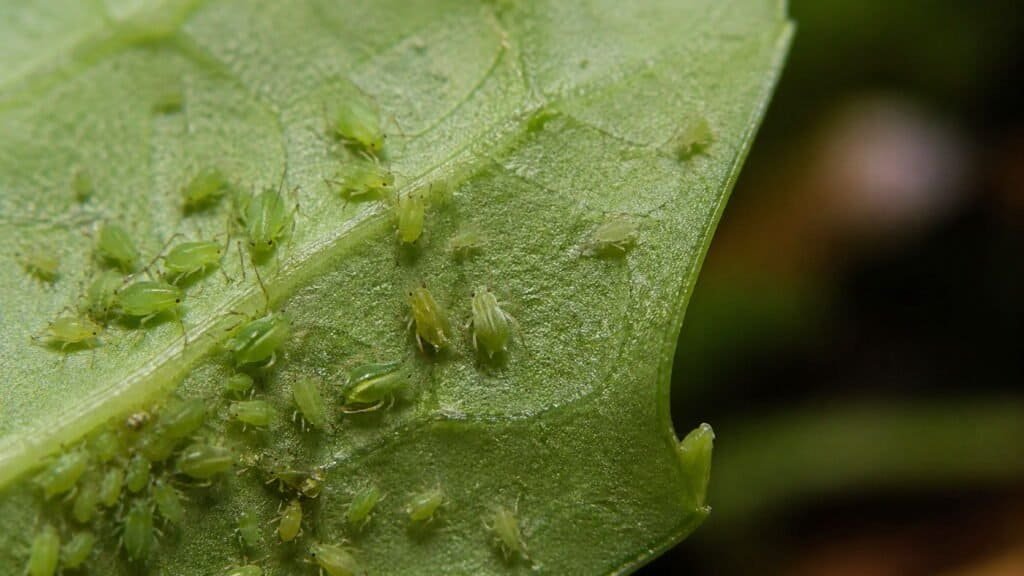
Tiny Light Green Bugs Identification Chart (With Key Differences)
Correct identification is crucial. Treating the wrong pest wastes time—and can make things worse.
Quick Comparison Table
| Pest Type | Size | Behavior | Where Found | Harm Level |
| Aphids | 1–3 mm | Cluster, slow-moving | Leaves & stems | High (plant damage) |
| Spider Mites | <1 mm | Tiny dots, webbing present | Underside of leaves | High |
| Leafhoppers | 3–5 mm | Jump or fly when disturbed | Outdoor plants | Moderate |
| Lacewing Larvae | 4–8 mm | Active hunters | Near infestations | Beneficial |
How to Tell Them Apart Quickly
- Clusters + sticky residue? → Likely aphids
- Fine webbing + specks? → Spider mites
- Jumping movement? → Leafhoppers
- Aggressive crawling predator? → Lacewing larvae (leave them alone!)
Important: Misidentifying beneficial insects like lacewing larvae can lead to accidentally removing natural pest control.
Top Causes of Tiny Light Green Bugs in Your Home or Garden
Understanding why tiny light green bugs appear is the first step to stopping them for good.
Overwatered Plants and Excess Humidity
Too much moisture creates the perfect environment for pests.
- Damp soil attracts insects
- Weak plants become easier targets
- Poor drainage accelerates infestations
Tip: Let the top inch of soil dry out before watering again.
Indoor Plants as Breeding Grounds
Houseplants are the #1 source of indoor infestations.
- New plants may already carry eggs
- Lack of natural predators indoors
- Stable temperatures allow year-round breeding
What most people get wrong: Bringing plants inside without inspecting them first.
Seasonal Infestations (Spring & Summer Spikes)
Warmer months trigger rapid reproduction.
- Aphids multiply extremely fast in warm weather
- Outdoor bugs find their way inside
- Open windows increase exposure
Easy Entry Points You Might Overlook
Tiny light green bugs don’t need much space to get inside.
- Window gaps and door seals
- Soil from outdoor plants
- Fresh produce brought into the home
Why This Matters More in Small Homes & Tiny Houses
In compact living spaces, infestations escalate quickly.
- Plants are closer together
- Air circulation may be limited
- Bugs spread faster from one surface to another
Bottom line: A small problem can turn into a full infestation much faster in a tiny home than in a larger house.
Are Tiny Light Green Bugs Harmful? (What You Need to Know Immediately)
Seeing tiny light green bugs can feel alarming, but not all of them pose the same level of risk. The real concern depends on how many there are and what type you’re dealing with.
Risks to Plants (The Biggest Problem)
Most tiny light green bugs—especially aphids and mites—feed by sucking sap from plants.
- Leaves turn yellow, curl, or wilt
- Growth slows or stops entirely
- Plants become vulnerable to disease
Key insight: A small cluster can turn into hundreds within days, especially in warm indoor environments.
Are They Dangerous to Humans or Pets?
Good news—most tiny light green bugs are harmless to people and pets.
- They don’t bite or sting
- They don’t spread disease to humans
- They’re more of a nuisance than a health threat
The exception? Large infestations can affect air quality slightly or attract other pests, which may become a secondary issue.
When an Infestation Becomes Serious
A few bugs aren’t a crisis. A growing population is.
Watch for:
- Multiple plants affected at once
- Bugs spreading to walls, windows, or furniture
- Sticky residue appearing beyond plant surfaces
Bottom line: If you’re seeing them in more than one area, it’s time to act fast.
Warning Signs You Have a Tiny Light Green Bug Infestation
Tiny light green bugs are easy to overlook—until the damage becomes obvious. Catching the early signs can save your plants (and your sanity).
Sticky Residue (Honeydew)
One of the most telling signs.
- Leaves feel tacky or shiny
- Surfaces under plants become sticky
- Often attracts ants
Important: Ants farming aphids is a real thing. If you see ants indoors, check your plants immediately.
Yellowing or Curling Leaves
Plants often show stress before you notice bugs.
- Leaves curl inward or downward
- Yellow spots spread across the surface
- New growth looks distorted
Clusters of Tiny Green Bugs
Check these common hiding spots:
- Underside of leaves
- Along stems and new growth
- Near plant joints
Use your phone flashlight if needed—they blend in extremely well.
Sudden Increase in Flying or Crawling Insects
Some species develop wings when populations grow.
- Small bugs near windows or lights
- Movement when plants are disturbed
Quick Infestation Checklist
- Sticky residue on leaves or nearby surfaces
- Visible clusters of tiny green bugs
- Declining plant health
- Presence of ants indoors
If you checked even two of these, you’re likely dealing with an active infestation.
How to Get Rid of Tiny Light Green Bugs Fast (Step-by-Step)
Getting rid of tiny light green bugs doesn’t require complicated tools—but it does require speed and consistency.
Step 1: Isolate Affected Plants Immediately
Move infested plants away from healthy ones.
- Prevents bugs from spreading
- Makes treatment more effective
Tiny home tip: Even a few feet of separation helps in compact spaces.
Step 2: Rinse Bugs Off With Water
A strong stream of water can remove a large portion instantly.
- Focus on undersides of leaves
- Repeat every 2–3 days
This is one of the fastest and safest first actions.
Step 3: Apply Natural Treatments
Start with gentle, plant-safe options.
Best natural solutions:
- Neem oil spray (kills and prevents)
- Insecticidal soap
- Diluted dish soap (DIY option)
Simple DIY spray:
- 1 quart water
- 1 teaspoon mild dish soap
- Spray directly on bugs (avoid soaking roots)
Step 4: Use Targeted Treatments if Needed
If the infestation persists:
- Use store-bought insecticidal sprays
- Apply according to label instructions
- Treat all nearby plants—not just the infected one
Step 5: Clean the Surrounding Area
Don’t skip this step.
- Wipe down windowsills, shelves, and pots
- Remove fallen leaves and debris
- Clean sticky residue to prevent reinfestation
Indoor vs. Outdoor Treatment Differences
| Situation | Best Approach |
| Indoor plants | Gentle sprays + isolation |
| Outdoor garden | Stronger sprays + natural predators |
| Tiny homes | Frequent inspection + minimal moisture |
What Works Fastest?
- Immediate rinse + neem oil combo
- Consistent reapplication every few days
- Early intervention before population explodes
Best Natural Remedies for Tiny Light Green Bugs (Safe & Effective)
Natural treatments work surprisingly well against tiny light green bugs—especially when applied early and consistently. They’re also ideal for indoor plants and small living spaces, where harsh chemicals aren’t practical.
Neem Oil: The Go-To Solution
Neem oil disrupts the life cycle of many pests.
- Kills bugs on contact
- Prevents eggs from hatching
- Safe for most houseplants when diluted
How to use it:
- Mix according to label directions
- Spray leaves (top and underside) every 5–7 days
- Apply in the evening to avoid leaf burn
Insecticidal Soap (Store-Bought or DIY)
This works by breaking down the bug’s outer layer.
DIY version:
- 1 quart water
- 1 teaspoon mild liquid dish soap
Spray directly on affected areas and rinse after a few hours if needed.
Best for: Aphids, mites, and soft-bodied insects
Vinegar Sprays: Helpful but Limited
Vinegar can repel bugs, but it must be used carefully.
- Mix 1 part vinegar with 3 parts water
- Avoid spraying directly on delicate leaves
Reality check: Vinegar is better as a deterrent than a full solution.
Introduce Beneficial Insects (Outdoor Option)
Nature can do the work for you.
- Ladybugs eat aphids rapidly
- Lacewings target multiple pest types
Important: This works best in outdoor gardens—not inside your home.
Quick Natural Remedy Comparison
| Remedy | Effectiveness | Best Use Case | Safe Indoors |
| Neem Oil | High | Ongoing control | Yes |
| Insecticidal Soap | High | Active infestations | Yes |
| Vinegar Spray | Moderate | Prevention/repellent | Limited |
| Beneficial Bugs | High | Outdoor ecosystems | No |
Pro tip: Consistency beats strength. Reapply treatments regularly instead of overusing strong solutions once.
Tiny Light Green Bugs on Indoor Plants: Complete Care Guide
Indoor plants are the most common source of tiny light green bugs—especially in apartments, small homes, and tiny houses where conditions stay stable year-round.
Why Houseplants Attract These Bugs
Indoor environments create ideal breeding conditions:
- No natural predators
- Consistent warmth
- Limited airflow
- Occasional overwatering
What most people overlook: Even one infested plant can spread bugs to your entire indoor collection.
Smart Plant Care to Prevent Infestations
Healthy plants are far less attractive to pests.
- Water only when soil is partially dry
- Ensure pots have proper drainage
- Rotate plants for even light exposure
- Keep leaves clean and dust-free
Soil Treatment and Repotting Strategies
Sometimes the problem starts below the surface.
- Replace contaminated soil
- Wash roots gently before repotting
- Use fresh, high-quality potting mix
If bugs keep coming back, repotting is often the fastest reset.
Best Practices for Small Spaces & Tiny Homes
Compact living requires extra vigilance.
- Space plants apart to limit spread
- Avoid overcrowding near windows
- Use small fans to improve airflow
- Inspect plants weekly (takes less than 2 minutes)
Key takeaway: In a tiny home, prevention isn’t optional—it’s essential.
Tiny Light Green Bugs vs. Similar Pests (Don’t Confuse These!)
Not all small bugs are the same, and treating the wrong one can waste time and damage your plants.
Aphids vs. Spider Mites vs. Thrips
| Pest | Appearance | Behavior | Damage Type |
| Aphids | Pear-shaped, light green | Cluster in groups | Sticky residue, leaf curl |
| Spider Mites | Tiny dots, hard to see | Create fine webbing | Speckled, dry leaves |
| Thrips | Slender, darker tones | Fast-moving, hard to catch | Silvery streaks on leaves |
Key Differences You Shouldn’t Ignore
- Sticky leaves? → Aphids
- Webbing present? → Spider mites
- Silvery or streaky damage? → Thrips
Each pest requires slightly different treatment, so accurate identification saves time and effort.
Why Correct Identification Matters
- Prevents overuse of pesticides
- Helps you choose the most effective solution
- Protects beneficial insects when present
Expert insight: Many homeowners assume all tiny bugs are aphids—this leads to incomplete treatment and recurring infestations.
Preventing Tiny Light Green Bugs Long-Term (Expert Checklist)
Once you’ve cleared an infestation, prevention becomes your best defense. Tiny light green bugs thrive on routine neglect, so small habits make a big difference.
Daily and Weekly Prevention Habits
- Check plant leaves (especially undersides) once a week
- Remove dead leaves and debris immediately
- Wipe leaves with a damp cloth to keep them clean
- Avoid placing plants too close together
Key insight: Regular inspection catches problems before they spread.
Watering and Drainage Done Right
Overwatering is one of the biggest triggers.
- Let the top inch of soil dry before watering
- Use pots with drainage holes
- Empty excess water from trays
Healthy roots = stronger plants that resist pests.
Keep Your Home Bug-Resistant
Tiny light green bugs often enter unnoticed.
- Seal gaps around windows and doors
- Use fine mesh screens
- Avoid leaving windows open near plants at night
Seasonal Prevention Strategy
- Spring: Inspect new growth frequently
- Summer: Increase airflow and monitor daily
- Fall/Winter: Reduce watering and watch indoor humidity
Quick Prevention Checklist
- Weekly plant inspection
- Controlled watering schedule
- Clean environment (no debris or residue)
- Proper spacing and airflow
Consistency is what keeps infestations from returning.
Common Mistakes That Make Tiny Light Green Bugs Worse
Even with good intentions, certain habits can make infestations harder to control.
Overusing Pesticides
More isn’t always better.
- Can damage plants
- Kills beneficial insects
- Leads to resistance over time
Ignoring Early Warning Signs
Waiting too long is the most common mistake.
- Small clusters turn into infestations fast
- Damage becomes harder to reverse
Bringing Infested Plants Indoors
New plants are a major source of bugs.
- Always inspect before bringing inside
- Quarantine new plants for a few days
Poor Airflow and Overcrowding
Still air creates ideal breeding conditions.
- Increases humidity
- Helps bugs spread faster
What most people get wrong: Treating the plant but ignoring the environment.
When to Call Pest Control (And What to Expect)
DIY methods work in most cases—but not always.
Signs It’s Time for Professional Help
- Bugs keep returning after multiple treatments
- Infestation spreads beyond plants
- You’re seeing bugs in multiple rooms
What Pest Control Services Typically Do
- Identify the exact pest species
- Apply targeted treatments
- Provide prevention recommendations
Cost Expectations
- Minor treatment: $75–$150
- Moderate infestation: $150–$300
- Ongoing service plans may cost more
Professional vs. DIY
| Approach | Pros | Cons |
| DIY | Affordable, immediate action | Requires consistency |
| Professional | Thorough, expert solutions | Higher cost |
Bottom line: If the problem keeps coming back, professional help can save time and frustration.
Tiny Light Green Bugs and Your Garden Ecosystem
Not all tiny light green bugs are purely “bad.” Some play a role in the ecosystem.
When They’re Harmful
- Large populations damage plants
- Spread plant diseases
- Attract other pests like ants
When They’re Actually Beneficial
Some insects that look similar are helpful.
- Lacewing larvae eat harmful pests
- Certain bugs support natural balance
Finding the Right Balance
- Avoid wiping out all insects
- Focus on controlling harmful populations
- Encourage beneficial species outdoors
Expert tip: A completely bug-free garden isn’t realistic—or even ideal.
FAQ: Tiny Light Green Bugs
What are tiny light green bugs on my plants?
They are usually aphids, spider mites, or similar sap-sucking insects that feed on plant juices and reproduce quickly.
How do I get rid of tiny green bugs naturally?
Use neem oil, insecticidal soap, or a strong water spray. Repeat treatments consistently every few days.
Why are there tiny green bugs in my house?
They typically come from indoor plants, open windows, or contaminated soil and thrive in warm, humid conditions.
Are tiny green bugs harmful to humans?
Most are harmless to people and pets, though they can damage plants and become a nuisance if populations grow.
What kills aphids instantly?
A strong water spray or insecticidal soap can kill aphids on contact, especially when applied directly.
Do tiny green bugs fly or jump?
Some species develop wings or can jump when disturbed, especially leafhoppers.
For more detailed guidance on managing indoor pests and maintaining healthy plants, you can explore resources from the University of California Agriculture & Natural Resources:
https://ipm.ucanr.edu/
Tiny light green bugs might start small, but they can quickly take over if ignored—especially in compact spaces like apartments and tiny homes. The good news is that with the right identification, quick action, and consistent prevention, you can keep your space and plants pest-free.
Take a few minutes today to inspect your plants, apply a simple treatment if needed, and set up a weekly routine. A little attention now can save you from a much bigger problem later.
