
A Canoe Bay tiny house offers a different way to experience small-space living: instead of buying a compact home and adjusting to everyday limitations, guests can step into a thoughtfully designed retreat surrounded by nature. Canoe Bay is known for its secluded Wisconsin setting, upscale accommodations, and emphasis on privacy, relaxation, and the outdoors.
This guide explores what makes the Canoe Bay tiny house experience distinctive, from its location and setting to its interior design, space planning, amenities, and practical lessons for anyone interested in tiny homes. You’ll also learn what to look for if you’re considering a similar tiny house stay or want to borrow some of its design ideas for your own small home.
In This Article
Canoe Bay Tiny House: What Makes This Tiny Home Retreat Special?
The appeal of a Canoe Bay tiny house goes beyond having fewer square feet. The experience combines compact living, privacy, nature, and thoughtful design in a way that feels more like a private retreat than a conventional hotel room.
Canoe Bay is a destination in northern Wisconsin where the surroundings are an important part of the accommodation experience. Forest, water, quiet outdoor spaces, and carefully positioned buildings help create the feeling of getting away from everyday life.
That combination is particularly interesting for tiny house enthusiasts. A well-designed tiny home isn’t simply a small building packed with furniture. It should make the available space feel intentional, comfortable, and connected to its surroundings.
A Tiny House Experience Without the Commitment
One of the biggest advantages for tiny house enthusiasts is the opportunity to experience compact living without purchasing a tiny home.
Living in a small space for a few nights can reveal things that photographs and floor plans don’t always show. You can discover how much storage you actually need, whether you enjoy a compact kitchen, how privacy feels in a small bedroom, and how important outdoor space becomes.
Think of the stay as a real-world tiny house test drive.
Someone considering downsizing can pay attention to everyday details such as where luggage goes, how easily two people move around the room, whether the bathroom feels comfortable, and how much of the living experience happens outdoors.
Nature Is Part of the Design
Canoe Bay’s natural setting is not simply scenery outside the windows. It plays a major role in how the accommodations feel.
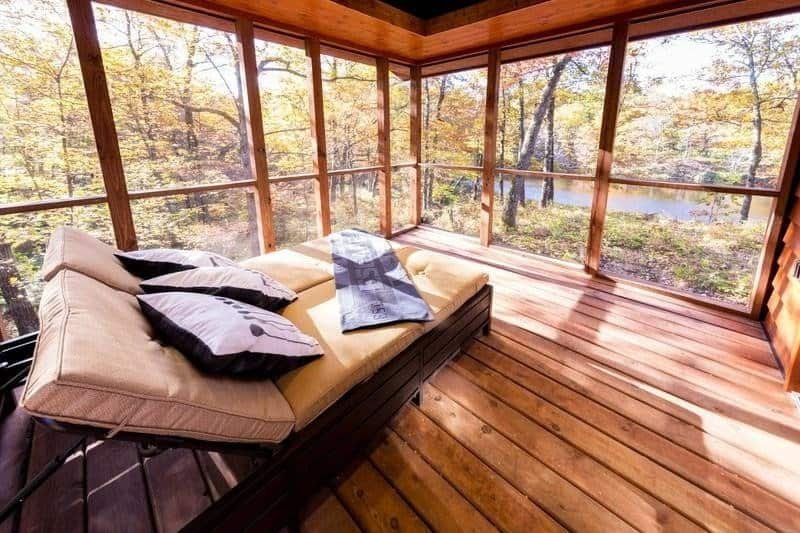
Large windows, views, outdoor spaces, and a secluded environment can make a relatively compact interior feel considerably more spacious. Instead of trying to create a huge indoor living area, the design can encourage guests to experience the surrounding landscape as an extension of the room.
This is an important tiny house lesson. Good small-home design often depends as much on what happens outside the walls as what happens inside them.
Who Is the Canoe Bay Tiny House Experience Best For?
This type of accommodation can appeal to several different groups:
- Tiny house enthusiasts who want to experience compact living
- Couples looking for a quiet and private getaway
- Travelers who enjoy forests, lakes, and outdoor scenery
- People researching tiny homes before buying or building
- Minimalist-design enthusiasts
- Guests who prefer secluded accommodations over busy hotels
- Homeowners looking for inspiration for a cabin or vacation rental
It may be less appealing to travelers who need lots of indoor space, extensive shopping nearby, or a highly active urban environment.
Where Is Canoe Bay and What Is the Setting Like?
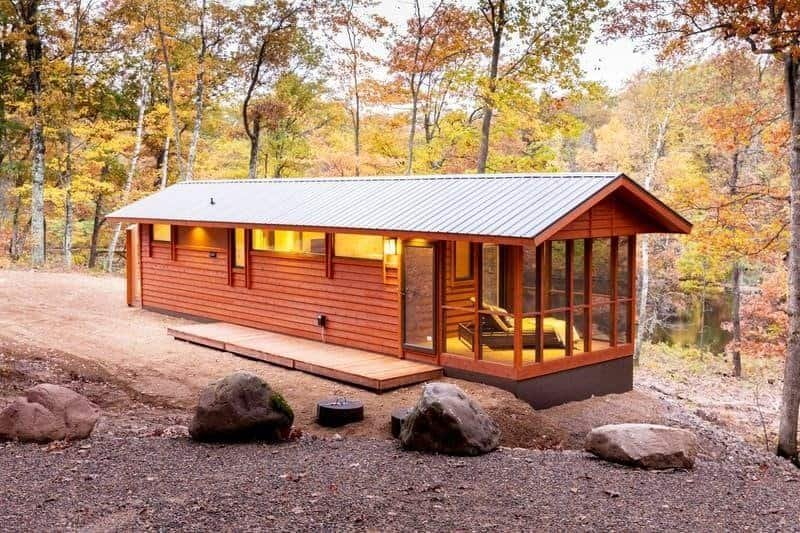
Canoe Bay is located in northern Wisconsin, in a heavily wooded environment that gives the property its secluded character. The setting is one of the major reasons the accommodations feel different from tiny homes located in suburban neighborhoods or urban areas.
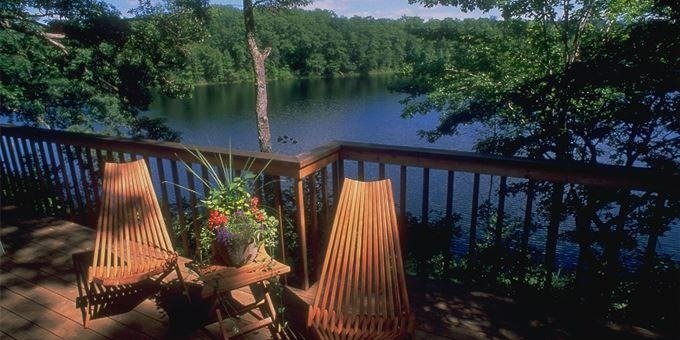
The surrounding landscape creates a slower pace. Rather than stepping outside into streets, parking lots, and neighboring buildings, guests can experience a much stronger connection with trees, water, wildlife, and open outdoor areas.
Why the Location Matters So Much
A tiny house can feel very different depending on where it is placed.
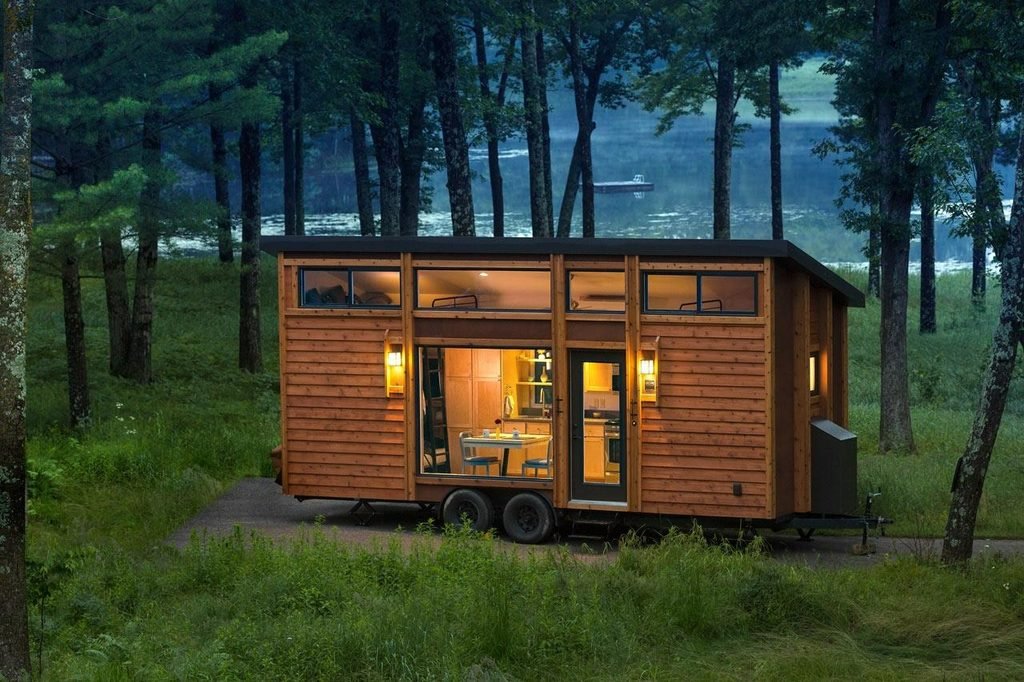
Put the same compact building between neighboring houses with limited outdoor space, and it may feel considerably smaller. Place it among trees with views of water and private outdoor areas, and the experience can become much more expansive.
Canoe Bay demonstrates this principle particularly well.
The surrounding environment gives guests opportunities to spend time outside, which reduces the pressure on the indoor living area to provide everything.
This is one of the smartest lessons for anyone planning a tiny house: don’t evaluate square footage separately from the property itself.
A 300- to 500-square-foot home with an attractive outdoor living area can sometimes feel more comfortable than a larger home on a cramped lot.
A Quiet Setting Changes the Experience
Noise is another factor that is easy to overlook when comparing tiny homes.
Compact walls and close quarters can make noise more noticeable when several people share a small home. A quiet, private location can make the same footprint feel much more relaxing.
The secluded setting also supports the type of lifestyle many people associate with tiny houses: fewer possessions, fewer distractions, more time outdoors, and a stronger connection with the surrounding environment.
What to Consider Before Visiting
Remote accommodations require a little more planning than a typical hotel stay.
Before traveling, consider:
- How you will reach the property
- Whether you need a car for the surrounding area
- What meals and supplies are available on-site
- How far the nearest town or major service is
- The weather during your planned visit
- What outdoor activities are available during the season
- Whether your preferred accommodation is available for your dates
Don’t assume that a beautiful remote location automatically means convenient access. The seclusion is part of the appeal, but it also means travelers should plan ahead.
Inside a Canoe Bay Tiny House: Design Features Worth Noticing
The interior of a Canoe Bay tiny house is worth examining from a design perspective because compact accommodations have to make every part of the room count.
The goal isn’t simply to squeeze conventional furniture into a smaller footprint. Good design starts by asking what guests actually need and then arranging those elements so the space remains comfortable.
A Compact Layout Built Around Comfort
The most successful tiny homes typically avoid unnecessary divisions.
Instead of creating several small rooms, designers can use furniture placement, ceiling height, windows, materials, and changes in function to define different areas.
A sleeping zone can feel separate from the sitting area without requiring a full wall. A dining surface can double as a workspace. Storage can be integrated into otherwise unused portions of the room.
Every square foot needs a job, but it doesn’t necessarily need only one job.
That distinction is important when studying the Canoe Bay tiny house style.
Sleeping Areas That Feel Private
Sleeping space can be one of the most difficult areas to design in a tiny home.
A bed takes up a substantial amount of floor area, yet it is usually used for only part of the day. Smart layouts therefore focus on making the sleeping area comfortable without allowing it to dominate the entire interior.
Privacy also matters, particularly for couples.
Thoughtful positioning, natural separation, lighting, and furniture placement can help create a more intimate bedroom experience without making the overall floor plan feel cramped.
Kitchen and Dining Considerations
Tiny house kitchens have to balance practicality with limited counter and storage space.
A good compact kitchen should provide enough room for the tasks guests actually perform while avoiding appliances and cabinetry that create unnecessary visual clutter.
Useful features to look for include:
- Efficient countertop layouts
- Compact appliances
- Accessible storage
- Multipurpose surfaces
- Convenient lighting
- Easy-to-clean finishes
- Clear walking paths
For a vacation tiny house, the requirements may differ from a full-time residence. Guests may not need the same amount of pantry storage as a permanent resident, for example.
That distinction can prevent overbuilding.
Bathroom Design in a Small Footprint
Bathrooms require especially careful planning because plumbing fixtures are relatively fixed in size.
A compact bathroom can still feel comfortable when the layout provides sufficient clearance around the toilet, sink, and shower.
Light colors, mirrors, good lighting, glass surfaces, and clean lines can also help prevent a small bathroom from feeling visually crowded.
Storage should be considered early rather than added as an afterthought.
A bathroom without a place for towels, toiletries, and cleaning supplies quickly becomes difficult to use, regardless of how attractive it looks.
Windows Can Make a Small Home Feel Larger
One of the most valuable design lessons from nature-focused tiny house retreats is the role of windows.
Large windows can provide three benefits at once:
- More natural light
- Stronger visual connection with the outdoors
- A greater sense of interior space
When a window frames trees, water, or another attractive landscape, the view becomes part of the visual composition of the room.
That can reduce the enclosed feeling often associated with small homes.
Materials and Atmosphere Matter
Tiny homes can become visually overwhelming when too many colors, patterns, furniture styles, or decorative objects compete for attention.
A restrained palette tends to work better.
Natural-looking materials, warm textures, simple furnishings, and carefully selected decorative elements can make a compact room feel more peaceful.
The key isn’t to make everything plain. It’s to make every visible element feel intentional.
That approach is especially useful for anyone trying to recreate a Canoe Bay-inspired atmosphere in a smaller cabin, backyard cottage, or vacation rental.
The Biggest Design Lesson
The most useful takeaway isn’t a particular sofa, countertop, or decoration.
It’s the way space, light, privacy, furniture, and the surrounding landscape work together.
A successful tiny house should not feel like a normal house that has been compressed. It should be designed specifically for its smaller footprint and the lifestyle of the people using it.
Canoe Bay provides an interesting example of how that philosophy can turn a compact accommodation into a destination rather than simply a place to sleep.
Why Canoe Bay Tiny House Feels Bigger Than Its Footprint
One reason the Canoe Bay tiny house concept is so appealing is that a compact interior does not necessarily feel cramped. The difference comes from how the space is planned and how strongly the interior connects with the landscape outside.
Tiny homes have very little room for wasted space. When every piece of furniture, opening, storage area, and pathway is deliberately positioned, the same number of square feet can feel dramatically more comfortable.
Use the View as Part of the Living Space
A common mistake in small-home design is focusing entirely on the interior floor area.
Windows can change that equation. A well-positioned window creates visual depth, giving the eye somewhere to travel beyond the walls.
At a nature-focused retreat, this effect can be particularly powerful. Trees, water, sky, and changing daylight become part of the experience without occupying any interior square footage.
You don’t need to build a bigger living room when the landscape can effectively become part of it.
Keep Furniture Proportional
Oversized furniture can make a tiny house feel crowded almost immediately.
A large sectional sofa might be comfortable in a conventional home, but it can restrict movement in a compact floor plan. Smaller seating, built-in benches, nesting tables, and multifunctional pieces often make better use of limited space.
Look for furniture that serves more than one purpose, such as:
- A dining table that doubles as a workspace
- A bench with hidden storage
- A bed with drawers underneath
- Folding or nesting tables
- Wall-mounted shelves instead of bulky cabinets
- Seating that can be moved when the floor needs to serve another purpose
The goal isn’t to own the smallest furniture possible. The goal is to choose furniture that matches how the space is actually used.
Make Storage Almost Invisible
Visible clutter has a disproportionate effect in a tiny home.
A few objects scattered across countertops can make an otherwise well-designed room feel messy. Integrated storage helps keep everyday belongings organized without adding visual weight.
Good storage locations include:
- Under beds
- Beneath benches
- Inside stairs
- Above eye level
- Along unused wall sections
- Under counters
- Inside built-in cabinetry
Canoe Bay-style design also demonstrates why quality over quantity matters. Rather than filling a small space with decorative items, select fewer pieces that contribute to comfort and atmosphere.
Let Outdoor Space Do Some of the Work
Outdoor living is one of the easiest ways to expand the usable experience of a tiny house.
A deck, patio, porch, fire area, or private seating spot can provide additional places to relax without requiring more interior construction.
This approach works especially well for vacation properties.
During pleasant weather, guests may naturally spend time outside reading, eating, drinking coffee, or enjoying the surrounding scenery. The interior then doesn’t have to function as the only living area.
For anyone designing a tiny home, think about the entire property rather than just the floor plan.
Canoe Bay Tiny House vs. a Traditional Tiny Home: What’s Different?
Staying in a Canoe Bay tiny house can give you a useful introduction to compact living, but it is important to recognize the difference between a tiny house vacation experience and full-time tiny house ownership.
A short stay is designed around comfort and relaxation. Permanent tiny-house living requires much more attention to storage, maintenance, utilities, regulations, weather, and everyday routines.
Vacation Tiny House vs. Full-Time Tiny House
| Feature | Canoe Bay-style retreat | Full-time tiny home |
| Main purpose | Relaxation and getaway | Everyday living |
| Storage needs | Limited guest belongings | Long-term personal possessions |
| Maintenance | Generally handled by property operator | Owner responsibility |
| Location | Established destination | Depends on owner’s property |
| Utilities | Prepared for guests | Owner must manage systems |
| Outdoor space | Part of the experience | Depends on the lot |
| Design priority | Comfort and hospitality | Long-term practicality |
| Legal requirements | Property-specific | Local zoning, building, and occupancy rules |
The distinction is important if you’re using a stay to decide whether tiny living is right for you.
What a Short Stay Can Teach You
A few nights in a compact home can reveal surprisingly useful information.
Pay attention to what you naturally use and what you don’t miss.
For example, you might discover that you prefer:
- Less furniture
- Open floor plans
- Large windows
- A compact kitchen
- More outdoor living space
- Minimal decoration
- Built-in storage
- A smaller bedroom with a comfortable bed
You may also discover the opposite.
Perhaps you need more closet space, dislike compact bathrooms, or find that two people require more separation than expected.
Those discoveries are valuable before spending money on a tiny home.
Ownership Adds Responsibilities
Living permanently in a tiny house introduces challenges that aren’t necessarily visible during a vacation.
Owners have to think about heating and cooling, moisture control, plumbing, electrical systems, roof maintenance, appliance replacement, insurance, waste management, and long-term durability.
Location becomes even more important.
A vacation property may already have the infrastructure needed to support the accommodation. Someone placing a tiny house on private land may need to arrange utilities, access, foundations, drainage, and other site requirements.
That is why a beautiful tiny-house rental should be treated as design inspiration, not automatically as a blueprint for permanent living.
Who Benefits Most From Trying Tiny Living First?
People who are seriously considering downsizing can gain a lot from spending time in a professionally designed compact home.
Try asking yourself:
- Can two people comfortably share this amount of space?
- Do I need a separate living room?
- How much kitchen counter space is enough?
- Would I be happy with limited closet storage?
- How much time would I realistically spend outdoors?
- Does a compact bathroom bother me?
- Would I prefer stairs, a loft, or a ground-floor bedroom?
- How important is privacy?
These questions are much easier to answer after experiencing a small space in person.
What Does a Stay at Canoe Bay Cost?
The cost of a Canoe Bay tiny house or other accommodation at the property depends on factors such as the type of accommodation, travel dates, season, length of stay, and availability.
Rather than focusing on one advertised nightly figure, travelers should look at the complete cost of the getaway.
What Can Affect the Price?
Several factors can change what you ultimately spend:
- Accommodation type
- Time of year
- Day of the week
- Length of the stay
- Availability during popular periods
- Included amenities
- Dining arrangements
- Transportation
- Optional activities or experiences
Peak seasons can be more expensive, particularly when demand for secluded nature getaways is high.
Traveling during a quieter period may provide a different experience while potentially offering better value, although availability and weather should always be considered.
Think Beyond the Nightly Rate
A common budgeting mistake is comparing only the room price.
A more realistic travel budget should account for the entire trip.
| Expense | What to consider |
| Accommodation | Nightly rate and number of nights |
| Transportation | Fuel, rental car, flights, or other travel |
| Food | Meals, drinks, and snacks |
| Activities | Outdoor recreation or optional experiences |
| Additional fees | Check the booking terms carefully |
| Seasonal costs | Rates can vary during high-demand periods |
This approach gives you a much clearer idea of whether the experience fits your budget.
Is a Tiny House Stay Worth the Money?
Value depends heavily on what you’re looking for.
Someone searching for the cheapest possible overnight accommodation probably won’t view a secluded luxury tiny-house retreat the same way as someone seeking privacy, nature, thoughtful design, and a memorable experience.
The better question is:
What are you paying for beyond the square footage?
With a destination such as Canoe Bay, part of the value comes from the setting, privacy, atmosphere, design, and overall experience.
Tiny-house travelers should also remember that small does not automatically mean inexpensive. A compact home in a desirable location can cost more than a much larger conventional property in a less specialized setting.
Ways to Plan a Better-Value Stay
If you’re flexible with dates, compare different travel periods before booking.
Consider these practical strategies:
- Check several dates instead of choosing the first available weekend
- Compare shorter and longer stays
- Look carefully at what the accommodation rate includes
- Calculate transportation before deciding on your budget
- Plan meals and activities in advance
- Book early when traveling during popular seasons
- Avoid assuming that the smallest accommodation is automatically the best value
A good tiny-house getaway should fit your overall travel budget, not just your accommodation budget.
What Can You Expect During a Canoe Bay Tiny House Stay?
Staying in a Canoe Bay tiny house is less about trying to fit a conventional lifestyle into a small building and more about slowing down and making the most of a carefully designed space.
The experience is centered around privacy, nature, comfort, and simplicity. That makes it particularly interesting for anyone curious about whether tiny living can feel relaxing rather than restrictive.
Expect a Slower Pace
One of the biggest differences between a secluded tiny-house retreat and a typical hotel is the atmosphere.
There are fewer distractions, less traffic, and more opportunities to spend time outdoors. Instead of treating the accommodation as simply somewhere to sleep, the space becomes part of the getaway.
A morning coffee beside a window, an afternoon spent outdoors, or a quiet evening inside can become the main activity.
Tiny living works particularly well when the lifestyle doesn’t require constant access to more stuff.
Privacy Is Part of the Appeal
Privacy can make a compact space feel considerably more comfortable.
When you’re not surrounded by busy hallways, neighboring rooms, or crowded common areas, you can use a smaller living area without feeling that you’re giving up personal space.
This is particularly valuable for couples.
A thoughtfully positioned tiny house can provide an intimate environment while still giving each person opportunities to relax, read, enjoy the view, or spend time outside.
Outdoor Recreation Changes the Way You Use the Home
A nature-focused destination gives guests another important advantage: the tiny house doesn’t have to provide every form of entertainment.
Outdoor surroundings can become part of the daily routine.
Depending on the season and available activities, guests may spend time walking, enjoying the water, observing wildlife, relaxing outdoors, or simply taking in the scenery.
That is an important lesson for tiny-house owners.
A small home becomes much easier to live in when the property gives you somewhere else to go.
What Kind of Traveler Will Enjoy It Most?
A Canoe Bay-style experience is likely to appeal most to people who enjoy:
- Quiet surroundings
- Nature and outdoor scenery
- Minimalist interiors
- Private accommodations
- Slow travel
- Romantic getaways
- Thoughtful architecture and design
- Experiencing tiny living without buying a home
Travelers looking for nightlife, extensive shopping, large indoor entertainment areas, or a highly urban environment may prefer a different type of destination.
Best Times to Experience Canoe Bay Tiny House
There isn’t one universally best season for a Canoe Bay tiny house stay. Each part of the year changes the atmosphere, scenery, and activities.
Wisconsin’s seasonal variation also means that the same accommodation can feel completely different depending on when you visit.
Spring: Fresh Scenery and a Quieter Atmosphere
Spring brings a transition from winter toward warmer weather.
Trees and vegetation begin changing, outdoor conditions become more inviting, and the landscape takes on a fresh appearance.
Spring can be appealing if you want to experience the property without the feeling of peak summer travel.
Weather can be unpredictable, though, so flexible plans are useful.
Summer: The Classic Outdoor Experience
Summer is naturally attractive for travelers who want to spend significant time outside.
Longer daylight hours make it easier to combine a tiny-house stay with outdoor activities. Water, walking trails, outdoor seating, and the surrounding landscape can become major parts of the trip.
The tradeoff is demand.
Popular summer dates may require more advance planning, particularly if you have specific accommodation preferences.
Fall: One of the Most Atmospheric Seasons
Fall can be particularly appealing for anyone who loves the cozy side of tiny living.
Wisconsin’s changing foliage can create a dramatic backdrop, while cooler temperatures encourage more time indoors.
This is where compact design can really shine.
Warm lighting, natural materials, comfortable seating, and views through large windows can make a small space feel exceptionally inviting.
Winter: A Completely Different Tiny-House Experience
Winter changes the character of a nature retreat.
Snow-covered scenery can make the surroundings feel quieter and more secluded. Cold weather also puts greater emphasis on the interior environment, making heating, insulation, comfortable bedding, and efficient use of indoor space more important.
Anyone considering a winter visit should prepare for changing weather and road conditions.
How to Choose Your Season
Think about the experience you actually want rather than simply selecting the warmest months.
| If you want… | Consider… |
| Outdoor activities | Summer |
| Fresh landscape | Spring |
| Fall scenery and cozy interiors | Fall |
| Snow and deep seclusion | Winter |
| Potentially quieter travel | Shoulder seasons |
The best season is the one that matches your preferred style of tiny-house living.
Is Canoe Bay Tiny House a Good Inspiration for Your Own Tiny Home?
A Canoe Bay tiny house can provide useful inspiration even if you have no plans to copy the accommodation itself.
The most valuable ideas are not specific decorations. They’re principles that can be adapted to different budgets, floor plans, and climates.
Create Privacy Without Closing Off the Floor Plan
Privacy is difficult in a tiny house because walls consume valuable space.
Instead of automatically adding partitions, consider softer ways to define areas.
Furniture placement, ceiling changes, partial walls, curtains, built-in shelving, and changes in lighting can separate spaces without creating a maze of tiny rooms.
This works especially well when the home is occupied by two people.
Bring Nature Into the Interior
You don’t need a forest property to use this principle.
Even a tiny home in a suburban setting can benefit from:
- Large strategically placed windows
- Glass doors leading to a deck
- Natural materials
- Indoor plants
- Outdoor seating
- Views toward a garden
- Skylights where appropriate
- Consistent indoor-outdoor materials
The objective is to create visual continuity between the home and its surroundings.
Choose Warm Materials Without Overdecorating
Tiny interiors can become cluttered quickly.
Rather than filling every empty wall, choose a small number of elements that create warmth and personality.
Wood textures, woven materials, simple artwork, comfortable textiles, and warm lighting can add character without consuming much floor space.
A restrained palette also makes it easier for the eye to move around the room.
Design Around Relaxation
Not every tiny house needs to be designed primarily around maximum storage or productivity.
A vacation-inspired home might prioritize a comfortable reading chair, a good view, a compact dining area, and an inviting outdoor connection.
Full-time homeowners may have different priorities.
Someone working remotely, raising children, or living year-round in a tiny house may need more workspace, storage, and functional separation.
Start with your lifestyle, then design the tiny house around it.
Features Worth Borrowing
If you’re planning your own tiny home, consider incorporating ideas such as:
- Large windows facing the best available view
- Built-in furniture
- Hidden storage
- Compact but comfortable bathrooms
- Multifunctional dining/work surfaces
- Efficient lighting
- Direct outdoor access
- Simple natural finishes
- Flexible furniture arrangements
The strongest design doesn’t necessarily have the most features. It has the right features in the right places.
Could a Canoe Bay-Style Tiny House Work as a Rental?
The popularity of destination tiny homes has made compact accommodations an interesting option for vacation-rental owners.
A Canoe Bay-inspired tiny house rental can be especially attractive when the building is combined with an appealing location and a well-planned guest experience.
The building itself, however, is only one part of the equation.
Location Can Matter More Than Square Footage
A beautifully designed tiny house in an undesirable location can struggle to attract guests.
A simple tiny home with privacy, scenery, outdoor space, and convenient access to desirable activities may be much more appealing.
Potential rental locations could include areas near:
- Lakes
- Forests
- Hiking destinations
- Beaches
- Mountain areas
- Wine regions
- Tourist towns
- Scenic rural communities
The property should give guests a reason to leave their normal routine behind.
Give Guests More Than a Small Building
Successful tiny-house rentals generally need to provide an experience rather than simply four walls and a bed.
Useful features might include:
- Comfortable outdoor seating
- A private deck or patio
- Good lighting
- Reliable heating and cooling
- High-quality bedding
- Efficient kitchen facilities
- Convenient bathroom storage
- Fast internet when appropriate
- Easy parking and access
- Clear guest instructions
The best features depend on the target guest.
A romantic weekend rental may prioritize privacy and atmosphere, while a remote-work tiny house may need a proper desk and reliable connectivity.
Don’t Forget Maintenance
Rental owners need to think beyond the initial construction.
A small property can still experience heavy wear when guests use it frequently.
Plan for:
- Cleaning between guests
- Plumbing maintenance
- Appliance repairs
- HVAC servicing
- Pest prevention
- Exterior maintenance
- Deck and outdoor furniture upkeep
- Linens and consumable supplies
- Waste management
Tiny homes can be efficient, but they aren’t maintenance-free.
Check Local Rules Before Building
Short-term rental regulations can vary significantly by location.
Before purchasing land or developing a tiny-house rental, investigate local zoning, building requirements, occupancy rules, septic or sewer requirements, parking, fire safety, and short-term rental regulations.
Rules can change from one municipality to another, so never assume that permission in one location applies somewhere else.
For U.S. projects, the U.S. Department of Housing and Urban Development provides useful housing and building-related information through its official website, which can serve as a starting point for understanding broader housing requirements: U.S. Department of Housing and Urban Development
Always confirm the specific requirements with the local authority having jurisdiction before committing money to a tiny-house rental project.
The Biggest Lesson for Potential Rental Owners
The Canoe Bay model highlights an important point: people don’t necessarily book a tiny house because it is tiny.
They book because the combination of design, location, privacy, comfort, and experience offers something they cannot easily get from an ordinary hotel.
That is the real opportunity for anyone considering a tiny-house vacation rental.
Build the experience first. Let the small footprint support it rather than becoming the entire selling point.
Pros and Cons of the Canoe Bay Tiny House Experience
The Canoe Bay tiny house experience has plenty of appeal, particularly for travelers who enjoy privacy, nature, and thoughtfully designed small spaces. Still, it isn’t the perfect choice for everyone.
Understanding both the advantages and limitations can help you decide whether this type of getaway matches your expectations.
The Pros
Secluded natural setting: The surrounding landscape creates a peaceful environment that is difficult to reproduce in a conventional hotel.
Thoughtful small-space design: Compact accommodations demonstrate how smart layouts, natural light, furniture selection, and storage can make limited square footage comfortable.
Strong indoor-outdoor connection: Views and outdoor areas can make the accommodation feel larger than its actual footprint.
Privacy: Guests looking for a quiet escape can benefit from an environment designed around relaxation rather than busy communal spaces.
Useful tiny-house inspiration: Anyone considering a tiny home can experience compact living firsthand before making a major financial commitment.
Memorable experience: The combination of architecture and natural surroundings makes the stay about more than simply having somewhere to sleep.
The Cons
Potentially higher accommodation costs: A specialized retreat can cost considerably more than basic lodging, particularly during desirable travel periods.
Remote location: Seclusion is attractive, but it can also mean longer travel times and fewer conveniences immediately outside the property.
Limited indoor space: Travelers accustomed to large hotel rooms or full-size vacation homes may find compact accommodations restrictive.
Seasonal differences: Weather can significantly affect the experience, especially when outdoor activities are an important part of the trip.
Not the same as full-time tiny living: A vacation stay doesn’t reproduce all the responsibilities of owning and maintaining a tiny home year-round.
The most important takeaway is simple: small doesn’t automatically mean better or cheaper. The value comes from how effectively the space, location, and experience work together.
Who Should Consider a Canoe Bay Tiny House Stay?
A Canoe Bay tiny house stay can be particularly useful for people who want to experience a slower, more intentional style of travel.
It can also be valuable for anyone who is curious about tiny-house living but isn’t ready to make a permanent commitment.
Tiny House Enthusiasts
If you’re already interested in tiny homes, spending time in a professionally designed compact accommodation can provide practical inspiration.
Pay attention to details that photographs don’t reveal.
Notice how much storage you actually use, how furniture affects movement, where you naturally spend your time, and whether the compact bathroom and kitchen meet your expectations.
These observations can help when you’re eventually comparing tiny house floor plans.
People Considering Downsizing
A tiny-house stay can function as a low-risk experiment for someone considering a smaller home.
Instead of asking whether you like the idea of tiny living, you can ask more useful questions after experiencing it:
- Did I have enough storage?
- Did the kitchen work for my habits?
- Was the bathroom comfortable?
- Did I miss having separate rooms?
- Did outdoor space compensate for limited indoor space?
- Would I be comfortable living this way every day?
Those answers can reveal whether downsizing genuinely suits your lifestyle.
Couples Seeking a Private Getaway
Couples are another natural audience for this type of retreat.
Compact accommodations can create a cozy atmosphere, while privacy and access to nature provide opportunities to disconnect from everyday routines.
The important consideration is whether both people are comfortable sharing a smaller footprint.
Tiny living can strengthen the feeling of togetherness, but it also makes differences in personal-space preferences more noticeable.
Nature Lovers
Travelers who would rather wake up surrounded by trees than buildings may find the setting particularly appealing.
The tiny house becomes a comfortable base for experiencing the outdoors rather than the main attraction by itself.
That relationship between the building and landscape is one of the strongest characteristics to look for when evaluating similar tiny-house destinations.
Who Might Prefer Something Else?
A tiny-house retreat may not be ideal if you need:
- Lots of indoor living space
- Extensive storage
- Separate bedrooms and living areas
- Urban entertainment nearby
- Minimal outdoor exposure
- A large kitchen for elaborate cooking
- A conventional hotel-style environment
Knowing what doesn’t suit you is just as useful as identifying what you love.
Canoe Bay Tiny House FAQs
Is Canoe Bay a tiny house community?
Canoe Bay is better understood as a private nature-focused hospitality destination with compact and cabin-style accommodations rather than a conventional permanent tiny house community where residents own individual tiny homes.
Where is Canoe Bay located?
Canoe Bay is located in northern Wisconsin and is known for its wooded, secluded environment. The natural surroundings are a major part of the experience.
Can you stay in a tiny house at Canoe Bay?
Canoe Bay offers distinctive compact and private accommodations designed for a secluded getaway. Travelers should check the property’s current accommodation options and availability because offerings can change.
How much does a Canoe Bay tiny house stay cost?
There isn’t one universal price for every stay. Accommodation type, dates, season, availability, and length of stay can affect the total. Travelers should check current rates and calculate transportation, meals, and other trip expenses as part of the overall budget.
Is Canoe Bay suitable for someone interested in tiny house living?
Yes. It can be a useful way to experience compact living before buying or building a tiny home. Pay close attention to storage, kitchen space, bathroom comfort, privacy, furniture, and how much you rely on outdoor areas.
What can you learn from Canoe Bay’s tiny house design?
The biggest lessons involve thoughtful space planning, natural light, privacy, comfortable furniture, integrated storage, and creating a strong connection between the interior and outdoor environment.
Is a Canoe Bay-style tiny house practical for full-time living?
Some design ideas can work very well in a permanent tiny home, but a vacation accommodation isn’t automatically suitable for year-round living. Full-time residents need to consider storage, utilities, heating and cooling, maintenance, accessibility, local regulations, and their everyday routines.
Can I build a tiny house inspired by Canoe Bay?
You can use the general design principles as inspiration, but your own project should be designed around its specific location, climate, budget, lifestyle, and legal requirements. Copying an accommodation’s appearance doesn’t guarantee that the resulting home will work well on your property.
Is a tiny house vacation rental a good investment?
It can be, but profitability depends heavily on location, acquisition and construction costs, occupancy, nightly rates, maintenance, insurance, taxes, management expenses, and local short-term rental regulations. A beautiful tiny house alone does not guarantee strong rental performance.
What Canoe Bay Tiny House Teaches Us About Small-Space Living
The biggest lesson from the Canoe Bay tiny house experience is that successful tiny living isn’t simply about reducing square footage.
It’s about making the available space work harder while creating an environment that feels comfortable, private, and connected to nature.
Thoughtful windows can make a room feel larger. Built-in storage can reduce clutter. Multifunctional furniture can eliminate unnecessary furniture. Outdoor living areas can effectively expand the usable space without expanding the building.
Location matters just as much.
A tiny home surrounded by attractive scenery can provide an entirely different experience from the same-sized home squeezed onto a busy lot. The landscape, privacy, outdoor areas, and relationship between the building and its surroundings all contribute to how spacious the home feels.
For people considering tiny living, that makes Canoe Bay particularly interesting as a source of inspiration.
Don’t focus only on how many square feet you can eliminate. Focus on how much comfort, functionality, privacy, and enjoyment you can create within the space you keep.
If you’re thinking about building, buying, or renting a tiny home, use the Canoe Bay approach as a starting point: study the layout, think carefully about indoor-outdoor living, prioritize the features you genuinely use, and choose a location that adds value to the small footprint. Then compare those ideas with your own lifestyle, budget, and local requirements before making the next move.
