
Spotting a tiny orange spider in house can be unsettling—especially when you’re not sure what it is or whether it’s dangerous. In small homes, apartments, and tiny houses, even a minor pest issue can feel magnified fast.
This guide breaks everything down clearly: what these tiny orange spiders actually are, why they show up, whether they pose a risk, and most importantly—how to get rid of them quickly and prevent them from coming back. Expect practical steps, real-world insights, and simple solutions that work in compact living spaces.
In This Article
What Is a Tiny Orange Spider in House?
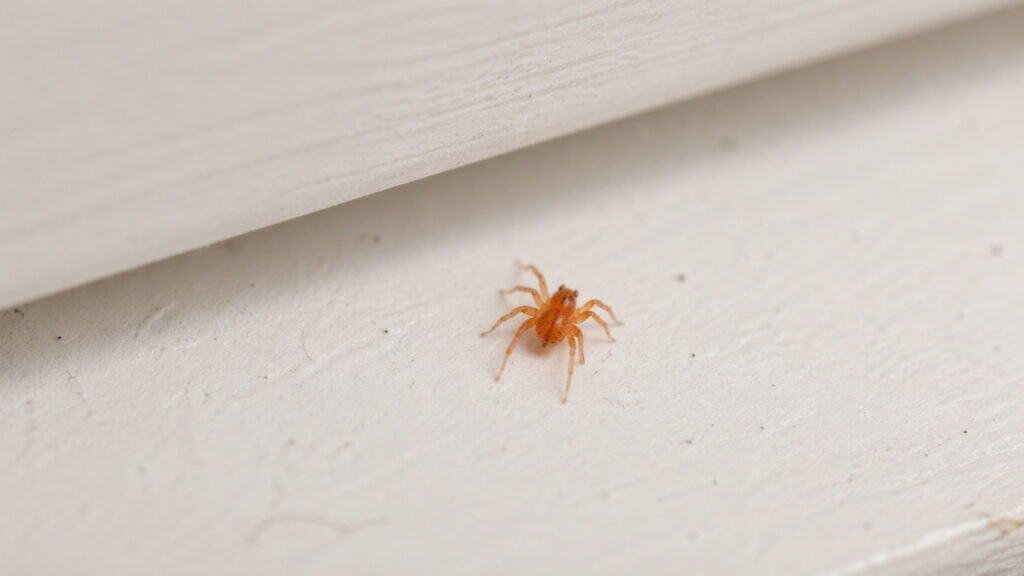
Most of the time, a tiny orange spider in house isn’t a true spider at all.
Here’s the quick breakdown:
- Many are actually spider mites (plant pests that look like tiny orange dots)
- Some may be young spiders (spiderlings) that haven’t developed full coloring yet
- A few could be yellow/orange sac spiders, which occasionally wander indoors
- They’re usually harmless, but can become a nuisance if they multiply
Common Types of Tiny Orange Spiders You Might See Indoors
Correct identification makes all the difference. Misidentifying the pest often leads to ineffective treatments.
Spider Mites (Most Common Culprit)
- Extremely small (often look like dust or tiny dots)
- Orange, red, or yellow in color
- Found on houseplants, windowsills, or near sunlight
- Leave behind fine webbing on leaves
Real-world tip: In tiny homes with indoor plants, spider mites spread quickly due to limited airflow.
Sac Spiders (Yellow/Orange Variants)
- Slightly larger than mites
- Pale yellow to light orange color
- Move quickly and don’t build visible webs
- Occasionally bite, but rarely dangerous
Orb-Weaver Spiderlings
- Baby spiders that hatch in clusters
- Can appear orange or translucent
- Usually temporary—they disperse within days
Clover Mites vs Tiny Orange Spiders (Key Differences)
| Feature | Clover Mites | Tiny Orange Spiders |
| Movement | Slow crawling | Faster, more erratic |
| Habitat | Windows, walls | Plants, ceilings, corners |
| Color | Bright red/orange | Pale orange to yellow |
| Risk | Harmless | Mostly harmless |
Important: Clover mites are often mistaken for spiders, but they don’t bite or infest homes.
Why Do Tiny Orange Spiders Appear in Your House? (Top Causes)
Seeing a tiny orange spider in house usually points to a specific environmental trigger—not randomness.
Seasonal Changes and Weather Shifts
Spiders and mites move indoors when temperatures fluctuate.
- Fall → seeking warmth
- Spring → increased reproduction
- Rain → forced indoors
Indoor Plants (The Hidden Source Most People Miss)
Houseplants are one of the biggest attractors.
- Overwatered plants create ideal breeding conditions
- Spider mites thrive on plant sap
- Infested plants often introduce the problem
Watch for: yellowing leaves, tiny webs, speckled damage.
Warmth, Light, and Humidity
Tiny orange spiders gravitate toward:
- Sunlit windows
- Warm indoor corners
- Humid environments (bathrooms, kitchens)
This is especially common in tiny homes, where temperature and humidity fluctuate faster.
Easy Entry Points You Might Overlook
Even the cleanest homes aren’t sealed perfectly.
- Cracks around windows and doors
- Wall gaps and vents
- Poorly sealed utility lines
Small pests need very little space to get inside.
Nearby Outdoor Vegetation
If your home sits near:
- Gardens
- Grass lawns
- Bushes or trees
…you’re more likely to see these pests indoors, especially during seasonal transitions.
Are Tiny Orange Spiders Dangerous? (What You Need to Know)
Finding a tiny orange spider in house can trigger concern, but most cases are far less serious than they seem.
Bites: Should You Be Worried?
- Spider mites: don’t bite humans at all
- Spiderlings: too small to break skin
- Sac spiders: can bite, but it’s uncommon and usually mild
Typical symptoms (if a bite occurs):
- Minor redness
- Slight itching or irritation
- Rarely mild swelling
Risk Level for Kids and Pets
- Generally low risk across the board
- Curious pets might interact with them, but harm is unlikely
- Sensitive skin (especially in children) may react more noticeably
When It’s Worth Paying Attention
Even harmless pests can signal a bigger issue.
- Large numbers appearing suddenly
- Persistent presence around beds or furniture
- Plant damage spreading quickly
Bottom line:
One or two tiny orange spiders = no big deal
Dozens or recurring sightings = time to act
Warning Signs You Have an Infestation (Not Just One Spider)
A single sighting is common. A pattern is a problem.
Clusters Around Windows, Ceilings, or Plants
- Multiple tiny orange dots in one area
- Movement when you look closely
- Especially common near sunlight
Fine Webbing (Often Overlooked)
- Thin, almost invisible strands
- Found on plant leaves or corners
- Strong indicator of spider mites
Tiny Moving Specks That Look Like Dust
- If it moves, it’s not dust
- Often mistaken until infestation grows
Damage to Houseplants
- Yellow or speckled leaves
- Leaves dropping prematurely
- Weak or dying plants
Real-world example:
In a compact apartment or tiny house, one infested plant can spread mites to nearby surfaces within days.
Recurring Sightings After Cleaning
- You remove them… then they come back
- Indicates a hidden source (plants, cracks, or eggs)
Quick checklist: Are you dealing with an infestation?
- ✔ Seeing them daily
- ✔ Found near plants or windows
- ✔ Noticed plant damage
- ✔ Spotting web-like strands
If you checked 2 or more, it’s time to take action.
How to Get Rid of Tiny Orange Spiders in Your House (Step-by-Step Guide)
Getting rid of a tiny orange spider in house doesn’t require complicated tools—but it does require the right sequence.
Step 1: Identify the Source
Start by locating where they’re coming from.
- Check houseplants (top and underside of leaves)
- Inspect window frames and sills
- Look at ceiling corners and wall edges
Pro tip: Shine a flashlight across surfaces—mites become easier to spot.
Step 2: Vacuum and Remove Visible Pests
- Use a vacuum with a hose attachment
- Focus on corners, windows, and plant areas
- Dispose of the vacuum contents immediately
This removes both pests and eggs in one pass.
Step 3: Clean Surfaces Thoroughly
Wipe down affected areas using:
- Warm water + dish soap
- Or vinegar + water solution (1:1 ratio)
Focus on:
- Windowsills
- Shelves
- Plant containers
Step 4: Treat Houseplants (If Applicable)
If plants are involved, this step is critical.
- Rinse leaves under water
- Use insecticidal soap or neem oil
- Isolate infected plants from others
Important: Skipping plant treatment is the #1 reason infestations return.
Step 5: Seal Entry Points and Reduce Attractants
- Caulk cracks around windows and doors
- Install or repair window screens
- Reduce excess humidity (use a dehumidifier if needed)
- Limit outdoor lighting near entry points at night
Quick Action Summary
- Remove → Clean → Treat → Seal → Monitor
Follow this sequence, and most minor infestations clear within a few days.
Best Natural and Chemical Solutions That Actually Work
Once you’ve removed the visible pests, the next step is choosing the right treatment. Not every method works—and some can make things worse if used incorrectly.
Natural Solutions (Safe and Effective for Small Homes)
These are ideal for tiny houses, apartments, or homes with pets and kids.
- Vinegar + water spray (1:1 ratio)
Breaks down residue and deters mites from returning. Use on hard surfaces (not delicate plants). - Peppermint or tea tree oil spray
Mix a few drops with water. Helps repel spiders naturally and leaves a fresh scent. - Insecticidal soap (for plants)
Targets spider mites without harming most houseplants. - Neem oil treatment
A powerful, plant-safe option that disrupts pest life cycles.
Best use case: light infestations or preventative care.
Chemical Solutions (For Stubborn Infestations)
When natural methods aren’t enough, targeted products can help.
- Residual spider sprays
Create a barrier along baseboards, windows, and entry points - Mite-specific pesticides
Designed specifically for spider mites on plants - Aerosol insecticides
Fast-acting, but best used sparingly in small spaces
Important:
Always follow label instructions—especially in compact living areas where ventilation is limited.
When to Call a Professional
- Infestation keeps returning after treatment
- Spiders are spreading beyond one room
- You’re unsure what species you’re dealing with
Mistakes That Make Tiny Orange Spider Problems Worse
Most infestations don’t get worse because of the pests—they get worse because of avoidable mistakes.
Ignoring the First Signs
A few tiny orange spiders may not seem urgent, but early action prevents exponential growth.
Overwatering Houseplants
- Creates ideal conditions for spider mites
- Weakens plant defenses
- Encourages rapid reproduction
Better approach: Let soil dry slightly between waterings.
Using the Wrong Spray
- General cleaners don’t kill mites
- Some sprays only affect adults, not eggs
- Overuse can damage plants or surfaces
Skipping Entry Point Sealing
You clean everything… but new pests keep coming in.
- Cracks and gaps allow constant reinfestation
- Windows and vents are common weak spots
Misidentifying the Problem
Treating mites like spiders (or vice versa) leads to poor results.
Example:
Spraying corners won’t fix a plant-based mite infestation.
What Most People Get Wrong (Quick Recap)
- Waiting too long
- Treating symptoms, not the source
- Ignoring plants
- Overusing chemicals
Fix these, and most infestations become manageable quickly.
How to Prevent Tiny Orange Spiders from Coming Back
Once you’ve cleared a tiny orange spider in house, prevention becomes your best defense.
Build Simple Cleaning Habits
- Wipe down surfaces weekly
- Vacuum corners and window areas
- Keep clutter to a minimum
Consistency matters more than intensity.
Keep Houseplants Healthy (and Pest-Free)
- Inspect leaves regularly (top and underside)
- Avoid overwatering
- Quarantine new plants before bringing them inside
Healthy plants are far less attractive to mites.
Control Light and Nighttime Attraction
- Reduce outdoor lighting near windows
- Use curtains or blinds at night
- Switch to warm-toned bulbs that attract fewer insects
Seal and Protect Your Home
- Caulk small cracks and gaps
- Install tight-fitting window screens
- Check vents and utility openings
Even tiny gaps can invite pests in.
Outdoor Maintenance Matters More Than You Think
- Trim plants and bushes near your home
- Keep grass short
- Avoid letting vegetation touch exterior walls
This reduces the number of pests trying to enter in the first place.
Tiny Orange Spiders vs Other Tiny Household Pests (Comparison Guide)
Not every tiny crawling speck is a spider. Misidentification leads to wasted time—and the wrong treatment.
Here’s a quick side-by-side comparison to help you pinpoint what you’re dealing with:
| Pest Type | Appearance | Movement | Where Found | Risk Level |
| Spider Mites | Tiny orange/red dots | Slow crawling | Plants, windowsills | Harmless to humans |
| Clover Mites | Bright red/orange, oval | Slow, clustered | Walls, windows | Harmless |
| Spiderlings | Small, pale/orange spiders | Faster, scattered | Ceilings, corners | Very low |
| Gnats | Tiny flying insects | Flying | Near drains, plants | Annoying |
| Dust Mites | Invisible to naked eye | Not visible | Bedding, upholstery | Allergy trigger |
Quick Identification Tips
- On plants + webbing? Likely spider mites
- On walls near windows? Possibly clover mites
- Moving quickly across surfaces? Small spiders or spiderlings
- Flying? Not spiders—likely gnats
Related Issues in Tiny Homes and Small Living Spaces
Tiny orange spiders are rarely an isolated issue—especially in compact homes.
Why Small Spaces Attract Pests Faster
- Limited airflow creates stable environments for pests
- Heat and humidity build up quickly
- Clutter or tight storage offers hiding spots
Even a minor issue can spread faster in a tiny home than in a larger house.
Common Overlapping Pest Problems
- Spider mites on indoor plants
- Fungus gnats in moist soil
- Small spiders near windows and ceilings
Addressing one often helps reduce the others.
How Tiny Orange Spiders Affect Tiny Homes, Apartments, and Seniors
The impact of a tiny orange spider in house depends heavily on your living situation.
Faster Spread in Compact Spaces
- Short distances between surfaces allow pests to travel easily
- One infested plant can affect an entire room quickly
Challenges with Storage and Clutter
- Tight storage areas create hidden breeding zones
- Less space means fewer places to isolate affected items
Health and Comfort Considerations
- Seniors or sensitive individuals may find infestations more stressful
- Allergy-prone individuals may react to mites or related pests
Practical, Low-Effort Maintenance Tips
- Keep frequently used areas clutter-free
- Use lightweight, easy-to-clean furniture
- Stick to simple weekly routines instead of deep cleans
Insight:
In small homes, prevention beats reaction every time.
When to Call Pest Control (And What to Expect)
DIY methods solve most cases—but not all.
Signs It’s Time to Call a Professional
- Infestation returns repeatedly after treatment
- Pests spread to multiple rooms
- You can’t identify the source
What Pest Control Typically Involves
- Inspection and identification
- Targeted treatment (safe for indoor use)
- Recommendations for prevention
Cost Expectations (U.S. Average)
- One-time treatment: $100–$300
- Ongoing service: $30–$70/month
Prices vary based on severity and location.
Safety Considerations
- Ask about pet- and child-safe treatments
- Ensure proper ventilation after service
- Follow any post-treatment instructions carefully
FAQ: Tiny Orange Spiders in House
Why do I see tiny orange spiders on my walls?
They’re often clover mites or small spiders attracted to warmth and sunlight near windows.
Are tiny orange spiders the same as mites?
Not always. Many are actually spider mites, which are plant pests—not true spiders.
Can tiny orange spiders live in beds?
It’s unlikely. Most prefer plants, walls, or ceilings—not bedding.
How do I get rid of orange spiders permanently?
Remove the source (often plants), clean thoroughly, and seal entry points to prevent re-entry.
Do orange spiders bite humans?
Most don’t. A few species may bite, but reactions are typically mild.
Why are they on my plants?
Spider mites feed on plant sap, especially when plants are stressed or overwatered.
Do This Immediately If You Spot Tiny Orange Spiders (Action Checklist)
If you notice a tiny orange spider in house, act fast with this simple checklist:
- ✔ Vacuum the area right away (including corners and windows)
- ✔ Inspect nearby houseplants closely
- ✔ Wipe surfaces with vinegar or soapy water
- ✔ Reduce humidity levels indoors
- ✔ Monitor the area over the next 24–48 hours
Learn More About Pest Behavior and Prevention
Understanding how pests behave can make a big difference in long-term control. The U.S. Environmental Protection Agency offers a helpful overview of safe pest management practices here:
https://www.epa.gov/safepestcontrol
Take Control of Your Space Before It Spreads
Tiny orange spiders might seem like a minor annoyance, but ignoring them can lead to bigger problems—especially in small homes where space is limited.
Stay proactive. Check your plants, seal your space, and keep a simple cleaning routine.
A few small habits now can save you from a full-blown infestation later.
If you’re building or maintaining a tiny home, this is your reminder: a pest-free space starts with smart, consistent prevention.
