
Tiny houses in mountain areas are no longer just a niche dream—they’ve become a serious lifestyle choice for people craving simplicity, privacy, and a stronger connection to nature. Whether it’s waking up to alpine views or escaping crowded cities, mountain tiny living offers something traditional housing rarely can: freedom with a view.
This guide breaks down exactly what you need to know—from the best locations and realistic costs to the hidden challenges most people overlook. If you’re considering building, buying, or renting a tiny home in the mountains, this will help you make smarter decisions from day one.
In This Article
Why Tiny Houses in Mountain Areas Are Gaining Popularity
The surge in interest isn’t random. Several trends are pushing more people toward mountain-based tiny homes.
Remote Work Changed Everything
Working from home made location flexibility real. Instead of staying near offices, many are choosing peaceful, scenic environments where land is still relatively accessible.
A Shift Toward Simpler Living
Tiny homes naturally align with minimalism. Mountain settings amplify that lifestyle—less noise, fewer distractions, and a stronger focus on essentials.
Demand for Privacy and Space
Urban density has driven people toward more isolated living. Mountain areas offer natural privacy without the need for expensive gated communities.
Eco-Friendly Appeal
Living in the mountains often goes hand-in-hand with sustainable practices:
- Solar power instead of grid dependence
- Rainwater collection systems
- Lower overall consumption
Key takeaway: Tiny houses in mountain areas attract people who want independence, not just smaller homes.
What Makes Mountain Living Different from Other Tiny House Locations
Living in a tiny house is already a unique experience. Adding a mountain environment introduces a completely different set of realities.
Terrain Isn’t Always Build-Friendly
Flat land is rare in mountainous regions. You’ll often deal with:
- Sloped lots requiring grading or stilts
- Rocky soil that complicates foundations
- Limited access roads for construction or delivery
This can significantly increase upfront costs compared to rural plains or suburban lots.
Weather Is More Extreme—and Less Predictable
Mountain climates can shift quickly. Expect:
- Heavy snowfall in winter
- Strong winds at higher elevations
- Large temperature swings between day and night
Insulation and structural strength aren’t optional here—they’re critical.
Limited Infrastructure
Unlike suburban areas, utilities may not be readily available:
- No municipal water or sewer
- Limited or no grid electricity
- Weak cellular signals
That’s why many mountain tiny homes lean toward off-grid setups.
Comparison with Other Locations
| Feature | Mountain Areas | Suburban Areas | Coastal Areas |
| Land Accessibility | Challenging | Easy | Moderate |
| Weather Conditions | Harsh & variable | Mild | Humid & storm-prone |
| Utility Access | Often limited | Fully available | Usually available |
| Privacy | Very high | Low to moderate | Moderate |
Bottom line: Mountain living rewards preparation. The trade-off for incredible views is dealing with more complex logistics.
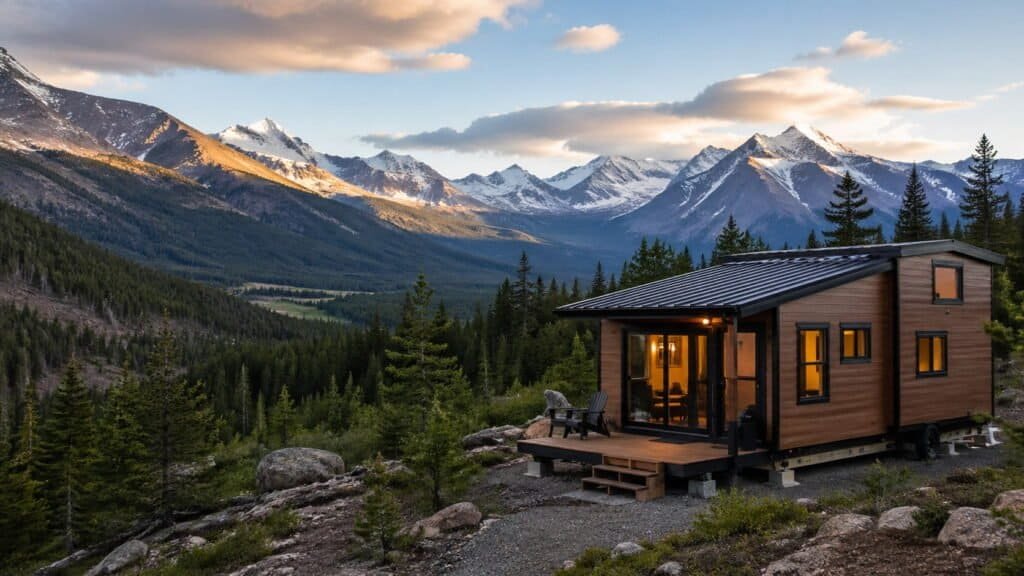
Best Locations for Tiny Houses in Mountain Areas (Global & U.S. Focus)
Not all mountain regions are tiny-house-friendly. The best locations combine natural beauty with reasonable regulations and access.
Top Mountain Regions in the U.S.
- Rocky Mountains (Colorado, Montana, Idaho)
Strong tiny house movement, but zoning varies widely - Appalachian Mountains (Tennessee, North Carolina)
More flexible land use and lower land costs - Pacific Northwest (Washington, Oregon)
Ideal for off-grid living, though moisture requires careful design
Popular International Mountain Destinations
- The Alps (France, Switzerland, Austria)
Stunning but often heavily regulated - Canada (British Columbia, Alberta)
Growing acceptance of tiny homes in rural zones - New Zealand mountain regions
Tiny homes are gaining traction with eco-living communities
What to Look for When Choosing a Location
Before buying land or committing to a site, evaluate:
- Zoning flexibility: Some counties are tiny-house-friendly, others are strict
- Road access: Can delivery trucks reach your property year-round?
- Natural risks: Wildfires, landslides, avalanches
- Community vs. isolation: Do you want neighbors or total privacy?
Pro Tip: Start with Tiny House-Friendly Areas
Look for:
- Rural counties with relaxed building codes
- Existing tiny house communities in mountain regions
- Areas that already support off-grid infrastructure
Smart buyers don’t just choose a beautiful location—they choose one that actually allows them to live there legally and comfortably.
Can You Legally Place Tiny Houses in Mountain Areas?
Legal restrictions are one of the biggest surprises for people exploring tiny houses in mountain areas. A remote location doesn’t automatically mean fewer rules—in fact, some mountain regions have stricter land-use regulations due to environmental risks.
Zoning Laws Can Make or Break Your Plan
Mountain land often falls under specific zoning categories such as agricultural, rural residential, or conservation. Each comes with its own limitations.
- Some areas allow tiny homes only as accessory dwelling units (ADUs)
- Others require a minimum square footage, which tiny homes may not meet
- Certain regions prohibit full-time living in tiny houses on wheels (THOWs)
Before purchasing land, always verify zoning through local county offices or planning departments.
Foundation vs. Tiny House on Wheels (THOW)
Your legal path depends heavily on how your tiny house is classified:
- Permanent foundation homes are more likely to be approved but must meet building codes
- THOWs are often treated as RVs, limiting where and how long you can live in them
Mountain areas sometimes favor permanent structures due to safety concerns like wind resistance and snow loads.
Permits, Codes, and Inspections
Expect to deal with:
- Building permits (even for small structures)
- Septic and water system approvals
- Electrical inspections, especially for off-grid systems
For reference, the International Residential Code (IRC) includes guidelines for tiny homes. You can explore it here:
https://codes.iccsafe.org/content/IRC2018P7
Important: Not all counties adopt these standards fully, so local interpretation matters.
Public vs. Private Land
It’s tempting to think you can place a tiny home anywhere in the mountains—but public land (like national forests) rarely allows permanent living.
- Private land: More flexibility, but still regulated
- Public land: Typically restricted to temporary stays (camping rules apply)
Bottom line: Always confirm legality before buying land or building. Fixing a zoning mistake later can be far more expensive than doing proper research upfront.
Cost Breakdown: Building or Placing Tiny Houses in Mountain Areas
Costs in mountain regions are rarely straightforward. The price of the tiny house itself is only part of the equation—site preparation and infrastructure often add significant expenses.
Typical Cost Overview
| Expense Category | Estimated Cost Range (USD) |
| Land (per acre) | $5,000 – $100,000+ |
| Site preparation | $5,000 – $30,000 |
| Foundation (if needed) | $8,000 – $25,000 |
| Tiny house build/purchase | $30,000 – $120,000 |
| Utilities setup | $10,000 – $40,000 |
| Road/access improvements | $3,000 – $20,000 |
Key insight: Mountain terrain often pushes total project costs higher than expected.
Land Costs Vary Dramatically
- Remote, hard-to-access plots are cheaper
- Scenic or accessible land with views can be premium-priced
- Proximity to tourist areas often increases value
Site Preparation Is a Hidden Expense
Preparing mountain land isn’t simple:
- Clearing trees
- Leveling slopes
- Stabilizing soil
These steps are essential for safety and long-term durability.
Utility Setup Adds Up Quickly
Most mountain locations require independent systems:
- Septic systems: $5,000–$15,000
- Well drilling: $3,000–$15,000 depending on depth
- Solar systems: $8,000–$25,000
Grid connections, if available, may still require long-distance hookups.
Prefab vs. Custom Build
- Prefab tiny homes: Faster, but transport to remote areas can be costly
- Custom builds: More adaptable to terrain but often more expensive
Seasonal Cost Factors
Building during winter can increase costs due to:
- Delays from snow or weather
- Higher labor expenses
- Limited contractor availability
Practical tip: Plan construction during spring or early summer whenever possible.
Designing Tiny Houses in Mountain Areas for Harsh Conditions
Designing a tiny house for mountain living isn’t just about aesthetics—it’s about survival, comfort, and efficiency in extreme conditions.
Build for Snow and Wind Resistance
Mountain homes must handle heavy loads and strong gusts:
- Steep-pitch roofs help snow slide off
- Reinforced framing improves structural integrity
- Anchoring systems are essential, especially for elevated sites
Skipping structural upgrades is one of the most expensive mistakes you can make.
Insulation Is Your Best Investment
Temperature swings in the mountains can be extreme. High-quality insulation ensures:
- Lower heating costs
- Comfortable indoor temperatures year-round
- Reduced risk of frozen pipes
Look for:
- Spray foam insulation for tight spaces
- Insulated windows (double or triple-pane)
- Thermal breaks to prevent heat loss
Roofing Choices Matter More Than You Think
- Metal roofs: Ideal for snow shedding and durability
- Shingles: Cheaper upfront but require more maintenance
Metal roofing is often the better long-term option in mountain climates.
Balance Views with Energy Efficiency
Large windows are tempting—but they can lead to heat loss.
Smart strategies include:
- South-facing windows for passive solar gain
- Smaller windows on wind-facing sides
- Insulated curtains or shades for nighttime
Compact Heating Solutions That Actually Work
Heating a tiny house efficiently is critical:
- Wood stoves (reliable and off-grid friendly)
- Propane heaters (easy to install)
- Radiant floor heating (comfortable but higher upfront cost)
Smart Interior Design for Cold Weather Living
(Internal linking opportunity: tiny house design & space optimization)
- Built-in storage to reduce clutter
- Multi-functional furniture to maximize space
- Mudroom-style entry areas to manage snow and dirt
Well-designed mountain tiny homes don’t just look good—they perform under pressure.
Off-Grid Living: A Natural Fit for Mountain Tiny Homes
For many people, tiny houses in mountain areas naturally lead to off-grid living. Limited infrastructure makes self-sufficiency less of a choice and more of a necessity—but it can also be one of the most rewarding aspects of mountain life.
Powering Your Tiny House Without the Grid
Solar is the most common solution in mountain regions, especially in areas with good sun exposure.
- Solar panels + battery storage provide reliable daily power
- Backup generators help during long cloudy periods
- Small wind turbines can work in high-wind elevations
Tip: Oversize your battery system. Mountain weather can be unpredictable, and power gaps are more common than you think.
Water Sources in Remote Locations
Reliable water access is critical. Options include:
- Private wells: Long-term solution but can be expensive depending on depth
- Rainwater collection: Effective in many regions, with proper filtration
- Snowmelt systems: Useful in colder climates but require storage planning
Always check local regulations on water collection and usage before installing systems.
Waste Management Solutions
Without municipal sewer systems, you’ll need alternatives:
- Septic systems (most common, but require permits)
- Composting toilets (eco-friendly and low maintenance)
- Greywater recycling for irrigation
Important: Improper waste handling can lead to fines or environmental damage—do it right from the start.
Internet and Connectivity Options
Staying connected in the mountains is possible, but it requires planning:
- Satellite internet (widely available, higher latency)
- Mobile hotspots (depend on signal strength)
- Signal boosters to improve reception
Reality check: You may not get city-level speeds, but you can still work remotely with the right setup.
Real Challenges of Tiny Houses in Mountain Areas (And How to Handle Them)
The beauty of mountain living comes with real, sometimes tough challenges. Being prepared makes all the difference.
Access Can Be Limited
Snow, mud, or steep roads can block access to your home.
- Invest in a reliable vehicle (often 4WD)
- Maintain your access road regularly
- Keep emergency supplies on hand
Wildlife Is Part of Daily Life
Living close to nature means sharing space with animals.
- Secure trash and food storage
- Install motion lights or fencing if needed
- Learn how to safely handle local wildlife encounters
Cold Weather Maintenance Issues
Winter can test your setup:
- Frozen pipes are a common problem
- Roof snow buildup adds structural stress
- Heating systems must be reliable
Preventive steps:
- Insulate pipes and use heat tape
- Regularly clear snow from roofs
- Keep backup heating options ready
Emergency Services May Be Far Away
Response times in remote areas can be slow.
- Have first aid supplies and basic training
- Install fire extinguishers and smoke detectors
- Maintain communication devices at all times
Isolation Isn’t for Everyone
The peace and quiet can feel isolating over time.
- Stay connected digitally
- Visit nearby towns regularly
- Build relationships with neighbors if possible
Key insight: Mountain living is incredible—but it rewards those who prepare and adapt.
Pros and Cons of Tiny Houses in Mountain Areas
Every lifestyle has trade-offs. Tiny houses in mountain areas are no exception.
Pros
- Unmatched natural beauty: Daily views that never get old
- Privacy and quiet: Minimal noise and fewer neighbors
- Closer to nature: Hiking, wildlife, and outdoor living at your doorstep
- Potentially lower land costs: Especially in remote regions
Cons
- Limited infrastructure: Utilities and internet require extra effort
- Harsh weather conditions: Snow, wind, and temperature extremes
- Higher setup costs: Site prep and off-grid systems add up
- Accessibility challenges: Roads and transportation can be difficult
Quick Comparison Snapshot
| Factor | Advantage or Challenge |
| Scenery | Major advantage |
| Privacy | Major advantage |
| Utilities | Challenge |
| Climate | Challenge |
| Cost | Mixed |
Bottom line: If you value independence, nature, and self-sufficiency, the pros can easily outweigh the cons—but only with proper planning.
Renting or Investing: Tiny Houses in Mountain Areas as Vacation Properties
Tiny houses in mountain areas aren’t just for personal living—they’ve become highly desirable vacation rentals. Travelers are actively searching for unique stays that offer both comfort and immersion in nature.
Why Mountain Tiny Homes Perform Well as Rentals
- Strong demand for “cabin-style” experiences with modern amenities
- Year-round appeal in many regions (hiking in summer, snow activities in winter)
- Lower build cost compared to traditional vacation homes
Platforms like Airbnb and Vrbo have made it easier than ever to market these properties to a global audience.
Best Locations for Rental Success
Not every mountain area generates consistent income. Look for:
- Tourist-heavy regions (national parks, ski resorts, scenic drives)
- Easy road access for guests
- Reliable utilities or well-designed off-grid systems
Important: Even in remote areas, guests expect comfort—poor access or unreliable power can hurt reviews quickly.
Typical Rental Income Potential
Income varies widely depending on location, design, and seasonality.
- Nightly rates: $80 – $300+
- Peak season occupancy: 70–90%
- Off-season occupancy: 20–50%
High-demand areas can generate strong returns, but slow seasons are normal—plan your finances accordingly.
Regulations for Short-Term Rentals
Before listing your property, check:
- Local zoning rules for vacation rentals
- Permit or licensing requirements
- Tax obligations on rental income
Some mountain towns have strict short-term rental limits to control tourism impact.
Pro tip: Properties with standout features—like panoramic windows, hot tubs, or unique designs—tend to outperform standard listings.
Common Mistakes to Avoid When Choosing Mountain Tiny House Living
Many first-time buyers fall into avoidable traps. Learning from these mistakes can save you thousands of dollars—and a lot of frustration.
Underestimating the Weather
Mountain climates are not forgiving.
- Ignoring snow load requirements
- Choosing poor insulation
- Installing inadequate heating systems
Result: Higher costs and uncomfortable living conditions.
Buying Land Without Proper Access
A cheap plot isn’t a good deal if you can’t reach it easily.
- No legal road access
- Roads that become unusable in winter
- Steep terrain that complicates construction
Always visit the site in different seasons if possible.
Skipping Zoning Research
Assuming you can place a tiny home anywhere is a costly mistake.
- Some areas prohibit full-time living in tiny homes
- Others restrict THOWs entirely
Fixing legal issues later is far more expensive than checking upfront.
Cutting Corners on Infrastructure
Trying to save money on essential systems often backfires.
- Poor water systems
- Undersized solar setups
- Inadequate waste management
These are foundational—invest in them properly.
Not Planning for Long-Term Maintenance
Mountain homes require ongoing care.
- Roof inspections after heavy snow
- Seasonal system checks
- Road maintenance
Think beyond the build—plan for years of upkeep.
FAQs About Tiny Houses in Mountain Areas
Are tiny houses safe in snowy mountain regions?
Yes, if they are designed for snow load and cold weather. Proper insulation, strong roofing, and structural reinforcement are essential.
How do you get utilities in remote mountain areas?
Most setups rely on off-grid systems such as solar power, wells, septic tanks, and propane heating.
Can you live year-round in a mountain tiny house?
Absolutely, but it requires preparation for winter conditions, reliable heating, and proper insulation.
What’s the biggest hidden cost of mountain living?
Site preparation and infrastructure—grading land, installing utilities, and building access roads often cost more than expected.
Is it better to build or buy a prefab tiny house for mountains?
Prefab homes are faster, but custom builds allow better adaptation to terrain and climate. The right choice depends on your location and budget.
Is Mountain Tiny House Living Right for You?
Tiny houses in mountain areas offer a lifestyle that’s hard to match—quiet mornings, fresh air, and a deep connection to nature. At the same time, they demand preparation, resilience, and a willingness to handle challenges most traditional homeowners never face.
Before making the leap, ask yourself:
- Are you comfortable with limited infrastructure?
- Can you handle seasonal isolation or access issues?
- Do you have the budget for proper setup and maintenance?
If the answer is yes, mountain tiny living can be incredibly rewarding.
Take the next step by researching local zoning laws, exploring land options, and planning your setup carefully. The right preparation turns a scenic idea into a sustainable, long-term lifestyle.
