
Living in tiny houses for cold climates isn’t just possible—it can be incredibly comfortable if designed the right way. The challenge is that small spaces lose heat faster, and winter conditions can push your home to its limits.
This guide breaks down exactly how to build or adapt a tiny house for freezing temperatures. You’ll learn how to choose the right insulation, avoid costly design mistakes, and create a warm, energy-efficient home that works even in sub-zero weather.
Whether you’re planning a new build or upgrading an existing tiny home, these insights come from real-world cold-weather living—not theory.
In This Article
Why Tiny Houses for Cold Climates Are a Growing Trend
Tiny homes are no longer just a warm-climate lifestyle. More people are choosing to live small in colder regions—from mountain towns to northern countries—because the benefits still outweigh the challenges.
Lower living costs, reduced energy use, and simpler lifestyles appeal to people who want independence without a massive mortgage. In cold climates, the small footprint actually becomes an advantage when designed properly.
A well-built tiny house is easier (and cheaper) to heat than a traditional home. Less space means less energy required to stay warm, especially when insulation and air sealing are done right.
Several groups are driving this trend:
- Remote workers seeking affordable housing in scenic, colder areas
- Retirees downsizing to reduce expenses
- Off-grid enthusiasts aiming for self-sufficiency
- Minimalists who value simplicity over square footage
Winter living does introduce unique challenges—like condensation, frozen pipes, and heat loss—but those are manageable with the right approach.
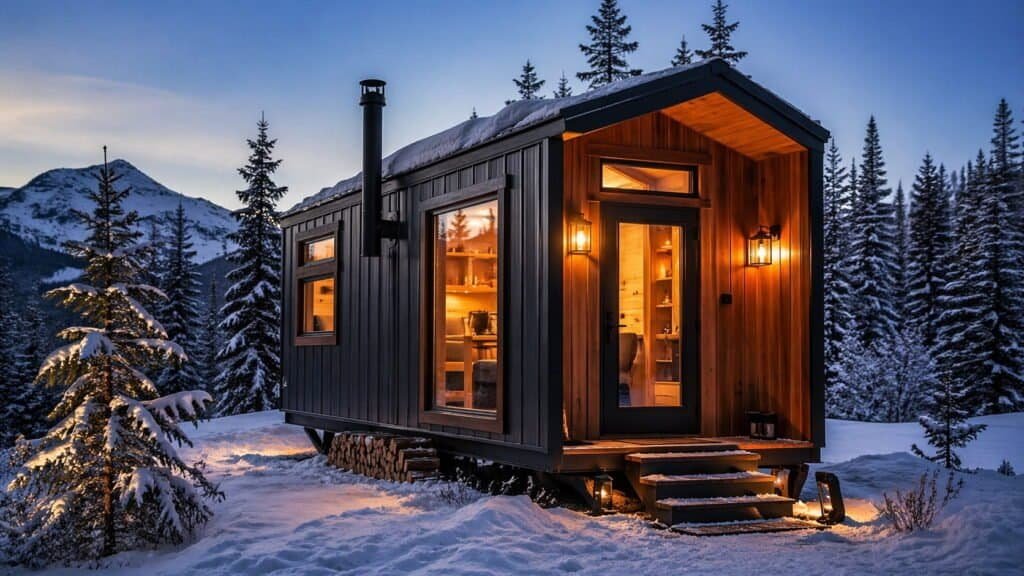
What Makes Tiny Houses for Cold Climates Different?
A tiny home built for a warm climate will struggle in freezing temperatures. Designing for winter requires a completely different mindset.
The biggest difference comes down to heat retention and moisture control.
Heat Retention Is the Top Priority
Cold climate tiny homes must hold onto every bit of warmth. Because of their smaller size, they have more surface area relative to volume, which can lead to faster heat loss if not properly insulated.
Key focus areas include:
- High-performance insulation
- Airtight construction
- Strategic window placement
- Efficient heating systems
Even small gaps or poorly insulated areas can make a noticeable difference in comfort.
Moisture and Condensation Become Real Problems
Cold air meeting warm indoor air creates condensation—especially in a compact space.
Without proper ventilation, this can lead to:
- Mold growth
- Damp walls and ceilings
- Poor indoor air quality
Balancing warmth and airflow is essential. That’s why cold-climate tiny homes often include controlled ventilation systems or dehumidifiers.
Structural Demands Are Higher
Snow, ice, and wind add extra stress to a tiny house.
Designs must account for:
- Roof pitch for snow shedding
- Strong framing for snow loads
- Durable exterior materials that resist moisture
If you plan to go mobile, winter road conditions also become a factor.
Insulation Is Everything: How to Keep a Tiny House Warm
When it comes to tiny houses for cold climates, insulation isn’t just important—it’s the foundation of comfort. Cutting corners here leads to higher energy bills and a home that never quite feels warm.
Best Insulation Materials for Cold Weather
Not all insulation performs equally in a tiny space. The goal is to maximize thermal resistance while minimizing thickness.
Top options include:
- Spray Foam Insulation
- Highest R-value per inch
- Creates an airtight seal
- Helps prevent moisture issues
- Best overall choice for cold climates
- Rigid Foam Board (Polyiso or XPS)
- Strong and moisture-resistant
- Great for floors and walls
- Easier to install in DIY builds
- Natural Insulation (Sheep’s Wool, Cotton)
- Eco-friendly and breathable
- Helps regulate moisture
- Slightly lower R-value but still effective
Recommended R-Values for Cold Climate Tiny Homes
| Area | Recommended R-Value |
| Roof | R-30 to R-40 |
| Walls | R-20 to R-30 |
| Floor | R-25 to R-35 |
Higher R-values mean better heat retention, which is critical in freezing temperatures.
Don’t Overlook Thermal Bridging
Thermal bridging happens when heat escapes through framing materials like wood or metal.
To reduce it:
- Use continuous insulation layers
- Add insulated sheathing
- Minimize exposed framing
Even a well-insulated wall can lose efficiency if thermal bridging isn’t addressed.
Floor Insulation: The Hidden Game-Changer
Cold floors can make your entire home feel uncomfortable—even if the air is warm.
Practical tips:
- Insulate beneath the trailer or foundation
- Use rigid foam board under flooring
- Seal gaps around the subfloor
Many tiny house owners underestimate this step, then struggle with cold drafts from below.
Heating Options That Actually Work in Tiny Houses for Cold Climates
Choosing the right heating system can make or break your experience with tiny houses for cold climates. The goal isn’t just warmth—it’s consistent, safe, and efficient heat in a very small space.
Wood Stoves: Reliable and Off-Grid Friendly
Wood stoves remain a favorite for cold-weather tiny homes, especially in off-grid setups.
Why they work well:
- Strong, steady heat even in extreme cold
- No reliance on electricity
- Creates a cozy, cabin-like atmosphere
Things to consider:
- Requires proper ventilation and chimney installation
- Needs regular firewood supply and storage
- Takes up valuable floor space
Best for: Rural or off-grid living where reliability matters most.
Electric Heaters: Simple but Power-Dependent
Electric heaters are easy to install and control, making them popular in grid-connected tiny homes.
Common options:
- Wall-mounted panel heaters
- Oil-filled radiators
- Infrared heaters
Pros:
- Low upfront cost
- No combustion or fumes
- Minimal maintenance
Cons:
- Higher electricity bills in cold climates
- Not ideal for off-grid setups
Propane Heaters: Efficient but Needs Caution
Propane systems offer powerful heating without requiring a large electrical system.
Benefits:
- High heat output
- Works well in very cold temperatures
- Good backup option
Watch out for:
- Proper ventilation is critical
- Ongoing fuel costs
- Carbon monoxide safety concerns
Always install a CO detector if using propane indoors.
Mini-Split Heat Pumps: Efficient (With Limits)
Mini-split systems are gaining popularity for their energy efficiency.
What they do well:
- Provide both heating and cooling
- Lower operating costs in moderate cold
- Compact and space-saving
Limitations:
- Performance drops in extreme sub-zero temperatures
- Higher upfront cost
Modern cold-climate mini-splits perform better than older models, but they may still need a backup heat source.
Radiant Floor Heating: Luxury in a Tiny Space
Radiant heating systems warm the floor directly, creating even, comfortable heat.
Why people love it:
- Eliminates cold floors
- Silent and invisible system
- Even heat distribution
Downsides:
- Higher installation cost
- Harder to retrofit into existing builds
Safety Considerations You Can’t Ignore
Heating a small space amplifies risks. Keep these essentials in mind:
- Install carbon monoxide and smoke detectors
- Maintain proper ventilation for combustion heaters
- Keep flammable materials away from heat sources
- Use certified, tiny-home-friendly heating appliances
In a tiny house, safety margins are smaller—don’t take shortcuts.
Windows, Doors, and Air Sealing: Small Details That Make a Huge Difference
Heat loss doesn’t just come from walls—it often escapes through the smallest gaps. In tiny houses for cold climates, sealing your home properly can drastically improve comfort.
Double vs. Triple-Pane Windows
Windows are one of the biggest sources of heat loss.
- Double-pane windows: Standard option, decent insulation
- Triple-pane windows: Superior insulation, ideal for very cold climates
If your budget allows, triple-pane windows are worth the upgrade. They reduce heat loss and minimize condensation.
Smart Window Placement for Passive Solar Gain
Positioning matters just as much as the window itself.
Best practices:
- Place larger windows facing south (in most climates)
- Limit windows on the north side
- Use overhangs to control summer heat
This allows your tiny home to naturally capture and retain heat during the day.
Sealing Gaps and Preventing Drafts
Even tiny air leaks can make your home feel cold and uncomfortable.
Focus on:
- Weather stripping around doors and windows
- Sealing joints, corners, and utility openings
- Using expanding foam or caulk where needed
Airtight construction is just as important as insulation.
Entryway Design in a Small Space
Traditional mudrooms aren’t realistic in tiny homes, but you still need a buffer zone.
Creative alternatives:
- Small entry bench with storage
- Wall hooks for wet jackets
- Waterproof flooring near the entrance
These small design choices help keep cold air and moisture from spreading throughout your home.
Smart Design Features for Winter Living Comfort
Design plays a huge role in how warm your tiny house feels. Even with great insulation and heating, poor layout decisions can lead to cold spots and discomfort.
Loft Challenges (and How to Fix Them)
Heat rises, which makes loft sleeping areas warm—but sometimes too warm.
Common issues:
- Overheating in loft spaces
- Poor airflow
- Condensation buildup near the ceiling
Solutions:
- Install small fans for air circulation
- Add operable windows for ventilation
- Use breathable materials to reduce moisture
Ceiling Height and Heat Circulation
Higher ceilings may look beautiful, but they can make heating less efficient.
What works best:
- Moderate ceiling height to retain heat
- Ceiling fans to push warm air downward
- Strategic vent placement
Keeping warm air circulating prevents heat from getting trapped near the ceiling.
Compact Layouts That Reduce Heat Loss
Open layouts are popular, but in cold climates, smaller segmented spaces can be more efficient.
Design tips:
- Use sliding doors or curtains to separate areas
- Keep frequently used spaces closer together
- Minimize unused or hard-to-heat zones
A tighter layout = easier heating and lower energy use.
Storage That Doubles as Insulation
Smart storage isn’t just about saving space—it can also improve thermal performance.
Examples:
- Built-in cabinets along exterior walls
- Under-bed storage in lofts
- Insulated storage benches
These features create an extra barrier between you and the cold outside.
Plumbing in Freezing Temperatures: How to Prevent Costly Damage
Water systems are one of the biggest pain points in tiny houses for cold climates. Frozen pipes can burst quickly—and repairs in a small home aren’t cheap or easy.
Protecting Pipes from Freezing
The goal is simple: keep water lines above freezing at all times.
Effective strategies include:
- Use PEX piping, which is more flexible and resistant to bursting
- Wrap pipes with high-quality insulation sleeves
- Install heat tape on vulnerable sections
- Keep plumbing inside insulated walls whenever possible
Avoid running pipes under the trailer unless absolutely necessary. If you do, they must be heavily insulated and heated.
Tank vs. Tankless Water Systems in Winter
Both systems can work, but each behaves differently in cold weather.
- Tank water heaters
- More stable in freezing conditions
- Holds warm water, reducing freeze risk
- Takes up more space
- Tankless systems
- Compact and energy-efficient
- More prone to freezing if not protected
- Requires proper insulation and sometimes built-in freeze protection
For most cold climates, a small insulated tank system is often the safer choice.
Keeping Greywater Systems Functional
Greywater systems can freeze quickly if not designed properly.
Tips to prevent issues:
- Use insulated or buried drainage lines
- Keep pipes sloped to avoid standing water
- Install shut-off valves for extreme weather
In very cold regions, some owners switch to temporary holding tanks during winter.
Off-Grid Water Solutions in Sub-Zero Conditions
If you’re living off-grid, water becomes even more complex.
Common solutions:
- Heated water tanks or indoor storage
- Regularly refilling containers instead of relying on exposed lines
- Composting toilets to eliminate blackwater concerns
Simple systems are often more reliable in extreme cold.
Off-Grid Living in Cold Climates: What Changes?
Off-grid living sounds appealing, but winter adds a layer of difficulty—especially in tiny houses for cold climates.
Solar Power Limitations in Winter
Shorter days and snow-covered panels reduce solar output significantly.
What to expect:
- Less energy production (sometimes 50% or more reduction)
- Greater reliance on battery storage
- Need for careful energy usage
Position panels at steeper angles to help snow slide off and capture more winter sun.
Battery Storage and Cold Temperatures
Batteries don’t perform well in freezing conditions.
Important considerations:
- Lithium batteries can lose efficiency in cold weather
- Store batteries inside insulated areas whenever possible
- Use battery heaters if needed
Keeping your energy system warm is just as important as heating your living space.
Backup Energy Sources You’ll Likely Need
Most off-grid tiny homes in cold climates rely on more than one energy source.
Common backup options:
- Propane generators
- Dual-fuel systems (solar + propane)
- Wood stoves for heating independence
A hybrid setup offers the best reliability during long winters.
Best Building Materials for Tiny Houses in Harsh Winters
Materials matter more in cold climates because they directly impact durability, insulation, and long-term maintenance.
Exterior Siding That Handles Snow and Moisture
Your siding must resist water, ice, and temperature swings.
Top choices:
- Fiber cement siding (durable and low maintenance)
- Engineered wood (better moisture resistance than traditional wood)
- Metal siding (great for snow shedding, very durable)
Avoid materials that absorb moisture easily—they can warp or rot over time.
Roofing Options for Heavy Snow Loads
Snow accumulation puts serious stress on a roof.
Best roofing features:
- Steep pitch to encourage snow sliding
- Metal roofing for durability and easy shedding
- Reinforced framing to support extra weight
Flat or low-slope roofs can become a problem in snowy regions.
Flooring That Stands Up to Winter Living
Winter means wet boots, snow, and moisture entering your home daily.
Ideal flooring materials:
- Vinyl plank (water-resistant and durable)
- Tile (excellent durability but can feel cold without heating)
- Sealed engineered wood
Adding rugs or insulated underlayers improves comfort without sacrificing durability.
Cost Breakdown: Building or Upgrading a Tiny House for Cold Climates
Building tiny houses for cold climates usually costs more upfront—but the investment pays off in comfort, durability, and lower long-term energy bills.
What Drives the Cost Higher?
Cold-weather upgrades focus on performance, not just aesthetics.
Expect higher costs for:
- High R-value insulation
- Triple-pane windows
- Advanced heating systems
- Reinforced roofing and framing
- Pipe protection and winter-ready plumbing
Typical Cost Breakdown
| Feature | Estimated Cost (USD) |
| Upgraded insulation | $2,000 – $6,000 |
| Triple-pane windows | $3,000 – $8,000 |
| Wood stove installation | $1,500 – $4,000 |
| Mini-split system | $3,000 – $7,000 |
| Plumbing winterization | $500 – $2,500 |
| Roof reinforcement & materials | $2,000 – $5,000 |
Total additional cost: $10,000 – $30,000+ depending on build quality and climate severity.
Budget-Friendly Upgrades for Existing Tiny Homes
Already own a tiny house? You don’t need a full rebuild.
High-impact, lower-cost improvements:
- Add weather stripping and seal leaks
- Install insulated curtains or window film
- Upgrade floor insulation
- Use thermal rugs and wall panels
- Add a secondary heating source
Small upgrades can make a surprisingly big difference in winter comfort.
Common Mistakes People Make (and Regret) in Cold Climate Tiny Homes
Cold climates expose every weak point in a tiny house. Many owners learn the hard way—but you don’t have to.
Underestimating Insulation Needs
Cutting insulation costs often leads to:
- Constant heating struggles
- Higher energy bills
- Cold spots and drafts
Fix: Always prioritize insulation—it’s the foundation of everything else.
Choosing the Wrong Heating System
A heater that works in mild climates may fail in extreme cold.
Fix: Choose systems designed for low temperatures and always have a backup heat source.
Ignoring Ventilation
Sealing your home tightly without airflow creates moisture problems.
Result:
- Mold growth
- Condensation on windows
- Poor air quality
Fix: Use controlled ventilation (like a small HRV system or dehumidifier).
Too Many or Poorly Placed Windows
Large windows look great—but they leak heat.
Fix: Balance natural light with energy efficiency and use high-performance glazing.
Best Locations for Tiny Houses in Cold Climates
Living in a cold climate doesn’t mean every location is equal. Some areas are far more tiny-house-friendly than others.
Popular Cold Climate Regions
- Northern United States (Montana, Minnesota, Alaska)
- Canada (British Columbia, Alberta, Ontario)
- Northern Europe (Sweden, Norway, Finland)
- Mountain regions worldwide
Each location has different challenges—from heavy snowfall to extreme wind exposure.
Climate-Specific Considerations
Before choosing a spot, evaluate:
- Snowfall levels: Impacts roof design and accessibility
- Wind exposure: Affects heat loss and structural needs
- Winter access: Roads may become difficult or blocked
- Sunlight availability: Critical for solar setups
Zoning and Legal Considerations
Tiny house laws vary widely, especially in colder regions.
Some areas are more accepting of tiny homes, while others restrict:
- Minimum square footage
- Permanent foundations
- Utility connections
For accurate, up-to-date information, check your local regulations or review official resources like the International Residential Code guidelines for tiny homes:
👉 https://codes.iccsafe.org/content/IRC2021P2/appendix-q-tiny-houses
Always confirm zoning rules before choosing land or relocating your tiny house.
Real-Life Tips from Cold Climate Tiny House Owners
People who live full-time in tiny houses for cold climates develop routines that make winter life much easier.
Daily Winter Habits That Matter
- Keep a consistent heating schedule instead of letting the home cool down
- Wipe down condensation on windows in the morning
- Use a small fan to circulate warm air
- Keep entry areas dry and organized
Managing Long Indoor Periods
Winter often means spending more time inside.
What helps:
- Multi-functional furniture to avoid clutter
- Good lighting to improve mood
- Organized storage to keep the space livable
A well-designed tiny home feels comfortable—not cramped—even during long winters.
Lessons Owners Wish They Knew Earlier
- Insulation is worth every dollar
- Backup heat sources are essential, not optional
- Moisture control is just as important as staying warm
- Simple systems often outperform complex setups in extreme cold
FAQ: Tiny Houses for Cold Climates
Can a tiny house stay warm in sub-zero temperatures?
Yes, with proper insulation, airtight construction, and a reliable heating system, tiny homes can remain comfortable even in extreme cold.
What’s the cheapest way to heat a tiny home in winter?
Wood stoves are often the most cost-effective long-term option, especially if you have access to affordable or free firewood.
Are tiny houses safe during heavy snowstorms?
They can be, as long as the structure is built to handle snow loads and the roof design allows snow to slide off safely.
How do you deal with condensation in winter?
Use proper ventilation, dehumidifiers, and moisture-resistant materials while maintaining consistent indoor temperatures.
Is off-grid living realistic in cold climates?
Yes, but it requires careful planning, including backup energy sources, insulated systems, and efficient energy use.
Is a Tiny House in a Cold Climate Right for You?
Tiny living in a cold climate isn’t the easiest path—but it can be one of the most rewarding. With the right design, materials, and daily habits, you can create a home that feels warm, efficient, and completely tailored to your lifestyle.
If you’re planning your build or upgrade, focus on what truly matters: insulation, heating, moisture control, and smart design choices. Those four elements determine whether your tiny house thrives—or struggles—through winter.
Take the next step by exploring design ideas, checking local regulations, and mapping out your cold-climate setup. A well-prepared tiny home doesn’t just survive winter—it makes it enjoyable.
