
Noticing tiny reddish-brown bugs in house can be unsettling—especially when you don’t know what they are or how fast they might spread. These small pests often show up in beds, kitchens, carpets, or hidden corners, and misidentifying them can lead to wasted time and ineffective treatments.
This guide breaks down exactly what these bugs are, why they appear, and how to deal with them quickly and effectively. You’ll learn how to identify the most common culprits, spot early warning signs, and take the right first steps before the problem grows—especially important if you live in a small home or tiny house where infestations spread faster.
In This Article
Tiny Reddish-Brown Bugs in House: Quick Identification Guide
If you need a fast answer, here’s a quick breakdown of the most common tiny reddish-brown bugs found indoors and how to recognize them:
Common Culprits at a Glance
| Bug Type | Size | Where Found | Key Clue |
| Bed Bugs | Apple seed size | Beds, mattresses | Bite marks, active at night |
| Carpet Beetles | Very small (larvae visible) | Carpets, fabrics | Shed skins, fabric damage |
| Spider Beetles | Tiny, round | Pantries, dark corners | Long legs, spider-like look |
| Drugstore Beetles | 2–3 mm | Pantry foods | Found in dry goods |
| Flour Beetles | Very small | Kitchen storage | Infest flour, grains |
Quick Identification Tips
- Found in your bed? Likely bed bugs or carpet beetles
- Near food or pantry? Think flour beetles or drugstore beetles
- Crawling slowly on walls or floors? Could be spider beetles
- Seeing larvae or shed skins? Often carpet beetles
Key takeaway: Correct identification is critical. Treating the wrong pest can make the infestation worse.
What Are These Tiny Reddish-Brown Bugs in Your House?
Tiny reddish-brown bugs aren’t a single species—they’re a category that includes several common household pests. Each behaves differently, which is why a closer look matters.
Size, Shape, and Color Variations
Most of these bugs share a similar color—light brown to reddish-brown—but differ in shape:
- Flat and oval → Often bed bugs
- Round or dome-shaped → Beetles (carpet or spider beetles)
- Elongated and narrow → Pantry pests like flour beetles
Some are so small they’re mistaken for dirt or crumbs at first glance.
Behavior Clues That Help You Identify Them
Behavior often reveals more than appearance:
- Fast movers: Pantry pests and beetles
- Slow crawlers: Bed bugs and carpet beetle larvae
- Active at night: Bed bugs
- Attracted to light: Some beetles
Spotting when and where they appear can save you hours of guesswork.
Why Identification Matters More Than You Think
Using the wrong treatment is one of the biggest mistakes homeowners make.
- Bed bugs require targeted, intensive treatment
- Pantry beetles need food source removal
- Carpet beetles require deep cleaning of fabrics
Misidentification = wasted effort + prolonged infestation
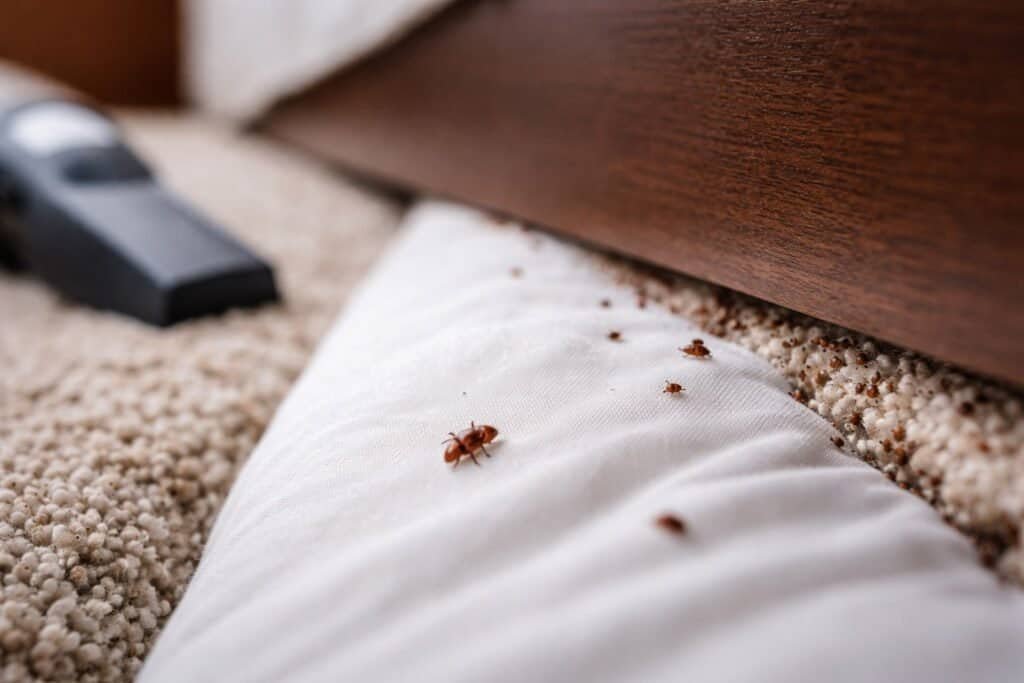
Top Causes: Why Tiny Reddish-Brown Bugs Appear Indoors
These bugs don’t just appear randomly. They’re drawn inside by very specific conditions—many of which are common in modern homes.
Food Sources You Might Be Overlooking
Even a clean home can attract pests if food is accessible:
- Open pantry items (flour, cereal, rice)
- Crumbs in hard-to-reach areas
- Pet food left out overnight
- Organic materials (wool, lint, hair)
Pantry pests can enter sealed packaging before you even bring it home.
Moisture and Humidity Problems
Damp environments are ideal breeding grounds:
- Leaky pipes under sinks
- Poor ventilation in bathrooms
- Humid basements or crawl spaces
Small homes and tiny houses often trap moisture more easily, making this a hidden trigger.
Easy Entry Points You Didn’t Notice
Tiny bugs can slip through surprisingly small gaps:
- Cracks in walls or flooring
- Gaps around windows and doors
- Vents and utility openings
Older homes—and even some newer tiny homes—often have unnoticed entry points.
Second-Hand Furniture and Fabrics
One of the most common (and overlooked) causes:
- Used mattresses or couches
- Thrifted rugs and clothing
- Vintage wooden furniture
Bed bugs and carpet beetles often hitchhike into homes this way.
Seasonal Changes and Temperature Shifts
Warmer weather increases activity:
- Spring and summer = peak infestation season
- Bugs move indoors seeking stable temperatures
- Increased breeding cycles during warmer months
Do This Immediately If You Spot Tiny Reddish-Brown Bugs
Acting quickly can prevent a small issue from turning into a full infestation. The moment you notice tiny reddish-brown bugs in your house, follow this step-by-step plan:
Step-by-Step Quick Action Plan
Isolate the affected area
- Avoid moving items to other rooms
- Close doors or seal off the space if possible
Vacuum thoroughly (and strategically)
- Focus on baseboards, corners, carpets, and under furniture
- Use a crevice tool for tight spaces
- Dispose of the vacuum bag immediately after
Inspect pantry items and fabrics
- Check flour, grains, and dry goods for contamination
- Look at bedding, upholstery, and clothing for signs of larvae or bugs
Wash and heat-dry anything suspicious
- Use hot water and high heat drying
- Heat is one of the most effective ways to kill many household pests
Seal all food properly
- Transfer dry goods into airtight containers
- Discard heavily infested items
What Most People Get Wrong (Avoid This)
- Spraying random pesticides immediately (can scatter bugs deeper into hiding)
- Ignoring nearby areas (infestations rarely stay in one spot)
- Waiting too long (these bugs multiply faster than expected)
Key takeaway: Early action is your biggest advantage—delay gives bugs time to spread.
Where They Hide: Common Infestation Hotspots
Tiny reddish-brown bugs are experts at staying out of sight. Knowing where to look can save you time and frustration.
Hidden Areas You Should Check First
Beds and sleeping areas
- Mattress seams and tags
- Bed frames and headboards
- Underneath the bed
Kitchen and pantry zones
- Inside cabinets and drawers
- Behind food containers
- Cracks along shelving
Carpets, rugs, and upholstery
- Under heavy furniture
- Along edges of rooms
- Inside fabric folds
Baseboards, cracks, and wall gaps
- Small openings where bugs can hide or enter
- Around electrical outlets and trim
Storage and cluttered areas
- Cardboard boxes
- Seasonal storage bins
- Closets with rarely used items
Why These Spots Matter
These locations provide:
- Food sources
- Darkness and protection
- Stable temperatures
In smaller homes or apartments, these hiding spots are often closer together—making it easier for bugs to spread quickly.
Tiny Reddish-Brown Bugs vs Bed Bugs: How to Tell the Difference
One of the biggest concerns people have is whether these bugs are bed bugs. The truth? Many tiny reddish-brown bugs look similar—but behave very differently.
Side-by-Side Comparison
| Feature | Bed Bugs | Other Reddish-Brown Bugs |
| Shape | Flat, oval | Round or elongated |
| Size | About apple seed | Often smaller |
| Activity | Mostly at night | Day or night |
| Location | Beds, furniture | Kitchens, carpets, walls |
| Bites | Yes (itchy welts) | Usually no bites |
Key Signs It Is Bed Bugs
- Waking up with itchy bite marks in clusters or lines
- Small dark spots (droppings) on sheets or mattresses
- Bugs hiding in mattress seams or cracks
Signs It’s Likely NOT Bed Bugs
- Bugs found mostly in the kitchen or pantry
- No bites or skin irritation
- Presence of larvae or shed skins (common with beetles)
Why Misidentification Happens So Often
- Similar color and size
- Poor lighting when bugs are spotted
- Panic-driven assumptions
Important insight: Not every tiny reddish-brown bug is a bed bug—and assuming it is can lead to unnecessary stress and wrong treatments.
Are Tiny Reddish-Brown Bugs Dangerous?
Seeing tiny reddish-brown bugs in your house can feel alarming, but not all of them pose a real threat. The level of danger depends entirely on the type of bug you’re dealing with.
Which Bugs Are Harmful?
Some species can impact your health or comfort:
- Bed bugs → Cause itchy bites and sleep disruption
- Carpet beetles (larvae) → Can trigger skin irritation or allergic reactions
- Pantry pests (flour/drugstore beetles) → Contaminate food supplies
Which Ones Are Mostly Harmless?
Many reddish-brown bugs are more of a nuisance than a danger:
- Spider beetles
- Some pantry beetles (if caught early)
- Occasional invaders from outside
They don’t bite or spread disease—but they still shouldn’t be ignored.
Hidden Risks You Shouldn’t Overlook
Even “harmless” bugs can cause problems over time:
- Food contamination → Leads to waste and potential health concerns
- Allergies → Shed skins and droppings can trigger reactions
- Rapid spread → Small infestations can grow quickly
When It’s Time to Take It Seriously
Call a professional or escalate your response if you notice:
- Bugs appearing in multiple rooms
- Recurring sightings despite cleaning
- Bite marks or skin irritation
- Large numbers in pantry or bedding areas
Bottom line: Most tiny reddish-brown bugs aren’t dangerous—but ignoring them can turn a minor issue into a serious infestation.
Best Solutions: How to Get Rid of Tiny Reddish-Brown Bugs (Step-by-Step)
Getting rid of these pests requires a combination of cleaning, targeted treatment, and prevention. Quick fixes alone won’t solve the root problem.
Natural Remedies That Actually Work
Diatomaceous earth (DE)
- Sprinkle in cracks, baseboards, and under furniture
- Dehydrates and kills bugs naturally
Vinegar cleaning solution
- Wipe down surfaces to remove scent trails
- Especially useful in kitchens and pantries
Essential oils (peppermint, tea tree)
- Acts as a natural repellent
- Mix with water and spray entry points
Best for light infestations or early-stage problems.
Chemical Treatments (Safe and Effective Use)
- Use targeted insecticides labeled for specific pests
- Apply only in affected areas—not the entire home
- Follow all safety instructions carefully
Important: Overusing chemicals can push bugs deeper into hiding instead of eliminating them.
Deep Cleaning Checklist (Non-Negotiable Step)
A thorough cleaning routine is essential:
- Vacuum daily for at least a week
- Wash bedding, curtains, and fabrics in hot water
- Empty and clean pantry shelves
- Dispose of contaminated food immediately
- Declutter storage areas
Consistency is what eliminates infestations—not one-time cleaning.
When to Call an Exterminator
Professional help is worth it when:
- Infestation spreads beyond one area
- DIY methods fail after 1–2 weeks
- Bed bugs are confirmed
Experts use targeted treatments and long-term prevention strategies that are difficult to replicate on your own.
Prevention Checklist: Stop Tiny Reddish-Brown Bugs from Coming Back
Once you’ve eliminated the bugs, prevention becomes your long-term strategy.
Daily and Weekly Habits That Make a Difference
- Wipe surfaces after meals
- Vacuum high-traffic areas regularly
- Avoid leaving food exposed
- Take out trash frequently
Smart Storage Upgrades
- Use airtight containers for all dry foods
- Store pet food in sealed bins
- Keep fabrics and seasonal items in closed containers
Long-Term Home Protection
Seal entry points
- Caulk cracks and gaps
- Install door sweeps if needed
Control moisture
- Use a dehumidifier in damp areas
- Fix leaks immediately
Improve airflow
- Ventilate kitchens and bathrooms properly
Seasonal Prevention Tips
- Deep clean during spring and summer
- Inspect items before bringing them indoors
- Be cautious with second-hand furniture
Quick prevention checklist:
- ✔ Keep food sealed
- ✔ Reduce clutter
- ✔ Control moisture
- ✔ Clean consistently
- ✔ Inspect regularly
Common Mistakes That Make Infestations Worse
Even with good intentions, certain habits can make tiny reddish-brown bugs in your house much harder to eliminate.
What Most People Get Wrong
Ignoring early warning signs
- A few bugs often signal a larger hidden problem
- Waiting allows populations to multiply quickly
Using the wrong treatment
- Spraying general insecticides without identifying the pest
- Applying kitchen solutions to bed bug problems (or vice versa)
Only cleaning visible areas
- Bugs hide deep in cracks, fabrics, and storage
- Surface cleaning alone won’t solve the issue
Inconsistent cleaning routines
- Skipping a few days can allow bugs to rebound
- Infestations require consistent effort
Bringing in contaminated items again
- Unchecked thrifted furniture or pantry goods can restart the cycle
Key insight: Most infestations persist not because they’re impossible to fix—but because the root cause isn’t fully addressed.
How Tiny Reddish-Brown Bugs Affect Small Homes & Tiny Houses
Living in a compact space has many benefits—but pest control requires extra attention.
Why Small Spaces Are More Vulnerable
Faster spread
- Short distances between kitchen, bed, and storage
- Bugs can move across your entire home quickly
Limited storage options
- Food, fabrics, and essentials are often stored close together
- Increases risk of cross-contamination
Multi-use furniture challenges
- Sofas that double as beds
- Hidden compartments where bugs can thrive
Practical Tips for Tiny Home Living
- Adopt a minimalist approach → fewer hiding spots
- Use sealed storage solutions → especially for pantry items
- Schedule regular deep cleans → even in small areas
If you’re optimizing your space, it’s worth learning how smart storage and layout can reduce pest risks. A well-organized setup makes prevention much easier—especially in compact living environments.
Related Issues in Tiny Homes & Small Living Spaces
Tiny reddish-brown bugs rarely appear alone. They’re often part of a bigger pattern tied to small-space living.
Common Related Problems
Pantry pests in compact kitchens
- Limited cabinet space increases contamination risk
Moisture buildup
- Poor ventilation leads to ideal breeding conditions
Hidden infestations in furniture
- Foldable beds, storage benches, and tight corners
Seasonal pest challenges
- Mobile homes and tiny houses can be more exposed to outdoor conditions
Smart Prevention for Small Spaces
- Rotate and inspect pantry items regularly
- Avoid overpacking storage areas
- Keep airflow consistent to reduce humidity
- Clean “hidden zones” (under furniture, inside storage units)
Creating a pest-resistant home often starts with smarter design choices. If you’re planning upgrades, consider layouts and materials that are easier to clean and maintain.
Expert Tips: How Professionals Handle These Bugs
Professional pest control goes beyond basic sprays. Experts use a strategic, long-term approach.
What the Pros Do Differently
Thorough inspection first
- Identify the exact pest and infestation level
- Locate hidden breeding areas
Targeted treatments
- Apply solutions only where needed
- Use methods specific to the pest type
Integrated Pest Management (IPM)
- Combines cleaning, sealing, monitoring, and treatment
- Focuses on long-term prevention—not just quick fixes
Pro-Level Advice You Can Use
- Monitor before and after treatment to track effectiveness
- Treat adjacent areas, not just where bugs are visible
- Focus on prevention as much as elimination
FAQ: Tiny Reddish-Brown Bugs in House
What are tiny reddish-brown bugs in my bed?
They are often bed bugs or carpet beetles. Check for bite marks, shed skins, or bugs hiding in mattress seams.
Are small brown bugs always bed bugs?
No, many bugs look similar. Pantry beetles and carpet beetles are commonly mistaken for bed bugs.
How do I get rid of tiny brown bugs in my kitchen?
Remove contaminated food, clean thoroughly, and store all dry goods in airtight containers.
Why do I keep seeing tiny reddish bugs near windows?
Some beetles are attracted to light and may gather near windows or entry points.
Can these bugs live in clothes or carpets?
Yes, especially carpet beetles. They feed on natural fibers like wool, hair, and lint.
How fast do these bugs spread?
Many species reproduce quickly, especially in warm conditions. A small issue can grow within weeks.
Do I need pest control or can I DIY?
Minor infestations can often be handled with cleaning and targeted treatment. Severe or persistent cases usually require professional help.
Warning Signs You Shouldn’t Ignore
Certain signs indicate the problem is getting worse—and needs immediate attention.
Red Flags to Watch For
- Sudden increase in bug sightings
- Bite marks or unexplained skin irritation
- Damaged or contaminated food packaging
- Shed skins or larvae in hidden areas
- Musty or unusual odors in confined spaces
Ignoring these signals can allow infestations to grow rapidly, especially in smaller homes.
For additional guidance on safe pest management and prevention strategies, the U.S. Environmental Protection Agency (EPA) provides reliable recommendations:
https://www.epa.gov/safepestcontrol
Take Control Before It Spreads
Tiny reddish-brown bugs might seem like a small nuisance at first—but they rarely stay that way. Acting early, identifying the pest correctly, and staying consistent with cleaning and prevention can save you time, money, and stress.
Start with one area today—inspect, clean, and seal. Then build simple habits that keep your space protected long-term.
A clean, well-organized home isn’t just more comfortable—it’s your best defense against pests.
