
Tiny houses on trailers for sale offer an appealing way to enjoy a smaller, more flexible lifestyle without committing to a traditional house. Whether you’re looking for an affordable starter home, a fully equipped tiny house for year-round living, or a mobile retreat for weekend getaways, there are options for different budgets and needs.
The challenge is finding a tiny house that’s well built, reasonably priced, and suitable for where you plan to live. The advertised price is only part of the picture. Trailer quality, insulation, towing requirements, utility connections, and local zoning rules can all affect the real cost of ownership.
This guide covers the different types of tiny houses on trailers, realistic price ranges, where to find them, and what to check before buying. You’ll also learn how to avoid common mistakes and choose a home that fits your lifestyle without creating unexpected expenses.
In This Article
What Are Tiny Houses on Trailers, and Who Are They Best For?
Tiny houses on trailers are compact homes built on a wheeled trailer chassis rather than a permanent foundation. They typically include many of the features found in a conventional home, such as a kitchen, bathroom, sleeping area, storage, insulation, and electrical systems.
Unlike a conventional house, a trailer-based tiny home can potentially be transported to another location. However, moving one isn’t always simple. The home’s weight, dimensions, trailer specifications, road restrictions, and legal classification determine whether it can be transported safely and legally.
How a Tiny House on Wheels Is Built
A typical tiny house on wheels begins with a purpose-built trailer designed to support the weight of the completed structure. Builders then construct the floor, walls, roof, and interior around that foundation.
Common construction features include:
- Trailer chassis: Supports the home and transfers its weight to the wheels and suspension.
- Structural framing: Often made from wood or metal, depending on the builder’s design.
- Insulation and weather protection: Help maintain comfortable indoor temperatures and protect the structure from moisture.
- Plumbing and electrical systems: Provide water, drainage, lighting, outlets, and appliances.
- Interior finishes: Include cabinets, flooring, bathroom fixtures, stairs, lofts, and built-in furniture.
The quality of these components matters more than decorative finishes. Attractive cabinets and modern lighting won’t compensate for a poorly designed trailer, inadequate insulation, or hidden water damage.
Buyers should also distinguish between a home that is designed to be movable and one that is ready for frequent travel. Many tiny houses on trailers are transported only occasionally because their weight, dimensions, or construction make regular relocation impractical.
Who Benefits Most From a Trailer-Based Tiny House?
A tiny house on wheels can work well for several types of buyers, provided the home suits their living arrangements and local regulations.
Downsizers and minimalist homeowners may appreciate having a smaller space to clean, heat, cool, and maintain. A carefully planned layout can provide the essentials without the upkeep of a large house.
Remote workers may enjoy a compact home office, a quieter living environment, or the ability to relocate occasionally. Reliable internet, electrical capacity, and a comfortable workspace are important considerations.
People seeking a secondary dwelling might use a tiny house as a guest space or private retreat. However, placing one on residential property may require permits or compliance with accessory dwelling unit rules.
Travel enthusiasts may prefer a towable tiny home to a stationary cabin. Before choosing this option, they should verify the loaded weight, towing requirements, and suitability of the structure for repeated transportation.
Buyers seeking a more affordable home may find that a tiny house costs less upfront than a conventional house. Still, land, site preparation, utilities, insurance, and financing can change the overall affordability.
The best candidate is someone who values compact living and is willing to plan carefully around storage, privacy, maintenance, and where the home can legally be placed.
Tiny Houses on Trailers for Sale: What Types Can You Buy?
The market includes everything from unfinished shells to custom-built homes with full kitchens, bathrooms, heating systems, and off-grid equipment. Choosing the right type early can help you avoid paying for features you don’t need.
New Custom-Built Tiny Houses
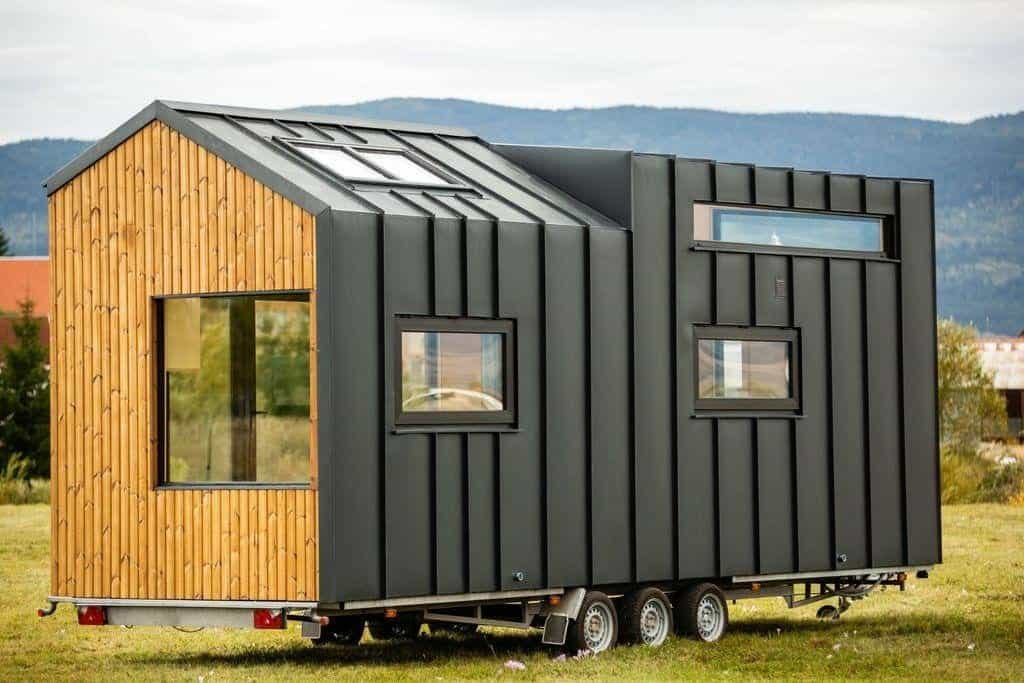
New custom-built tiny houses appeal to buyers who want a home designed around their specific needs. You may be able to choose the floor plan, cabinetry, appliances, insulation, window placement, and bathroom configuration.
A professionally built home can also provide clearer documentation about materials, trailer specifications, installed systems, and warranty coverage.
However, customization comes at a price. Changes to the original design can increase the final cost, while construction schedules may extend because of material availability, builder demand, or design revisions.
Before signing a contract, request a written specification sheet covering:
- The trailer’s make, rating, and included equipment
- The home’s dimensions and estimated finished weight
- Insulation levels and construction materials
- Appliances, plumbing, electrical systems, and heating
- Warranty coverage and delivery charges
- Any certifications or inspection documents the seller claims to provide
Best for: Buyers who want a personalized layout, modern finishes, and a clearer understanding of what they’re purchasing.
Used Tiny Houses on Trailers
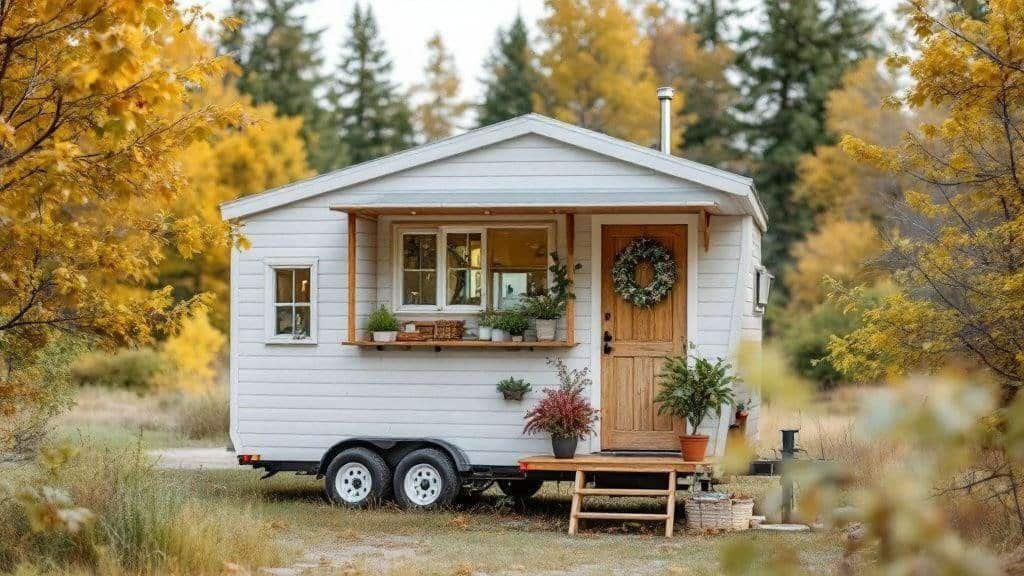
Used tiny houses on trailers can be attractive because they may cost less than comparable new builds. Some are available for immediate purchase, making them worth considering if you don’t want to wait for construction.
A pre-owned home may also come with useful extras, such as solar panels, appliances, built-in furniture, water tanks, or a heating system.
The main concern is the home’s condition. Poorly maintained roofs, leaking windows, deteriorated subfloors, rusty trailer components, and incorrectly installed electrical systems can turn a bargain into an expensive repair project.
When evaluating a used tiny house, pay particular attention to:
- Water stains, musty odors, and soft flooring
- Roof seams, window seals, and exterior flashing
- Trailer corrosion, tires, suspension, and brakes
- Plumbing leaks and the condition of water tanks
- Electrical wiring, heating equipment, and ventilation
- Title documentation, identification numbers, and ownership records
Ask why the owner is selling and whether the home has been moved before. If the seller cannot provide reliable information about the trailer or construction, arrange an independent inspection before making a commitment.
Best for: Buyers who want to reduce the purchase price and are comfortable evaluating an existing home’s condition.
Tiny House Shells and Unfinished Models
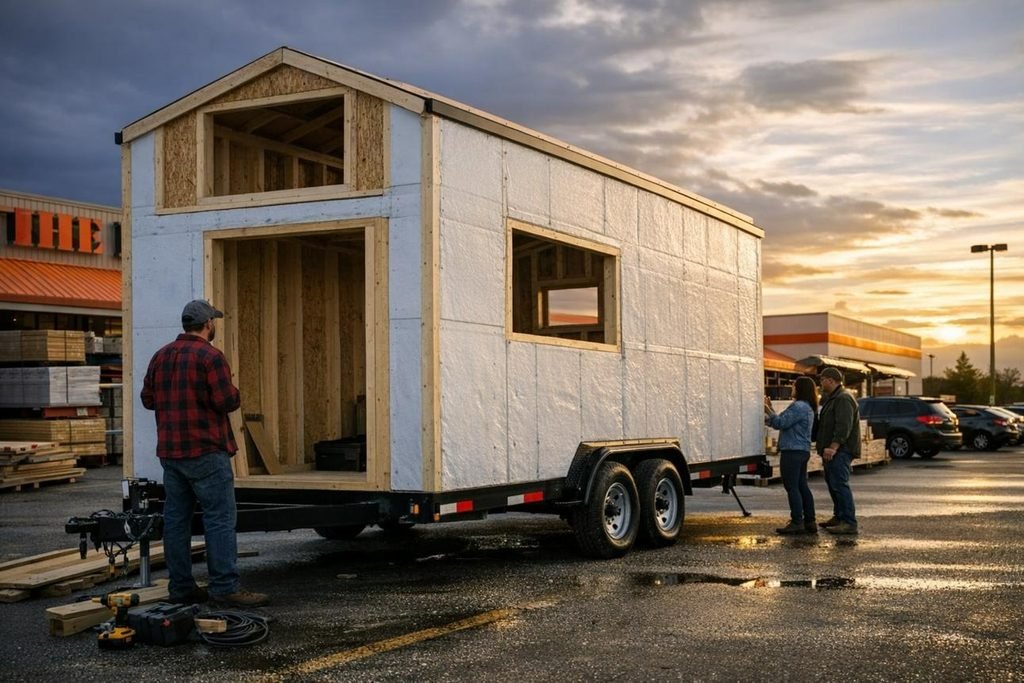
A tiny house shell is a partially completed structure built on a trailer. Depending on the seller, it may include the framing and exterior weatherproofing but leave insulation, interior walls, cabinets, plumbing, electrical work, and fixtures unfinished.
This option can be appealing to experienced DIY builders who want control over materials and interior design.
The lower advertised price, however, doesn’t necessarily mean a lower total cost. You’ll need to budget for materials, tools, specialist labor, inspections, and the time required to finish the home.
Before purchasing a shell, ask exactly what has been completed. One seller’s definition of a shell may differ considerably from another’s.
Pay attention to the trailer’s capacity and whether the structure has been designed to accommodate the additional weight of cabinets, appliances, bathroom fixtures, water, and other finishing materials.
Best for: Buyers with construction experience, time to complete the project, and a realistic budget for the remaining work.
Luxury and Off-Grid Tiny Houses
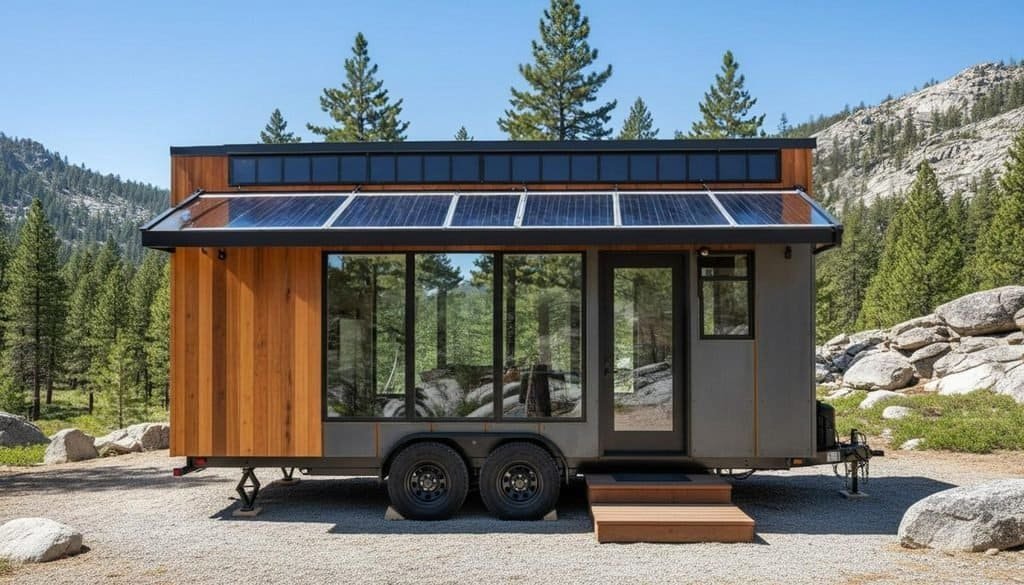
Luxury tiny houses combine compact living with upgraded finishes and equipment. Depending on the model, features may include full-size appliances, premium countertops, large windows, built-in storage, high-quality insulation, and more spacious bathrooms.
Off-grid models focus on reducing dependence on conventional utility connections. They may include solar panels, battery storage, water tanks, rainwater collection equipment, and composting toilets.
These features can improve comfort and flexibility, but they require careful planning. Solar capacity must match your electricity use, water storage must suit your household, and wastewater must be handled legally.
Off-grid equipment also needs maintenance. Batteries eventually require replacement, solar panels need suitable exposure, and water systems need regular cleaning and winter protection where freezing temperatures occur.
Best for: Buyers who prioritize comfort, energy independence, or remote locations and have enough budget for both the initial equipment and long-term upkeep.
How Much Do Tiny Houses on Trailers for Sale Cost?
The price of a tiny house on a trailer depends on its size, condition, construction quality, equipment, and level of customization. A simple used model may cost substantially less than a professionally built home with a complete kitchen, bathroom, and off-grid power system.
The following ranges provide a starting point for budgeting. They are broad estimates rather than verified current listings, so individual homes may fall above or below them.
| Type of tiny house | Illustrative purchase price |
| Used or basic tiny house | 15,000–40,000 |
| Unfinished tiny house shell | 20,000–50,000 |
| New professionally built tiny house | 50,000–100,000 |
| Custom or luxury tiny house | 100,000–150,000+ |
A home advertised for $25,000 might need significant repairs or interior finishing, while a $75,000 model might already include appliances, insulation, and a completed bathroom. Comparing prices without comparing specifications can lead to the wrong decision.
What Is Included in the Asking Price?
Before comparing tiny houses on trailers for sale, find out exactly what the advertised price covers.
A completed home may include a finished kitchen, bathroom, heating equipment, electrical installation, and built-in furniture. Other listings may exclude appliances, delivery, installation, or essential utility equipment.
Ask the seller for an itemized list of included features. Confirm whether the home is fully finished, partially completed, or sold as a shell.
It is also worth checking whether the quoted price includes sales tax, any applicable inspection or certification costs, and preparation for transportation. Some builders charge separately for delivery, custom modifications, or upgrades.
A useful rule: Compare the price of a home that is ready for your intended use with the total amount required to make another model equally usable.
Hidden Expenses Buyers Often Overlook
The purchase price is only one part of owning a tiny house on wheels. Additional expenses can add thousands of dollars, particularly when the home needs transportation, site preparation, or major utility work.
Common costs include:
- Delivery and transportation: Professional transport may be necessary for a heavy or oversized home.
- Land or parking: You may need to purchase land, rent a permitted site, or pay monthly community fees.
- Site preparation: Leveling, drainage, access improvements, and stable parking surfaces can add to the budget.
- Utility connections: Water, electricity, wastewater disposal, and internet may require installation or recurring service fees.
- Insurance and registration: Costs depend on the home’s classification, location, intended use, and coverage.
- Maintenance and repairs: Roofs, exterior finishes, plumbing, appliances, tires, brakes, and other components need ongoing attention.
For example, a buyer spending $60,000 on a completed tiny house may still need a separate budget for delivery, land access, utility setup, and initial maintenance. The actual total depends heavily on the property and the home’s specifications.
Don’t forget recurring expenses. A tiny house can require less energy than a larger home, but it isn’t automatically inexpensive to own if the parking site is costly or the building needs frequent repairs.
Is Financing Available for Tiny Houses on Trailers?
Financing options vary depending on the lender, purchase price, credit profile, and classification of the home.
Some buyers use personal loans, while others may qualify for financing offered by a tiny house manufacturer or dealer. Cash purchases are another option, particularly for less expensive used models.
Conventional mortgages may not be available for a movable tiny house that doesn’t meet the lender’s property requirements. RV financing may be possible for certain models, but eligibility can depend on how the home is classified and whether it meets the lender’s standards.
Before applying, ask potential lenders:
- Does the loan cover a tiny house built on a trailer?
- Must the home meet particular RV or construction standards?
- Is a down payment required?
- What are the interest rate, repayment period, and total borrowing cost?
- Are there restrictions on how or where the home can be used?
Compare the total repayment amount rather than focusing only on the monthly payment. A longer loan term may reduce monthly costs while increasing the total interest paid.
Smart buying tip: Obtain a realistic financing estimate before committing to a builder or paying a deposit. This helps you set a practical price limit and avoid choosing a home you cannot comfortably afford.
Where to Find Tiny Houses on Trailers for Sale
Finding the right tiny house involves more than browsing attractive photos and comparing advertised prices. You need a seller who can provide reliable specifications, explain what’s included, and supply documentation for the home and its trailer.
The best place to buy depends on whether you want a brand-new custom build, a used home at a lower price, or an unfinished shell you can complete yourself. Comparing several options helps you understand what your money will actually buy.
Tiny House Manufacturers and Builders
Buying directly from a tiny house manufacturer can make the process easier, particularly if you’re purchasing your first home on wheels. Established builders may offer several floor plans, different finish packages, and optional upgrades.
Some manufacturers build homes to order, while others sell completed models that are ready for delivery. Ask whether you can inspect a finished example before placing an order.
Before choosing a builder, look for:
- Detailed specifications: Confirm the dimensions, finished weight, trailer rating, insulation, and construction materials.
- Written pricing: Request a breakdown of the base price, optional upgrades, delivery, and other fees.
- Warranty information: Find out which components are covered, how long coverage lasts, and how repairs are handled.
- References and completed projects: Review previous builds and, where possible, speak with past customers.
- Clear payment terms: Understand the deposit, construction milestones, cancellation policy, and final payment requirements.
Be cautious when a builder offers an unusually low price but provides few details about construction or the trailer. A professional-looking website alone doesn’t prove that a home is well built.
Practical tip: Ask for the actual specifications of the model you’re considering rather than relying on general claims about the builder’s products.
Online Marketplaces and Used-Home Listings
Online marketplaces can help you compare used tiny houses on trailers across different states. Private sellers sometimes offer homes with appliances, furniture, solar panels, or other upgrades already installed.
When reviewing listings, look beyond the headline price and photographs. Check the home’s location, age, floor plan, trailer details, and condition. Ask for recent photographs of the roof, underside, trailer frame, bathroom, and plumbing areas.
Pay attention to whether the listing describes a complete home or a partially finished project. A listing advertised as move-in ready may still need repairs, transportation, or work before it can be occupied legally.
Watch for warning signs such as:
- Prices that seem unusually low compared with similar homes.
- Sellers who refuse reasonable inspection requests.
- Missing ownership documents or unclear trailer identification.
- Pressure to send a deposit before you see the home or verify the seller.
- Requests for unusual payment methods or transfers to unrelated parties.
Whenever possible, arrange an in-person inspection and verify the seller’s identity and ownership documents before transferring money. If you cannot visit, consider hiring an independent inspector or trusted representative.
Tiny House Dealers, RV Dealers, and Local Sellers
Dealers may offer a convenient way to compare several small towable homes in one place. Some specialize in tiny houses, while others primarily sell recreational vehicles or park model units.
These categories can look similar in photographs, but they aren’t necessarily interchangeable. A recreational vehicle may be designed for travel and temporary accommodation, while a tiny house may be intended for more permanent use.
The classification can affect insurance, financing, transportation requirements, and where the home can legally be occupied.
Ask the dealer what classification applies to the specific model and request supporting documentation. Don’t assume that a home can be registered as an RV, towed on public roads, or used as a permanent residence simply because it sits on a trailer.
Local sellers can also be worth considering because you may be able to inspect the home without arranging long-distance travel. However, local availability varies, and a nearby home isn’t automatically the best value.
Questions to Ask Before Contacting a Seller
Use these questions to compare listings and identify missing information before arranging a visit.
- Is the home new, used, or unfinished?
- What is the total price, including delivery and any required upgrades?
- What are the trailer’s make, model, weight rating, and identification details?
- What is the home’s actual weight, and what will it weigh when fully loaded?
- Are the kitchen, bathroom, heating, and electrical systems included and functional?
- Are there any known leaks, repairs, or structural problems?
- Is there a warranty, and what documentation comes with the home?
- Can I inspect the home before making a final payment?
- Has the seller verified the intended use and any applicable certification requirements?
A trustworthy seller should be willing to explain the home’s condition and provide the documentation they have. If important details remain unclear, take your time before committing.
How to Choose the Right Size, Layout, and Features
The best tiny house isn’t necessarily the biggest or most luxurious model you can afford. It’s the one that supports your everyday routine without making basic activities uncomfortable.
Think about how many people will live in the home, whether you work remotely, how often you cook, and whether you need a main-floor bedroom. These practical details should guide your choice of floor plan and features.
Small, Medium, and Larger Trailer Layouts
Tiny houses on trailers come in different sizes and configurations. A compact model may be easier to transport and maintain, while a larger layout can provide more storage and a more comfortable living area.
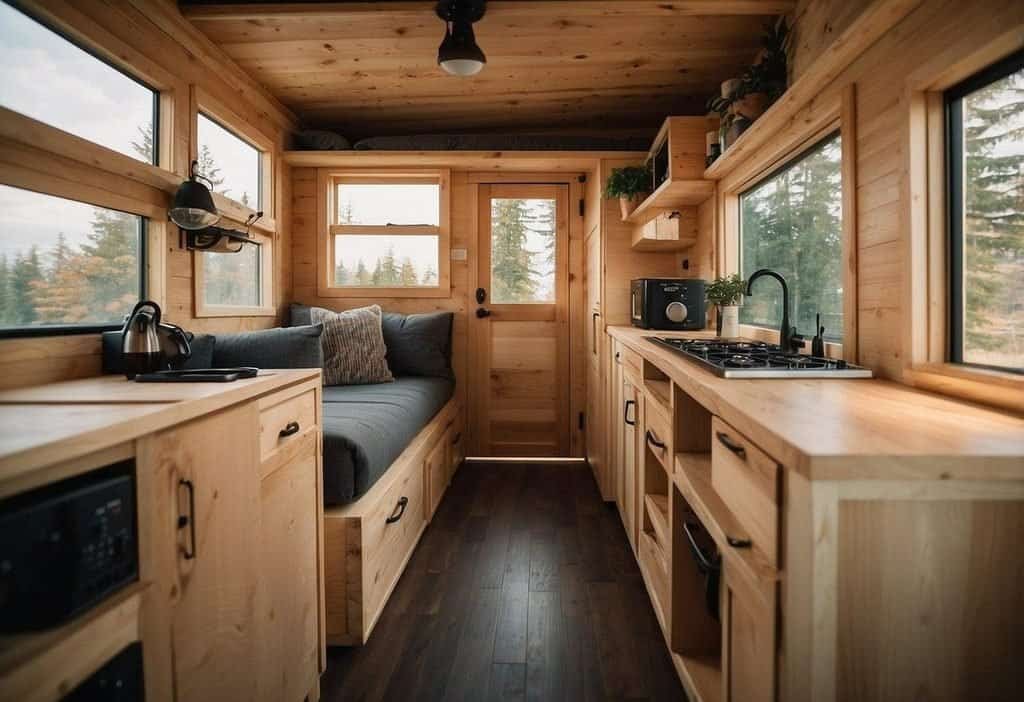
Compact layouts typically combine the kitchen, dining area, and living room into one space. They may suit solo occupants or couples who prioritize affordability and simplicity. The trade-off is limited storage and less privacy.
Loft-based layouts use vertical space for sleeping or storage. They can free up the main floor, but loft access may involve steep stairs or a ladder. Check ceiling clearance, headroom, ventilation, and whether you can comfortably use the space every day.
Larger layouts may offer more generous kitchens, wider living areas, and additional sleeping arrangements. Some have a main-floor bedroom, which can be especially useful for people who prefer not to climb stairs.
Before buying, measure the areas that matter to you. Check the bed dimensions, walkway width, refrigerator clearance, shower space, and room to open cabinets. A floor plan can look spacious on paper but feel cramped once furniture and appliances are installed.
Also consider the overall exterior dimensions. A wider or taller tiny house may create additional transportation challenges, even if its interior is appealing.
Essential Features Worth Paying For
Certain features can make a noticeable difference to comfort, durability, and long-term running costs.
Good insulation and ventilation: Proper insulation helps maintain comfortable temperatures, while ventilation removes moisture from cooking, showering, and everyday activities. Both are important in a compact home, where condensation can develop quickly.
A practical kitchen: Look for sufficient counter space, useful storage, and appliances that match your cooking habits. A two-burner cooktop may be enough for one person, while a household that cooks frequently may prefer a larger setup.
A comfortable bathroom: Check the shower dimensions, water-heating system, ventilation, and access to plumbing components. Ask how the wastewater system works and what is required at your intended parking location.
Well-planned storage: Drawers under stairs, built-in cabinets, wall shelving, and furniture with hidden storage can reduce clutter. Make sure storage is accessible rather than simply abundant.
Reliable heating and cooling: Choose equipment suited to your climate, insulation, and available energy supply. A heating system designed for a mild climate may struggle during a cold winter.
Quality windows and weatherproofing: Properly installed windows, roof flashing, exterior seals, and durable siding help protect the structure from moisture and weather damage.
Buyers considering off-grid living should also examine the capacity of the solar panels, batteries, water storage, and other systems. The equipment needs to match actual usage rather than simply look impressive in a listing.
Features That May Not Be Worth the Extra Cost
Custom upgrades can make a tiny house feel special, but not every feature improves everyday living.
Expensive countertops, elaborate decorative lighting, oversized entertainment systems, and complicated smart-home equipment may be unnecessary if your priorities are affordability and easy maintenance.
Consider the trade-offs before paying extra for:
- Oversized appliances: They may consume valuable space without providing much benefit to a small household.
- Large lofts with awkward access: Extra sleeping space isn’t useful if reaching it is uncomfortable or unsafe.
- Extensive custom cabinetry: Built-ins are valuable, but poorly planned cabinets can make rooms feel cramped.
- Premium finishes in high-wear areas: Durability and ease of cleaning may matter more than appearance.
- Oversized off-grid systems: Additional solar and battery capacity can be useful, but only when it matches your energy needs.
A useful approach is to separate essential features from optional upgrades before requesting a quote. Spend first on structural quality, weather protection, safe systems, and a layout you’ll enjoy using every day.
Remember: Every added feature contributes weight, cost, or maintenance. With a tiny house on a trailer, the extra weight can also affect the trailer’s remaining payload capacity and the requirements for towing the finished home.
Can Your Vehicle Tow a Tiny House on a Trailer?
Before buying a tiny house on wheels, make sure you have a realistic plan for transporting it. A home that looks compact in a listing can weigh several thousand pounds once its framing, appliances, furniture, water tanks, and personal belongings are included.
Some tiny houses are designed for occasional relocation, while others are too heavy or oversized for ordinary towing arrangements. Choosing the right model means understanding its weight, dimensions, and transportation requirements before signing a purchase agreement.
Understand the Numbers Before Choosing a Model
Trailer specifications can be confusing, especially for first-time buyers. Understanding a few key terms will help you determine whether a tiny house is compatible with your intended tow vehicle.
- Gross Vehicle Weight Rating (GVWR): The maximum permitted total weight of the loaded trailer, including the trailer itself and its cargo.
- Actual loaded weight: The real weight of the tiny house, trailer, installed equipment, belongings, and other cargo when ready for transport.
- Tongue weight: The downward force the trailer places on the hitch of the towing vehicle.
- Vehicle payload capacity: The weight the tow vehicle can carry, including passengers, cargo, and applicable hitch loads.
- Gross Combined Weight Rating (GCWR): The maximum permitted combined weight of the loaded towing vehicle and trailer, as specified by the vehicle manufacturer.
These numbers must work together. A truck with a high advertised towing capacity may still be unsuitable if the trailer’s tongue weight exceeds the truck’s payload or hitch limits.
Ask the tiny house seller for documentation showing the trailer’s rating and the home’s actual weight. If the home is unfinished, request an estimate of its completed weight, including furniture, appliances, water, and other equipment.
Never assume that a trailer is safe to tow simply because the seller says it is towable. The finished home must remain within the relevant weight ratings, dimensional limits, and applicable transportation requirements.
Why a Powerful Pickup Is Not Always Enough
A heavy-duty pickup can be a suitable towing vehicle for some tiny houses, but engine power alone doesn’t determine whether a combination is safe.
The vehicle’s braking system, suspension, tires, axle ratings, hitch, and payload capacity all matter. Trailer brakes and suitable electrical connections may also be required, depending on the trailer and applicable laws.
Exterior dimensions deserve attention, too. A tall or wide tiny house can create additional wind resistance and transportation challenges. Certain routes may have restrictions involving height, width, weight, or bridge clearance.
Before choosing a home, compare its documented specifications with the towing vehicle manufacturer’s limits. Consult a qualified towing professional if you aren’t sure how the ratings interact.
You should also consider how frequently you intend to move the house. A model suitable for occasional professional transport may not be practical for frequent trips between campsites.
When Professional Delivery Makes More Sense
Professional delivery can be the safer and more convenient option when a tiny house is heavy, oversized, or difficult to tow.
A transport company can assess the home’s dimensions, weight, route, and loading requirements. Depending on the circumstances, the company may also help arrange the necessary permits or escort services for an oversized load.
Before hiring a transporter, ask for:
- A written delivery quote covering the complete route.
- Confirmation that the company can transport your home’s dimensions and weight.
- Information about insurance coverage during transit.
- Details about route restrictions and any additional permit costs.
- Confirmation that the destination has adequate access for delivery and placement.
Remember that delivery doesn’t necessarily include positioning the home, leveling it, connecting utilities, or preparing the site.
If you plan to relocate only occasionally, paying a professional may be more practical than buying a heavy-duty towing vehicle solely for the tiny house.
Where Can You Legally Park and Live in a Tiny House on Wheels?
Finding tiny houses on trailers for sale is only half the challenge. You also need to know where you can legally place the home and whether you can use it as a full-time residence.
Rules vary considerably across the United States. A tiny house may be permitted in one location but restricted in another, even when the properties look similar.
Check the rules before purchasing the home, not after it arrives. This can help you avoid paying for a property or trailer-based home that cannot be used as intended.
Zoning Laws and Local Placement Rules
Local zoning regulations determine how land can be used and what types of structures or dwellings are permitted. The rules may distinguish between a recreational vehicle, a tiny house on wheels, an accessory dwelling unit, and a permanent residential building.
For example, a residential property might allow an accessory dwelling unit that meets local building requirements but prohibit long-term occupancy in an RV parked in the same yard.
Other jurisdictions may allow tiny houses in designated areas or under specific conditions involving minimum lot sizes, setbacks, utilities, and occupancy.
Before buying, contact the local planning or building department and explain exactly what you intend to do. Provide the home’s dimensions, trailer classification, and intended use.
Questions worth asking include:
- Can I use a tiny house on a trailer as my primary residence?
- Can it be parked on privately owned residential land?
- Are there minimum lot sizes or setback requirements?
- Does the home need a specific RV classification or building certification?
- Are permits required for utility connections or wastewater disposal?
- Can I occupy the home year-round, or only temporarily?
For general information about federal housing and manufactured housing programs, the U.S. Department of Housing and Urban Development is a useful starting point. However, federal guidance does not replace the local rules that govern where a specific tiny house can be placed.
RV Parks, Tiny House Communities, and Private Land
Your choice of parking location affects both the cost and convenience of tiny house living. Three common options are RV parks, tiny house communities, and privately owned land.
RV parks may offer established roads, electrical connections, water, and wastewater facilities. However, some parks accept only certain types of recreational vehicles, restrict long-term stays, or prohibit tiny houses that don’t meet their requirements.
Tiny house communities may offer designated spaces for small homes, shared amenities, and a neighborhood designed around compact living. Before committing, review the community’s lease terms, monthly fees, utility arrangements, and rules regarding permanent residency.
Private land can provide greater privacy and flexibility, but owning the land doesn’t automatically give you permission to live in a tiny house on a trailer. Zoning, septic requirements, access, and utility rules still apply.
Compare these options carefully:
| Parking option | Potential advantages | Important limitations |
| RV park | Existing facilities and possible short-term flexibility | Stay limits, fees, and restrictions on home types |
| Tiny house community | Small-home-oriented environment and possible shared amenities | Community rules, space rental, and availability |
| Private land | Privacy and greater control over the setting | Zoning, site preparation, utilities, and permits |
Ask about the total monthly cost rather than the advertised parking rate alone. Electricity, water, sewer service, trash collection, internet, and community fees may be charged separately.
If you plan to move between locations, verify the rules at every intended destination. A tiny house that is accepted by one community may not qualify at another.
Permits, Sanitation, and Utility Requirements
Even when parking is permitted, you may need to meet additional requirements before occupying the home.
Water and wastewater: Confirm how potable water will be supplied and where wastewater must go. A holding tank or composting toilet doesn’t automatically exempt a home from local sanitation rules.
Electricity: Check whether the site provides a suitable connection and whether the home’s electrical installation meets applicable requirements. Off-grid systems also need to be installed and operated safely.
Heating and ventilation: Make sure the home has appropriate heating, adequate ventilation, and protection against condensation. These features are especially important for year-round occupancy.
Fire safety: Ask about smoke alarms, carbon monoxide alarms where applicable, safe appliance installation, and required access or clearance around the home.
Permits and inspections: Depending on the location and classification, you may need approvals for construction, placement, utilities, or occupancy.
A practical approach is to obtain written guidance from the relevant local authorities and the property owner before paying a deposit. If you’re renting a site, make sure the agreement permits your specific type of tiny house and intended length of stay.
Tiny Houses on Trailers vs. Stationary Tiny Homes: Which Is Better?
Tiny houses on trailers and stationary tiny homes can both provide compact, comfortable living spaces. The main difference is that one is built around a trailer chassis, while the other is generally installed on a permanent or site-specific foundation.
Neither option is automatically cheaper or easier to live in. Your decision should depend on how you plan to use the home, where you want to place it, and how much flexibility you need.
| Consideration | Tiny house on a trailer | Stationary tiny home |
| Mobility | Can potentially be relocated when transport requirements are met | Generally intended to remain in one place |
| Foundation | Trailer chassis and suspension | Permanent or site-specific foundation |
| Initial expenses | Trailer and transport preparation may add costs | Foundation and site work may add costs |
| Maintenance | Includes the trailer, tires, brakes, and chassis | Focuses primarily on the structure and foundation |
| Placement requirements | May involve RV, parking, transport, and occupancy rules | Typically subject to applicable land-use and building rules |
| Best suited for | Buyers who value potential mobility and flexible placement | Buyers planning to remain in one location |
When a Tiny House on a Trailer Is the Better Choice
A trailer-based home may suit you if you want the option to relocate, prefer a compact footprint, or plan to use the home as a secondary retreat where permitted.
It can also be attractive to buyers who want to avoid constructing a conventional foundation. However, the trailer still needs an appropriate parking surface, and the home must be supported and secured according to its design and local requirements.
Consider the costs of transportation before choosing this route. A heavy tiny house may require professional delivery each time it moves, which can reduce the financial benefit of mobility.
When a Stationary Tiny Home Makes More Sense
A stationary tiny home may be a better fit if you already have suitable land and intend to stay in one place for many years.
Depending on the design and local rules, a permanent foundation can provide a more conventional building arrangement and may make certain utility connections or accessibility features easier to plan.
However, construction may involve excavation, foundation work, site preparation, and additional permitting. A permanent tiny home isn’t automatically approved just because it is small.
Compare the complete cost of each option, including land, foundation or trailer, utilities, insurance, maintenance, and legal placement.
The best choice comes down to your long-term plans. If mobility is important and you have confirmed where the home can legally go, a tiny house on a trailer may be worthwhile. If you want a stable, long-term residence on suitable land, a stationary tiny home may provide a more practical solution.
Common Mistakes to Avoid When Buying a Tiny House on a Trailer
Buying a tiny house can be exciting, especially when you find a model that looks perfect and fits your initial budget. However, rushing into a purchase can lead to unexpected repair bills, transportation problems, or difficulties finding a legal place to live.
Taking time to verify the details before paying can save you money and frustration later.
Choosing a Home Based Only on the Asking Price
A low advertised price can be tempting, but it doesn’t necessarily represent the best value. A used tiny house may need roof repairs, new appliances, trailer maintenance, or extensive interior finishing.
Compare the complete cost of making each home ready for your intended use. Include delivery, site preparation, utility connections, insurance, and any immediate repairs.
A cheaper home is only a bargain if it meets your needs without creating unreasonable additional expenses.
Assuming Every Tiny House Is Ready for the Road
Not every tiny house built on a trailer is suitable for regular transportation. Some are designed primarily to remain parked, while others may exceed standard towing dimensions or require specialized transport.
Before buying, verify the trailer’s ratings, actual loaded weight, dimensions, brakes, tires, and identification documents. Don’t rely solely on a seller’s statement that the home is towable.
If you’re purchasing a home that has been modified or moved several times, consider having the trailer and structure inspected by qualified professionals.
Buying Before Checking Local Laws
One of the most expensive mistakes is purchasing a tiny house before confirming where it can legally be parked and occupied.
A property owner may allow you to park a home on their land, but that permission doesn’t necessarily override local zoning or occupancy restrictions. The same issue can arise at RV parks and tiny house communities.
Contact the relevant local authorities and the property manager before paying a deposit. Confirm whether full-time residence is allowed, which permits may be necessary, and what utility or sanitation arrangements are required.
Skipping the Inspection
A tiny house can look excellent in photographs while concealing serious problems. Water intrusion, poor ventilation, unsafe wiring, damaged framing, or a deteriorating trailer can become expensive to repair.
Arrange an independent inspection whenever possible, especially for used homes or DIY builds. Ask the inspector to assess the building envelope, trailer components, plumbing, electrical systems, and any signs of moisture damage.
Request documentation for repairs and installed equipment. If the seller refuses a reasonable inspection or won’t explain major defects, consider walking away.
Ignoring Weight Limits and Future Equipment
The weight of a completed tiny house can increase after you add furniture, personal belongings, appliances, and water. This is particularly important for buyers planning to tow the home themselves.
Check the trailer’s capacity and the towing vehicle’s limits before purchasing. Leave room for the items you’ll actually carry rather than assuming the trailer can support unlimited additional weight.
Paying a Deposit Without Clear Terms
Before sending money, make sure the purchase agreement identifies the home, its specifications, the total price, the payment schedule, and the expected delivery date.
The contract should explain what happens if construction is delayed, the finished home differs from the agreed specifications, or either party cancels the purchase.
Verify the seller’s identity and ownership rights, and avoid pressure to transfer money through unusual or difficult-to-reverse payment methods.
How to Buy a Tiny House on a Trailer: A Step-by-Step Plan
A structured buying process makes it easier to compare homes objectively instead of getting distracted by attractive interiors or promotional offers.
Use the following steps to move from initial research to a purchase you can feel confident about.
Set Your Total Budget
Decide how much you can comfortably spend on the home and everything needed to use it.
Include the purchase price, transportation, site rental or land costs, utility connections, insurance, taxes, and an allowance for repairs. If you’re financing the purchase, account for interest and monthly repayments.
Keep a contingency fund for unexpected expenses. A tiny house may be compact, but replacing a trailer component or repairing water damage can still be costly.
Choose the Right Type of Tiny House
Decide whether you want a new custom-built home, a used model, an unfinished shell, or a luxury or off-grid design.
Think about how many people will live in the home, whether you’ll need a dedicated workspace, and whether a main-floor bedroom is important.
Write down your essential features and separate them from optional upgrades. This makes it easier to compare models with different prices and specifications.
Confirm Where You’ll Put It
Identify a realistic parking location before choosing a specific home.
Contact local planning or building officials, RV parks, tiny house communities, or property owners as appropriate. Verify that the home’s classification and intended use are permitted.
If you’re considering private land, check access, drainage, utility availability, and any applicable requirements for wastewater and occupancy.
Verify Size and Weight
Request the home’s exact exterior dimensions, trailer specifications, and actual or estimated completed weight.
If you plan to tow it yourself, confirm that your vehicle meets all applicable towing, payload, hitch, and combined-weight limits. If professional delivery is necessary, obtain a quote before finalizing your budget.
Compare Multiple Listings
Try to compare at least three suitable homes when possible. Look at more than price: examine construction quality, insulation, appliances, storage, trailer condition, warranties, and delivery arrangements.
A comparison table can help you stay organized.
| Buying factor | Home A | Home B | Home C |
| Total purchase price | |||
| New or used | |||
| Actual or estimated weight | |||
| Trailer specifications | |||
| Insulation and heating | |||
| Bathroom and kitchen included | |||
| Delivery cost | |||
| Warranty or inspection records | |||
| Suitable legal parking location |
Fill in the information as sellers respond. Missing details can reveal which homes need further investigation.
Arrange an Inspection
Inspect the home in person if possible. If you cannot travel to the seller, arrange an independent inspection and request detailed photographs or videos.
Check the trailer frame, tires, brakes, roof, windows, flooring, plumbing, electrical installation, and heating equipment. Ask about past leaks, repairs, and transportation history.
For a new build, review the contract specifications and confirm that the finished home matches what you ordered.
Review the Paperwork
Before completing the purchase, verify the seller’s ownership documents and the applicable trailer title or registration records. Confirm the VIN or other required identification and check that the details match the home being sold.
Review the contract, payment schedule, warranty, delivery arrangements, and any relevant certifications. If something is unclear, ask for clarification in writing.
Don’t assume that a seller’s description of a home as road-legal, RV-certified, or suitable for permanent residence is sufficient proof. Verify the claims that matter to your intended use.
Plan Delivery and Setup
Prepare the destination before the tiny house arrives. Make sure the access route is suitable for the delivery vehicle and that the site has enough space for positioning the home.
Arrange any required leveling, stabilization, utility connections, and inspections. Confirm who is responsible for each task and whether these services are included in the delivery price.
A little planning at this stage can prevent delays and additional charges after the home arrives.
Frequently Asked Questions About Tiny Houses on Trailers for Sale
How much does a tiny house on a trailer cost?
Prices vary by size, condition, and features. As a broad planning guide, used or basic models may cost around 15,000–40,000, unfinished shells around 20,000–50,000, and professionally built homes around 50,000–100,000. Custom and luxury homes can exceed $150,000. Delivery, land, utilities, and other expenses may increase the total cost.
Are tiny houses on trailers cheaper than regular homes?
They often have a lower initial purchase price than conventional houses, but total affordability depends on land, parking, transportation, utility connections, financing, and maintenance. A tiny house isn’t automatically the cheapest option if suitable land is expensive or local rules limit where you can live.
Can I live in a tiny house on a trailer year-round?
Yes, where local regulations permit it and the home is properly equipped. Year-round comfort depends on insulation, heating, ventilation, weatherproofing, and reliable utilities. You should also verify that the intended site allows permanent occupancy.
Do tiny houses on trailers need to be registered?
Requirements depend on the trailer, the home’s classification, how it will be transported, and applicable state and local laws. Check the relevant motor vehicle agency and local authorities to determine which title, registration, inspection, or certification requirements apply.
Can I buy a tiny house on a trailer and move it myself?
Possibly, but you need a suitable towing vehicle and must comply with applicable weight, dimension, equipment, and road requirements. Some tiny houses are too heavy or oversized for ordinary towing and are better transported by a professional.
Is it better to buy a new or used tiny house on a trailer?
New homes offer opportunities for customization and may include builder warranties. Used homes can offer savings and quicker availability, but their condition needs careful assessment. Compare the complete cost, construction quality, documentation, and expected repairs before deciding.
Can I put a tiny house on a trailer in my backyard?
That depends on local zoning, property restrictions, the home’s classification, and how you intend to use it. Some areas allow certain accessory dwellings or temporary RV placement, while others restrict permanent occupancy in a trailer-based home. Check with your local planning or building department before buying.
Are tiny houses on trailers suitable for off-grid living?
They can be, provided their solar power, battery storage, water supply, heating, and sanitation systems match your needs. Consider your climate and daily energy use, and verify local rules for wastewater disposal and other off-grid systems. Remember that off-grid equipment also requires maintenance and eventual replacement.
Finding the right tiny house on a trailer starts with understanding what you need, what you can afford, and where you’re allowed to live. The most attractive listing isn’t necessarily the best choice if the trailer is unsuitable, the construction is questionable, or the parking arrangements don’t work.
Compare several homes, verify the specifications, and inspect the structure before committing your money. Explore tiny houses on trailers for sale with your budget, preferred layout, and intended location in mind, and prioritize a home that will be safe, practical, and comfortable for the way you want to live.
