
Finding tiny worms in your bathroom floor can be unpleasant, especially when they appear near the shower, toilet, or floor drain without an obvious explanation. These small, worm-like creatures often show up in damp bathrooms, and their presence may point to drain buildup, excess moisture, plumbing leaks, or gaps that allow organisms to enter from outside.
The good news is that most of these problems can be managed once you identify what you are dealing with. This guide explains what tiny worms in bathroom floors look like, why they appear, how to distinguish common types, and what you can do to remove them and prevent them from returning.
In This Article
Tiny Worms in Bathroom Floor: What Are They?
Tiny worms on bathroom floors are not always actual worms. Several types of larvae and small moisture-loving organisms can look similar, making it important to examine their appearance, movement, and location before choosing a treatment.
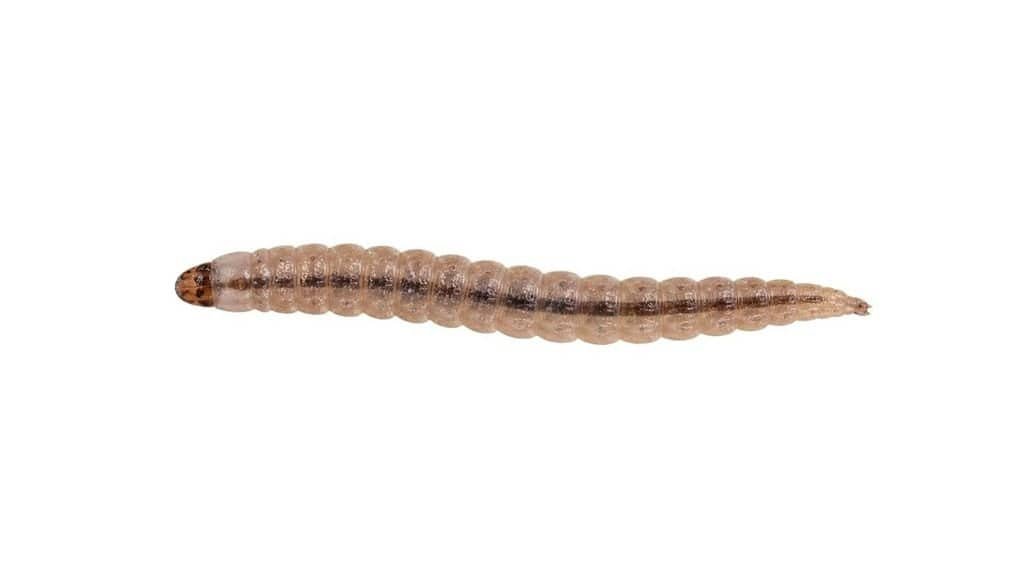
The most common possibility is drain fly larvae, particularly when the creatures appear close to a shower drain, bathtub drain, or floor drain. These larvae develop in the slimy organic material that accumulates inside plumbing.
Other possibilities include small earthworms that enter through gaps in the floor, tiny white worms associated with damp organic material, and larvae from insects that breed in wet or dirty areas.
Add to Favorites
Add to Favorites
7
Add to Favorites
The Most Common Types of Tiny Worms in Bathrooms
Identifying the creature is the first step toward solving the problem. Different species require different treatments, so avoid assuming every worm-like organism comes from the drain.
- Drain fly larvae: These are small, slender larvae that may appear gray, cream, or brownish. They are commonly associated with organic buildup inside drains.
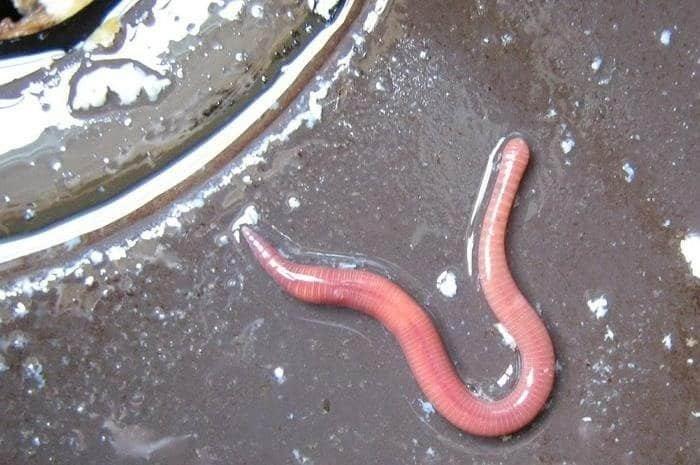
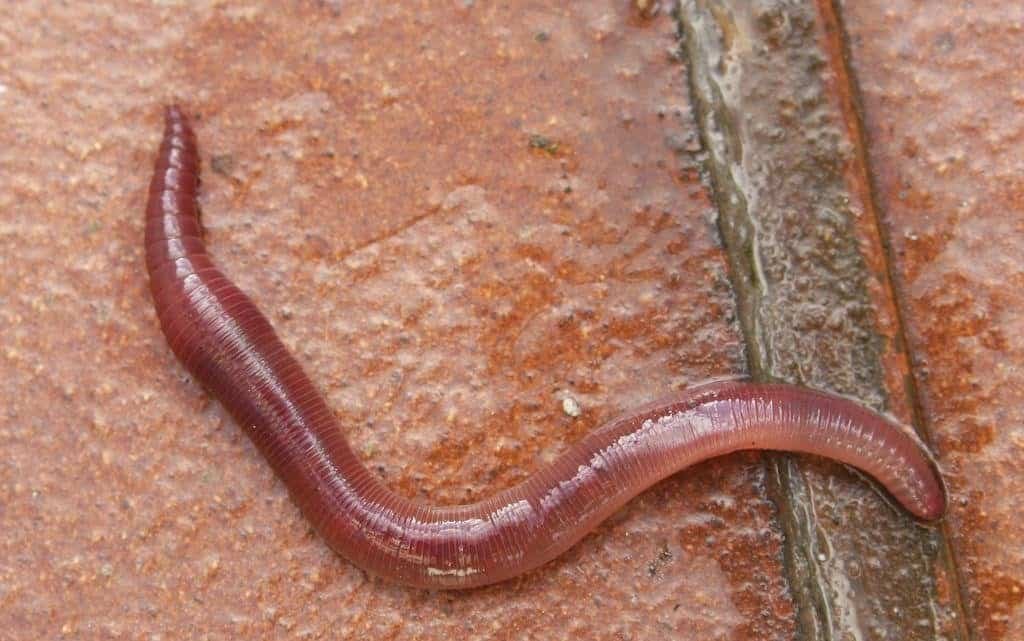
- Earthworms: These are usually pink, reddish-brown, or brown, with soft, segmented bodies. They may crawl into bathrooms through floor gaps or other openings, particularly after heavy rain.
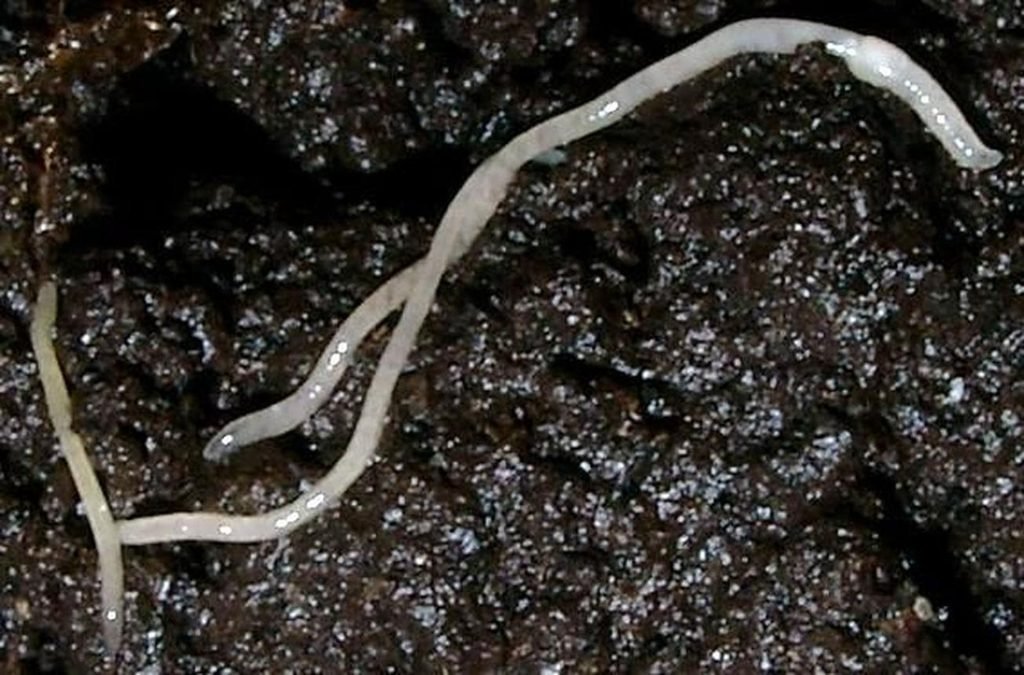
- Pot worms: These tiny, thin, pale worms are generally associated with persistently moist soil, decaying organic matter, or damp materials.
- Other insect larvae: Small larvae may develop in accumulated debris or other suitable breeding sites. Their appearance varies depending on the insect.
Location provides an important clue. Worm-like creatures appearing repeatedly around one drain suggest a possible drain-related source. Creatures scattered across the floor, especially after rain, may have entered through gaps or been carried in with moisture.
Where Do Tiny Worms Usually Appear?
Pay attention to where you first notice the creatures and whether they return to the same spot.
| Location | Possible explanation |
| Around a shower or floor drain | Drain fly larvae or organisms emerging from the drain area |
| Near the toilet base | Moisture, a damaged seal, or a nearby entry gap |
| Along grout lines or tile edges | Dampness, cracks, or hidden gaps |
| Near the bathroom door | Creatures entering from an adjacent room or outdoor area |
| In wet corners behind the toilet | Persistent moisture and accumulated debris |
| Near plumbing penetrations | Gaps around pipes or possible plumbing leaks |
These locations are clues, not definitive proof of the source. For example, finding larvae near a drain does not automatically mean they originated inside it.
If you cannot identify the creature, take a close-up photograph before cleaning it away. A clear picture can help you compare its shape and color with common bathroom pests or obtain an identification from a pest professional.
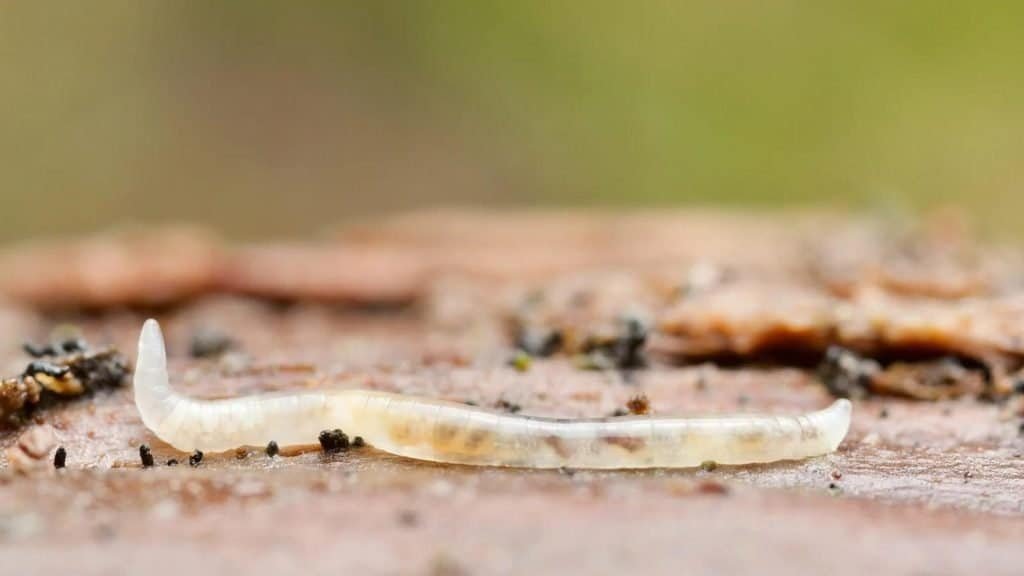
What Do Tiny Worms in Bathroom Floor Look Like?
Tiny worms in bathroom floors can range from pale, threadlike creatures to darker, segmented larvae. Some are only a few millimeters long, while others may be noticeably larger.
Their color, body shape, movement, and preferred location are more useful for identification than size alone.
Add to Favorites
Add to Favorites
7
Add to Favorites
Drain Fly Larvae: Small Gray or Brown Worm-Like Creatures
Drain fly larvae are one of the main suspects when tiny worms appear around bathroom plumbing.
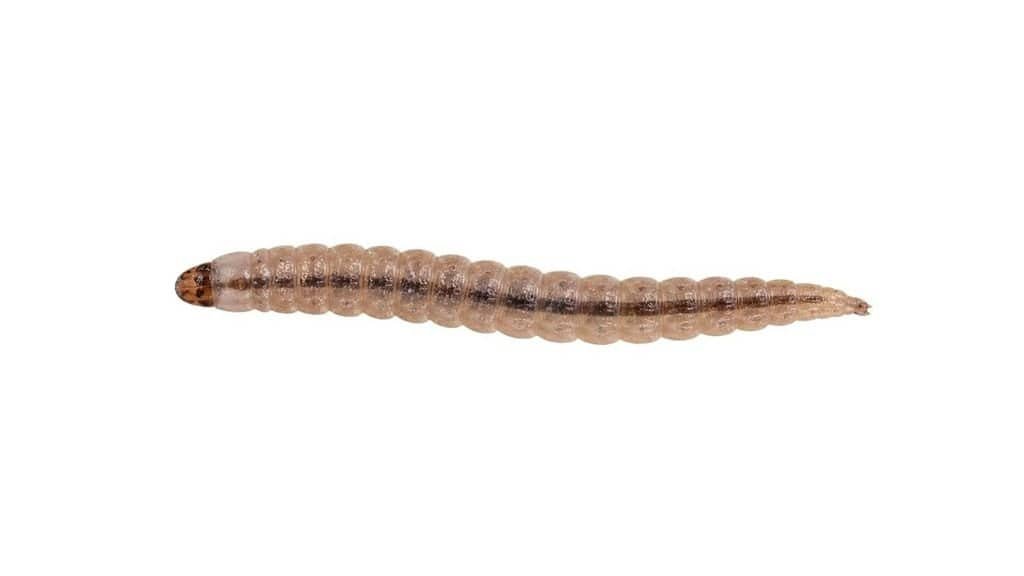
They typically have elongated, segmented bodies and may look grayish, brown, or cream-colored. Their darker head can sometimes be visible under close inspection.
You may find them:
- Crawling around a shower or floor drain.
- On wet tiles immediately surrounding a drain.
- In accumulated grime near drain openings.
- Along damp surfaces where organic debris collects.
Adult drain flies are another useful clue. These tiny, fuzzy-looking flies often rest on bathroom walls near sinks, showers, or drains.
What to do: Inspect the drain for accumulated slime and debris. Clean accessible drain surfaces thoroughly rather than relying on a quick rinse. Removing the material where larvae develop is generally more effective than simply killing the visible larvae.
Earthworms: Pink or Reddish-Brown Worms on Wet Tiles
Earthworms usually look more like the worms people recognize from gardens. Their bodies are elongated, moist, and segmented, and they often have a pinkish, reddish-brown, or dark brown appearance.
They may appear in bathrooms after prolonged rain, particularly in homes with ground-level bathrooms, crawl spaces, slab cracks, or gaps around plumbing.
Earthworms do not typically breed inside clean bathroom drains. When one appears on the floor, it may have entered from outside or from damp soil beneath or around the building.
What to do: Remove the worm, dry the area, and inspect the nearby floor edges, pipe openings, and exterior walls for possible entry points. If the same problem keeps happening, investigate the source of the moisture rather than treating the bathroom floor alone.
Tiny White Worms: What Could They Be?
Small white worms are particularly difficult to identify because several unrelated organisms can look like pale threads.
Possible explanations include:
- Pot worms: Tiny, whitish worms associated with very moist organic material or soil.
- Pale insect larvae: Certain larvae appear cream-colored or nearly translucent, especially when young.
- Other small organisms: Some moisture-associated species may be mistaken for worms at a glance.
Look closely at their shape and movement. Note whether they are concentrated near a drain, damp debris, a potted plant, or a crack along the floor.
Do not assume that white creatures are harmless or that they must be drain fly larvae. If they keep appearing despite cleaning, photograph them and seek a reliable identification before applying pesticides or aggressive drain treatments.
Quick Comparison: Identify the Worm Before Treating It
| Appearance or clue | Possible source | Best first step |
| Gray or brown larvae near a drain | Organic drain buildup | Inspect and clean the drain |
| Pink or reddish-brown segmented worm | Earthworm entering from outside | Check moisture and entry gaps |
| Extremely thin, pale worms near wet organic matter | Pot worms or other small organisms | Inspect the surrounding material |
| Worm-like creatures with small fuzzy flies nearby | Possible drain fly infestation | Check drains for breeding material |
| Repeated appearances near a damp tile joint | Possible hidden moisture or entry gap | Inspect the joint and investigate leaks |
These comparisons can help narrow down the possibilities, but they are not a substitute for species identification when the problem is persistent or unusual.
Top 7 Causes of Tiny Worms in Bathroom Floor
Tiny worms rarely appear without a reason. Bathrooms provide the moisture that many small organisms need, while drains, damp debris, and hidden gaps can provide shelter or access.
Identifying the underlying cause is essential because cleaning up the visible creatures may solve only the immediate problem.
Organic Buildup Inside Bathroom Drains
One of the most common explanations for worm-like larvae near bathroom drains is the accumulation of organic material inside the plumbing.
Hair, soap residue, skin cells, and other debris can combine to form a slimy layer on drain walls. Drain flies may lay eggs in this material, allowing larvae to develop where moisture and food are readily available.
The drain opening may look clean from above while buildup remains farther down the pipe or beneath the drain cover.
Signs to watch for:
- Small, dark, or grayish larvae near a drain.
- Tiny fuzzy flies resting on nearby walls.
- A persistent film or unpleasant smell around the drain.
- Creatures returning after the floor has been cleaned.
Best solution: Remove accessible debris, scrub suitable drain surfaces, and use an appropriate drain cleaner according to its label if additional treatment is needed. If the infestation persists, a plumber or pest professional can help locate the breeding source.
Standing Water and Excessive Bathroom Humidity
A consistently wet bathroom creates favorable conditions for many moisture-loving organisms. Water may collect around the shower, under bath mats, behind the toilet, or in corners that do not dry properly.
Poor ventilation makes the situation worse by slowing evaporation. Over time, persistent dampness can also encourage mold growth and damage grout or other building materials.
Check whether your bathroom remains wet long after showering. A working exhaust fan, adequate airflow, and a dry floor can make the environment less attractive to many small pests.
Best solution: Remove standing water, hang wet bath mats to dry, wipe down persistently wet areas, and run the bathroom exhaust fan during and after showers.
Humidity alone does not prove that worms are breeding in the bathroom. It is a condition that can support certain organisms and may signal another underlying issue.
Leaking Pipes Beneath Sinks, Showers, or Floors
A hidden plumbing leak can keep an area damp even when the visible bathroom floor appears relatively dry.
Small leaks may develop beneath a sink, around a shower drain, behind a wall, or under flooring. Persistent moisture can attract moisture-loving organisms and contribute to deterioration of building materials.
Watch for warning signs such as:
- Damp grout or tiles that never seem to dry.
- Musty odors that persist after cleaning.
- Discoloration on walls or ceilings below a bathroom.
- Water stains around plumbing fixtures.
- Loose tiles, soft flooring, or recurring patches of moisture.
Best solution: Fix the leak and allow the affected area to dry properly. If moisture appears to be coming from beneath the floor or behind a wall, arrange a plumbing inspection instead of repeatedly treating the visible surface.
Cracked Grout and Gaps Around Floor Tiles
Cracked grout, loose tiles, and openings around plumbing can allow moisture to collect in places that are difficult to clean.
These spaces may also provide access for small organisms moving from damp soil, crawl spaces, or adjacent areas. However, a crack does not automatically mean that worms are living beneath the tile.
Inspect grout lines, corners, and the areas where pipes pass through the floor or wall. Look for recurring dampness, loose materials, or visible gaps.
Best solution: Repair damaged grout with a suitable product and seal appropriate gaps around plumbing. If the floor remains wet beneath the surface, investigate the source of the moisture before simply covering the opening.
Poorly Sealed Floor Drains and Plumbing Openings
Floor drains and plumbing penetrations can provide access points for small organisms, depending on the building’s design and condition.
A missing or damaged drain cover, poorly sealed pipe opening, or defective drain assembly may make it easier for creatures to enter the bathroom.
Drain traps also matter. A properly functioning trap helps block sewer gases from entering the room. If a drain is unused for long periods, its water seal may evaporate, while damaged plumbing can create other problems.
Best solution: Check that drain covers fit properly and that openings around pipes are appropriately sealed. If you notice sewer odors, gurgling, recurring backups, or unusual moisture, have the plumbing inspected.
Never assume that worms coming from a drain necessarily indicate a sewer problem. Many larvae develop in ordinary organic buildup near the drain opening.
Earthworms Entering Through Damp Soil or Foundation Gaps
Earthworms may occasionally enter a bathroom from outside, particularly during wet weather.
Heavy rain saturates the soil and can push earthworms toward sheltered areas. Ground-level bathrooms, older homes, crawl-space construction, and gaps around pipes may provide possible entry routes.
An earthworm found near a doorway or wall is more consistent with outside entry than an established population of drain fly larvae, although location alone cannot confirm the cause.
Best solution: Inspect exterior walls, thresholds, and plumbing openings for gaps. Correct drainage problems that leave soil persistently wet against the home, and seal suitable entry points using materials appropriate for their location.
Avoid blocking required drainage openings or covering areas that need ventilation. The goal is to keep unwanted organisms out without creating another moisture problem.
Dirty Bathroom Corners and Hidden Organic Debris
Not every infestation starts inside a drain. Hair, soap residue, damp dust, and other organic debris can collect behind the toilet, under cabinets, along baseboards, or beneath bath mats.
These neglected areas may support small organisms or attract insects that lay eggs in suitable material.
Check locations that are easy to overlook, including:
- Behind the toilet and around its base.
- Beneath removable bath mats.
- Along the edges of shower enclosures.
- Around the bottom of bathroom cabinets.
- Near laundry baskets or damp towels.
Best solution: Remove debris, clean the affected surface, and allow the area to dry. If the creatures return to the same location, investigate whether moisture or an inaccessible breeding source remains.
The most effective approach is to match the treatment to the cause. Drain larvae need attention to the drain’s organic buildup, while earthworms entering from outdoors require attention to moisture, access points, and surrounding conditions.
Why Are Tiny Worms Coming Out of My Bathroom Drain?
If you keep finding tiny worms near your shower drain, bathtub drain, or bathroom floor drain, the plumbing is one of the first places to investigate. Drain fly larvae are a common possibility because they develop in the moist organic buildup that accumulates inside drains. However, other small organisms may also appear near plumbing, so it is important to examine the evidence before choosing a treatment.
A drain can look clean from above while still containing a layer of organic residue beneath the cover or along its inner walls. This material provides food and shelter for drain fly larvae, allowing them to develop out of sight.
How Drain Fly Larvae Develop Inside Bathroom Drains
Drain flies are small, fuzzy-looking insects sometimes called moth flies. They often rest on bathroom walls near sinks, showers, and other damp areas.
Their life cycle helps explain why worm-like creatures may suddenly appear on the floor. Adult flies lay eggs in suitable moist organic material, and the eggs hatch into larvae. These larvae feed on microorganisms and decomposing matter within the buildup.
As the larvae develop, some may become visible near the drain or on nearby wet surfaces. Adult flies may continue laying eggs if the breeding material remains undisturbed.
Common signs of a possible drain fly problem include:
- Tiny grayish, brownish, or pale larvae near the drain opening.
- Small, fuzzy flies resting on bathroom walls.
- Repeated appearances in the same area after cleaning.
- Slimy residue around the drain cover or inside accessible drain surfaces.
- A persistent unpleasant smell from accumulated organic debris.
The key is to remove the breeding material, not just the visible larvae. Killing a few creatures on the floor will not solve the problem if eggs and larvae remain in the drain.
How to Check Whether the Worms Are Coming From the Drain
You can perform a simple inspection without dismantling your plumbing.
- Photograph the creatures. Take a close-up picture to record their shape, color, and approximate size.
- Inspect the drain cover. Look for hair, soap residue, dark film, and other visible debris.
- Check the surrounding floor. Notice whether the creatures cluster directly around the drain or appear in several unrelated locations.
- Look for adult drain flies. Small, fuzzy flies resting nearby can support the possibility of a drain fly infestation.
- Clean the accessible drain surfaces. Remove debris and scrub suitable surfaces with a drain brush if the drain design allows it.
- Monitor the area. Check whether new creatures appear over the following days.
A simple monitoring method can help distinguish a recurring drain problem from an isolated incident. If the creatures repeatedly appear at the same drain, investigate further rather than assuming the floor itself is the source.
Avoid putting your hands deep into a drain or removing plumbing components unless you know how to do so safely. Some drains have inaccessible parts or fittings that can be damaged by improper handling.
What If the Worms Are Coming From Beneath the Floor?
Sometimes, the drain is not responsible. If worms appear along tile edges, near a wall, or around the base of a toilet, investigate possible moisture problems and entry points.
Look for damp grout, loose tiles, gaps around pipes, or water that seems to return after the surface has dried. Earthworms may enter from wet soil, while persistent leaks can create conditions that support other moisture-loving organisms.
A foul sewer odor, wastewater backup, or recurring water seepage deserves particular attention. These signs may indicate a plumbing problem that routine cleaning cannot resolve.
When the source remains unclear, do not keep pouring different products into the drain. Identify the likely cause first, and contact a plumber if you suspect a hidden leak, damaged drain assembly, or plumbing defect.
Are Tiny Worms in Bathroom Floor Dangerous?
Most tiny worms and worm-like larvae found in ordinary bathrooms are more of a nuisance than a direct threat to people. Drain fly larvae, for example, are not generally considered biting pests.
Still, their presence should not be ignored. They may indicate accumulated organic material, persistent moisture, or a maintenance issue that needs attention. The level of concern depends on what the creatures are and where they came from.
Can Tiny Bathroom Worms Harm People or Pets?
The common organisms discussed in this article generally do not attack people or pets. Earthworms, for instance, are not household parasites, while drain fly larvae are associated with dirty, wet organic material rather than feeding on humans.
The main practical concern is hygiene. Organisms emerging from drains or damp debris may have been exposed to contaminated surfaces. Avoid handling unidentified creatures with bare hands, and keep pets from licking or eating them.
Take these precautions when cleaning:
- Wear disposable gloves when removing visible worms or larvae.
- Use paper towels or another suitable disposable tool to collect them.
- Place the collected material in a sealed trash bag.
- Clean the affected surface with an appropriate household cleaner.
- Wash your hands thoroughly after cleanup.
- Keep cleaning products away from children and pets, following label instructions.
Finding a few worm-like creatures does not automatically mean that your bathroom is unsafe. However, repeated appearances deserve investigation because they may signal an ongoing source of moisture or organic buildup.
When Tiny Worms May Indicate a Bigger Problem
Certain accompanying signs are more concerning than the creatures themselves.
| Warning sign | What it could indicate | Recommended action |
| Worms repeatedly appearing near one drain | Persistent organic buildup or a nearby breeding source | Inspect and clean the drain |
| Sewage-like odor | A dry drain trap, plumbing defect, or drainage problem | Investigate the odor and arrange a plumbing inspection if it persists |
| Water seeping through tiles | A leak or moisture beneath the flooring | Contact a plumber or qualified building professional |
| Slow drains or wastewater backups | A blockage or plumbing malfunction | Stop relying on surface cleaning and investigate the drainage issue |
| Persistent dampness and musty smells | Hidden moisture or inadequate ventilation | Find and correct the moisture source |
| Numerous unidentified creatures appearing throughout the bathroom | An unresolved infestation or multiple entry points | Obtain professional identification |
A particularly important distinction is the difference between an ordinary musty smell and a sewage odor. A persistent sewage-like smell should not be masked with air fresheners because the underlying drainage issue may need repair.
Likewise, repeatedly finding worms alongside soft flooring, loose tiles, or damp walls may indicate a moisture problem beneath the visible surface. The worms may be a symptom rather than the main problem.
Should You Use Insecticides or Strong Chemicals?
Not necessarily. Spraying insecticide across the bathroom floor may kill exposed creatures, but it will not correct a leaking pipe, remove drain buildup, or close an entry gap.
Strong chemicals can also create unnecessary risks, especially in small bathrooms with limited ventilation. Never mix bleach with ammonia, acids, vinegar, or other cleaning products. Dangerous gases can result from incompatible mixtures.
Choose a treatment based on the likely source:
- Suspected drain fly larvae: Remove organic buildup and use an appropriate drain treatment if necessary.
- Earthworms entering from outdoors: Remove the worms and investigate moisture and entry points.
- Worms associated with a leak: Repair the plumbing problem and dry the affected area.
- Unidentified or persistent creatures: Seek professional identification before applying pesticides.
The safest and most effective approach is to identify the organism, remove its source, and correct the conditions that allow it to return.
Do This Immediately When You Find Tiny Worms on Your Bathroom Floor
Discovering tiny worms in your bathroom can be unsettling, but you do not need to start with harsh chemicals or expensive treatments. A few practical steps can help you clean the area, narrow down the source, and decide what needs attention next.
Follow This Bathroom Worm Cleanup Checklist
Step 1: Photograph the creatures before removing them.
Take a clear picture in good lighting. Include a familiar object nearby for scale if possible. Their shape, color, and body segments may help distinguish larvae from actual worms.
Step 2: Keep children and pets away from the affected area.
Prevent direct contact until the creatures have been removed and the floor has been cleaned. This is especially important if you have used any cleaning products.
Step 3: Remove the visible worms.
Wear disposable gloves and use paper towels or a suitable disposable tool. Place the collected creatures in a sealed trash bag, then wash your hands.
Avoid crushing unidentified creatures with bare hands or spreading them across the floor while cleaning.
Step 4: Clean the affected floor.
Use a household bathroom cleaner suitable for the tile, grout, or flooring material. Follow the label instructions, and do not combine products.
Pay attention to corners, tile edges, and the area around the drain where residue may accumulate.
Step 5: Remove standing water and dry the area.
Wipe up water around the shower, toilet, and floor drain. Lift bath mats so the floor beneath them can dry, and run the exhaust fan if available.
Drying the bathroom will not eliminate every possible source, but it helps reduce the persistent moisture that many unwanted organisms need.
Step 6: Inspect nearby drains and plumbing.
Look for visible buildup, loose drain covers, damaged grout, damp pipe connections, or gaps around plumbing openings. Do not dismantle fixtures or disturb electrical equipment to investigate a suspected leak.
Step 7: Monitor the same area over the next few days.
Check whether new creatures appear, where they are located, and whether adult flies are present. Recurring activity near one drain suggests a different problem from occasional earthworms appearing near a doorway after rain.
What Not to Do When You Find Tiny Worms
Some common reactions can make the situation harder to resolve.
- Do not assume every worm comes from the drain. The actual source may be a leak, damp debris, or an opening to the outdoors.
- Do not rely on spraying the floor alone. Surface treatments cannot remove an established breeding source hidden inside a drain.
- Do not pour boiling water into every drain. Hot water may damage certain plumbing components, seals, or pipes and is not a dependable treatment for established drain fly infestations.
- Do not mix cleaning chemicals. Use one appropriate product at a time and follow its instructions.
- Do not ignore repeated dampness. Persistent moisture can indicate a plumbing or building issue that needs repair.
- Do not seal a suspected entry point before checking for leaks. Closing a gap without correcting the underlying moisture can conceal a larger problem.
A Simple Way to Narrow Down the Cause
Use the location and timing of the appearance as your first clues.
- Worms appear repeatedly around the shower drain: Start by inspecting the drain for organic buildup and look for adult drain flies.
- Pink or brown worms appear after heavy rain: Inspect the bathroom entrance, exterior walls, and gaps around plumbing for possible entry routes.
- Creatures appear near a toilet base or damp tile joint: Check for persistent moisture, damaged grout, or a plumbing leak.
- Tiny pale worms appear near damp organic debris: Remove the debris, clean the surface, and try to identify the organisms before selecting a treatment.
- Worms return despite cleaning: Investigate hidden sources and consider professional help instead of repeatedly treating the visible floor.
Your immediate goal is to clean the bathroom and collect enough information to identify the source. Once you know whether the problem involves drain fly larvae, outside entry, or hidden moisture, you can choose a targeted solution rather than wasting time on treatments that do not address the cause.
How to Get Rid of Tiny Worms in Bathroom Floor: 6 Best Solutions
Getting rid of tiny worms in your bathroom requires more than picking them up or wiping the tiles. The most effective treatment depends on whether you are dealing with drain fly larvae, earthworms entering from outdoors, or creatures associated with persistent moisture.
Start with the most likely source, clean the affected area, and correct any conditions that allow the problem to continue. These six solutions cover the most common situations.
Clean the Bathroom Floor Drain and Remove Organic Buildup
If tiny gray or brown larvae keep appearing near a bathroom drain, start by inspecting the drain for accumulated hair, soap residue, and slimy organic material.
This buildup can provide food and shelter for drain fly larvae. Simply rinsing the drain with water may leave much of the residue attached to its walls.
Follow these steps:
- Remove the drain cover if it is designed to be removed safely.
- Put on disposable gloves and remove accessible hair and debris.
- Use a drain brush suitable for your drain to scrub accessible surfaces.
- Clean the drain cover and surrounding area with an appropriate household cleaner.
- Rinse according to the cleaner’s instructions.
- Replace the cover and monitor the area for new larvae.
The important step is physically removing the organic film where larvae may develop. Pouring a product down the drain without removing accessible buildup may not solve a recurring infestation.
Avoid dismantling plumbing components you cannot easily reinstall. If the drain has a persistent blockage, unusual odor, or inaccessible buildup, a plumber can inspect it more thoroughly.
Scrub Accessible Drain Surfaces With a Suitable Brush
A drain may look clean from above while slime remains on the inner walls or beneath the cover. Mechanical cleaning helps remove this material instead of simply washing over it.
Choose a brush designed for drain cleaning and appropriate for the pipe or drain assembly. A narrow brush may reach areas that an ordinary bathroom scrubber cannot.
Pay particular attention to:
- The underside of the drain cover.
- The inner rim of the drain opening.
- Accessible areas where hair and soap residue collect.
- The surface around the drain where larvae have appeared.
Do not force a brush into narrow plumbing passages or use sharp tools that could damage the drain assembly.
For suspected drain fly larvae, thorough cleaning is often more useful than repeatedly spraying the surrounding floor. However, larvae may remain in areas you cannot reach, so persistent activity may require additional treatment or professional inspection.
Use an Appropriate Enzymatic Drain Cleaner When Needed
Enzymatic or biological drain cleaners can help break down certain organic materials that accumulate inside drains. They may be useful when ordinary cleaning does not remove all the residue or when the drain design makes some buildup difficult to reach.
Choose a product specifically labeled for your type of drain and follow the manufacturer’s directions.
Keep these points in mind:
- An enzymatic cleaner is not necessarily an insecticide.
- It may help manage organic buildup but will not repair a plumbing leak.
- Results depend on the product, the amount of buildup, and how it is used.
- Some products require repeated applications according to the label.
- Mechanical cleaning may still be necessary to remove established residue.
Do not combine an enzymatic cleaner with bleach, acids, or other drain products. Mixing chemicals can create hazardous reactions or interfere with the intended treatment.
If larvae continue to appear after the drain has been cleaned and treated, investigate other possible breeding sites rather than assuming you need a stronger chemical.
Fix Leaking Pipes and Persistent Water Seepage
Tiny worms may keep appearing because the bathroom remains damp even after cleaning. A leak beneath a sink, around a shower drain, or inside a wall can create hidden wet areas that are difficult to dry.
Inspect visible plumbing connections and look for water stains, damp grout, loose tiles, or a musty odor that does not disappear after ventilation.
If you suspect a leak:
- Dry the visible area and check whether moisture returns.
- Inspect accessible pipes and connections for dripping or condensation.
- Look for damp patches around fixtures and along the floor.
- Arrange a plumbing inspection if the source is hidden or uncertain.
- Repair the leak and dry the affected materials properly.
Do not assume every damp patch is a leak; condensation and water escaping from a shower enclosure can produce similar signs. The goal is to determine where the water originates.
Persistent moisture can damage flooring and encourage mold growth, so fixing the source is important even if the worms disappear temporarily.
Repair Damaged Grout and Seal Appropriate Gaps
If the creatures appear along tile edges, near the bathroom doorway, or around pipes, inspect those areas for cracks and openings.
Damaged grout may allow water to penetrate beneath tiles, while gaps around plumbing or exterior walls can provide possible entry routes for earthworms and other small organisms.
The appropriate repair depends on the location:
- Cracked grout between tiles: Remove damaged material as appropriate and regrout using a product suited to the tile and wet-area application.
- Gaps around plumbing penetrations: Use a suitable sealant compatible with the surrounding materials.
- Gaps beneath a doorway: Check whether the opening connects to an outdoor area or another damp space before choosing a repair.
- Loose or persistently damp tiles: Investigate the underlying moisture before sealing the surface.
Do not cover active leaks with caulk or grout. Surface repairs can hide the symptoms while moisture continues to accumulate underneath.
Bathrooms also require appropriate drainage and ventilation, so avoid sealing openings that serve a necessary function.
Improve Ventilation and Keep the Bathroom Floor Dry
Moisture control is an essential part of preventing tiny worms in bathroom floors from returning. Even after cleaning a drain or removing an earthworm, persistent dampness can continue to attract unwanted organisms.
Develop a simple routine to keep the bathroom dry:
- Run the exhaust fan during showers and afterward, following the fan’s operating guidance.
- Wipe up standing water around the shower, toilet, and floor drain.
- Hang wet bath mats so both sides can dry.
- Open the bathroom door when appropriate to improve airflow.
- Repair dripping taps and shower fittings.
- Remove damp debris from corners and beneath cabinets.
- Check for recurring moisture along grout lines and around plumbing.
If the bathroom has no effective exhaust fan, poor airflow, or recurring condensation, improving ventilation may help. A dehumidifier can also be useful in persistently humid rooms, provided it is used safely and appropriately for the space.
Remember that drying the floor is a preventive measure, not a complete treatment for every infestation. If larvae are developing in drain buildup, the drain still needs to be cleaned. If earthworms are entering through a gap, the entry route must be addressed.
Natural Remedies vs. Commercial Treatments: Which Works Best?
When tiny worms appear on the bathroom floor, it is tempting to reach for vinegar, baking soda, bleach, or an insecticide. However, not every household remedy works on the source of the problem.
The best option depends on the organism involved and whether it is breeding in a drain, entering from outdoors, or appearing because of hidden moisture.
Comparing Common Bathroom Worm Treatments
| Treatment | What it can do | Main limitation |
| Hot tap water | Rinse loose debris from accessible surfaces | Does not reliably remove established drain buildup |
| Baking soda and vinegar | May loosen some surface residue | Not a dependable method for eliminating established larvae |
| Enzymatic drain cleaner | Helps break down certain organic materials | May not remove all buildup or kill every larva |
| Drain brush and manual cleaning | Physically removes accessible organic residue | Cannot reach every hidden part of the plumbing |
| Household surface cleaner | Cleans bathroom tiles and surrounding surfaces | Does not address a hidden breeding source |
| Insecticide spray | May kill certain exposed insects or larvae if labeled for that use | Usually does not correct the underlying cause |
| Professional plumbing service | Can investigate leaks, blockages, and inaccessible drain problems | May involve a service fee depending on the work required |
For suspected drain fly larvae, removing the organic buildup is usually more important than choosing the strongest chemical treatment. For earthworms entering from outdoors, drain cleaners are unlikely to help because the problem is more likely related to entry points or surrounding moisture.
Do Baking Soda and Vinegar Kill Tiny Bathroom Worms?
Baking soda and vinegar are popular household cleaning ingredients, but their combination is not a reliable solution for a recurring drain fly infestation.
When mixed, they react and produce carbon dioxide, causing fizzing. That visible reaction may look powerful, but it does not demonstrate that the mixture has removed the organic film where larvae develop.
The mixture may loosen some residue in certain situations, but scrubbing accessible drain surfaces and removing debris are more dependable starting points.
If you choose to use a commercial drain treatment, follow its label rather than combining it with household ingredients. Never mix vinegar with bleach or other incompatible cleaning products.
Is Bleach a Good Way to Get Rid of Tiny Worms in Bathroom Drains?
Bleach can disinfect certain surfaces when used correctly, but pouring it down a drain is not a reliable standalone solution for an established drain fly problem.
Organic material may remain attached to drain walls, allowing larvae or other organisms to persist even after some exposed creatures are killed. Bleach also does not fix plumbing defects or prevent earthworms from entering through gaps.
Use products only for their labeled purpose, and never mix bleach with vinegar, ammonia, acids, or drain cleaners. Such combinations can release dangerous gases or cause other hazardous reactions.
For ordinary bathroom cleanup, use a suitable surface cleaner. For suspected larvae inside drains, focus on removing organic buildup and select any additional treatment specifically for that purpose.
When Is Professional Treatment Worth It?
Professional help becomes worthwhile when the source is difficult to locate or the infestation continues despite careful cleaning.
Consider contacting a plumber or pest professional if:
- Tiny worms return repeatedly after thorough drain cleaning.
- Several drains appear to be affected.
- You notice persistent sewage-like odors or wastewater backups.
- Water appears to be leaking beneath tiles or behind walls.
- You cannot identify the creatures confidently.
- The number of larvae increases despite removing visible debris.
A plumber is generally the better starting point for leaks, damaged drains, and suspected drainage defects. A pest professional may be more appropriate when the creatures remain unidentified or an infestation appears to involve several areas.
Before paying for treatment, photograph the creatures and record where and when they appear. These details can help narrow down the source and reduce the likelihood of unnecessary treatments.
How to Prevent Tiny Worms in Bathroom Floor From Coming Back
Once the visible creatures are gone, the next step is preventing another appearance. The most reliable approach combines regular cleaning, moisture control, and repairs to any openings or plumbing problems that contributed to the issue.
A bathroom does not need to be perfectly dry at every moment. The goal is to prevent persistent dampness, remove accumulated organic material, and correct conditions that allow pests to return.
Clean Bathroom Drains Regularly
Hair, soap residue, and other debris can accumulate gradually, even in a bathroom that looks clean.
Create a maintenance schedule based on how often the bathroom is used. A heavily used shower may need more frequent cleaning than a guest bathroom.
Your routine should include:
- Removing hair and debris from drain covers.
- Cleaning accessible drain surfaces.
- Washing the shower floor and surrounding tiles.
- Removing residue from corners and edges.
- Checking for adult drain flies near drains.
- Addressing slow drainage before it becomes a larger problem.
A drain cover can help catch hair and larger debris, but it will not prevent all organic buildup. Periodic inspection is still necessary.
Keep Moisture Under Control
Tiny organisms often become more noticeable in bathrooms that stay damp for long periods.
After showering, use a squeegee or towel to remove excess water from the floor when practical. Lift bath mats, dry wet corners, and ensure the exhaust fan is working.
Pay special attention to hidden areas. Water trapped beneath a bath mat or around a toilet base may remain unnoticed while providing a consistently damp environment.
If the floor repeatedly becomes wet without an obvious explanation, investigate the source instead of relying on ventilation alone.
Seal Entry Points and Maintain the Bathroom Floor
Inspect grout, caulking, and openings around pipes periodically. Repair damaged areas using materials intended for bathroom or wet-area applications.
For homes with crawl spaces or ground-level bathrooms, also check whether exterior drainage directs water toward the foundation. Saturated soil and standing water near the building may contribute to moisture problems and increase the likelihood of worms entering through existing gaps.
Avoid blocking designed drainage paths or ventilation openings. If you are unsure whether a gap is a defect or a necessary opening, ask a qualified professional before sealing it.
A Simple Weekly Bathroom Prevention Checklist
Use this checklist to make bathroom maintenance easier.
- Remove visible hair and debris from drain covers.
- Wipe down the shower floor and bathroom corners.
- Lift bath mats and allow the floor underneath to dry.
- Check behind the toilet and beneath accessible cabinets.
- Look for new cracks in grout or damaged sealant.
- Inspect visible plumbing for dripping or dampness.
- Check for tiny flies or worm-like creatures near drains.
- Confirm that bathroom ventilation is working properly.
This routine takes only a few minutes when performed consistently and can help you notice developing problems before they become harder to manage.
Extra Prevention Tips for Tiny Homes and Small Bathrooms
In tiny houses and compact bathrooms, moisture can be especially noticeable because the room may have limited space, restricted airflow, or fewer opportunities for wet surfaces to dry.
A few practical habits can make a difference:
- Use an exhaust fan sized appropriately for the bathroom.
- Avoid leaving wet towels and bath mats piled on the floor.
- Keep storage bins and cleaning supplies from blocking airflow.
- Check plumbing connections regularly, especially in compact or mobile homes.
- Investigate recurring moisture promptly because hidden leaks can affect a larger portion of a small living space.
A small bathroom does not necessarily have a greater risk of worms, but limited airflow and persistent moisture can make it harder to keep the room dry. Good ventilation, accessible drains, and prompt plumbing repairs are particularly useful in compact homes.
If tiny worms keep returning despite your cleaning routine, revisit the original clues: where they appear, what they look like, and whether moisture or drain buildup remains. Correcting the underlying source is the best way to prevent another infestation.
Warning Signs You Need a Plumber or Pest Control Professional
Occasionally finding a tiny worm on your bathroom floor may not indicate a serious problem. However, repeated appearances, persistent moisture, or unusual drainage symptoms can point to an issue that ordinary cleaning will not fix.
The key is to recognize when the problem goes beyond visible worms. A plumber can investigate leaks and drainage defects, while a pest control professional can help identify unfamiliar organisms and determine whether an infestation is present.
Worms Keep Returning Despite Thorough Cleaning
If tiny worms reappear several times after you have cleaned the bathroom and inspected the drain, the source may be hidden or inaccessible.
For example, drain fly larvae may continue developing in organic material deeper inside a drain. Other organisms may be entering through gaps around pipes or coming from persistently damp areas beneath or beside the flooring.
Before arranging professional help, note:
- Where the worms appear most frequently.
- Whether they are white, gray, brown, or reddish.
- Whether they appear after rain or after using the shower.
- Whether you have noticed tiny flies near the drains.
- Which cleaning methods you have already tried.
These observations can help narrow down the source and prevent unnecessary treatments.
If the creatures keep returning, investigate the breeding site or entry route rather than repeatedly cleaning the same patch of floor.
Sewage Odors, Slow Drains, or Wastewater Backups
A persistent sewage-like smell deserves attention, especially when it occurs alongside tiny worms, slow drainage, or wastewater backing up into the bathroom.
Possible explanations include a dry drain trap, a plumbing defect, or a blockage. Worm-like creatures alone do not prove that sewage is entering your bathroom, but the combination of symptoms warrants further investigation.
Contact a plumber if you notice:
- Wastewater backing up through a floor drain.
- Persistent sewage odors that do not disappear after routine cleaning.
- Several drains becoming slow at the same time.
- Gurgling sounds accompanied by drainage problems.
- Water appearing around drain fittings or pipe connections.
Avoid using multiple chemical drain cleaners to force a blockage through. If wastewater is backing up, stop using affected fixtures as appropriate and arrange a plumbing inspection.
Damp Tiles, Soft Flooring, or Hidden Leaks
Tiny worms may appear alongside moisture problems that are not immediately visible.
Pay attention to tiles that become loose, grout that repeatedly darkens, flooring that feels unusually soft, or damp patches that return after you have dried them. These signs can indicate water entering beneath the surface.
A leak may also affect rooms below a bathroom or create dampness around nearby walls.
A qualified plumber or building professional can help determine whether the problem comes from a pipe, shower enclosure, drain connection, or another source.
Do not seal over persistent dampness without finding out where the water is coming from. Covering the visible opening may conceal the problem while moisture continues to damage the surrounding materials.
When Should You Call Pest Control?
A pest control professional may be helpful when the creatures cannot be identified, appear in multiple areas, or continue to return after the likely moisture and drain problems have been addressed.
Bring a clear photograph and describe the circumstances in which the creatures appear. An accurate identification helps determine whether treatment is necessary and which methods are appropriate.
For a small number of unidentified creatures, start with careful observation and basic cleaning. For a recurring infestation, a professional assessment can help identify the source and avoid unnecessary pesticide use.
Frequently Asked Questions About Tiny Worms in Bathroom Floor
Why do I suddenly have tiny worms on my bathroom floor?
Tiny worms may suddenly appear because drain fly larvae have developed in organic buildup, earthworms have entered through gaps after heavy rain, or damp conditions have attracted other small organisms. Check the creatures’ appearance and where they are concentrated to narrow down the likely source.
Are tiny white worms in the bathroom drain drain fly larvae?
They could be, but color alone is not enough to confirm their identity. Drain fly larvae may appear pale, grayish, or brownish, while other small organisms can also look like white threads. Check for segmented bodies, nearby adult drain flies, and organic buildup inside the drain.
Why are tiny black worms appearing on my bathroom tiles?
Dark worm-like creatures may be drain fly larvae, other insect larvae, or actual worms. Their location and movement can provide useful clues. If they appear repeatedly near a drain, inspect the drain for organic buildup. If they appear near a doorway or floor gap, investigate possible entry points.
Can tiny worms come up through a bathroom floor drain?
Worm-like creatures can appear around a floor drain, but that does not necessarily mean they traveled up through the plumbing. Drain fly larvae may develop in organic material inside or near the drain, while other creatures may enter through openings around plumbing. Inspect the drain and surrounding floor before deciding on a treatment.
Why do worms appear in my bathroom after heavy rain?
Heavy rain can saturate outdoor soil and cause earthworms to move toward sheltered areas. They may enter through gaps around doors, foundations, or plumbing penetrations. Check the bathroom’s exterior-facing walls, nearby floor edges, and drainage conditions if the problem occurs mainly after rainfall.
Will bleach kill tiny worms in a bathroom drain?
Bleach may kill some exposed organisms under certain conditions, but it is not a reliable standalone solution for an established drain fly infestation. Organic buildup can remain inside the drain and support further development. Remove accessible debris, scrub suitable surfaces, and use an appropriate drain treatment if needed. Never mix bleach with vinegar, ammonia, acids, or other drain-cleaning products.
How do I get rid of tiny worms in bathroom floor permanently?
Identify the creatures first, then remove their source. Clean organic buildup from accessible drains, remove visible worms, dry damp surfaces, repair leaks, and seal suitable entry gaps. If they keep returning, investigate hidden moisture or inaccessible breeding sites rather than relying on repeated surface cleaning.
When should I worry about tiny worms in my bathroom?
Seek further investigation when the creatures appear repeatedly, occur in unusually large numbers, or accompany persistent sewage odors, wastewater backups, hidden leaks, or damaged flooring. A plumber can investigate drainage and moisture problems, while a pest professional can help identify unfamiliar creatures.
Can tiny bathroom worms live in grout or under floor tiles?
Some small organisms may shelter in damp gaps or enter through cracks, but finding worms near grout does not prove that they live beneath the tiles. Persistent dampness, loose tiles, or recurring water stains warrant an inspection to determine whether water is collecting beneath the flooring.
Does keeping the bathroom dry prevent tiny worms?
Keeping the bathroom dry helps discourage many moisture-loving organisms, but it may not solve every problem. Drain fly larvae can continue developing in organic material inside a drain, and earthworms may enter through gaps. Combine moisture control with drain cleaning, plumbing maintenance, and repairs to suitable entry points.
Get Rid of Tiny Bathroom Worms by Fixing the Source
Finding tiny worms in your bathroom floor can be frustrating, but the problem is usually easier to manage once you understand what is causing it. The most important step is to distinguish drain fly larvae from actual worms and other small organisms before choosing a treatment.
Start by photographing the creatures, cleaning the affected area, and inspecting nearby drains, grout lines, and plumbing. Remove organic buildup, control persistent moisture, and repair any leaks or entry gaps you discover.
If the creatures continue to return or you notice sewage odors, damp flooring, or drainage problems, arrange a professional inspection rather than relying on repeated chemical treatments.
Take a few minutes today to inspect the area where you first spotted the worms. Finding the source is the best way to keep your bathroom clean, dry, and free from recurring unwanted visitors.
