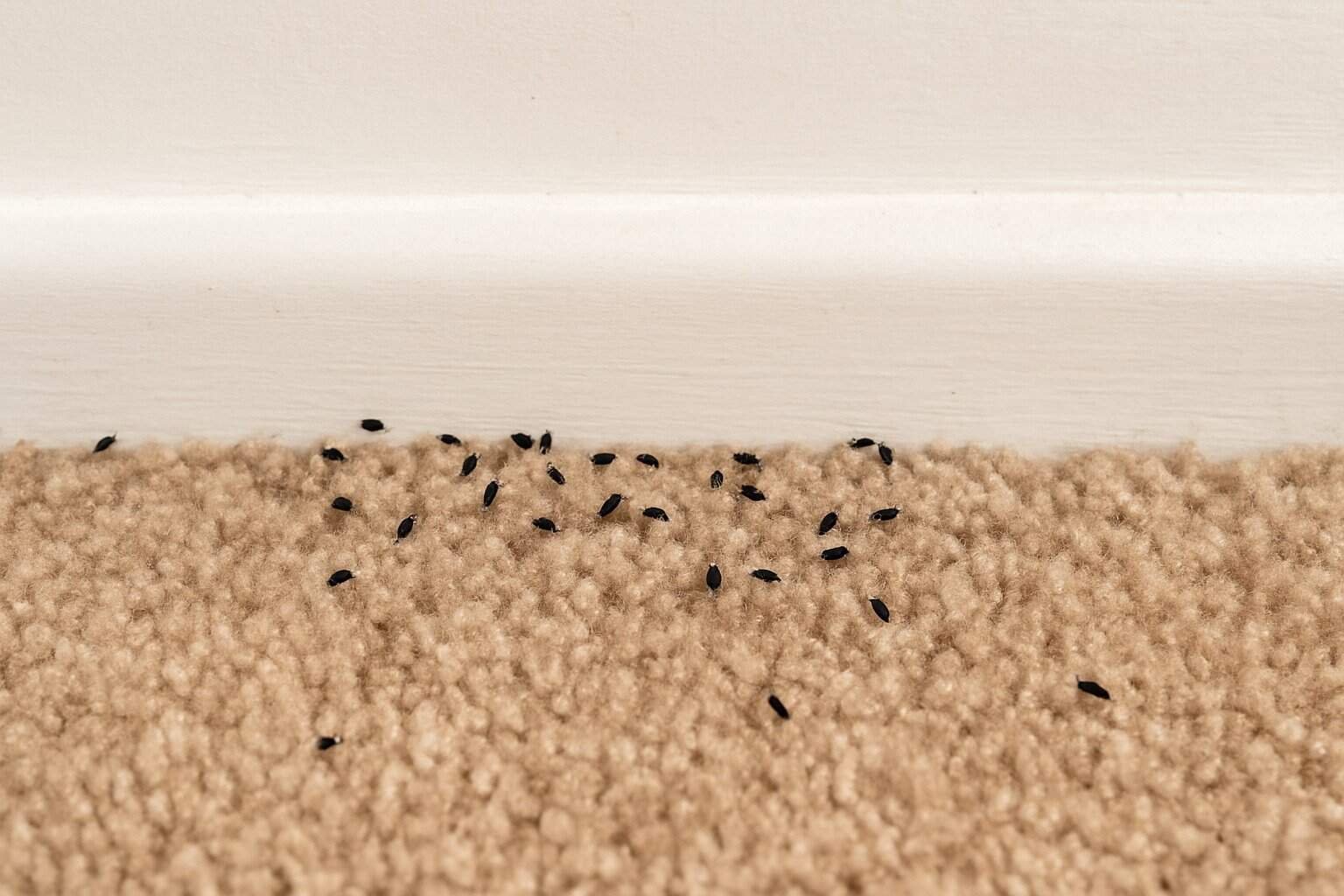
Tiny bugs in bed sheets are one of those problems that seem small—until they start affecting your sleep, your skin, and your peace of mind. Whether you’re living in a full-size home or a compact tiny house, these unwelcome guests can show up fast and spread even faster.
This guide breaks down exactly what those tiny bugs in bed sheets are, how to identify them quickly, and what you can do right now to stop them for good. You’ll learn the most common culprits, how to spot the difference between them, and practical solutions that actually work in real homes—not just theory.
In This Article
Tiny Bugs in Bed Sheets: Why You Shouldn’t Ignore Them
Tiny bugs might seem harmless at first glance, especially if you only notice a few. That assumption often leads to bigger infestations.
Some bugs, like bed bugs and fleas, feed on blood and can cause itchy bites, allergic reactions, and disrupted sleep. Others, like dust mites, don’t bite but can trigger allergies and worsen respiratory issues.
Ignoring the problem allows bugs to:
- Multiply quickly (many species reproduce in days)
- Spread beyond your bed into furniture and carpets
- Become harder and more expensive to eliminate
Early action is the difference between a quick fix and a full-blown infestation.
In smaller living spaces—like tiny homes, RVs, or studio apartments—this matters even more. Limited space means bugs spread faster and have fewer places to hide, making prevention and quick response critical.
What Are the Tiny Bugs in Bed Sheets? (Common Culprits Explained)
Not all tiny bugs in bed sheets are the same. Correct identification is key because each type requires a different treatment approach.
Bed Bugs
- Reddish-brown, oval-shaped, about the size of an apple seed
- Hide in mattress seams and come out at night
- Leave itchy bite marks in clusters or lines
Dust Mites
- Microscopic (invisible to the naked eye)
- Feed on dead skin cells
- Trigger allergies rather than bites
Fleas
- Tiny, dark, and jump quickly
- Often brought in by pets
- Cause small, itchy bites around legs and ankles
Carpet Beetle Larvae
- Small, fuzzy or bristly worms
- Feed on fabric, lint, and organic debris
- Can cause skin irritation (often mistaken for bites)
Booklice (Psocids)
- Pale, soft-bodied insects
- Thrive in humid environments
- Feed on mold and organic matter
Quick Identification Table
| Bug Type | Size | Color | Bites? | Key Clue |
| Bed Bugs | 4–7 mm | Reddish-brown | Yes | Blood spots on sheets |
| Dust Mites | Microscopic | Clear/white | No | Allergy symptoms |
| Fleas | 1–3 mm | Dark brown | Yes | Jumping movement |
| Carpet Beetle Larvae | 2–5 mm | Brown/striped | Sometimes | Shed skins, fabric damage |
| Booklice | 1 mm | Pale/white | No | Found in humid bedding areas |
Misidentifying the bug is one of the biggest reasons treatments fail.
Tiny Bugs in Bed Sheets: How to Identify Them Fast
When you spot tiny bugs in bed sheets, speed matters. A quick and accurate identification can save you days—or even weeks—of frustration.
Start With a Simple Visual Check
Look closely at:
- Mattress seams and edges
- Pillowcase folds
- Bed frame joints
- Tags and stitching
Use your phone flashlight or a small LED light. Tiny bugs often hide in shadows and crevices.
Pay Attention to Movement
- Bugs that crawl slowly → likely bed bugs or larvae
- Bugs that jump → fleas
- No visible movement but symptoms present → dust mites
Check Your Skin for Clues
Different bugs leave different signs:
- Bed bugs: bites in lines or clusters (often on arms or back)
- Fleas: random bites, usually around ankles
- Mites: no bites, but itching or sneezing
Look for Evidence, Not Just Bugs
Sometimes you won’t see the bugs themselves. Instead, check for:
- Tiny black or brown dots (droppings)
- Shed skins or casings
- Small blood stains on sheets
When to Use Magnification
A simple magnifying glass can help confirm:
- Body shape (oval vs elongated)
- Presence of legs or antennae
- Texture (smooth vs hairy)
Pro tip: Place a piece of clear tape over the bug and examine it closely. This also makes it easier to show a pest professional if needed.
Accurate identification is your foundation. Once you know what you’re dealing with, getting rid of tiny bugs in bed sheets becomes far more effective—and far less stressful.
Warning Signs You Have Tiny Bugs in Bed Sheets
Tiny bugs rarely announce themselves directly. Most infestations start with subtle clues that are easy to overlook—until they become impossible to ignore.
Blood Stains and Dark Spots
Small rust-colored stains on your sheets often point to bed bugs being crushed during sleep. Dark specks (about the size of a pen tip) are typically droppings.
Shed Skins and Eggs
Many bugs shed their outer layer as they grow. These skins:
- Look translucent or pale yellow
- Collect around mattress seams and corners
- Signal an active, growing population
Eggs are even smaller but often appear in clusters in hidden areas.
Musty or Unusual Odors
A slightly sweet, musty smell in your bedding area can indicate a larger bed bug infestation. This scent comes from pheromones they release.
Increased Itching at Night
Waking up itchy—especially in patterns or clusters—is a major red flag. Nighttime irritation strongly suggests nocturnal pests like bed bugs.
Unexplained Allergies or Respiratory Issues
If sneezing, watery eyes, or congestion worsen in bed, dust mites could be the culprit, even if you don’t see any bugs.
Quick Check Summary:
- Stains + bites → likely bed bugs
- Jumping bugs → fleas
- No bites + allergy symptoms → dust mites
Spotting even one of these signs early can prevent a much bigger problem.
Top Causes of Tiny Bugs in Bed Sheets (Most People Miss These)
Understanding what causes tiny bugs in bed sheets helps you stop the problem at its source—not just treat the symptoms.
Poor Laundry Habits
Infrequent washing allows:
- Sweat and skin cells to build up
- Dust mites to thrive
- Bacteria and micro-pests to multiply
Warm, humid bedding is the perfect breeding ground.
Travel and Luggage Contamination
Hotels, public transport, and shared spaces are common sources of bed bugs hitchhiking into your home.
They often hide in:
- Suitcase seams
- Clothing folds
- Backpacks
Pets Bringing Pests Indoors
Dogs and cats can carry:
- Fleas
- Mites
- Outdoor debris
Even well-groomed pets can introduce pests into your bed if they sleep with you.
Humidity and Poor Ventilation
High humidity encourages:
- Dust mites
- Booklice
- Mold (which attracts certain bugs)
This is especially common in smaller or tightly sealed spaces like tiny homes.
Second-Hand Furniture Risks
Used mattresses, couches, or bed frames may already contain:
- Hidden eggs
- Larvae
- Active infestations
Skipping inspection is one of the fastest ways to bring bugs into your home.
Clutter Around the Bed
Piles of clothes, books, or fabric create:
- Extra hiding spots
- Warm, undisturbed environments
Minimalist spaces are naturally less bug-friendly.
Do This Immediately If You Find Tiny Bugs in Bed Sheets
The moment you notice tiny bugs in bed sheets, taking the right steps quickly can stop an infestation before it spreads.
Isolate the Problem Area
- Remove all bedding carefully
- Avoid shaking items (this spreads bugs)
- Place everything directly into sealed bags
Wash and Dry on High Heat
Heat is one of the most effective weapons:
- Wash at at least 130°F (54°C)
- Dry on high heat for 30–45 minutes
High heat kills bugs, eggs, and larvae in one cycle.
Vacuum Thoroughly (The Right Way)
Focus on:
- Mattress seams and edges
- Bed frame joints
- Floor around the bed
Use a vacuum with a HEPA filter if possible, and empty it immediately outside.
Clean and Treat the Mattress
- Use a fabric-safe spray or natural solution
- Let the mattress fully dry
- Consider a zippered mattress encasement to trap remaining bugs
What Most People Get Wrong
Avoid these common mistakes:
- Using only cold water (ineffective)
- Spraying random chemicals without identifying the bug
- Ignoring nearby furniture and carpets
- Sleeping elsewhere (this can spread bugs to new areas)
Quick Action Checklist
- Bag and isolate bedding
- Wash and dry on high heat
- Vacuum deeply and immediately
- Treat mattress and surrounding areas
Fast, targeted action is the key to stopping tiny bugs in bed sheets before they take over your home.
Step-by-Step: How to Get Rid of Tiny Bugs in Bed Sheets Permanently
Getting rid of tiny bugs in bed sheets isn’t about a single quick fix. It requires a layered approach that eliminates bugs at every life stage—eggs, larvae, and adults.
Day 1: Deep Clean and Contain
Start aggressively to stop the spread.
- Strip the bed and seal all fabrics in bags
- Wash and dry everything on high heat
- Vacuum mattress, bed frame, baseboards, and nearby floors
- Dispose of vacuum contents outside immediately
Day 2: Target Hidden Areas
Bugs rarely stay only on sheets.
- Inspect cracks, joints, and furniture near the bed
- Use a safe insecticide or natural spray in crevices
- Steam-clean mattress seams and upholstery if possible
Steam heat above 160°F is highly effective against bed bugs and mites.
Day 3: Repeat and Reinforce
Consistency breaks the life cycle.
- Rewash frequently used bedding
- Vacuum again (especially edges and corners)
- Reapply treatment if needed
Natural Remedies That Actually Help
Natural solutions can support your cleaning routine:
- Vinegar spray: disrupts some bugs on contact
- Baking soda: may help dry out certain insects
- Essential oils (tea tree, lavender): mild repellent effect
Keep expectations realistic—natural methods work best for light infestations, not severe cases.
When to Repeat Treatment
- Mild infestation → repeat every 3–5 days for 2 weeks
- Moderate infestation → weekly for a month
- Severe infestation → combine with professional help
Consistency—not intensity—is what eliminates bugs permanently.
Best Solutions Compared: DIY vs Professional Pest Control
Choosing the right approach depends on how widespread the problem is. Both DIY and professional treatments have their place.
DIY Methods (Best for Early or Mild Cases)
Pros:
- Lower cost
- Immediate action
- Good for maintenance and prevention
Cons:
- Requires time and consistency
- Easier to miss hidden infestations
- Limited effectiveness against severe cases
Professional Pest Control (Best for Persistent Infestations)
Pros:
- Targeted treatment plans
- Access to stronger, regulated products
- Faster and more thorough results
Cons:
- Higher upfront cost
- May require multiple visits
- Preparation needed before treatment
Quick Comparison Table
| Factor | DIY Approach | Professional Service |
| Cost | Low | Medium to High |
| Effectiveness | Moderate (early stage) | High (all stages) |
| Time Required | High | Low to Moderate |
| Convenience | Lower | Higher |
| Best For | Small infestations | Severe or recurring issues |
When DIY Isn’t Enough
Consider professional help if:
- Bugs return after 2–3 treatment cycles
- You see bugs during the day (sign of heavy infestation)
- Multiple rooms are affected
Waiting too long often increases both cost and difficulty.
Tiny Bugs in Bed Sheets That Bite vs Those That Don’t
Not all tiny bugs in bed sheets pose the same risk. Knowing the difference helps you respond appropriately—and avoid unnecessary panic.
Bugs That Bite (Need Immediate Attention)
These pests feed on blood and can cause discomfort or health issues:
- Bed bugs → itchy, clustered bites; disrupt sleep
- Fleas → small, red bites (often on legs and ankles)
- Lice (rare in bedding) → intense itching and scalp involvement
Action needed: fast cleaning, treatment, and possibly professional help.
Bugs That Don’t Bite (But Still Matter)
These bugs don’t bite, but they can still affect your home environment:
- Dust mites → trigger allergies and asthma
- Booklice → indicate excess humidity
- Carpet beetle larvae → damage fabrics and cause irritation
Action needed: focus on cleaning, humidity control, and prevention.
Why This Distinction Matters
Treating all bugs the same leads to wasted time and effort. For example:
- Sprays won’t fix a dust mite problem without reducing humidity
- Washing alone won’t eliminate bed bugs hiding in furniture
Quick Reference
- Bites + stains → likely bed bugs
- Jumping insects → fleas
- No bites + allergy symptoms → dust mites
- Fabric damage → carpet beetle larvae
Correct identification leads to faster results and less frustration.
Mistakes That Make Tiny Bugs in Bed Sheets Worse
Even with good intentions, a few common missteps can turn a small issue into a stubborn infestation. Avoiding these mistakes will save time, money, and frustration.
Using Cold Water for Washing
Cold water might clean visible dirt, but it won’t kill most bugs or their eggs.
Heat is essential—both washing and drying must reach high temperatures to be effective.
Ignoring the Mattress and Bed Frame
Focusing only on sheets misses where bugs actually live.
- Mattress seams
- Bed frame joints
- Headboards and cracks
If you don’t treat these areas, bugs will keep coming back.
Overusing Random Sprays
Spraying everything in sight can:
- Push bugs deeper into hiding
- Expose you to unnecessary chemicals
- Fail if the product isn’t suited to the specific pest
Targeted treatment works better than guesswork.
Waiting Too Long to Act
Delaying action allows bugs to:
- Multiply rapidly
- Spread to other rooms
- Become harder to eliminate
Early action is always easier and cheaper.
Not Repeating Treatment
One round of cleaning is rarely enough.
- Eggs can survive initial treatment
- Newly hatched bugs restart the cycle
Consistency is what breaks infestations.
Moving to Another Bed
Sleeping elsewhere might seem logical, but it often spreads bugs to new areas—especially in small homes or apartments.
Stay and treat the problem at the source instead.
How to Prevent Tiny Bugs in Bed Sheets (Long-Term Protection Checklist)
Prevention is far easier than elimination. A simple routine can keep tiny bugs in bed sheets from returning.
Weekly Habits That Make a Big Difference
- Wash sheets and pillowcases in hot water
- Dry bedding on high heat
- Vacuum around the bed and mattress edges
- Keep clutter off and around the bed
Monthly Deep-Clean Routine
- Rotate and inspect your mattress
- Vacuum under the bed and furniture
- Wipe down bed frames and headboards
- Check for early signs (spots, skins, odors)
Smart Protective Measures
- Use zippered mattress and pillow encasements
- Choose bedding that’s easy to wash and dry
- Store extra linens in sealed containers
Travel-Proof Your Home
Travel is a major source of bed bugs.
- Inspect hotel beds before use
- Keep luggage off the floor
- Wash all clothes immediately after returning home
Pet Hygiene Matters
If pets share your bed:
- Bathe and groom regularly
- Use vet-approved flea prevention
- Wash pet bedding frequently
Quick Prevention Checklist
- High-heat laundry routine
- Regular vacuuming
- Minimal clutter
- Protective encasements
- Early inspection habits
Small habits consistently applied create a bug-resistant environment.
Bedroom Hygiene Upgrades That Keep Bugs Away
A cleaner, smarter bedroom setup naturally discourages pests—especially in compact spaces like tiny homes where every inch matters.
Choose the Right Bedding Materials
Some fabrics attract and hold more debris than others.
- Tightly woven cotton → easier to clean
- Synthetic blends → dry faster, less moisture retention
- Avoid overly heavy or rarely washed materials
Reduce Dust and Hidden Debris
Dust feeds mites and attracts other micro-pests.
- Use a vacuum with a HEPA filter
- Wipe surfaces regularly
- Limit decorative fabrics that trap dust
Improve Airflow and Humidity Control
Bugs thrive in damp, stagnant air.
- Open windows when possible
- Use fans or dehumidifiers
- Keep humidity below 50%
Dry, well-ventilated rooms are far less inviting to pests.
Declutter Your Sleep Space
Minimalism isn’t just aesthetic—it’s practical.
- Fewer hiding spots for bugs
- Easier cleaning routines
- Faster detection of problems
This is especially valuable in tiny homes and small bedrooms, where limited space can either work for you—or against you.
Upgrade Your Bed Setup
- Elevate the bed slightly for airflow
- Keep it a few inches from the wall
- Use light-colored sheets to spot bugs early
A clean, simple, and well-ventilated bedroom is your best long-term defense against tiny bugs in bed sheets.
Related Problem: Tiny Bites at Night vs Bed Sheet Bugs
Not every itch or bite means you have tiny bugs in bed sheets. Misdiagnosing the cause can lead to wasted time—and the wrong treatment.
How to Tell If It’s Bed Bugs
Bed bugs leave distinct patterns:
- Bites appear in lines or clusters
- Common on exposed skin (arms, neck, shoulders)
- Often show up after sleeping
You may also notice:
- Blood spots on sheets
- Dark droppings near mattress seams
When It Might Be Something Else
Sometimes the cause isn’t bugs at all.
Possibilities include:
- Skin irritation from detergents or fabrics
- Allergic reactions (dust, pollen, pet dander)
- Heat rash or dry skin
Fleas vs Bed Bugs
- Flea bites → random, often around ankles and legs
- Bed bug bites → patterned and higher on the body
Mites and Invisible Triggers
Dust mites don’t bite, but they can cause:
- Itchy skin
- Sneezing and congestion
- Worsening asthma symptoms
When to See a Doctor
Consider medical advice if:
- Bites become swollen, painful, or infected
- You experience severe allergic reactions
- Skin irritation persists without visible bugs
Getting the cause right is half the solution.
FAQ: Tiny Bugs in Bed Sheets
What are very tiny bugs in bed sheets that look like dust?
These are often dust mites or booklice. Dust mites are microscopic and invisible, while booklice are tiny pale insects that thrive in humid conditions.
Can washing sheets remove all bed bugs?
Washing helps, but it won’t eliminate bed bugs hiding in mattresses, bed frames, or nearby furniture. A full treatment plan is required.
Why do I see bugs in my bed but no bites?
Not all bugs bite. Carpet beetle larvae, booklice, and dust mites can be present without causing visible bite marks.
Are tiny white bugs in bed sheets dangerous?
Most are harmless, such as booklice or mite-related species, but they can indicate moisture or hygiene issues that should be addressed.
How fast do bed bugs spread?
Bed bugs can spread quickly within days by hiding in fabrics, furniture, and even traveling on clothing or luggage.
Can I sleep in my bed after treatment?
Yes, in most cases. Sleeping in the treated bed can actually help draw out remaining bugs, making treatments more effective.
For additional guidance on identifying and managing household pests, the U.S. Environmental Protection Agency provides a reliable resource: https://www.epa.gov/bedbugs
Tiny bugs in bed sheets don’t fix themselves—but they are fixable. The sooner you identify the cause and follow the right steps, the easier it is to reclaim your space.
Take a few minutes today to inspect your bedding, wash what needs washing, and put a prevention routine in place. A cleaner, healthier sleeping environment starts with small actions—and pays off every single night.