
The tiny home movement Canada is gaining serious momentum—and it’s not just a trend. With rising housing costs, changing lifestyles, and a growing interest in sustainable living, more Canadians are exploring what it means to downsize without sacrificing quality of life.
This guide breaks down exactly what’s happening across the country, from why people are choosing tiny homes to the real legal challenges you need to understand before making the leap. If you’re considering going tiny in Canada, this will give you the clarity (and reality check) you need.
In This Article
What Is the Tiny Home Movement in Canada? (And Why It’s Growing Fast)
The tiny home movement in Canada revolves around living in smaller, more efficient spaces—typically under 400 square feet—while prioritizing simplicity, affordability, and sustainability.
Unlike in some countries where tiny homes are widely accepted, Canada’s version of the movement is still evolving. It’s shaped heavily by local building codes, zoning laws, and climate conditions.
What makes Canada’s tiny home movement unique?
- Cold climate considerations – insulation, heating, and durability matter far more here
- Stricter zoning regulations compared to the U.S.
- Growing rural and off-grid appeal due to land availability
- Limited urban adoption because of bylaws and density rules
Despite these challenges, the movement is expanding quickly—especially in provinces like British Columbia and Ontario.
Who’s driving the movement?
Tiny living in Canada attracts a wide mix of people:
- Young professionals priced out of traditional housing
- Retirees looking to downsize and reduce expenses
- Remote workers seeking flexibility and mobility
- Minimalists aiming for a simpler lifestyle
The common goal? More freedom—financially, physically, and mentally.
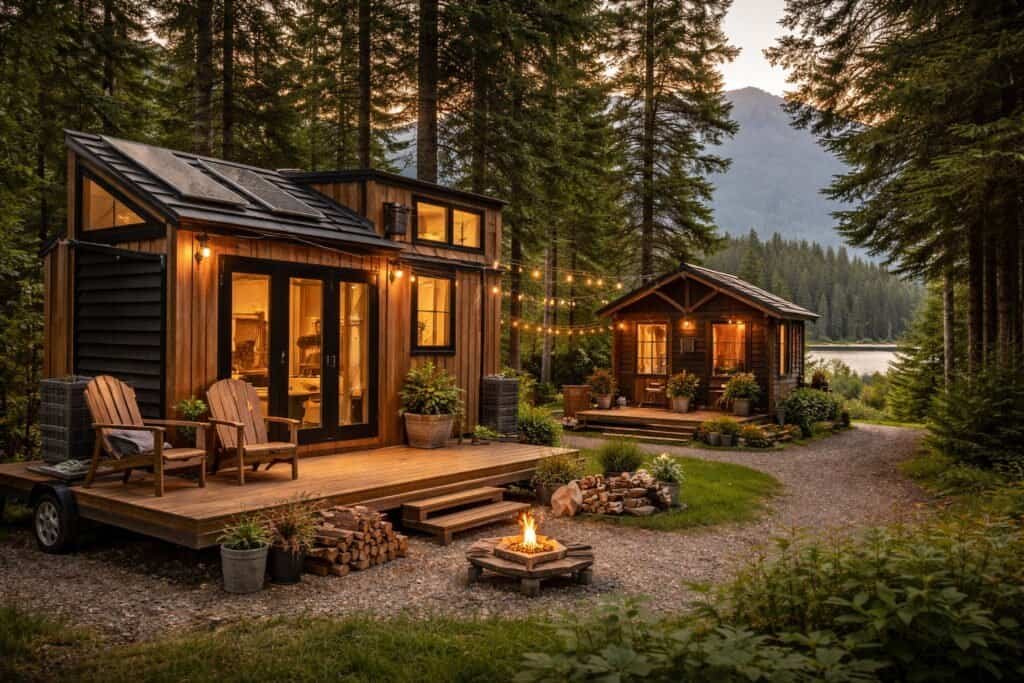
The Real Reasons Canadians Are Switching to Tiny Living
Behind the growth of the tiny home movement Canada are some very real, practical motivations—not just aesthetics or Instagram trends.
Skyrocketing housing prices
Homeownership in cities like Toronto and Vancouver has become increasingly out of reach. Tiny homes offer a lower-cost alternative that still provides independence.
Financial freedom (without a massive mortgage)
Many tiny homeowners aim to:
- Eliminate or reduce debt
- Lower monthly expenses
- Avoid long-term mortgages
Owning a home outright—even a small one—is a powerful shift.
A stronger focus on sustainability
Tiny homes naturally consume fewer resources:
- Less energy for heating and cooling
- Reduced water usage
- Smaller environmental footprint
For eco-conscious Canadians, this is a major draw.
Flexibility and mobility
Tiny homes on wheels (THOW) allow for:
- Relocation without selling property
- Seasonal living (summer vs. winter locations)
- Travel-friendly lifestyles
This flexibility is especially appealing in a country with diverse landscapes.
Lifestyle shifts after remote work
The rise of remote work has made it easier to live outside major cities. Many people are now choosing:
- Rural land
- Off-grid setups
- Community-based living
Location is no longer tied to employment, and tiny homes fit perfectly into that shift.
Tiny Home Movement Canada: Legal Status & Zoning Challenges Explained
Here’s the part most people underestimate: legal and zoning issues are the biggest barrier to tiny living in Canada.
Understanding this early can save you time, money, and serious frustration.
Why tiny homes fall into a legal gray area
Tiny homes don’t always fit neatly into existing housing categories. Depending on how they’re built, they may be classified as:
- Recreational vehicles (RVs)
- Accessory dwelling units (ADUs)
- Primary residences (rare in many areas)
Each classification comes with different rules—and limitations.
Tiny homes on wheels vs. foundation-based homes
Tiny Homes on Wheels (THOW)
- Often regulated as RVs
- May not be legally lived in full-time
- Easier to move but harder to legalize as permanent housing
Foundation-Based Tiny Homes
- Must comply with local building codes
- More likely to be approved as legal dwellings
- Typically require proper permits and inspections
Choosing between these two paths affects everything—from where you can live to how you finance your home.
Zoning restrictions you need to know
Many municipalities have rules such as:
- Minimum square footage requirements
- Restrictions on secondary dwellings
- Limits on where you can park or place a tiny home
Urban areas tend to be stricter, while rural regions offer more flexibility.
For official guidelines and evolving housing policies, you can refer to the Government of Canada’s housing resources:
👉 https://www.canada.ca/en/services/finance/housing.html
Tips for navigating tiny home laws in Canada
- Start with local bylaws, not national rules
- Contact your municipality directly before building or buying
- Look for areas that support ADUs or alternative housing
- Consider tiny home communities where zoning is already approved
Skipping this step is one of the most expensive mistakes beginners make.
Where the Tiny Home Movement Is Thriving in Canada
The tiny home movement Canada isn’t evenly spread across the country. Some regions are far more welcoming—both legally and culturally—making them ideal starting points.
Provinces leading the tiny home shift
British Columbia (BC)
One of the most progressive provinces for tiny living. Many municipalities allow:
- Laneway homes
- Accessory dwelling units (ADUs)
- Small secondary residences
Ontario
Recent zoning updates in some areas have made it easier to build secondary units, opening doors for tiny homes—especially in rural communities.
Quebec
Growing interest in eco-villages and sustainable housing projects, though regulations can vary widely by municipality.
Rural vs. urban: where tiny homes actually work
Rural areas
- Fewer zoning restrictions
- Lower land costs
- Greater flexibility for off-grid setups
Urban areas
- Strict bylaws and building codes
- Limited space for standalone tiny homes
- More opportunities for ADUs rather than independent units
Reality check: Most successful tiny homeowners in Canada live outside major cities.
Tiny home communities and shared living
An increasing number of Canadians are choosing tiny home communities instead of going solo.
Benefits include:
- Pre-approved zoning (huge advantage)
- Shared utilities and infrastructure
- Built-in community support
These setups remove many of the legal headaches while still offering the tiny lifestyle.
Cost Breakdown: Is Joining the Tiny Home Movement in Canada Actually Affordable?
One of the biggest reasons people explore the tiny home movement Canada is cost—but affordability depends heavily on your setup and location.
Average cost of a tiny home in Canada
| Type of Tiny Home | Estimated Cost (CAD) |
| DIY build (basic) | $30,000 – $60,000 |
| Professionally built THOW | $80,000 – $150,000+ |
| Foundation-based tiny home | $100,000 – $200,000+ |
Key insight: Going custom or high-end can quickly push costs close to traditional housing.
Land and placement costs
This is where many budgets fall apart.
- Buying land: $50,000 – $300,000+ depending on location
- Renting land: $300 – $1,000/month
- Tiny home communities: often include utility hookups and shared services
Tip: Renting land or joining a community is often the most practical starting point.
Utilities, maintenance, and ongoing expenses
Even small homes come with recurring costs:
- Electricity / solar setup
- Water systems (well, delivery, or municipal)
- Heating (critical in winter)
- Insurance (can be tricky for THOWs)
Monthly costs are usually lower than traditional homes—but not zero.
Hidden costs most people miss
- Permits and inspections
- Site preparation (grading, foundation, hookups)
- Transportation for THOWs
- Winter upgrades (insulation, heating systems)
Skipping these in your budget can lead to serious overspending.
Tiny home vs. traditional home (quick comparison)
| Expense Category | Tiny Home | Traditional Home |
| Upfront cost | Lower (usually) | High |
| Monthly expenses | Lower | Higher |
| Land cost | Varies widely | Included or separate |
| Flexibility | High | Low |
Bottom line: Tiny homes can be more affordable—but only with smart planning.
Living Small in Canada’s Climate: What You Need to Know
Living tiny in Canada isn’t just about space—it’s about surviving (and thriving) in harsh weather conditions.
Insulation is everything
Canadian winters demand serious insulation. Look for:
- High R-value walls, floors, and ceilings
- Double or triple-pane windows
- Thermal breaks to prevent heat loss
Poor insulation = uncomfortable living and high energy costs.
Heating solutions that actually work
Tiny homes rely on compact but efficient systems:
- Electric heaters (easy but costly long-term)
- Propane heaters (efficient, requires ventilation)
- Wood stoves (popular but need space and safety planning)
Many homeowners combine multiple systems for reliability.
Snow load and structural durability
Heavy snowfall can damage poorly designed tiny homes.
Important considerations:
- Roof pitch (steeper helps snow slide off)
- Structural strength
- Regular snow removal if needed
Not all tiny homes are built for Canadian winters—choose carefully.
Moisture control and ventilation
Condensation becomes a serious issue in small spaces.
To prevent mold and damage:
- Install proper ventilation systems (HRV/ERV)
- Use vapor barriers
- Maintain airflow year-round
Real-world tip from tiny home owners
Many experienced Canadians recommend:
- Parking in milder regions during winter (for THOWs)
- Adding skirting to reduce heat loss underneath
- Keeping backup heating options
Tiny living in Canada is absolutely possible—but only if your home is built for it.
Design Adaptations Inspired by the Tiny Home Movement Canada
Living tiny in Canada pushes design beyond aesthetics—it has to be smart, flexible, and climate-ready. The best homes are carefully planned to handle both limited space and extreme weather.
Space-saving layouts that actually work
Open layouts are common, but in Canada, functionality comes first:
- Loft bedrooms to free up main living space
- Combined kitchen + living areas
- Fold-down tables and hidden workspaces
Every square foot needs a purpose.
Multi-functional furniture is non-negotiable
In a tiny home, furniture should do more than one job:
- Sofas that convert into beds
- Stairs with built-in storage
- Expandable dining tables
The goal is flexibility without clutter.
Storage solutions for Canadian lifestyles
Seasonal gear takes up space—especially in colder regions.
Smart storage ideas include:
- Under-floor compartments
- Vertical wall storage
- Outdoor sheds for bulky items (snow gear, tools)
Ignoring storage is one of the fastest ways to outgrow your tiny home.
Off-grid vs. grid-connected design choices
Your design will depend heavily on your setup:
Grid-connected homes
- Easier to manage utilities
- More predictable costs
- Ideal for beginners
Off-grid homes
- Greater independence
- Requires solar, water systems, and backups
- Higher upfront planning and cost
Many Canadians start grid-connected, then transition to partial off-grid later.
Off-Grid Living and Sustainability in the Canadian Tiny Home Movement
A big part of the tiny home movement Canada is sustainability—but going fully off-grid in Canada comes with unique challenges.
Solar power: realistic or not?
Solar works—but efficiency varies:
- Stronger in southern regions
- Limited daylight in winter months
- Requires battery storage for reliability
Most setups need a backup power source in winter.
Water systems in remote locations
Depending on your land, options include:
- Dug or drilled wells
- Rainwater collection systems
- Water delivery (common in remote areas)
Each option comes with setup costs and maintenance responsibilities.
Waste management: simple but regulated
Tiny homes often use:
- Composting toilets
- Greywater systems
However, local regulations may limit or control these systems. Always check bylaws before installation.
Living sustainably (without overcomplicating it)
Sustainable tiny living doesn’t mean sacrificing comfort.
Practical approaches:
- Energy-efficient appliances
- Minimal waste habits
- Smart water usage
The most successful setups balance independence with practicality.
Pros and Cons of the Tiny Home Movement in Canada
The tiny home movement Canada offers real benefits—but it’s not for everyone. Understanding both sides helps you make a smarter decision.
✅ Pros of tiny living in Canada
- Lower cost of living compared to traditional homes
- Less financial stress (smaller or no mortgage)
- Mobility and flexibility with THOWs
- Reduced environmental impact
- Simpler, more intentional lifestyle
Many people find that downsizing leads to more freedom—not less.
❌ Cons you need to be prepared for
- Zoning and legal restrictions can limit where you live
- Financing challenges (not all lenders support tiny homes)
- Limited space, especially for families
- Cold climate challenges (heating, insulation, snow)
- Resale market is still developing
Tiny living works best when expectations match reality.
Quick reality check
Tiny homes are ideal if you:
- Value freedom over space
- Are comfortable with minimalism
- Plan carefully (especially legally and financially)
They may not be ideal if you:
- Need lots of storage or living space
- Prefer urban convenience
- Want a traditional long-term investment
Common Mistakes People Make When Joining the Tiny Home Movement
Even with the growing popularity of the tiny home movement Canada, many beginners run into avoidable problems. Learning from these mistakes can save you thousands of dollars—and a lot of stress.
Underestimating legal restrictions
Many people assume they can place a tiny home anywhere. In reality:
- Zoning laws vary by municipality
- Some areas prohibit full-time living in THOWs
- Permits and approvals can take time
Skipping legal research is the fastest way to derail your plans.
Choosing the wrong location
A beautiful piece of land doesn’t always mean it’s suitable.
Common issues include:
- No utility access
- Poor road access (especially in winter)
- Strict local bylaws
Always evaluate land for both lifestyle and legality.
Poor insulation and climate planning
Canada’s climate is unforgiving. Cutting corners on insulation or heating leads to:
- High energy bills
- Uncomfortable living conditions
- Moisture and mold problems
Ignoring long-term lifestyle needs
Tiny living looks great at first—but think long-term:
- Will your needs change in 3–5 years?
- Is there enough space for work, hobbies, or guests?
A tiny home should support your life—not limit it.
Overspending on custom features
It’s easy to get carried away with upgrades:
- High-end finishes
- Complex layouts
- Unnecessary tech
A “tiny” home can quickly become a big financial commitment.
Step-by-Step: How to Start Your Tiny Home Journey in Canada
Starting your journey in the tiny home movement Canada requires careful planning. Here’s a realistic step-by-step path to follow.
Step 1: Define your lifestyle goals
Ask yourself:
- Do you want mobility or a permanent setup?
- Are you aiming for off-grid or connected living?
Your answers will shape every decision moving forward.
Step 2: Research local laws and zoning
Before buying or building:
- Contact your municipality
- Review zoning bylaws and building codes
- Confirm where tiny homes are allowed
This step should come before anything else.
Step 3: Set a realistic budget
Include:
- Build or purchase cost
- Land or rental fees
- Utilities and setup
- Emergency buffer
Always budget for unexpected expenses.
Step 4: Choose build vs. buy
Build your own if you:
- Want full customization
- Have time and skills
Buy professionally if you:
- Prefer convenience
- Want a faster move-in timeline
Step 5: Secure land or a community
Options include:
- Private land (owned or leased)
- Tiny home communities
- Rural properties with flexible zoning
Location determines how smoothly your setup goes.
Step 6: Plan utilities and infrastructure
Think about:
- Power (grid or solar)
- Water (well, delivery, or municipal)
- Waste systems
Step 7: Transition into tiny living
Start simple:
- Downsize gradually
- Test your setup (short stays if possible)
- Adjust your space as needed
Tiny living is a process—not a one-time switch.
Is the Tiny Home Movement in Canada a Passing Trend or the Future?
The tiny home movement Canada is no longer just a niche lifestyle—it’s becoming part of a broader housing conversation.
Growing pressure from the housing crisis
Rising costs are pushing governments and communities to explore:
- Alternative housing solutions
- Higher-density living options
- Flexible zoning policies
Tiny homes are increasingly part of that discussion.
Slow but steady government acceptance
While still limited, some municipalities are:
- Allowing accessory dwelling units (ADUs)
- Supporting pilot tiny home communities
- Updating zoning regulations
Change is happening—but it’s gradual.
What the next 5–10 years could look like
- More legalized tiny home communities
- Improved financing options
- Greater acceptance of alternative housing
Tiny homes may not replace traditional housing—but they’re becoming a serious option.
FAQ: Tiny Home Movement Canada
Are tiny homes legal in Canada?
Yes, but legality depends on local zoning laws and how the home is classified. Always check municipal regulations before building or placing one.
Can you live in a tiny home year-round in Canada?
Yes, if the home is properly insulated and designed for winter conditions. Heating and moisture control are critical.
How much does a tiny home cost in Canada?
Costs typically range from $30,000 to over $150,000+, depending on whether you build or buy and the level of customization.
Where can I legally place a tiny home in Canada?
Options include rural land, properties allowing ADUs, or designated tiny home communities. Urban placement is more restricted.
Are tiny homes a good investment in Canada?
They can be a good lifestyle investment, but resale value and financing options are still less stable than traditional housing.
Final Thoughts: Is Tiny Living in Canada Right for You?
The tiny home movement Canada offers a powerful alternative to traditional housing—but it rewards those who plan carefully and think realistically.
If you value freedom, simplicity, and lower living costs, tiny living can be incredibly rewarding. At the same time, success depends on understanding zoning laws, preparing for Canada’s climate, and designing a space that truly fits your lifestyle.
Take your time, do your research, and start small.
If you’re ready to explore further, dive into more guides on TinyHousel.com—whether you’re looking for design ideas, cost breakdowns, or the best places to park your tiny home in Canada.
