
Living off the grid is no longer a fringe lifestyle—it’s a practical, strategic choice for people seeking financial freedom, independence, and long-term cost control. The average cost of living off the grid 2026 has become one of the most searched topics as energy prices rise and traditional housing grows more expensive.
This guide breaks everything down clearly—startup costs, monthly expenses, real-world examples, and what you’ll actually spend in 2026. Expect honest numbers, not vague estimates, so you can decide if off-grid living fits your goals.
In This Article
What “Off-Grid Living” Really Means in 2026
Off-grid living means operating independently from public utilities. No reliance on the electrical grid, municipal water systems, or city sewage. Everything runs on your own setup.
Core Systems Required
Every off-grid home depends on a few essential systems:
- Power: Solar panels, batteries, backup generators
- Water: Wells, rainwater harvesting, filtration systems
- Waste: Septic tanks or composting toilets
- Food: Gardening, livestock, or external supply
Levels of Off-Grid Living
Not all setups look the same. Costs vary because lifestyles differ:
| Lifestyle Type | Description | Cost Level |
| Minimalist | Tiny cabin, basic solar, low consumption | Low |
| Hybrid | Partial grid + solar backup | Medium |
| Full Independence | Fully self-sustained systems | High |
| Homestead | Food production + livestock | Very High |
Why Costs Vary So Much
Several factors shape your total investment:
- Location (remote land vs rural plots)
- Climate (heating/cooling needs)
- Energy usage (minimal vs modern lifestyle)
- DIY vs professional builds
Freedom comes at a cost—but how much depends entirely on how you build your system.
Average Cost of Living Off the Grid 2026 (Quick Snapshot)
Understanding the average cost of living off the grid 2026 starts with two categories: startup costs and ongoing monthly expenses.
Typical Cost Overview
| Expense Type | Average Range (2026) |
| Startup Costs | $12,000 – $200,000+ |
| Monthly Expenses | $450 – $1,800 |
What These Numbers Actually Mean
- Lower-end setups ($12K–$30K):
Small cabins, DIY builds, minimal solar systems - Mid-range ($30K–$100K):
Tiny homes with reliable infrastructure - High-end ($100K+):
Fully equipped off-grid houses with modern comforts
Off-Grid vs Traditional Living Costs
| Category | Off-Grid Living | Traditional Living |
| Monthly Bills | Low | High |
| Upfront Costs | High | Medium |
| Long-Term Savings | Significant | Limited |
Key insight:
Most people spend more upfront but dramatically reduce monthly expenses over time.
Upfront Costs: Going Off-Grid in 2026
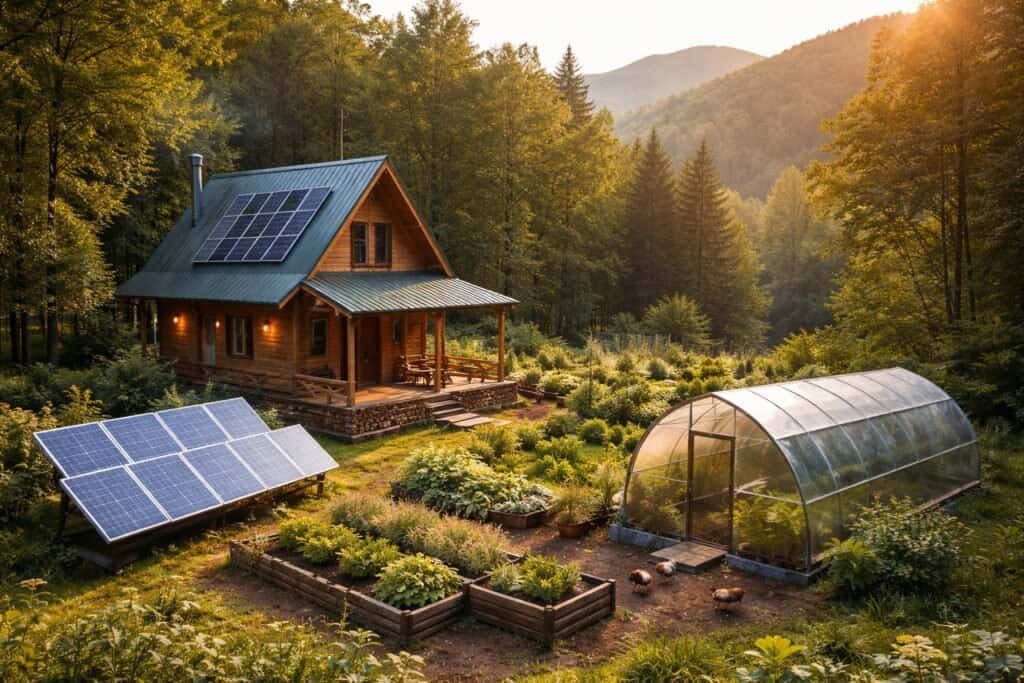
Initial investment represents the biggest hurdle. Building an off-grid lifestyle requires planning, capital, and smart decision-making.
Land Costs
Land prices vary widely depending on location:
- Remote land: $5,000 – $30,000
- Rural accessible land: $30,000 – $100,000+
Cheaper land often lacks infrastructure, increasing setup costs.
Shelter Costs
Your home choice has a major impact on total expenses:
| Housing Type | Average Cost |
| DIY Cabin | $10,000 – $40,000 |
| Tiny Home | $25,000 – $75,000 |
| Prefab Home | $50,000 – $150,000+ |
Tiny homes remain the most popular option due to affordability and efficiency.
Infrastructure Setup
This is where many budgets expand quickly.
Typical System Costs
- Solar system + batteries: $8,000 – $35,000
- Water system (well or rain): $2,000 – $15,000
- Septic or compost system: $3,000 – $10,000
- Heating system: $1,000 – $6,000
Why Upfront Costs Feel High
- You’re replacing services normally paid monthly
- Equipment must be purchased upfront
- Remote logistics increase material and labor costs
“Going off-grid means prepaying for decades of utilities in advance.”
Realistic Startup Budget Example
| Category | Estimated Cost |
| Land | $25,000 |
| Tiny Home | $50,000 |
| Solar Setup | $15,000 |
| Water System | $5,000 |
| Waste System | $6,000 |
| Total | $101,000 |
This represents a mid-range, comfortable off-grid setup in 2026.
Cost Breakdown of Off-Grid Systems (2026)
Understanding the average cost of living off the grid 2026 requires looking closely at each system that replaces traditional utilities. Every component has its own price, lifespan, and maintenance needs.
Solar Power System (Electricity)
Electricity is the backbone of modern off-grid living.
Typical Solar Setup Costs
| Component | Cost Range (2026) |
| Solar Panels | $4,000 – $12,000 |
| Battery Storage | $5,000 – $20,000 |
| Inverter + Wiring | $2,000 – $5,000 |
| Total System | $8,000 – $35,000 |
Important insights:
- Battery storage is the most expensive part
- Cloudy climates require larger systems
- Lifespan: 20–25 years (panels), 8–15 years (batteries)
Reliable power isn’t about having more—it’s about using less efficiently.
Water Systems
Water independence can be simple or complex depending on your location.
Common Water Options
- Drilled well: $5,000 – $15,000
- Rainwater harvesting: $1,500 – $6,000
- Filtration systems: $500 – $3,000
| System Type | Best For | Cost Level |
| Well | Long-term reliability | High |
| Rainwater | Low rainfall regions | Medium |
| Combined Systems | Year-round supply | Higher |
Waste Management Systems
Handling waste safely is essential and often underestimated.
Options and Costs
- Septic system: $3,000 – $10,000
- Composting toilet: $800 – $3,000
Key difference:
- Septic systems are convenient but expensive
- Composting systems are cheaper but require hands-on management
Heating and Backup Energy
Heating costs depend heavily on climate.
Common Heating Options
- Wood stoves: $1,000 – $4,000
- Propane heaters: $500 – $2,500
- Diesel generators (backup): $1,000 – $5,000
Cold climates significantly increase total costs due to:
- Higher fuel usage
- Insulation requirements
- Backup energy needs
Smart Monitoring & Efficiency Tools
Modern off-grid homes often include:
- Energy monitoring systems
- Smart battery management
- Water usage tracking
Estimated cost: $300 – $2,000
These tools help reduce waste and extend system lifespan.
Average Cost of Living Off the Grid 2026: Monthly Expenses
Once systems are installed, ongoing expenses become much more predictable. The average cost of living off the grid 2026 on a monthly basis is typically far lower than traditional living—but not zero.
Typical Monthly Cost Breakdown
| Expense Category | Monthly Cost |
| Food | $250 – $700 |
| Energy Backup Fuel | $40 – $350 |
| Internet | $45 – $120 |
| Maintenance | $50 – $300 |
| Property Taxes | $50 – $400 |
| Total | $450 – $1,800 |
Food Costs
Food remains one of the largest ongoing expenses.
- Growing your own food can cut costs by 20–50%
- Livestock adds upfront cost but reduces grocery bills
- Remote locations may increase food prices due to transport
Energy & Fuel Costs
Even with solar, backup systems are necessary.
- Generator fuel during cloudy seasons
- Occasional propane or diesel use
- Battery inefficiencies in extreme temperatures
Internet & Communication
Staying connected is still possible off-grid:
- Satellite internet (most common)
- Mobile hotspots (limited in remote areas)
Reliable internet is essential for:
- Remote work
- Emergency communication
- Monitoring systems
Maintenance & Repairs
Off-grid living requires ongoing upkeep.
- Solar panel cleaning
- Battery maintenance
- Pump and filtration repairs
Ignoring maintenance leads to higher long-term costs.
Reality Check
A common misconception:
“Off-grid living means no bills.”
The truth:
- Bills don’t disappear—they change form
- You trade utility bills for maintenance and self-reliance costs
Hidden Costs Most People Ignore
The average cost of living off the grid 2026 often looks lower on paper because hidden expenses are overlooked. These costs can significantly impact your budget if not planned properly.
Battery Replacement
- Lifespan: 8–15 years
- Replacement cost: $5,000 – $15,000
This is one of the largest long-term expenses.
Generator Fuel & Repairs
Backup generators are essential in emergencies.
- Fuel costs increase during winter
- Repairs can be unpredictable
Estimated annual cost: $300 – $1,500
Seasonal Cost Spikes
Weather plays a major role:
| Season | Cost Impact |
| Winter | Higher heating + fuel usage |
| Summer | Cooling + water demand |
Extreme climates can double energy needs.
Equipment Wear & Tear
Off-grid systems operate continuously, often under harsh conditions:
- Water pumps fail over time
- Filters need replacement
- Solar components degrade slowly
Annual maintenance costs can rise unexpectedly without planning.
Access & Transportation Costs
Remote living adds logistical challenges:
- Fuel for long-distance travel
- Vehicle maintenance (rough roads)
- Delivery costs for supplies
Land Development Costs
Often overlooked during purchase:
- Road access improvements
- Land clearing
- Drainage and leveling
These can add $2,000 – $20,000+ depending on terrain.
Average Cost of Living Off the Grid 2026 by Lifestyle Type
Costs shift dramatically depending on how you choose to live. The average cost of living off the grid 2026 isn’t one number—it’s a spectrum shaped by lifestyle, comfort level, and self-sufficiency.
Low-Budget Cabin Setup ($12,000 – $35,000)
A minimalist approach focused on essentials.
What you get:
- Small DIY cabin (100–300 sq ft)
- Basic solar setup (limited appliances)
- Rainwater collection system
- Composting toilet
Best for:
- Solo living
- Weekend retreats
- Extreme budget lifestyles
Trade-offs:
- Limited electricity
- Manual systems
- Less comfort in extreme weather
Tiny Home Lifestyle ($25,000 – $75,000)
The most popular option in 2026.
What you get:
- Fully insulated tiny home (200–400 sq ft)
- Reliable solar + battery system
- Functional kitchen and bathroom
- Internet access
Why it’s popular:
- Balanced cost vs comfort
- Lower maintenance
- Efficient energy use
Tiny homes deliver the best “value per dollar” in off-grid living.
Full Off-Grid House ($60,000 – $200,000+)
Designed for long-term comfort and independence.
What you get:
- Full-size home (600–1,500 sq ft)
- High-capacity solar system
- Well water + septic system
- Modern appliances and heating
Best for:
- Families
- Remote workers
- Long-term residency
Consideration:
Higher upfront cost, but closer to traditional living standards.
Large Homestead with Livestock ($80,000 – $250,000+)
A self-sustaining lifestyle with food production.
What you get:
- Agricultural land
- Barns, storage, fencing
- Livestock (chickens, goats, etc.)
- Gardens and irrigation systems
Advantages:
- Lower food costs long-term
- Increased independence
Challenges:
- Labor-intensive
- Higher maintenance and startup cost
Lifestyle Comparison Table
| Lifestyle Type | Startup Cost | Monthly Cost | Comfort Level |
| Minimal Cabin | $12K – $35K | $300–$800 | Low |
| Tiny Home | $25K – $75K | $500–$1,200 | Medium |
| Full Off-Grid Home | $60K – $200K+ | $800–$1,800 | High |
| Homestead | $80K – $250K+ | $700–$1,500 | Variable |
Real-Life Cost Examples (Case Studies)
Looking at real scenarios helps clarify the average cost of living off the grid 2026. These examples show what people actually spend—not just estimates.
Case Study 1: DIY Cabin Build (~$70,000 Total)
Profile: Solo builder in a rural area
Breakdown:
- Land: $20,000
- Cabin build: $25,000
- Solar system: $12,000
- Water + waste: $8,000
- Miscellaneous: $5,000
Monthly expenses: ~$600
Outcome:
- Fully independent
- Low monthly costs
- Required strong DIY skills
Case Study 2: Ultra-Low Budget Living (~$500/month)
Profile: Minimalist couple
Setup:
- Tiny cabin + basic solar
- Rainwater system
- Composting toilet
Monthly costs:
- Food: $250
- Fuel: $100
- Misc: $150
Outcome:
- Extremely low expenses
- High level of manual work
- Limited modern conveniences
“Lower costs come with higher effort and lifestyle adjustments.”
Case Study 3: Family Off-Grid Home (~$120,000 Setup)
Profile: Family of four
Breakdown:
- Land: $35,000
- Home: $60,000
- Solar + battery: $18,000
- Systems: $7,000
Monthly expenses: ~$1,200
Outcome:
- Comfortable living standard
- Reliable infrastructure
- Moderate savings compared to city life
What These Examples Reveal
- Costs scale with comfort and family size
- DIY skills can reduce costs by 30–50%
- Monthly expenses remain predictable once systems are stable
Cost Comparison: Off-Grid vs On-Grid Living (2026)
A major reason people explore this lifestyle is cost savings. Comparing the average cost of living off the grid 2026 with traditional housing highlights the financial impact.
Monthly Cost Comparison
| Expense Type | Off-Grid Living | Traditional Living |
| Housing | $0–$800 | $800–$2,500 |
| Utilities | $0–$200 | $200–$600 |
| Food | $250–$700 | $300–$900 |
| Transport | Higher | Lower |
| Total | $450–$1,800 | $1,500–$3,500+ |
Example Scenario
- Off-grid monthly cost: $700
- City rent + utilities: $1,800
Monthly savings: ~$1,100
Yearly savings: ~$13,200
Break-Even Timeline
| Setup Cost | Monthly Savings | Break-Even Time |
| $50,000 | $800 | ~5 years |
| $100,000 | $1,000 | ~8–9 years |
Long-Term Financial Impact
- No rent or mortgage (in most cases)
- Protection from rising utility costs
- Predictable long-term expenses
Important Trade-Offs
Off-grid living isn’t purely financial:
Pros:
- Lower monthly costs
- Greater independence
- Sustainable lifestyle
Cons:
- High upfront investment
- Maintenance responsibility
- Lifestyle adjustments
Bottom Line
Off-grid living can be significantly cheaper—but only after the initial investment is recovered.
How Location Impacts Average Cost of Living Off the Grid 2026
Location quietly shapes almost every expense in off-grid living. Two identical setups can have wildly different costs simply due to geography.
Land Prices and Regional Differences
Land remains the largest variable cost when calculating the average cost of living off the grid 2026.
- Remote desert land: $1,000–$5,000 per acre
- Rural areas: $5,000–$50,000+
- High-demand regions: $100,000+ (Land Limited)
A cheap plot may seem like a bargain, but hidden costs (like lack of water or difficult terrain) can quickly erase savings.
Climate and Weather Costs
Climate directly affects:
- Solar efficiency
- Heating and cooling expenses
- Water availability
Cold climates increase:
- Fuel consumption (propane, wood)
- Battery storage needs
- Insulation costs
Warm climates reduce heating expenses but may require:
- Cooling systems
- Water storage solutions
Regulations, Permits, and Taxes
Not all regions are off-grid friendly.
- Some areas require permits for wells, septic, or solar
- Property taxes vary widely: $150–$5,000/year (Mind Garden Press)
- Zoning laws can limit full off-grid living
Choosing the wrong county can add thousands in unexpected compliance costs.
Accessibility and Infrastructure
Remote land often requires:
- Road building ($5,000–$25,000) (Land Limited)
- Transport for materials and supplies
- Higher fuel costs for travel
Key insight:
The cheaper the land, the more you may pay in logistics.
Ways to Reduce the Average Cost of Living Off the Grid 2026
Living off-grid doesn’t have to be expensive. Strategic decisions can cut costs dramatically without sacrificing comfort.
Build Smart, Not Big
Smaller homes reduce:
- Material costs
- Energy consumption
- Maintenance
Example:
- Tiny home: $25K–$75K
- Full house: $60K–$200K+ (Mind Garden Press)
DIY vs Professional Installation
DIY can save 30–70% on setup costs.
- DIY solar system: $6,000–$14,000
- Professional install: $20,000–$60,000+ (Land Limited)
Trade-off:
- Lower cost vs higher risk of mistakes
Grow Your Own Food
Food is one of the biggest ongoing costs.
- Typical cost: $250–$700/month (Mind Garden Press)
- Growing food can cut this by 20–50%
Simple ways to start:
- Vegetable gardens
- Chickens for eggs
- Food preservation (canning, drying)
Use Hybrid Systems
Full independence isn’t always necessary.
Hybrid setups:
- Grid backup + solar
- Generator backup
Benefits:
- Lower battery costs
- More reliability during bad weather
Buy Used or Recycled Materials
Many off-grid homes are built with:
- Reclaimed wood
- Second-hand solar panels
- Salvaged fixtures
Real-world example:
A family built a home for $5,000 using recycled materials and reduced monthly costs to under $500 (The Sun)
Is Living Off the Grid Cheaper in 2026?
This is the question most people care about—and the answer isn’t one-size-fits-all.
Short-Term vs Long-Term Costs
| Phase | Cost Reality |
| First 1–3 years | Expensive (setup-heavy) |
| After setup | Significantly cheaper |
| Long-term (5–10 years) | Strong financial advantage |
Typical total setup:
- $12,000 – $200,000+ (Mind Garden Press)
Monthly Cost Comparison (2026)
| Expense Type | Off-Grid Living | Traditional Living |
| Housing | $0 (after build) | ~$1,000–$1,700 |
| Energy | $50–$200 | $100–$300 |
| Water | $10–$40 | $40–$100 |
| Total | ~$145–$1,800 | ~$1,500–$2,500 |
Off-grid living can be up to 90% cheaper monthly after setup (GlampLaunch)
When Off-Grid Is Cheaper
- You stay long-term (5+ years)
- You build small and efficient
- You avoid debt
- You produce some of your own food
When It’s More Expensive
- Large luxury off-grid homes
- Harsh climates requiring heavy systems
- Poor land selection
- Overbuilding early
Break-Even Timeline
Most people recover their investment in:
- 3–10 years, depending on setup and lifestyle
Real Case Study
From a Reddit builder:
“The total cost came to around $70,000… fully off-grid with solar, well, and septic.” (Reddit)
This aligns with mid-range estimates and shows a realistic path to affordability.
Common Mistakes That Increase the Average Cost of Living Off the Grid 2026
Even well-planned off-grid projects can spiral in cost due to avoidable mistakes. Most overspending doesn’t come from big decisions—it comes from poor planning and wrong assumptions.
Underestimating Energy Needs
Many beginners install systems that are too small.
- Result: frequent generator use
- Extra fuel costs: $50–$300/month
- Faster battery wear
Reality check: undersizing your solar system often costs more than oversizing it.
Buying the Wrong Land
Cheap land can be expensive in disguise.
Common hidden problems:
- No water access (well drilling: $5,000–$15,000+)
- Poor soil (limits gardening)
- Difficult terrain (higher build costs)
Key takeaway:
Land should be chosen for usability, not just price.
Ignoring Maintenance Costs
Off-grid systems require ongoing care.
Typical maintenance expenses:
- Solar system upkeep
- Battery replacement (every 8–15 years)
- Generator repairs
Ignoring this leads to sudden large expenses instead of manageable ones.
Overbuilding Too Early
Many people try to build their “dream setup” immediately.
That usually means:
- Overspending on unnecessary features
- Buying oversized systems
- Delaying financial break-even
A smarter approach:
- Start small
- Upgrade gradually
Not Planning for Seasonal Changes
Seasonal variation is often underestimated.
Examples:
- Winter = less solar production
- Rainy seasons = limited water collection
- Extreme heat = higher cooling needs
Failing to prepare leads to:
- Emergency upgrades
- Increased fuel costs
- System failures
Future Trends Affecting Average Cost of Living Off the Grid 2026 and Beyond
Off-grid living is evolving quickly. What costs today may look very different just a few years from now.
Declining Solar and Battery Prices
Technology is becoming more affordable each year.
- Solar panels are more efficient than ever
- Battery storage costs continue to drop
- Longer lifespan reduces replacement frequency
Impact: Lower upfront investment over time.
Rise of Modular Off-Grid Systems
Plug-and-play systems are changing the game.
- Prebuilt solar kits
- Integrated water systems
- Smart monitoring tools
Benefits:
- Easier installation
- Lower labor costs
- Faster setup
Smart Energy Management
Automation is improving efficiency.
Modern systems can:
- Track energy usage in real time
- Optimize battery performance
- Reduce waste
This leads to:
- Lower monthly costs
- Longer system lifespan
Growing Popularity Due to Rising Living Costs
As rent and utilities increase globally, more people are exploring off-grid alternatives.
Drivers include:
- Inflation
- Housing shortages
- Desire for independence
Result: Increased demand may push land prices higher in popular off-grid areas.
FAQs About Average Cost of Living Off the Grid 2026
How much money do you need to live off the grid in 2026?
Most setups range from $12,000 to $200,000+, depending on land, home size, and systems.
Can you live off-grid for under $500 per month?
Yes, but it requires minimalism, DIY systems, and often growing your own food.
What is the biggest cost when going off-grid?
Land and solar power systems are typically the most expensive components.
Is off-grid living cheaper than renting?
In many cases, yes—monthly costs can be up to 90% lower after setup.
How long does it take to break even?
Most people reach break-even within 3 to 10 years.
What is the cheapest way to start off-grid living?
Begin with a small cabin, DIY solar system, and basic water setup.
Take the Next Step Toward Off-Grid Living
Off-grid living in 2026 is no longer just a dream—it’s a practical, cost-controlled lifestyle when planned correctly. Every decision, from land choice to system design, directly impacts your long-term savings.
If you’re serious about building your own setup, start by exploring real-world cost breakdowns and system designs from trusted resources like this detailed off-grid cost guide.
Ready to cut your living costs and gain true independence? Start planning your off-grid budget today and design a life that works on your terms.
