
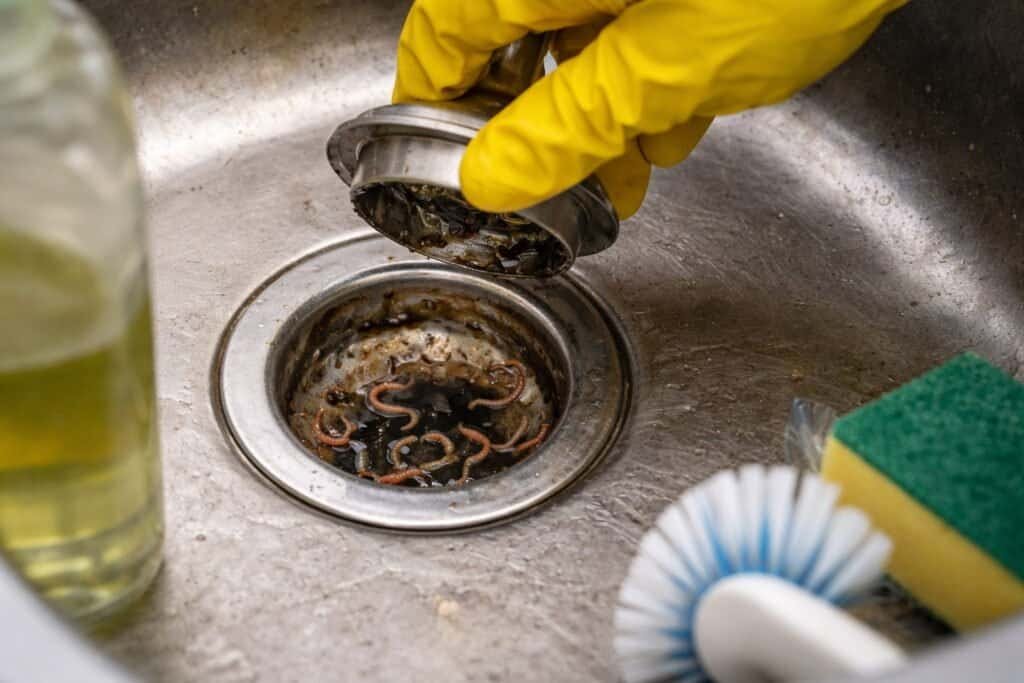
Tiny worms in sink drain setups are one of those problems that seem small… until they suddenly aren’t. One day your sink looks fine, and the next, you notice tiny wriggling creatures near the drain—especially at night.
What you’re dealing with is more than just a surface-level hygiene issue. Left untreated, it can turn into a recurring infestation that keeps coming back no matter how often you clean.
This guide breaks down what these “worms” actually are, why they appear, and what truly works to eliminate them—especially in small homes and tight spaces where the problem can escalate faster.
In This Article
When Your Sink Starts “Moving”: The First Signs People Usually Ignore
Most infestations don’t start with a dramatic moment. They begin quietly.
At first, you might notice:
- Tiny, thread-like creatures near the drain opening
- Slight movement in what looks like debris
- Activity that appears mostly at night or early morning
It’s easy to brush this off. Many homeowners assume it’s:
- Food residue
- Soap buildup
- Harmless organic waste
That assumption is where the problem grows.
Subtle Clues That Something’s Off
A closer look usually reveals:
- The “debris” is actually moving independently
- The number increases over a few days
- You may also notice small flies nearby
Once you reach this stage, the issue has already progressed beyond the surface.
The Moment It Becomes a Real Problem
Things escalate when:
- Worms begin appearing outside the drain
- You see them in multiple sinks or drains
- The smell from the drain becomes stronger or musty
At this point, cleaning the sink alone won’t solve it. The source is deeper—and still active.
The Real Culprit Behind Tiny Worms in Sink Drain (It’s Not What You Think)
Despite how they look, these aren’t actually worms.
In most cases, they are drain fly larvae—the early life stage of small flies commonly found around sinks, showers, and floor drains.
What Are Drain Fly Larvae?
Drain flies (also called moth flies) lay eggs in moist, organic material inside pipes. When those eggs hatch, the larvae:
- Appear thin, small, and worm-like
- Feed on organic sludge inside the drain
- Stay hidden unless disturbed
That’s why you only notice them once the population grows.
Why Your Drain Is the Perfect Breeding Ground
Drains provide everything these larvae need:
- Constant moisture
- Organic buildup (grease, food, soap scum)
- Minimal disturbance
Even a clean-looking sink can hide layers of buildup inside the pipe walls.
Conditions That Trigger an Infestation
The problem usually starts when:
- Drains aren’t cleaned deeply (only surface wiped)
- Water sits in pipes for long periods
- Organic waste accumulates over time
In kitchens, food residue accelerates the issue. In bathrooms, hair and soap scum create the same effect.
Once this environment is established, larvae multiply quickly—and cleaning the visible area won’t touch them.
Why This Keeps Happening Even After You Clean the Sink
One of the most frustrating parts of dealing with tiny worms in sink drain issues is how often they return.
You clean the sink. Maybe even pour boiling water or cleaner down the drain. Things look fine… for a few days.
Then they’re back.
The Hidden Layer Most People Never Clean
Inside your drain pipes is a sticky, slimy coating called biofilm.
It’s made up of:
- Grease
- Bacteria
- Soap residue
- Food particles
This layer clings to the pipe walls—and it’s exactly where larvae live and feed.
Surface cleaning doesn’t remove it.
Why Surface Cleaning Fails
Typical cleaning methods:
- Wiping the sink
- Pouring hot water
- Using mild cleaners
These only affect what’s visible.
The larvae remain protected inside the biofilm lining deeper in the drain.
Moisture + Organic Matter = Ongoing Infestation
Even if you kill some larvae, the environment still supports new ones.
That’s why the problem keeps coming back:
- Eggs survive in protected areas
- Biofilm remains intact
- Moisture never fully dries
The Cycle Most People Get Stuck In
- Notice worms
- Clean surface
- Problem disappears briefly
- Worms return
Breaking this cycle requires targeting the source, not the symptom.
A Closer Look: Where Exactly They’re Coming From
Pinpointing the source is the difference between a one-time fix and an endless cycle.
Most people assume the worms are coming straight up from the drain opening. In reality, they can originate from several hidden spots inside your plumbing.
The Most Common Breeding Zones
- Pipe walls – coated with biofilm where larvae feed and grow
- P-trap (the curved pipe under the sink) – traps organic sludge and standing water
- Overflow holes (in bathroom sinks) – often ignored and rarely cleaned
- Garbage disposal units – packed with food residue if not properly maintained
Kitchen drains tend to have thicker grease buildup, while bathroom drains accumulate hair and soap scum. Both create ideal environments.
How to Confirm the Exact Source (Simple Overnight Test)
Try this quick method:
- Dry the sink and surrounding area completely
- Place a piece of clear tape over part of the drain opening (sticky side down, leaving a small gap for airflow)
- Leave it overnight
What to look for:
- Worms or small flies stuck to the tape → active breeding inside the drain
- No activity → check nearby drains or overflow holes
This test helps you avoid wasting time cleaning the wrong area.
Fast Relief vs. Permanent Fix: What Actually Works
Not all solutions are created equal. Some offer quick relief, while others address the root cause.
Understanding the difference saves time—and frustration.
Quick Fixes (Short-Term Relief)
These can reduce visible worms temporarily:
- Boiling water
- Vinegar + baking soda
- Salt solutions
What they do well:
- Kill some surface larvae
- Flush out loose debris
What they don’t do:
- Remove biofilm
- Eliminate eggs deep in the pipes
Expect the problem to return if you stop here.
Deep Cleaning Methods (Long-Term Solution)
To truly eliminate tiny worms in sink drain systems, you need to remove their habitat.
Effective methods include:
- Drain brushing tools (flexible pipe brushes)
- Enzyme-based cleaners (break down organic buildup)
- Manual cleaning of P-trap
These approaches:
- Destroy the biofilm layer
- Remove food sources
- Disrupt the breeding cycle
That’s the turning point—when the worms stop coming back.
When DIY Stops Working
Sometimes, even thorough cleaning isn’t enough.
Signs you may need help:
- Worms return within days after deep cleaning
- Multiple drains are affected
- Persistent foul odor from pipes
This can indicate:
- Deeper pipe buildup
- Ventilation issues
- Hidden plumbing design problems
The Step-by-Step Fix Most Homeowners Skip
Many people try random fixes. Few follow a complete process—and that’s why the problem lingers.
Here’s a practical, effective approach that targets the root cause.
What You’ll Need
- Boiling water
- Baking soda + vinegar (optional support step)
- Enzyme drain cleaner
- Flexible drain brush
- Gloves and a small bucket (for P-trap cleaning)
The Correct Order (This Part Matters)
Skipping steps or doing them out of order reduces effectiveness.
Step 1: Flush the Drain
Pour boiling water slowly to loosen grease and soften buildup.
Step 2: Physically Remove Biofilm
Use a flexible brush to scrub inside the drain as far as possible.
This is the step most people skip—and the most important one.
Step 3: Clean the P-Trap
- Place a bucket underneath
- Unscrew and remove the trap
- Clear out sludge and rinse thoroughly
Step 4: Apply Enzyme Cleaner
Let it sit overnight to break down remaining organic material.
Step 5: Repeat Light Maintenance
Use enzyme cleaner periodically to prevent regrowth.
How to Avoid Making It Worse
Some actions can unintentionally spread the infestation:
- Pouring harsh chemicals without removing buildup
- Flushing debris deeper into pipes
- Ignoring connected drains (like double sinks)
Think of this as removing the habitat—not just killing what you see.
Common Mistakes That Make Tiny Worms Come Back
Getting rid of tiny worms in sink drain issues once is one thing. Keeping them from returning is where most homeowners slip up.
Treating the Symptoms, Not the Source
Quick fixes feel satisfying—but they rarely last.
- Pouring boiling water every few days
- Using strong cleaners without scrubbing
- Masking odors instead of removing buildup
If the biofilm stays, the worms will too.
Ignoring Low-Use or “Hidden” Drains
Guest bathrooms, basement sinks, or rarely used fixtures often become breeding grounds.
Stagnant water + undisturbed buildup = perfect conditions.
Even if your main sink is clean, larvae can migrate from:
- Floor drains
- Overflow holes
- Adjacent plumbing lines
Overlooking Garbage Disposals and Side Chambers
Kitchen setups with disposals or double basins create extra hiding spots.
Food particles can sit in:
- Disposal blades and housing
- Side drain channels
- Rubber splash guards
These areas trap organic matter that regular rinsing doesn’t remove.
Using Chemicals the Wrong Way
Dumping harsh drain cleaners might kill larvae—but it often:
- Leaves biofilm intact
- Pushes debris deeper into pipes
- Creates temporary results only
Over time, this can even make buildup harder to remove.
Why This Problem Gets Worse in Small Homes and Tight Spaces
In compact living environments, small issues escalate faster—and tiny worms in sink drain situations are a perfect example.
Faster Moisture Buildup in Compact Areas
Smaller kitchens and bathrooms tend to:
- Stay humid longer
- Have limited airflow
- Experience more frequent sink use
That combination accelerates organic buildup inside drains.
Drain Usage Patterns Matter More
In tiny homes or apartments:
- Drains are used more frequently in short bursts
- Some fixtures may go unused for days
This uneven usage creates ideal breeding cycles:
- Active drains = constant food supply
- Inactive drains = undisturbed growth zones
Why Tiny Homes Need a Different Maintenance Mindset
In small-space living, every system is more concentrated—including plumbing.
That means maintenance has to be more intentional.
A simple weekly routine goes a long way:
- Flush drains with hot water
- Use enzyme cleaners regularly
- Check rarely used drains
If you’re optimizing your space already, it’s worth understanding how plumbing fits into the bigger picture. Proper maintenance plays a big role in long-term comfort—especially in compact living setups like tiny houses.
Natural vs. Chemical Treatments: What’s Worth It?
Choosing the right treatment isn’t just about effectiveness—it’s about safety, sustainability, and long-term results.
Natural Methods: Safer but Limited
Common natural options include:
- Vinegar and baking soda
- Boiling water
- Salt solutions
Pros:
- Non-toxic
- Safe for small spaces
- Easy to use regularly
Cons:
- Don’t fully remove biofilm
- Less effective for established infestations
Natural methods work best as maintenance tools, not full solutions.
Chemical Treatments: Powerful but Strategic
Stronger cleaners (especially enzyme-based or commercial drain solutions) are designed to:
- Break down organic matter
- Penetrate pipe buildup
- Eliminate breeding environments
Pros:
- More effective for active infestations
- Faster results when used correctly
Cons:
- Some contain harsh ingredients
- Overuse can damage pipes or indoor air quality
Quick Comparison
| Method | Best For | Limitation |
| Boiling Water | Light buildup | Temporary fix |
| Vinegar + Baking Soda | Odor control & mild cleaning | Doesn’t remove biofilm |
| Enzyme Cleaners | Long-term prevention | Requires consistency |
| Chemical Cleaners | Severe infestations | Must be used carefully |
What Actually Works Long-Term
The winning approach isn’t one method—it’s a combination:
- Physical cleaning (to remove buildup)
- Enzyme treatments (to maintain cleanliness)
- Occasional deeper cleaning when needed
That balance gives you both effectiveness and safety—especially important in small homes where air quality and space are closely connected.
What Most People Don’t Realize About Drain Maintenance
Drain care isn’t something you do once and forget. That’s the biggest misconception.
Tiny worms in sink drain problems are usually a maintenance issue—not a one-time cleaning failure.
How Often Should You Actually Clean Your Drains?
A practical schedule most homeowners can follow:
- Weekly:
- Flush with hot water
- Quick rinse with a mild cleaner
- Monthly:
- Use an enzyme cleaner overnight
- Light scrubbing of the drain opening
- Every 2–3 months:
- Clean the P-trap
- Check for buildup or odor
This routine keeps biofilm from building up to the point where larvae can thrive.
The “Set and Forget” Myth
Many people assume modern plumbing takes care of itself.
It doesn’t.
Even in newer homes:
- Grease still sticks to pipes
- Soap still creates residue
- Organic matter still accumulates
Ignoring this reality is what allows infestations to return quietly.
Simple Habits That Make a Big Difference
Small changes can prevent big problems:
- Avoid pouring grease or oil down the drain
- Run hot water after each sink use
- Clean strainers and stoppers regularly
- Keep drains dry when possible
Consistency beats intensity every time.
A Real-Life Scenario: Why the Worms Keep Returning in One Bathroom
A common situation: one bathroom sink keeps developing worms, while others stay clean.
What Was Happening
- The sink was rarely used
- Water sat in the P-trap for long periods
- Biofilm built up undisturbed
Meanwhile, other sinks were used daily, which naturally flushed out buildup.
What Was Missed
The homeowner kept cleaning the visible drain but ignored:
- The overflow hole
- The stagnant water deeper in the pipe
- The lack of regular flushing
The environment never changed—so the worms kept coming back.
The Fix That Finally Worked
- Flushing the drain daily with hot water
- Deep-cleaning the overflow channel
- Applying enzyme cleaner weekly
Within a week, the problem stopped—and didn’t return.
When It’s No Longer a DIY Problem
Some cases go beyond basic cleaning.
Warning Signs You Shouldn’t Ignore
- Worms return within 24–48 hours after deep cleaning
- Multiple drains are affected at once
- Persistent sewage-like odor
- Slow drainage combined with recurring larvae
What This Might Mean
These symptoms can point to:
- Deeper pipe blockages
- Ventilation issues in plumbing
- Structural problems in older systems
Cost vs. Risk of Waiting
Delaying professional help can lead to:
- More severe infestations
- Pipe damage
- Higher repair costs
A licensed plumber can inspect areas you can’t reach—and solve the root issue permanently.
How to Make Sure This Never Happens Again
Eliminating tiny worms in sink drain systems is one thing. Preventing them is what saves you time long-term.
A Simple Prevention Framework
Think in three layers:
1. Remove buildup
- Regular cleaning and occasional deep scrubbing
2. Eliminate food sources
- Keep grease, food, and residue out of drains
3. Disrupt breeding conditions
- Reduce moisture and stagnation
Tailoring Your Routine to Your Living Space
In small homes or apartments:
- Clean more frequently due to concentrated use
- Monitor humidity levels
- Pay attention to low-use fixtures
If you’re designing or upgrading your space, plumbing efficiency plays a bigger role than most people expect. Many homeowners overlook this when planning compact living setups—yet it directly impacts maintenance and hygiene over time.
Practical Habits That Actually Stick
- Set a weekly reminder for quick drain care
- Keep a simple cleaning kit under the sink
- Treat minor signs early before they escalate
Prevention isn’t complicated—it just needs consistency.
FAQ: Tiny Worms in Sink Drain
Why do I have tiny worms in my sink drain?
They’re usually drain fly larvae that grow in organic buildup inside pipes where moisture and food are present.
Are these worms dangerous?
They’re not typically harmful, but they indicate poor drain hygiene and can lead to larger infestations if ignored.
Will bleach or harsh chemicals fix the problem?
They may kill some larvae temporarily, but they rarely remove the biofilm where eggs and food sources exist.
How long does it take to get rid of them completely?
With proper deep cleaning and maintenance, most infestations can be resolved within a few days to a week.
Can this happen in a clean home?
Yes. Even clean homes develop buildup inside pipes that isn’t visible from the surface.
One Last Thing Before You Ignore It Again…
Tiny worms in sink drain problems don’t fix themselves—and ignoring them usually makes things worse.
The good news?
Once you understand the cause and follow the right process, this is a completely solvable problem.
If you’re serious about keeping your home low-maintenance—especially in a compact space—start treating your drains like part of your routine, not an afterthought.
For deeper insight into how sanitation and hygiene impact home environments, you can explore guidance from the Centers for Disease Control and Prevention.
Take action early, stay consistent, and you won’t have to deal with this again.
