
Hardwood floor colours 2027 are leaning toward natural wood tones, warm brown finishes, and timeless shades that make homes feel comfortable, elegant, and connected to nature. From light oak flooring that brightens small rooms to rich walnut that adds depth and sophistication, the right floor colour can transform the entire look of your interior.
Choosing hardwood flooring involves more than picking a shade you like. You also need to consider natural light, wall colours, furniture, everyday wear, and the overall style of your home. A colour that looks beautiful in a showroom might appear completely different under your living room lights.
This guide explores the hardwood floor colour trends worth watching in 2027, including the best shades for different interiors, practical styling combinations, and tips for choosing a floor that will look beautiful for years. Whether you’re renovating an older home or designing a modern space from scratch, these ideas will help you find a colour that suits your lifestyle and personal taste.
In This Article
Hardwood Floor Colours 2027: The Biggest Trends to Watch
Hardwood flooring continues to play a major role in interior design because it provides warmth, texture, and a sense of permanence. For 2027, natural-looking finishes and versatile brown tones are strong design directions to consider, particularly for homeowners who want a floor that complements changing furniture and decorating styles.
Rather than relying on highly artificial colours or uniform finishes, many contemporary interiors favour wood tones that highlight the grain and natural character of the material.
Here are the hardwood floor colours worth considering for the year ahead.
10
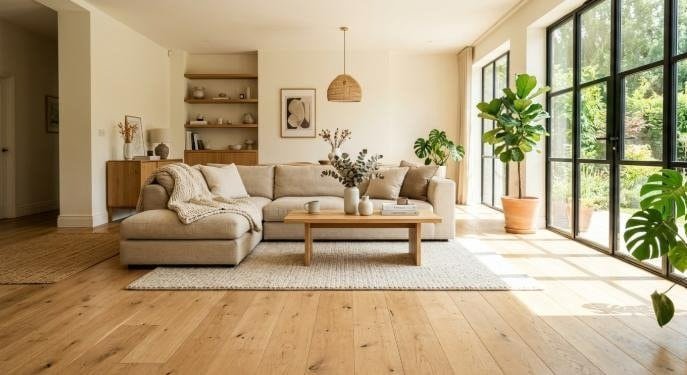
Natural Oak: The Timeless Choice for Modern Homes
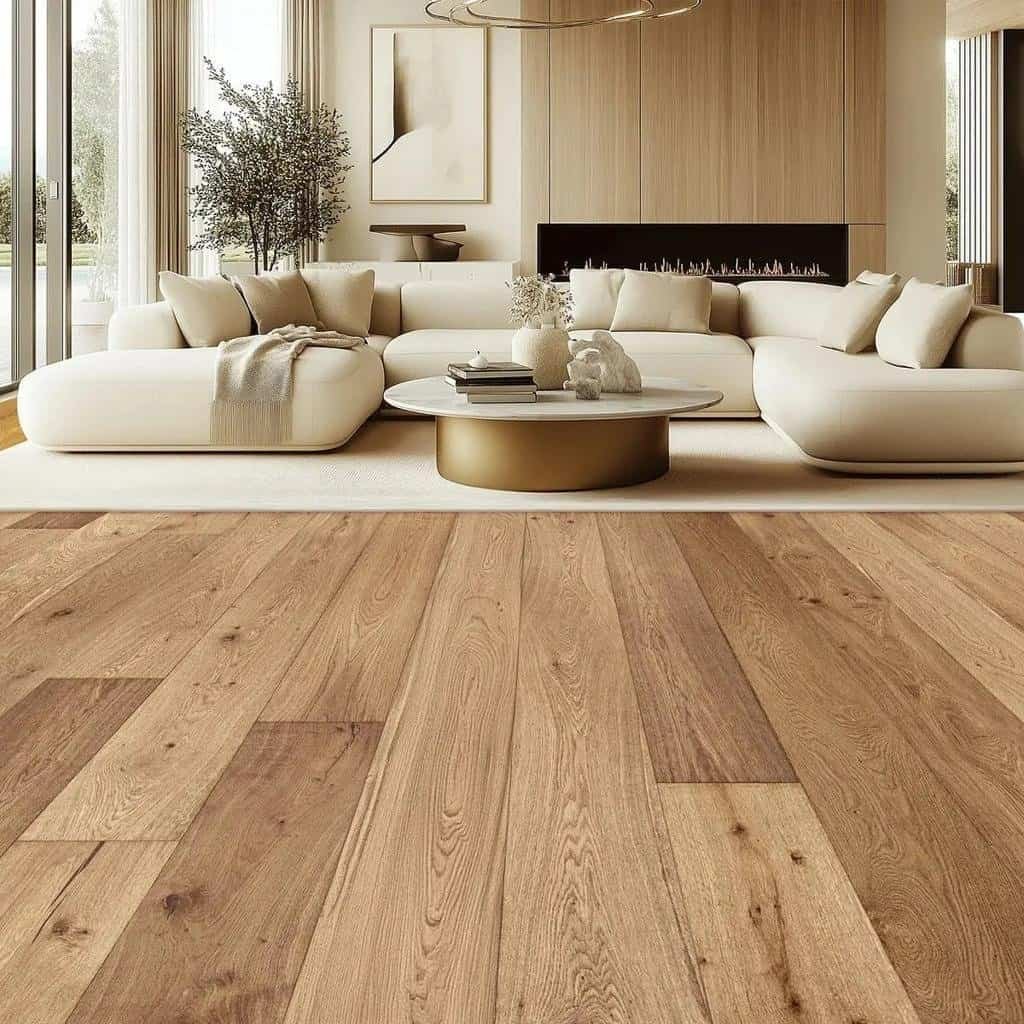
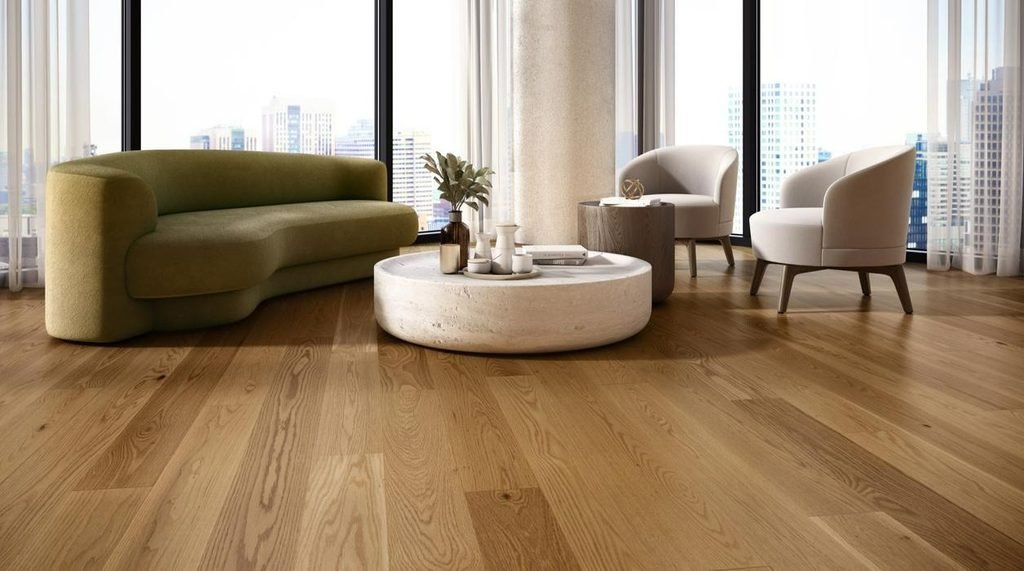
Natural oak remains one of the most versatile hardwood flooring options. Its balanced colour, visible grain, and understated appearance work well with contemporary, traditional, Scandinavian, and farmhouse interiors.
White oak and European oak are particularly appealing when finished in natural or lightly tinted shades. These finishes allow the wood’s character to remain visible without creating an overly yellow or orange appearance.
Best for: Open-plan living rooms, bedrooms, modern kitchens, and homes with neutral colour palettes.
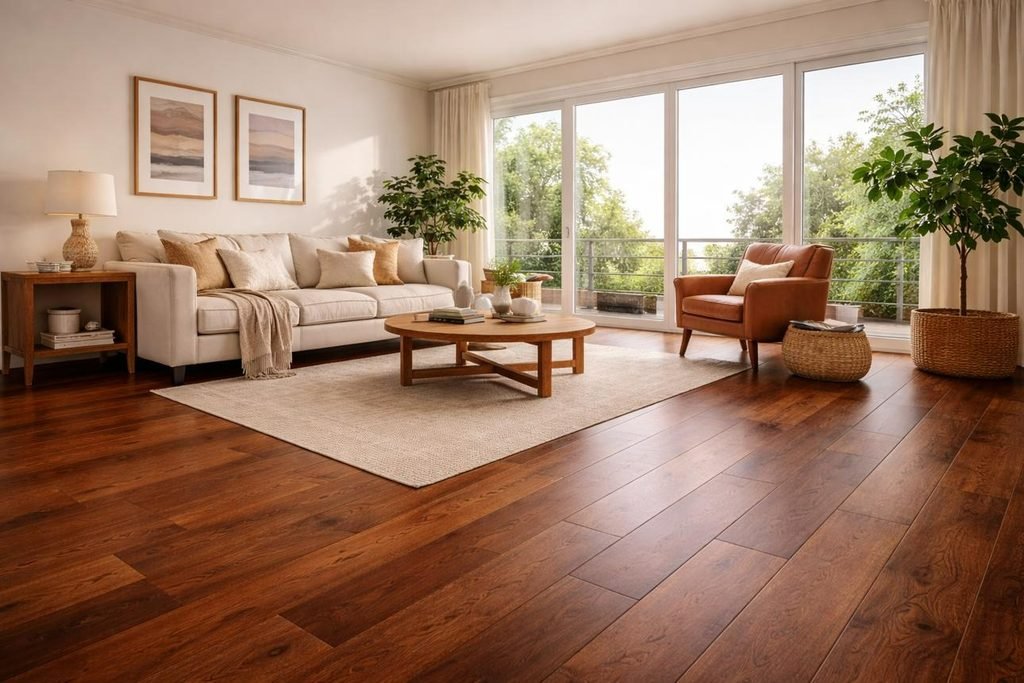
Warm Brown: Bringing Comfort Back to Interiors
Warm brown flooring offers a welcoming alternative to very pale or cool-toned surfaces. Honey, caramel, chestnut, and medium walnut shades create visual warmth while giving furniture and decorative details a richer backdrop.
These colours pair beautifully with cream walls, beige upholstery, natural linen, brass accents, and earthy green tones.
Best for: Family homes, transitional interiors, traditional spaces, and modern farmhouse designs.
Light Blonde and Pale Wood: Bright, Airy, and Relaxed
Light hardwood flooring is an excellent choice for interiors that need a brighter, more open appearance. Blonde oak, pale maple, and softly whitewashed wood can help small rooms feel less crowded, particularly when paired with light walls and uncluttered furniture.
The key is choosing a natural-looking shade rather than an extremely white finish that may feel disconnected from the rest of the room.
Best for: Small homes, apartments, coastal interiors, and Scandinavian-inspired spaces.
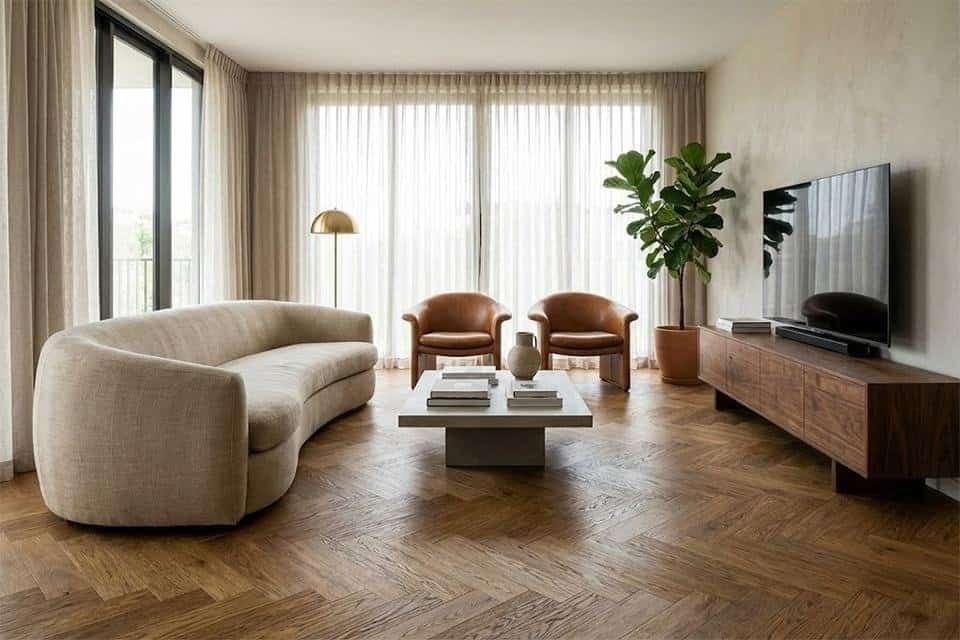
Dark Walnut and Espresso: A More Dramatic Look
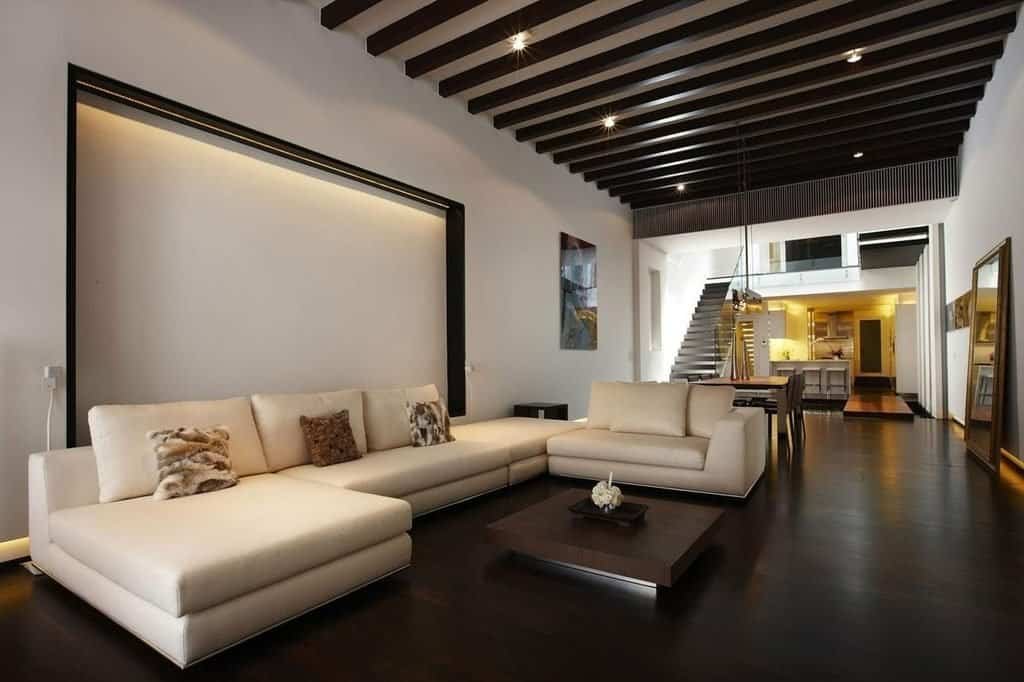
Dark hardwood flooring creates a striking foundation for sophisticated interiors. Deep walnut, espresso, and chocolate-brown finishes can make a room feel grounded and luxurious, especially when contrasted with pale walls and soft furnishings.
These shades also work well in rooms with generous natural light, where the darker surface can add depth without overwhelming the space.
Best for: Formal living rooms, spacious bedrooms, contemporary interiors, and homes with light-coloured furniture.
Muted Greige and Earthy Brown: A Softer Alternative to Grey
Cool grey flooring has been a familiar choice in contemporary homes, but warmer, more natural-looking alternatives are worth considering for 2027.
Greige, taupe-brown, and softly smoked wood tones offer some of the understated appearance associated with grey while retaining more warmth. They also tend to work well with cream, sand, muted green, and other earthy colours.
Best for: Contemporary homes, understated luxury interiors, and rooms that combine warm and cool finishes.
Which Hardwood Floor Colour Should You Choose?
The best colour depends on the atmosphere you want to create and the practical demands of your home.
| Hardwood floor colour | Overall effect | Works especially well with |
| Natural oak | Balanced and timeless | Warm white walls, neutral furniture |
| Blonde wood | Bright and airy | Pale walls, light fabrics |
| Honey brown | Warm and welcoming | Cream, beige, brass accents |
| Medium walnut | Rich and sophisticated | Sage green, taupe, natural textiles |
| Dark espresso | Dramatic and elegant | Ivory, soft white, contrasting furniture |
| Warm greige | Subtle and contemporary | Taupe, muted green, warm neutrals |
Practical tip: If you want a floor that remains adaptable as your decorating preferences change, start by comparing natural oak, medium brown, and warm walnut. These options provide noticeably different looks without relying on an unusually bold or highly specific colour trend.
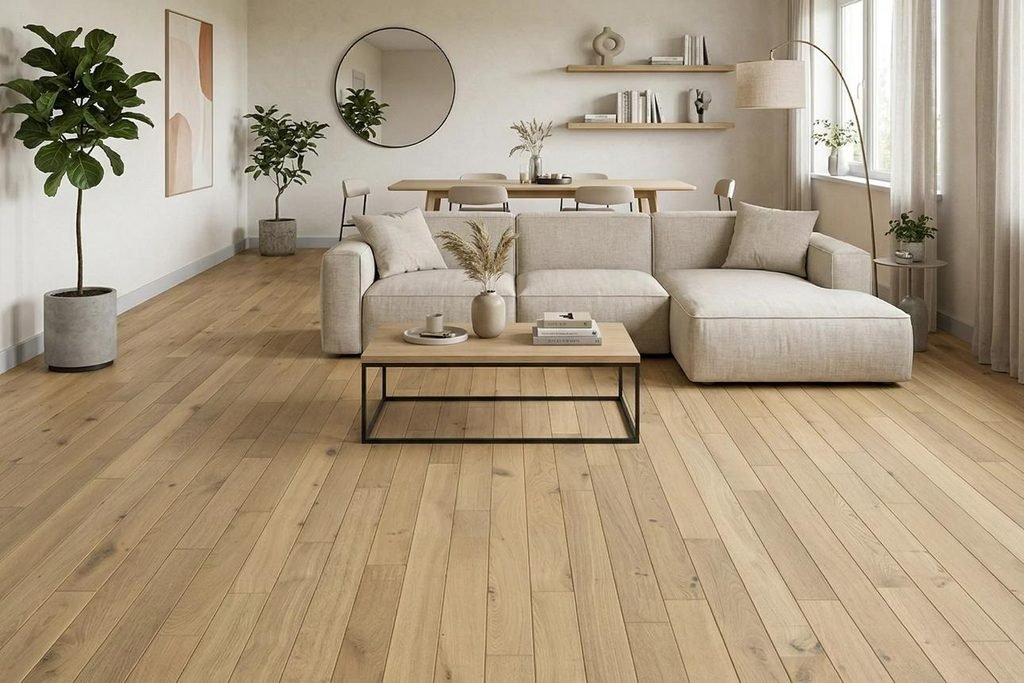
Natural Oak Is Still Winning: Why Organic Wood Tones Feel So Modern
Natural oak is a strong option for homeowners who want hardwood flooring that feels current without looking overly fashionable. Its appeal comes from the balance between colour and texture: oak can look understated in a minimalist room or rich and inviting in a traditional interior.
For hardwood floor colours in 2027, natural oak is worth considering because it complements a wide range of materials, including stone, linen, leather, metal, and other wood finishes.
11
White Oak, Natural Oak, and European Oak: What’s the Difference?
These terms can overlap, so it’s helpful to understand what you’re comparing before ordering samples.
White oak is known for its relatively subtle grain and ability to take a variety of stains. Depending on the finish, it can look pale beige, softly golden, or medium brown.
Natural oak usually describes a colour or finish intended to preserve the wood’s original appearance. It isn’t necessarily a separate species or a precise colour standard, so two products labelled natural oak may look different.
European oak commonly has a warm beige-to-brown appearance and attractive grain variation. Its final colour depends on the specific boards, treatment, and protective finish.
When comparing these options, pay attention to the actual sample rather than the product name alone. A clear finish, white pigment, or amber-toned coating can significantly change how oak appears.
How to Style Natural Oak Floors in Modern and Traditional Homes
Natural oak works particularly well when the rest of the room allows the wood grain to remain visible without competing with too many other finishes.
For a modern interior, combine natural oak flooring with warm white walls, simple furniture, and understated lighting. Black metal accents can provide contrast, while linen curtains and textured rugs soften the overall appearance.
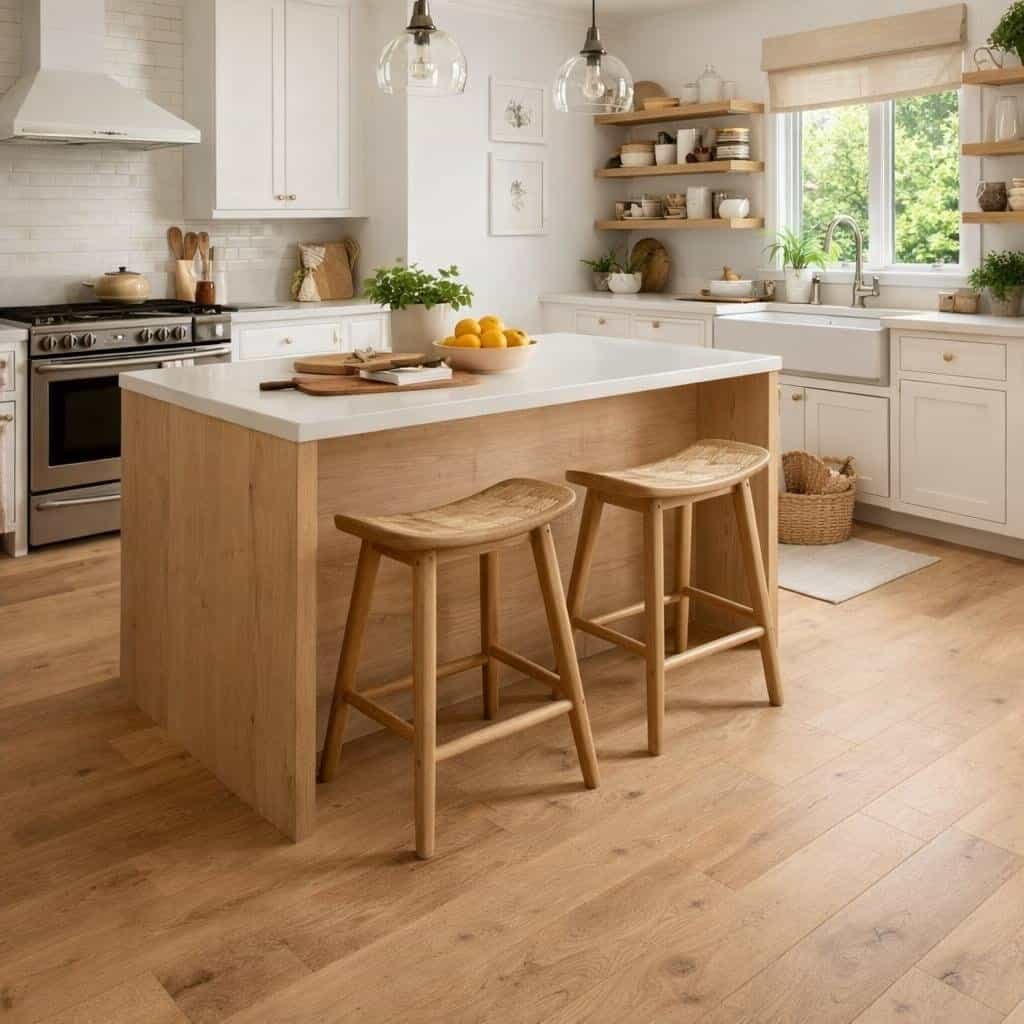
For a traditional or farmhouse-style home, consider oak floors with cream cabinetry, painted wood furniture, woven baskets, and warm metal hardware. Medium-toned oak can also help older homes feel updated without losing their character.
A few combinations worth trying include:
- Natural oak + warm white: A bright, timeless combination for living rooms and hallways.
- Natural oak + sage green: A relaxed, nature-inspired palette that works well in bedrooms and kitchens.
- Natural oak + charcoal accents: A more contemporary look with stronger contrast.
- Natural oak + cream and caramel: A comfortable, layered palette that feels welcoming rather than stark.
One important detail is the relationship between different wood finishes. Your flooring does not have to match every cabinet, table, or chair exactly. In fact, several complementary wood tones can create a more natural result. Aim for a deliberate contrast in colour or undertone instead of trying to match everything perfectly.
Which Wall Colours and Furniture Finishes Work Best With Natural Wood?
The undertone of your oak flooring should guide your decorating choices.
| Oak flooring tone | Wall colours to consider | Furniture and accent ideas |
| Pale blonde oak | Warm white, soft beige | Light upholstery, pale timber |
| Neutral natural oak | Ivory, greige, muted sage | Oak furniture, black metal |
| Golden oak | Cream, warm taupe | Caramel leather, brass |
| Smoked oak | Warm white, mushroom, olive | Dark wood, textured fabrics |
If the flooring has a noticeable yellow or orange undertone, test wall colours carefully. Some cool whites and blue-grey paints can make warm wood look more orange by comparison.
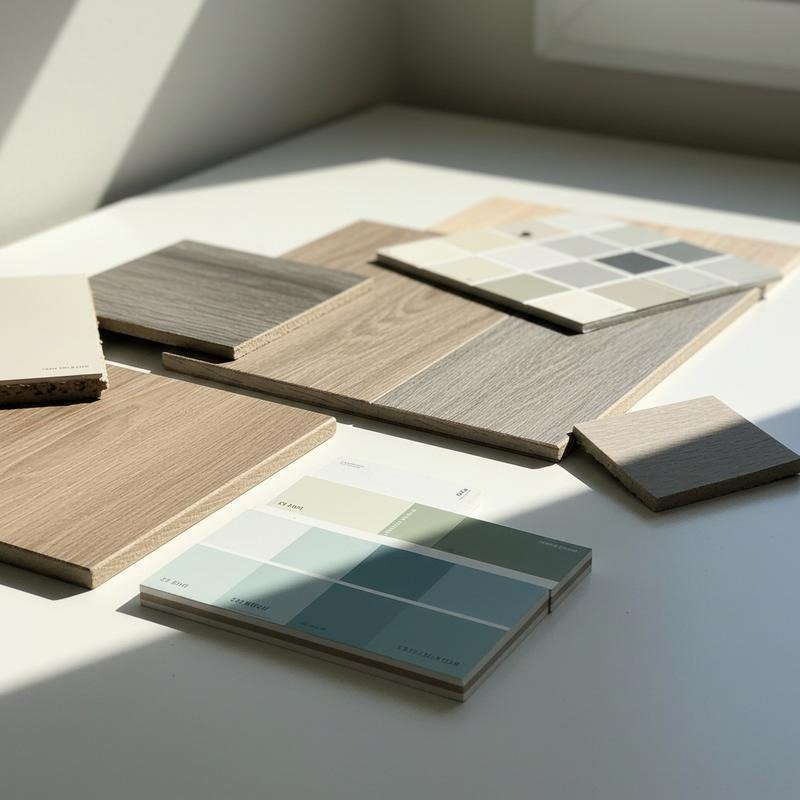
For a more cohesive result, choose wall paint and flooring samples together. Look at them in morning daylight, afternoon sunlight, and evening lighting before making a final decision.
Light Hardwood Floor Colours That Make Rooms Feel Bigger
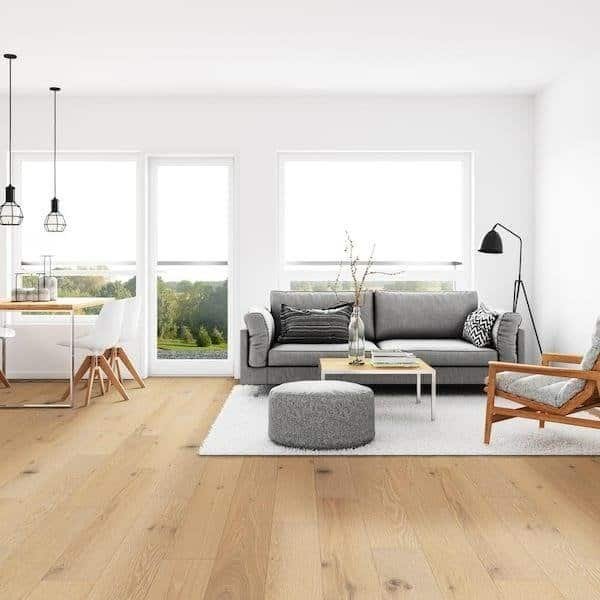
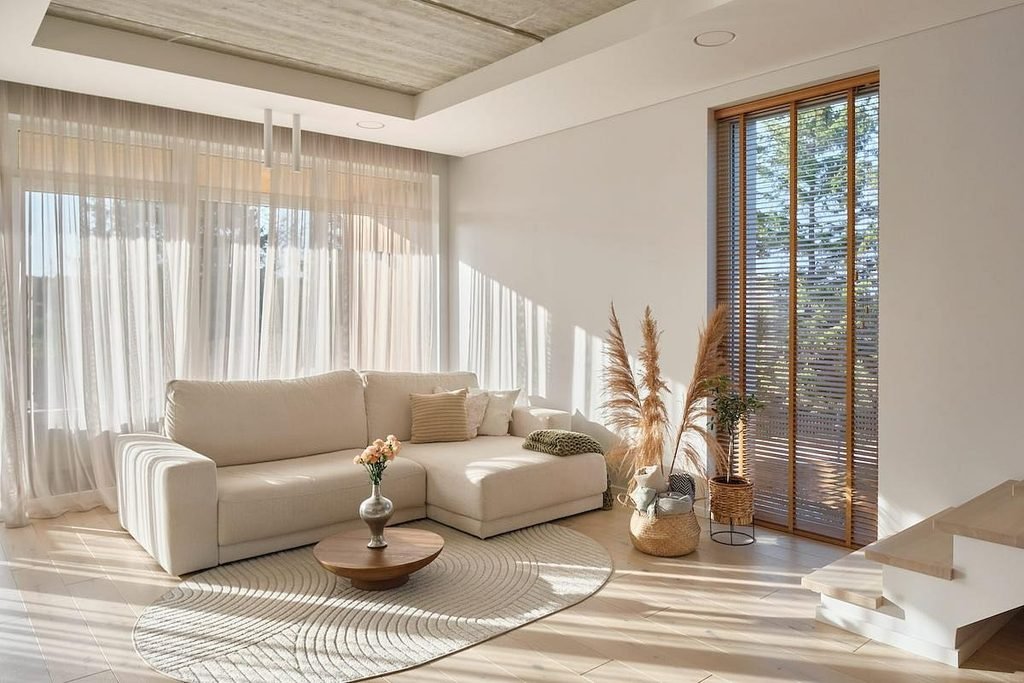
Light hardwood flooring is especially popular with homeowners who want interiors to feel open, calm, and bright. Pale wood reflects more light than many dark finishes and can visually soften the boundaries between the floor, walls, and furniture.
Although light flooring cannot physically increase a room’s size, it can help create a more spacious impression. This makes it particularly useful in smaller homes, narrow hallways, compact bedrooms, and open-plan spaces where a consistent floor colour helps connect different areas.
12
Blonde and Light Beige Wood: The Brightest Natural Options
Blonde oak and light beige wood offer a clean, contemporary look without the stark appearance of a completely white floor.
These shades work especially well with warm white walls, simple furniture, and natural materials. They can also help a small room feel more consistent when the flooring continues through connected living areas.
Blonde flooring is a good choice if you want a light interior that still has visible wood grain and some natural variation.
To keep the space from feeling too pale, introduce a few contrasting elements, such as:
- A medium-brown coffee table or dining table.
- Textured rugs in beige, taupe, or muted green.
- Dark bronze or black lighting fixtures.
- Upholstery in cream, oatmeal, or warm grey.
The aim is to create enough contrast to give the room definition without losing its airy quality.
Whitewashed and Softly Limed Oak: A Relaxed, Coastal Feel
Whitewashed and limed finishes reduce the visual intensity of the wood’s natural colour while allowing some grain to show through.
Whitewashed flooring often has a lighter, more visibly white appearance. Limed finishes typically emphasise the grain with a pale treatment, although the precise effect varies by product.
Both can work beautifully in coastal, Scandinavian, and casual contemporary interiors.
However, the finish matters. An extremely white or heavily distressed surface may feel less natural than a lightly treated oak floor. If you want a timeless appearance, look for a finish that preserves some variation between boards.
Pair these floors with soft white walls, linen curtains, woven textures, and pale natural furniture. A few warm accents can prevent the room from looking cold or overly uniform.
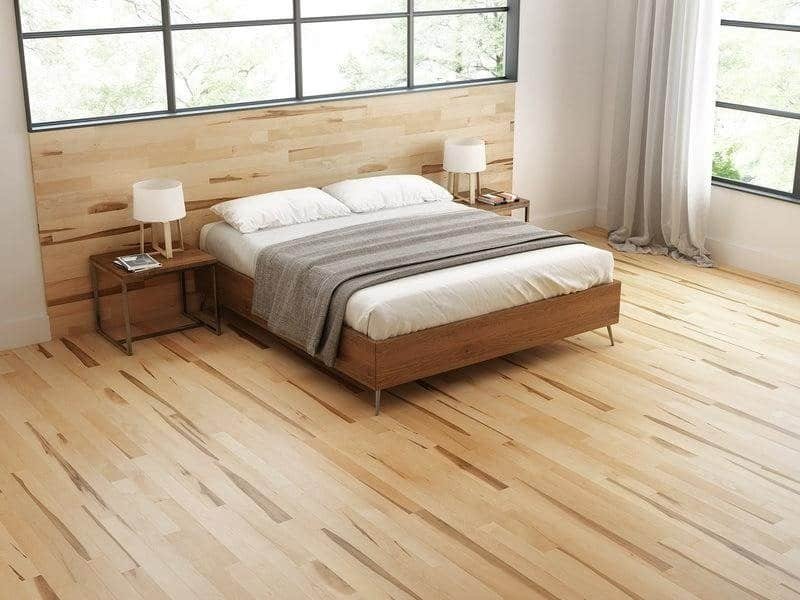
Light Maple: A Smooth, Understated Alternative
Maple is another option for homeowners who prefer a lighter hardwood floor. Depending on the species and finish, it can have a pale cream, light tan, or subtly golden appearance.
Its grain often looks more restrained than the pronounced grain found in some oak flooring, making it useful for clean, minimalist interiors.
Maple can complement:
- Modern kitchens with simple cabinetry.
- Bedrooms with neutral textiles.
- Minimalist living rooms with streamlined furniture.
- Contemporary interiors that favour subtle wood texture.
Keep in mind that maple can be challenging to stain evenly, depending on the product and finishing method. If you’re choosing a custom-stained maple floor, review samples prepared using the actual wood and finishing system rather than relying on a stain colour chart.
How to Choose Light Hardwood Floors Without Making a Room Feel Washed Out
Light flooring can brighten an interior, but choosing the wrong undertone may leave the room looking flat or disconnected.
Use these practical checks before committing to a colour.
Check the natural light. Rooms with limited daylight may benefit from a slightly warmer pale wood rather than a cool, greyish finish. Bright, sunlit rooms can often accommodate a wider range of light shades.
Compare the floor with your wall paint. A creamy floor beside a very cool white wall may appear more yellow than expected. Testing the samples together helps reveal these differences.
Consider everyday maintenance. Very pale, uniform flooring may make darker debris or contrasting marks more noticeable. Grain variation and a natural-looking finish can help the floor appear less visually uniform.
Think about furniture contrast. If the flooring, walls, and furniture are all nearly the same colour, the room may lack definition. Add depth through furniture, textiles, plants, or lighting instead of choosing a darker floor automatically.
Test samples in the actual room. Place a large flooring sample near windows and in shaded areas. Observe it at different times of day, since natural and artificial lighting can shift the appearance of wood considerably.
For a versatile result, consider light natural oak with a soft beige undertone. It can make a room feel brighter while retaining enough warmth to work with a wide range of furniture and decorating styles.
Warm Brown Hardwood Floors Are Making a Comeback
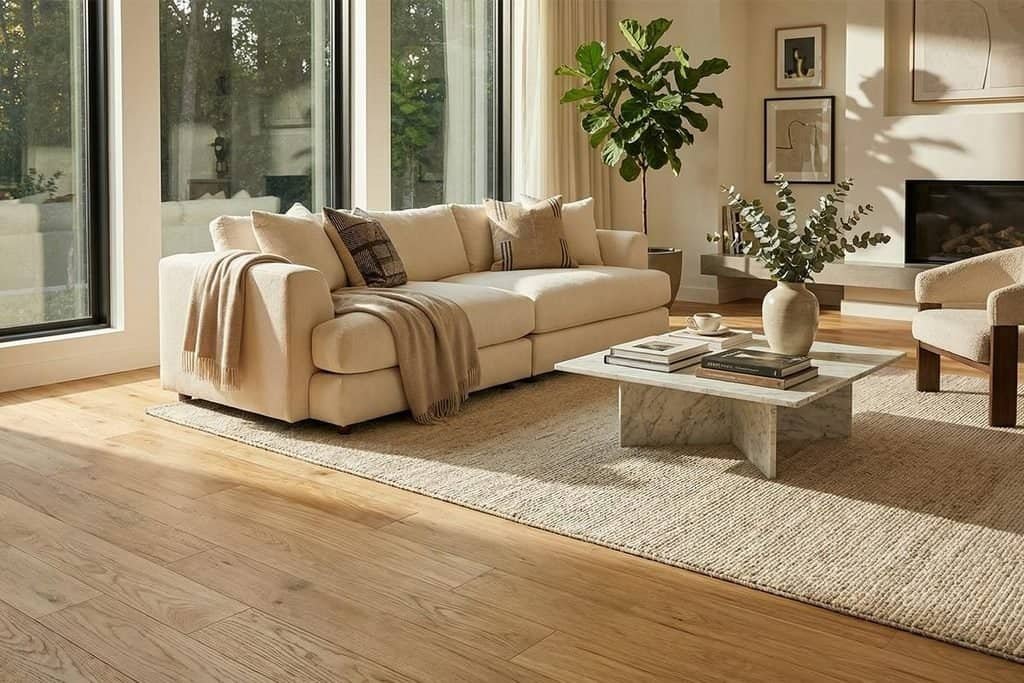
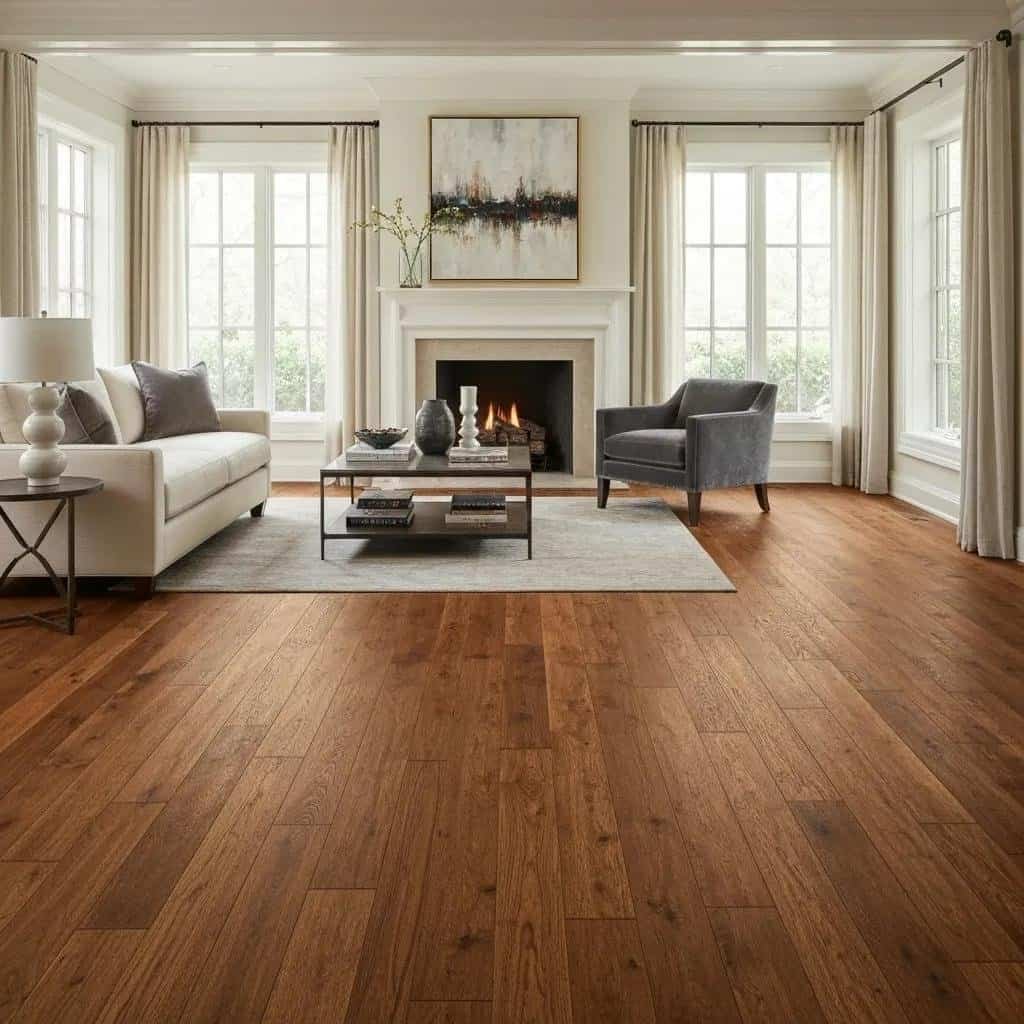
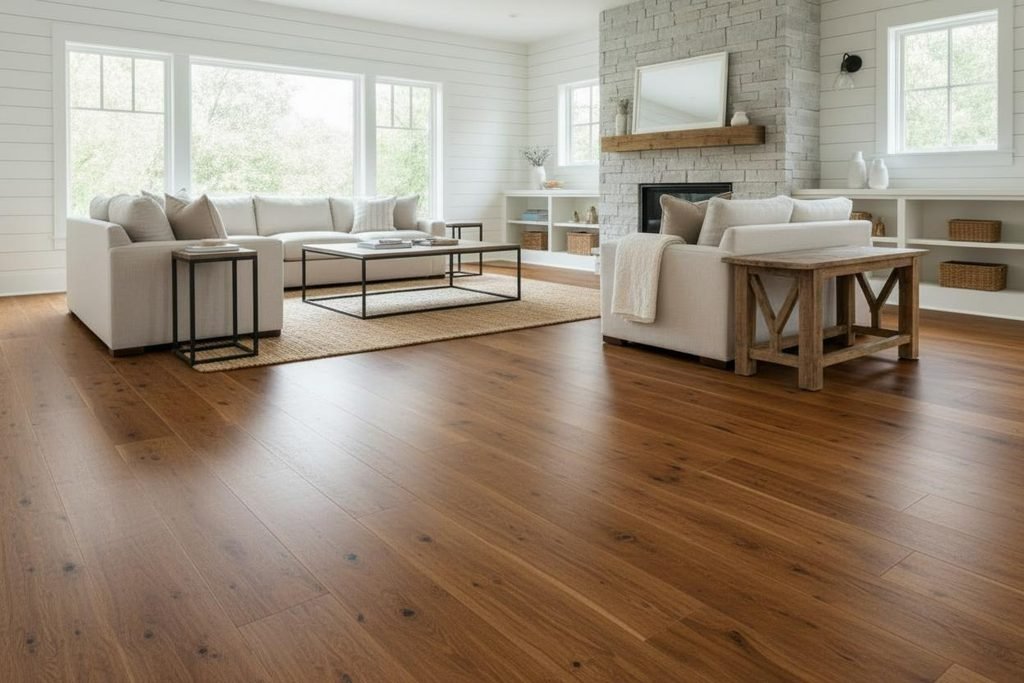
Warm brown hardwood floors are an excellent choice for homeowners who want a space that feels inviting, comfortable, and timeless. Shades such as honey, caramel, chestnut, and medium walnut add richness to a room without the dramatic effect of very dark flooring.
For hardwood floor colours in 2027, warm brown tones are worth considering if you prefer interiors that feel natural rather than overly cool or stark. They work particularly well with cream walls, beige fabrics, natural stone, and wood furniture, making them suitable for both modern and traditional homes.
13
Honey, Caramel, and Golden Brown: Warmth Without Going Too Dark
Honey and caramel hardwood floors sit between pale natural wood and deeper brown finishes. Their golden undertones create a welcoming atmosphere, especially in rooms with cream walls, warm lighting, and natural textiles.
Honey oak is a familiar choice for traditional interiors, but it can also look fresh in contemporary spaces when paired with simple furniture and restrained decoration. The key is choosing a finish that complements the room rather than one that appears excessively yellow or orange.
Caramel shades offer a slightly richer alternative. They bring depth to the floor while retaining enough warmth to work with lighter furniture and neutral colour schemes.
Consider these combinations:
- Honey oak with warm white walls: Ideal for bright living rooms and open-plan spaces.
- Caramel flooring with beige upholstery: Creates a comfortable, coordinated appearance without looking too uniform.
- Golden brown floors with sage green: Adds an earthy, nature-inspired quality.
- Warm brown flooring with black accents: Introduces contrast and gives traditional wood tones a more contemporary edge.
These colours can be especially effective in homes where you want a cosy atmosphere without choosing dark flooring throughout.
One detail to watch is the intensity of the golden undertone. If your cabinets, doors, and furniture already have strong orange or yellow tones, a similarly coloured floor may make the room feel dated or visually crowded. A more neutral warm brown can provide a better balance.
Chestnut, Cinnamon, and Medium Walnut: The Balanced Middle Ground
Medium brown hardwood floors offer a practical compromise between light and dark flooring. They provide more visual depth than pale oak while avoiding some of the high-contrast effect associated with espresso or very dark walnut.
Chestnut typically has a warm, reddish-brown character, although its exact appearance depends on the wood and finish. It suits traditional, rustic, and transitional interiors.
Cinnamon brown introduces a warmer, sometimes subtly reddish tone. It can complement cream walls, natural fabrics, and furniture with warm undertones.
Medium walnut generally creates a richer, more refined look. Depending on the species and stain, walnut-inspired flooring can range from soft brown to deep chocolate.
These mid-tone colours work well in living rooms, dining rooms, bedrooms, and hallways because they provide a noticeable foundation without dominating the entire interior.
For a modern look, pair medium walnut flooring with warm white walls, streamlined furniture, and muted green or taupe accents. For a more traditional setting, combine chestnut floors with cream cabinetry, classic furniture shapes, and textured rugs.
Medium brown can also be a useful choice when you have existing wood furniture that you want to keep. Instead of trying to match every piece exactly, choose flooring with a complementary undertone and allow the furniture to provide some contrast.
How Warm Hardwood Floors Complement Cream, Beige, and Earthy Interiors
Warm hardwood floors are easiest to style when the rest of the room shares a compatible colour temperature. This does not mean everything needs to be brown or beige. Soft greens, muted terracotta, warm whites, and carefully selected charcoal accents can all work beautifully.
Use these combinations as a starting point:
| Floor colour | Recommended wall colour | Finishing touches |
| Honey oak | Warm white or ivory | Brass lighting and cream fabrics |
| Caramel brown | Soft beige or taupe | Woven rugs and natural wood furniture |
| Chestnut | Cream or muted olive | Traditional furniture and linen curtains |
| Medium walnut | Warm white or sage green | Black metal, stone, and textured upholstery |
| Cinnamon brown | Pale beige or mushroom | Terracotta accessories and natural fibres |
The most successful rooms usually combine a few different textures rather than relying on colour alone. Linen curtains, wool rugs, stone surfaces, and matte metal fixtures can give warm hardwood flooring a more layered appearance.
A practical styling tip: If you already have warm wood floors and the room feels too yellow, avoid adding more golden wood finishes everywhere. Introduce neutral fabrics, muted green accents, or soft white walls to create contrast without replacing the flooring.
Warm brown hardwood is particularly appealing if you want a home that feels welcoming today but can adapt to different decorating styles in the future.
Dark Hardwood Floor Colours 2027: Bold, Elegant, and Timeless
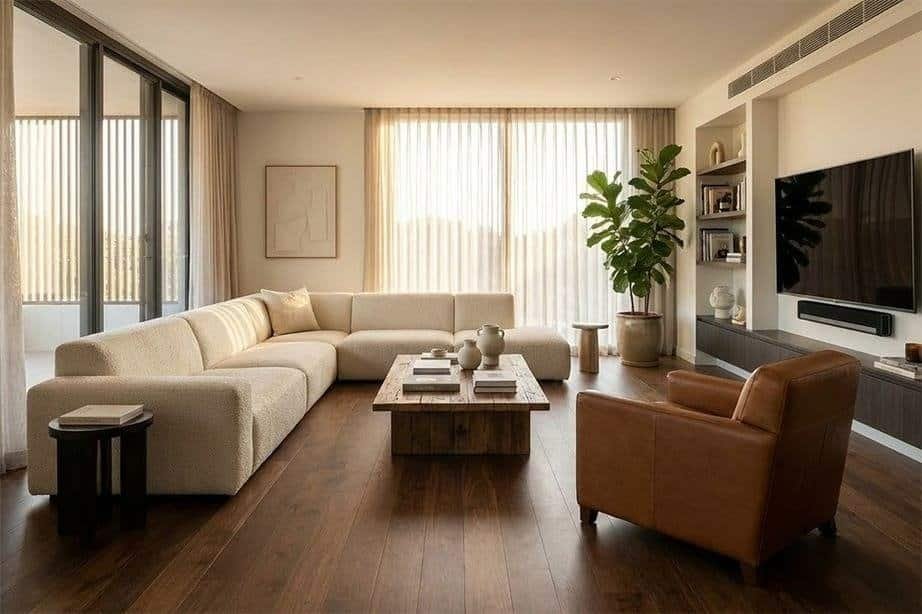
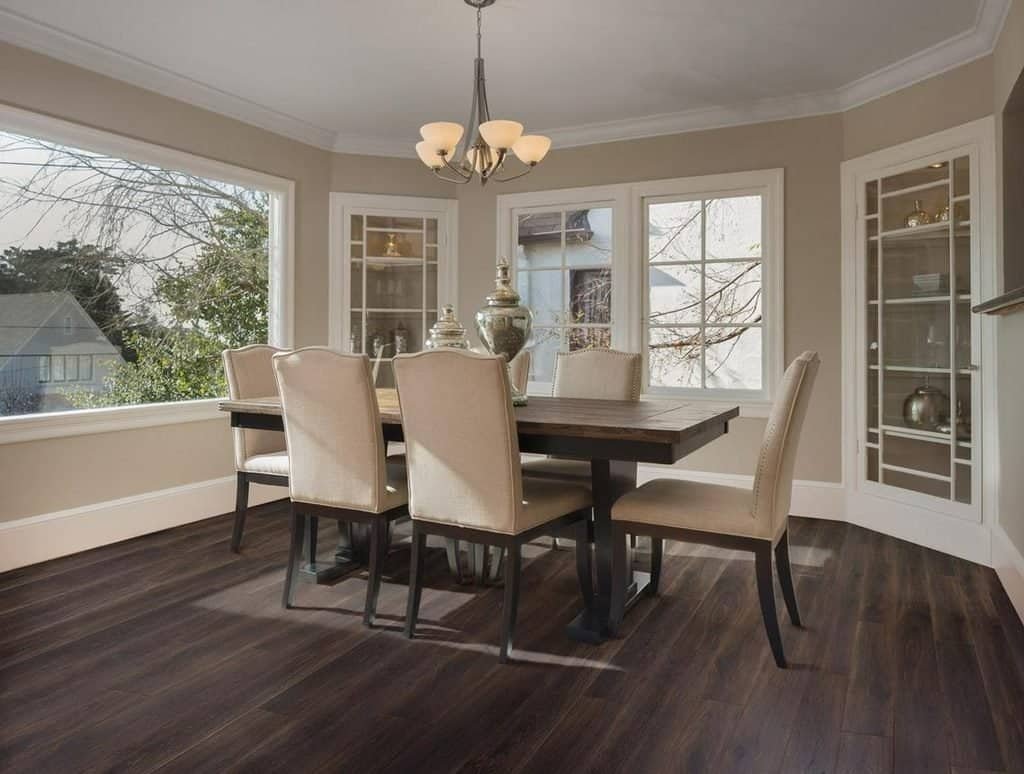
Dark hardwood floors create a distinctive look that lighter finishes cannot always achieve. Deep brown surfaces can make a room feel sophisticated, grounded, and dramatic, especially when contrasted with pale walls and carefully chosen furniture.
For homeowners exploring hardwood floor colours in 2027, dark walnut, espresso, chocolate brown, and smoked oak are options worth considering. These shades can suit both classic interiors and modern spaces, but their success depends on the room’s natural light, dimensions, and surrounding finishes.
14
Espresso Brown: A Sleek, Contemporary Statement
Espresso flooring is among the darkest hardwood colour options. It often has a deep brown appearance that can look almost black under certain lighting conditions.
This shade is particularly effective in contemporary interiors where contrast plays an important role. Pale walls, light upholstery, and simple furniture prevent the dark floor from making the room feel too heavy.
Espresso hardwood works well with:
- Warm white walls and ivory sofas.
- Light oak or natural wood furniture.
- Brushed brass or matte black hardware.
- Large rugs in cream, beige, or subtle geometric patterns.
- Glass, stone, and metal accents.
The main consideration is maintenance. Dark, relatively uniform flooring can make dust, pet hair, and light-coloured debris more noticeable. Fine scratches may also stand out when they contrast with the finish.
If you love espresso but worry about daily upkeep, consider a matte or low-sheen finish with visible grain variation. The texture can make small imperfections less conspicuous than a very smooth, glossy surface.
Dark Walnut: Richness With a Natural Wood Appearance
Dark walnut offers a softer alternative to near-black espresso flooring. Depending on the product, it can have chocolate, medium-brown, or slightly purplish undertones, giving the room more visual complexity than a flat, almost-black finish.
Walnut-inspired flooring is a strong option for interiors that need warmth and sophistication at the same time.
In a living room, combine dark walnut floors with cream upholstery, warm white walls, and natural textiles. In a bedroom, muted taupe bedding, soft lighting, and a textured rug can create a calm, comfortable atmosphere.
For a more contemporary effect, introduce a few contrasting materials, such as pale stone, brushed metal, or light-coloured wood furniture. These elements keep the floor from blending into an overly dark colour scheme.
When selecting walnut flooring, check whether you’re buying actual walnut wood or another wood species finished to resemble walnut. The grain, natural colour variation, cost, and refinishing characteristics may differ.
Rich Chocolate Brown and Smoked Oak: Depth Without an Overly Black Finish
Chocolate-brown flooring provides a deep, warm appearance that can feel less stark than espresso. It works particularly well with cream, mushroom, caramel, and muted green interiors.
Smoked oak is another option for homeowners who prefer a more complex, subdued colour. Smoking treatments can deepen or alter the wood’s colour, while the final appearance varies by manufacturer and finishing process.
These shades can be useful if you want dark flooring but prefer to retain a visible sense of the wood’s natural character.
Try these styling approaches:
- Chocolate brown with warm white: Creates a clear contrast while keeping the room bright.
- Smoked oak with taupe: Produces a restrained, contemporary palette.
- Dark brown with olive green: Adds an earthy, sophisticated atmosphere.
- Smoked oak with pale natural wood: Introduces variation without making the interior feel busy.
Before choosing a dark floor, look at the room’s daylight carefully. A spacious living room with large windows may accommodate deep brown flooring comfortably, while a small, shaded room may benefit from a medium walnut shade instead.
How to Make Dark Hardwood Floors Work in Small and Large Rooms
Dark hardwood flooring is not limited to large houses. It can look attractive in smaller rooms, too, provided the rest of the design balances its visual weight.
| Room or condition | Recommended approach |
| Small living room | Choose warm white walls, light upholstery, and a restrained furniture layout. |
| North-facing or shaded room | Consider medium walnut instead of near-black espresso. |
| Large open-plan space | Use dark flooring to create a grounded foundation for lighter furnishings. |
| Bedroom | Add soft textiles, warm lighting, and a pale rug beside the bed. |
| Busy family home | Consider a textured, varied-grain finish that is less visually uniform. |
The goal is not to eliminate every dark element or fill the room with white. Instead, create enough contrast and variation for the floor to feel intentional rather than overpowering.
One more practical consideration is continuity. If you are installing dark hardwood throughout several connected rooms, examine how the colour looks in each space. A shade that feels rich in a sunlit living room may appear considerably darker in an interior hallway.
Best overall advice: Choose dark hardwood when you genuinely like the depth it brings to a room, not simply because it looks luxurious in a photograph. Test a sample against your walls, furniture, and lighting before making the final decision.
Are Grey Hardwood Floors Out of Style in 2027?
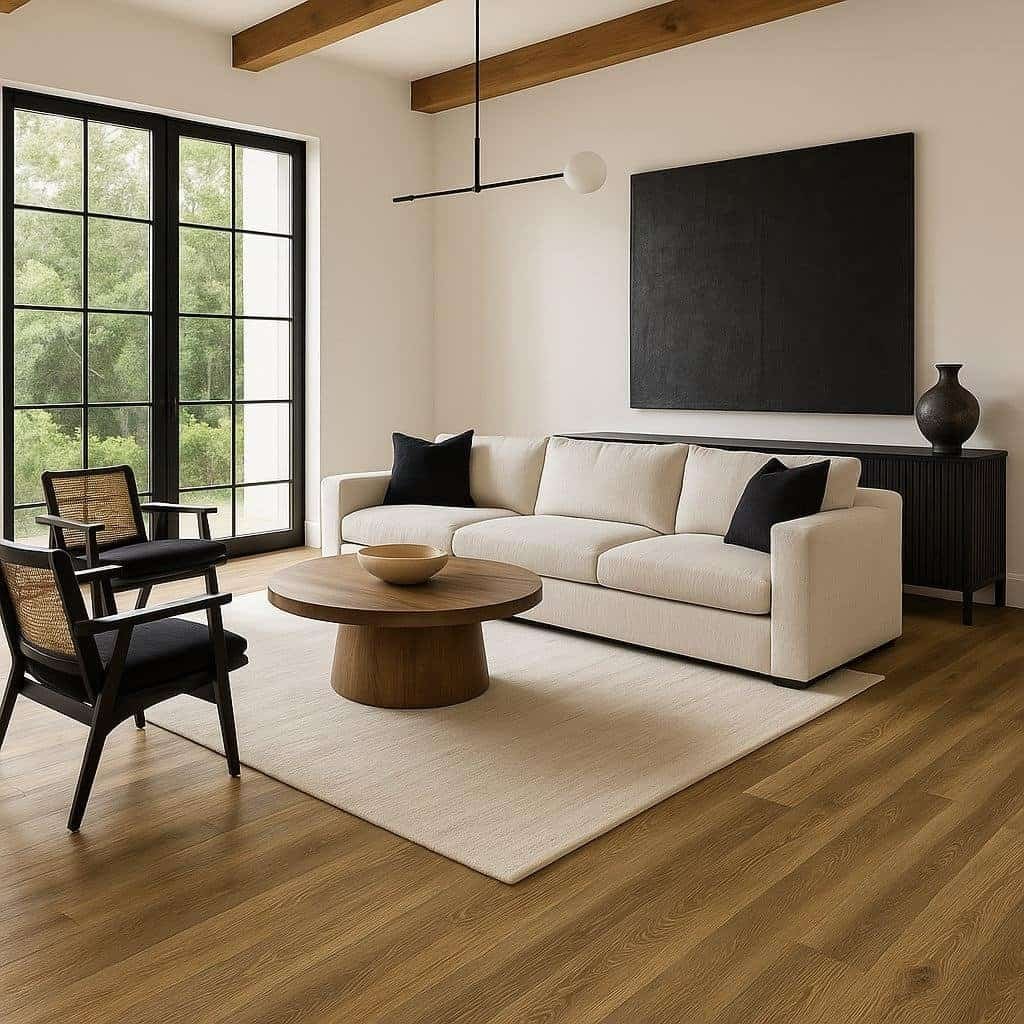
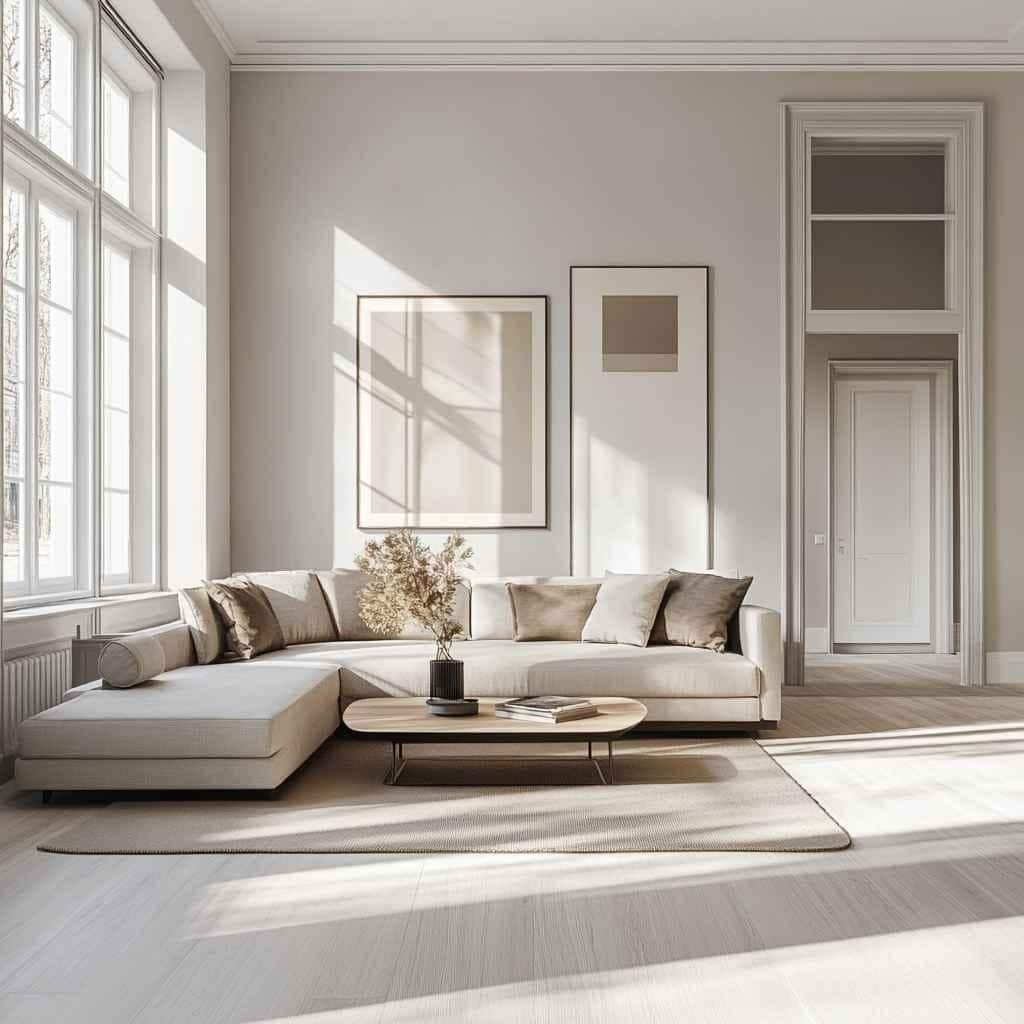
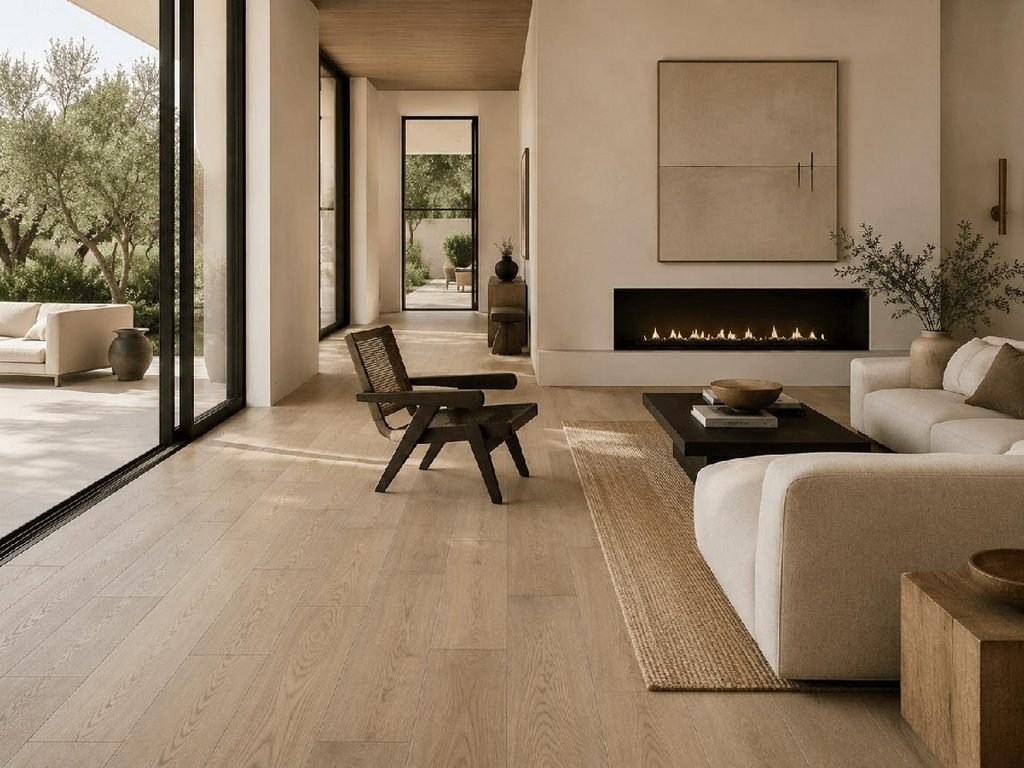
Grey hardwood floors have been popular in contemporary interiors for years, particularly in homes with cool white walls, streamlined furniture, and minimalist decoration. Their appearance has changed how many homeowners think about wood flooring, but grey is no longer the only option for achieving a modern, understated interior.
For 2027, warmer neutrals, natural-looking oak, and earthy brown tones are worth exploring if you’re choosing new flooring. However, grey hardwood floors are not automatically outdated. Their success depends on the shade, undertone, finish, and how well the floor works with the rest of the room.
11
Cool Ashy Grey vs. Warm Greige: Which Looks More Current?
Not all grey wood flooring looks the same. Some finishes have strong blue or cool undertones, while others blend grey with beige and brown.
Cool ash-grey flooring creates a crisp, contemporary appearance. It can work well with cool white walls, black accents, and modern furniture, but it may feel less harmonious when paired with strongly golden wood or warm cream finishes.
Warm greige flooring combines grey and beige, creating a softer neutral appearance. It often works more easily with warm white walls, natural fabrics, muted green, and medium-brown furniture.
Grey-brown oak retains a more noticeable wood character while reducing the intensity of yellow or orange undertones. This can be a useful choice for homeowners who want something subdued without committing to a distinctly grey floor.
Here’s a simple comparison:
| Flooring shade | Visual effect | Best interior pairing |
| Cool ash grey | Crisp and contemporary | Cool white, black, silver |
| Warm greige | Soft and balanced | Cream, taupe, muted green |
| Grey-brown oak | Natural and understated | Warm white, natural wood |
| Smoked brown-grey | Deep and sophisticated | Ivory, mushroom, charcoal |
If you are installing new flooring and want a shade that is likely to remain versatile, compare warm greige with natural oak before choosing a strongly cool grey. Both can create understated interiors, but natural oak usually makes the wood’s character more prominent.
Natural Wood With Subtle Grey-Brown Undertones
You do not have to choose between a completely natural wood colour and a visibly grey floor. Some finishes offer a middle ground, preserving the grain while softening the wood’s golden or reddish appearance.
These colours can work especially well in contemporary homes where the furniture combines warm and cool materials.
For example, grey-brown oak flooring can complement a beige sofa, a charcoal accent chair, pale walls, and a dining table in natural timber. The floor helps connect the different finishes without introducing a strong competing colour.
When comparing samples, look for a balanced undertone. A grey-brown finish that looks neutral in daylight may appear noticeably cooler under certain LED bulbs.
It is also worth checking how the colour interacts with your existing trim and cabinetry. If the cabinets have strong honey or orange undertones, a cool grey floor may create a contrast you did not intend.
When Grey Flooring Still Works Beautifully
Grey flooring remains a reasonable choice when it suits the architecture and overall decorating scheme.
Consider keeping or choosing grey hardwood when:
- Your interior already uses a cool, restrained colour palette.
- You prefer a minimalist look with black, white, and grey accents.
- The flooring complements existing cabinets, doors, and furniture.
- You like the shade itself rather than choosing it solely because it is fashionable.
- Replacing the floor would be expensive and the existing finish remains in good condition.
If your current grey floor feels dated, you may not need to replace it. Updating the surrounding room can make a meaningful difference.
Try adding warmer textiles, natural wood furniture, cream upholstery, or muted green accents. Replacing cool white bulbs with warmer lighting may also soften the overall appearance, provided the lighting suits the room’s function.
How to Update Grey Hardwood Floors Without Replacing Them
If you are renovating on a budget, focus on the elements that create the strongest visual contrast.
Introduce warm materials. Oak furniture, leather seating, woven baskets, and natural linen can make grey flooring feel less cold.
Reconsider the wall colour. Warm white, soft beige, or muted greige may help connect the floor with the rest of the interior.
Use rugs strategically. A textured rug in cream, taupe, or a muted earthy shade can soften a large expanse of grey flooring while defining a seating area.
Coordinate the wood finishes. If your furniture has a strong orange tone, add a transitional finish or complementary neutral elements rather than introducing several competing wood colours.
Check the floor’s condition before refinishing. Whether an existing floor can be sanded and recoloured depends on its construction, remaining wood thickness, and finish. Engineered hardwood, in particular, may have limited refinishing potential.
The bottom line is simple: grey flooring is not a design mistake just because other colours are gaining attention. If you are buying new hardwood for 2027, explore natural oak, warm brown, and greige alongside grey. If you already have grey floors, build a more cohesive interior around them before deciding that replacement is necessary.
Five Hardwood Floor Colour Combinations Worth Saving for Inspiration
Choosing a hardwood floor colour becomes much easier when you can picture how it will look alongside walls, furniture, and decorative finishes. The most successful interiors usually combine a floor with complementary colours and textures rather than trying to make every element match perfectly.
These five hardwood floor colour combinations are worth considering for 2027, whether you’re updating a single room or planning a whole-home renovation.
13
Natural Oak and Warm White: A Timeless Pairing
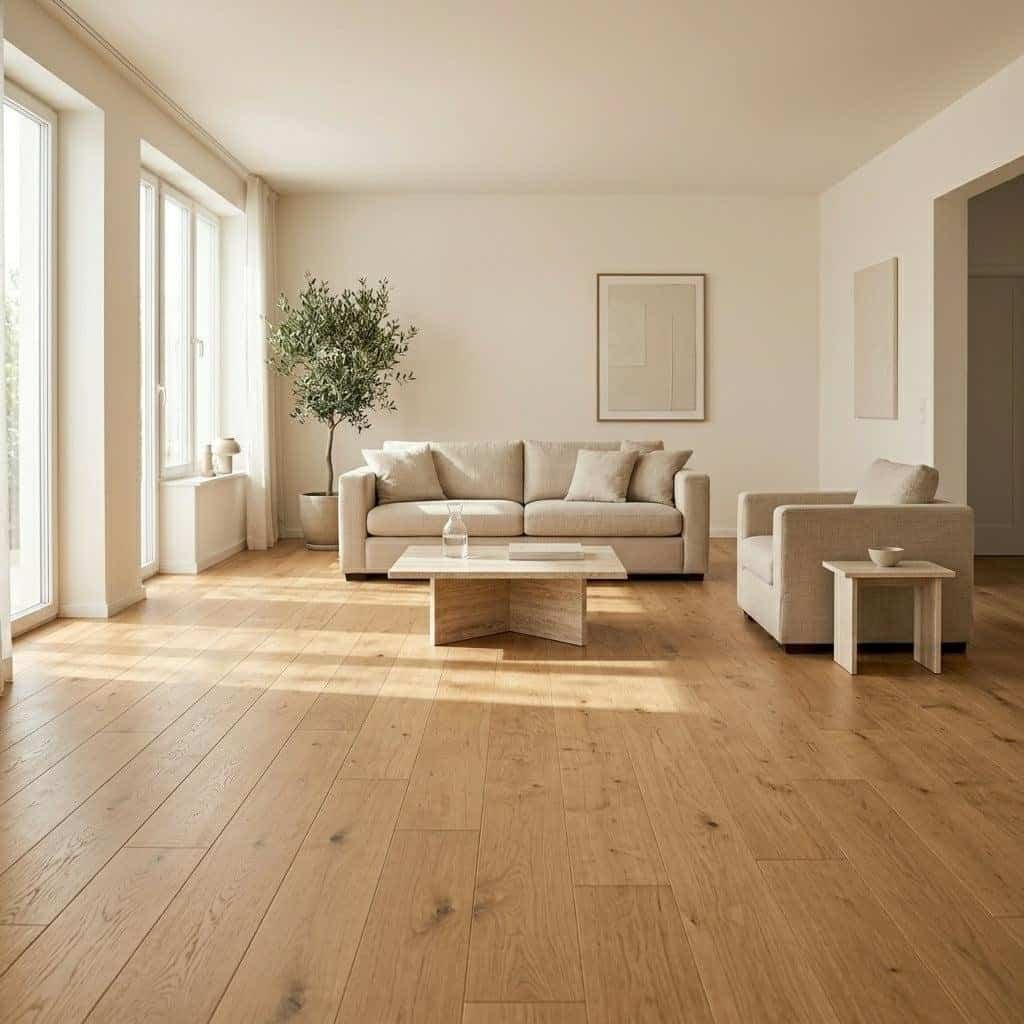
Natural oak flooring with warm white walls creates a bright, balanced interior that feels welcoming without being overly decorated.
The wood adds texture and warmth, while the walls keep the room open and visually uncluttered. This combination is particularly useful in open-plan living areas, small homes, and spaces where you want furniture and artwork to stand out.
Try this combination with:
- A cream or oatmeal sofa.
- Pale wood coffee tables.
- Linen curtains.
- Black or brushed-brass lighting.
- A textured rug in beige or soft taupe.
Choose a natural oak finish with subtle beige undertones if you prefer a softer look. Avoid selecting a floor that is too yellow if your walls are a crisp or neutral white.
Honey Oak and Cream: Warm, Comfortable, and Inviting
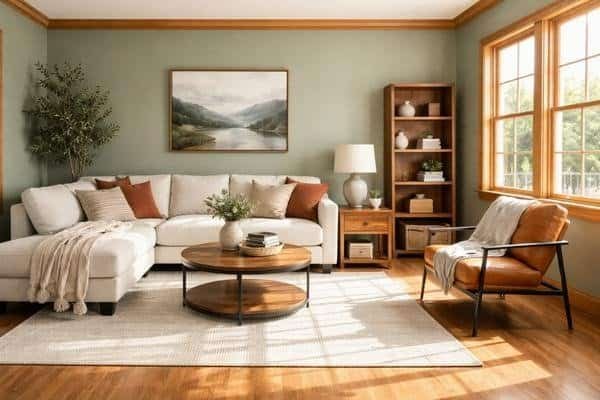
Honey oak paired with cream creates a traditional yet adaptable colour scheme. It is especially appealing in farmhouse interiors, family living rooms, and kitchens with warm cabinetry.
The golden tones of the wood add depth, while cream prevents the room from feeling too dark or visually heavy.
To keep the combination looking contemporary, use simple furniture shapes and avoid introducing too many additional golden wood finishes. A muted green accent, a natural stone countertop, or a few black details can provide welcome contrast.
This pairing works best when the honey oak has a balanced finish rather than an intense orange cast.
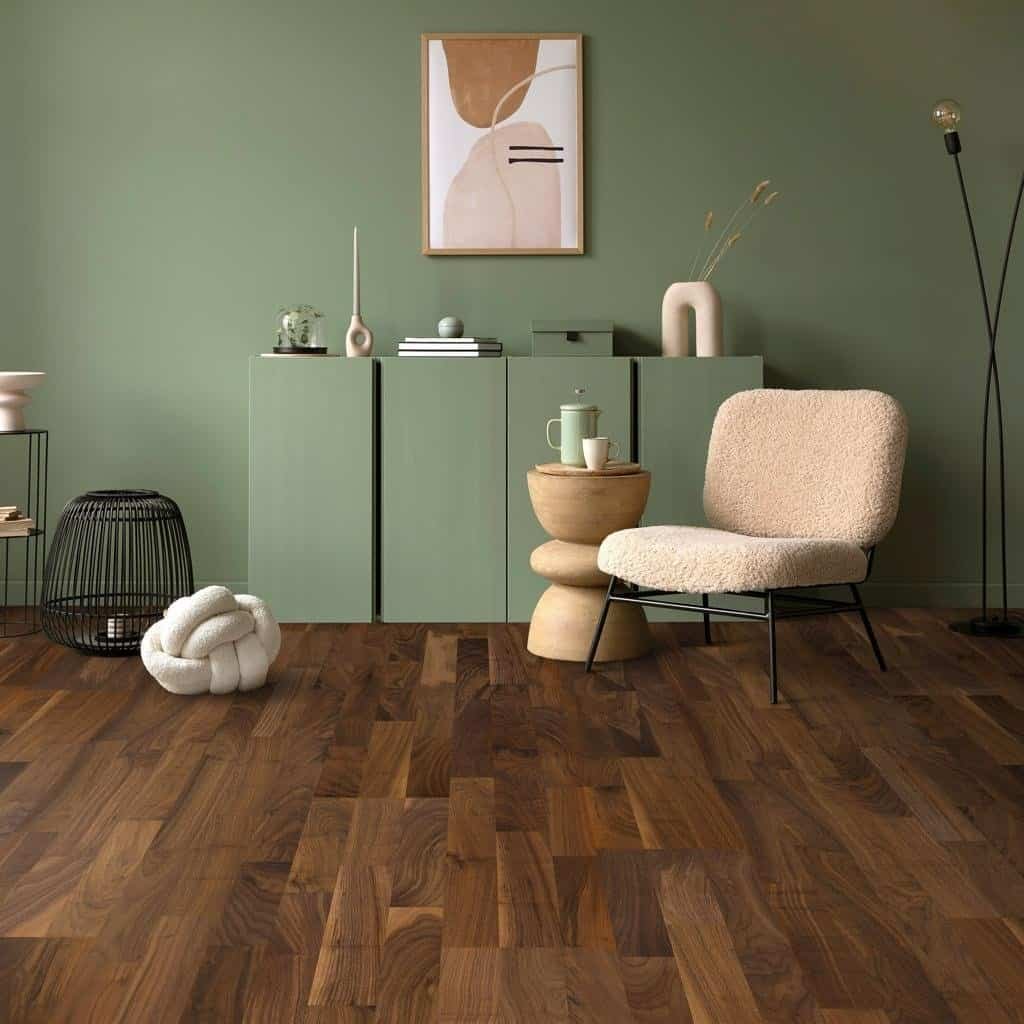
Medium Walnut and Sage Green: An Organic Modern Look
Medium walnut flooring and sage green create a sophisticated combination inspired by natural materials. The brown floor grounds the room, while the muted green introduces colour without overwhelming the interior.
This pairing is particularly attractive in bedrooms, living rooms, home offices, and dining spaces.
Consider sage green walls with walnut flooring, cream upholstery, and natural linen curtains. If you prefer to keep the walls neutral, use sage green in cushions, occasional chairs, artwork, or cabinetry instead.
Design tip: Choose a walnut shade that complements the undertone of your sage paint. A warm brown floor generally works well with earthy green shades, while very cool green-grey paint may create a different effect.
Espresso Floors and Ivory: High Contrast With a Luxurious Feel
Dark espresso flooring combined with ivory walls or furniture creates a dramatic, polished interior.
The contrast makes the floor a noticeable design feature while preventing the room from appearing uniformly dark. This combination can suit contemporary living rooms, formal dining areas, and bedrooms with generous natural light.
Introduce soft textures to balance the strong contrast. Wool rugs, upholstered furniture, linen curtains, and warm lighting can make the space feel comfortable rather than formal.
Keep in mind that very dark floors may show dust and light-coloured pet hair more clearly. A textured finish and a practical cleaning routine can help maintain their appearance.
Light Greige Oak and Warm Taupe: Soft and Contemporary
Light greige oak flooring paired with warm taupe creates a restrained, modern interior that feels softer than a stark white-and-grey colour scheme.
This combination works well in minimalist homes, contemporary apartments, and rooms where you want a neutral background for changing furniture or accessories.
Layer different shades of taupe, beige, and cream to create depth. For example, pair light greige floors with mushroom-coloured walls, cream upholstery, and a darker taupe rug.
The key is to vary the tones enough that the room does not look flat. Natural wood grain, woven fabrics, stone surfaces, and matte metal accents can add interest without introducing strong colours.
How to Choose the Right Hardwood Floor Colour for Your Home
The most attractive hardwood floor colour is not necessarily the one that appears most often in trend photographs. It is the shade that works with your home’s lighting, existing finishes, room dimensions, and everyday needs.
Before ordering flooring, evaluate the space as a whole. A little planning can prevent costly mistakes and help you choose a finish that remains appealing long after 2027.
10
Consider Natural Light and Room Orientation
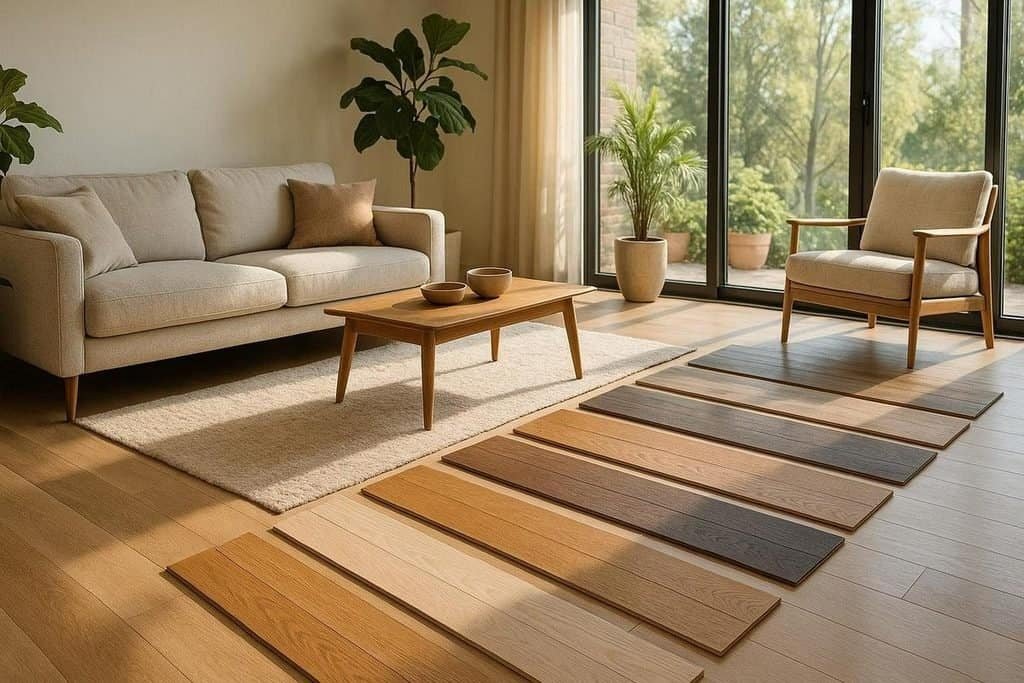
Natural light can change the way a hardwood floor looks throughout the day. A shade that appears warm and golden in afternoon sunlight may look cooler or more muted in a shaded room.
Rooms with large windows can often accommodate a wider range of flooring colours, including medium and dark browns. Smaller rooms with limited daylight may benefit from lighter or medium-toned finishes that keep the space feeling open.
Consider these general guidelines:
- Bright, sunlit rooms: Natural oak, honey brown, medium walnut, and even darker finishes can work well.
- North-facing or shaded rooms: Warm oak, light beige, and medium brown can help avoid an overly cold appearance.
- Small bedrooms: Pale oak or light natural maple can create a more spacious impression.
- Large living rooms: Medium walnut or dark brown can provide depth and help anchor the furniture.
These are starting points, not strict rules. A dark floor can look beautiful in a small room when the walls and furnishings provide sufficient contrast.
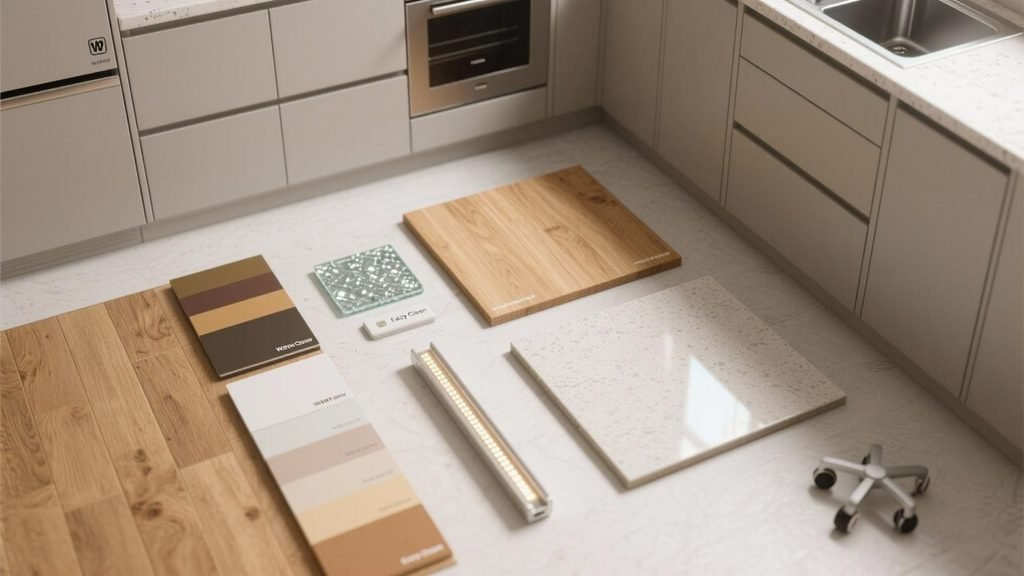
Match the Floor to Your Existing Cabinets and Furniture
Replacing hardwood flooring is a substantial investment, so it makes sense to consider the elements that will remain in your home.
Kitchen cabinets, interior doors, stair treads, built-in shelving, and large furniture pieces can all influence which floor colour will look most cohesive.
Your flooring does not need to match every wood finish exactly. A room can look more natural when it includes a deliberate mixture of light, medium, and dark woods.
The important factor is how the undertones work together.
For example, honey oak floors can look attractive with dark walnut furniture because the difference creates contrast. However, honey oak flooring, orange-toned cabinets, and reddish wood furniture may compete for attention if their undertones are too similar but not quite coordinated.
Use this simple approach:
- Identify the dominant wood tones already in the room.
- Decide whether the new floor should blend in or create contrast.
- Compare the undertones of your cabinets, flooring, and furniture.
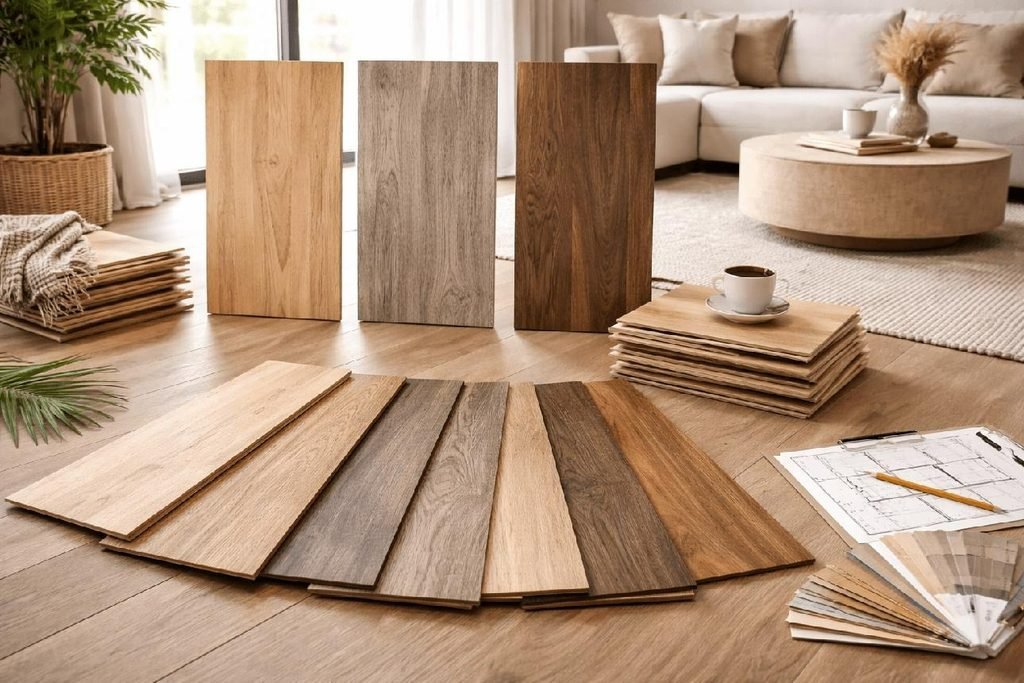
- Test actual samples together before committing to a purchase.
If you are choosing flooring for an entire home, consider how it will connect the kitchen, living room, hallways, and bedrooms. A consistent flooring colour can create visual continuity, particularly in open-plan layouts.
Think About Pets, Children, and Everyday Wear
Floor colour affects the way dirt and minor imperfections appear, but no single shade hides every type of mess.
Light floors may make dark debris more noticeable, while very dark floors can highlight pale dust, light pet hair, and certain scratches. Medium brown flooring with natural grain variation can offer a useful balance.
Your finish matters just as much as the colour. A textured, low-sheen surface may make everyday marks less conspicuous than a very glossy, uniform finish.
Consider the following before choosing:
- Pets with light-coloured fur: Very dark floors may require more frequent dusting or vacuuming.
- Pets with dark fur: Pale floors can make loose hair easier to see.
- Busy family households: A varied grain and medium-toned finish can help disguise minor visual irregularities.
- High-traffic hallways: Prioritise a suitable protective finish and a realistic maintenance routine.
- Homes with young children: Consider the manufacturer’s durability, cleaning, and maintenance recommendations alongside appearance.
Remember that scratches and dents depend on the wood species, construction, protective finish, and how the floor is used. Colour alone does not determine durability.
Choose Between Timeless Shades and Statement Colours
A floor covers a large area, so its colour has a strong influence on the entire room. Choosing a versatile shade can make it easier to update your interior with new paint, furniture, or accessories later.
Natural oak, balanced warm browns, and medium walnut are useful starting points if you want flexibility. They work with many decorating styles and do not require every future design decision to follow one specific trend.
Statement shades, including very dark espresso or heavily whitewashed finishes, can be equally attractive when they suit your taste and the architecture of your home.
Ask yourself three questions before making your choice:
- Would I still like this colour if it were no longer trending?
- Does it complement the fixed elements of my home?
- Will it work with the furniture and decorating styles I might choose in the future?
The best hardwood floor colour is one you enjoy living with, rather than one selected only to follow a forecast.
Hardwood Floor Colours by Interior Design Style
Different interior styles often favour different flooring colours, but there is no single shade that belongs exclusively to one design category. The same natural oak floor can look Scandinavian with simple pale furniture or traditional with classic cabinetry and patterned textiles.
Use these pairings as inspiration when deciding which hardwood floor colour suits your home.
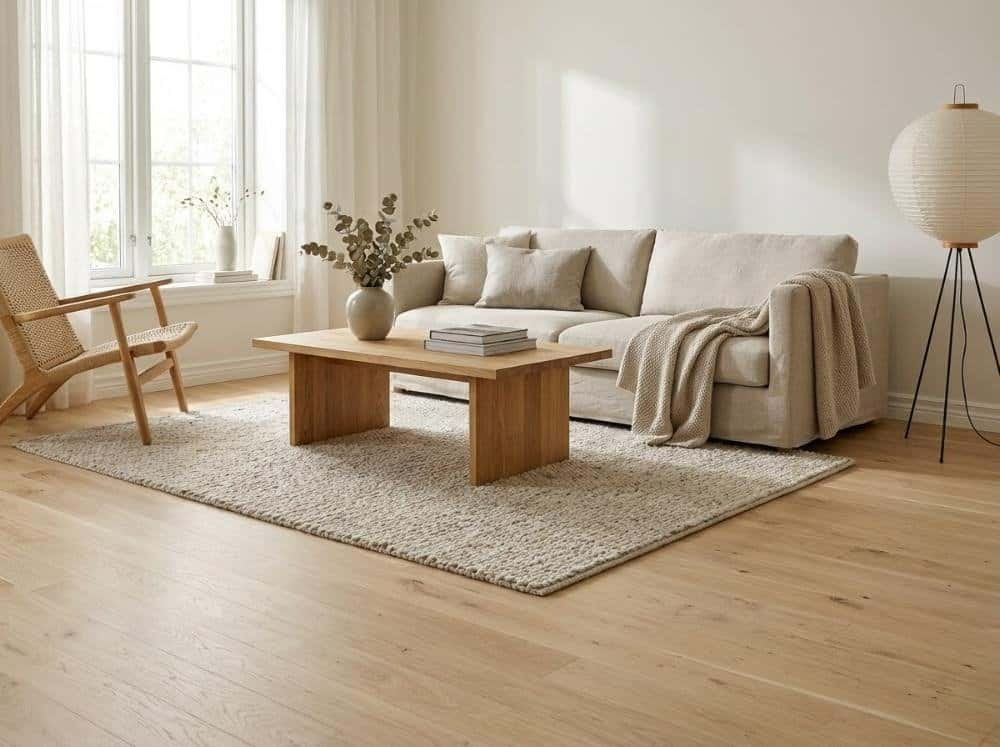
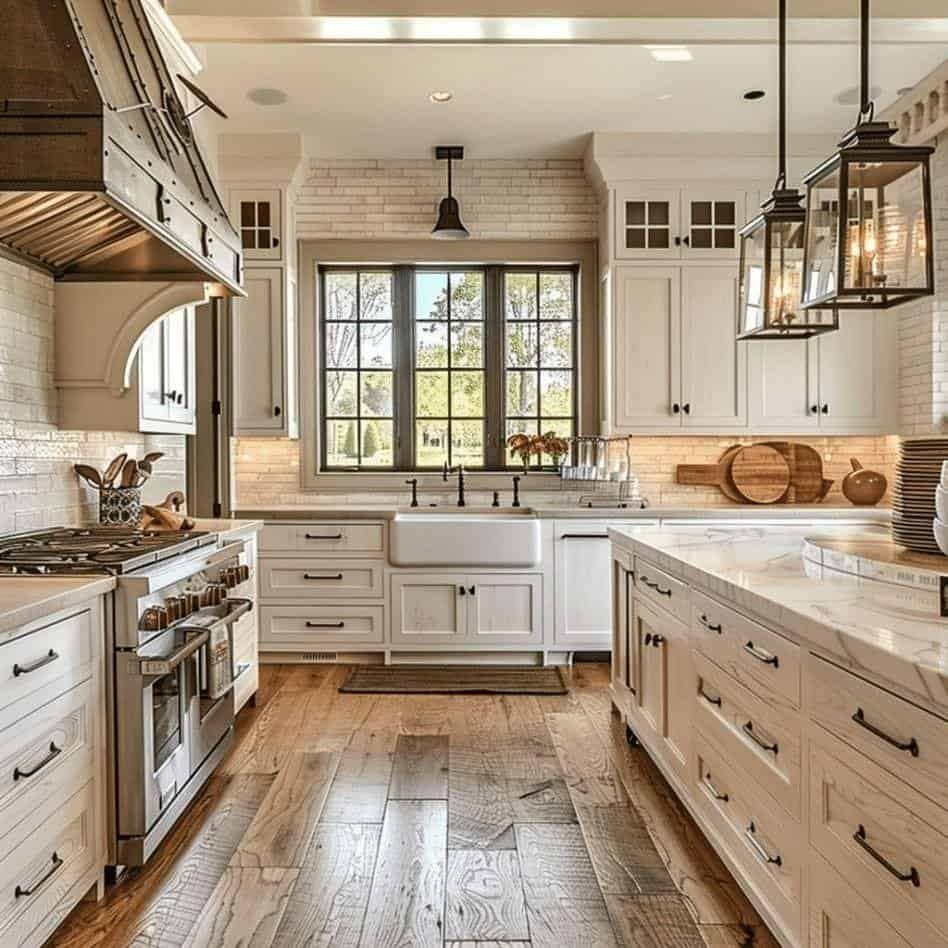
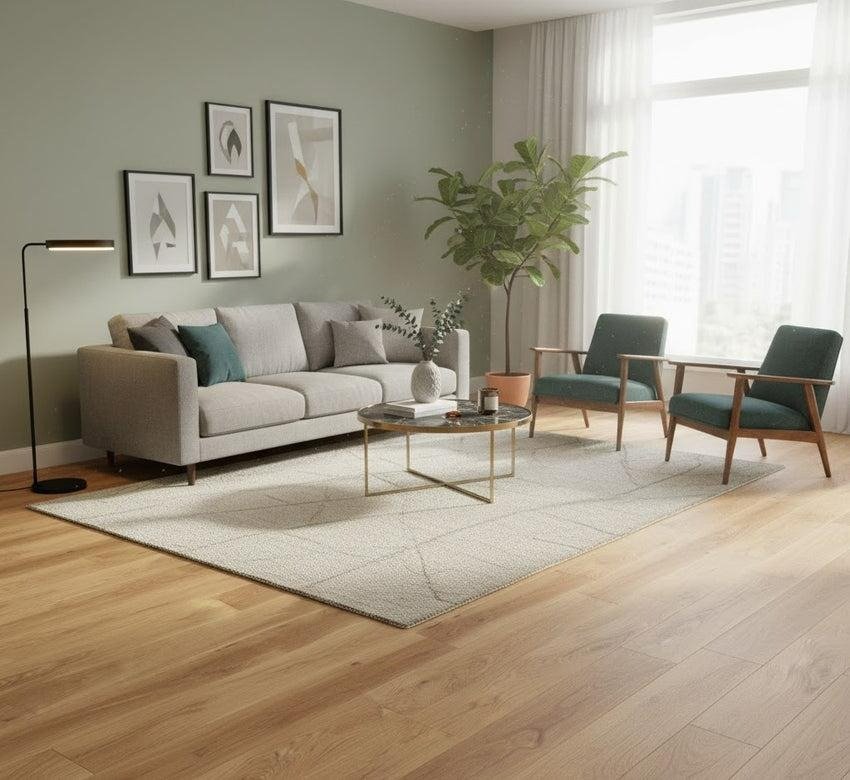
17
Modern Minimalist: Natural Oak and Pale Blonde Wood
Minimalist interiors benefit from flooring that adds texture without competing with the architecture or furniture.
Natural oak, blonde oak, and pale maple are excellent options. Their relatively light appearance can help maintain an uncluttered look while adding warmth to simple spaces.
Pair these floors with warm white walls, streamlined furniture, discreet storage, and a limited palette of natural materials.
Avoid assuming that every minimalist room must be white. Muted beige, pale greige, and soft taupe can add warmth while preserving the clean appearance of the design.
Modern Farmhouse: Warm Oak and Honey Brown
Modern farmhouse interiors often combine natural wood with painted cabinetry, practical furniture, and comfortable textiles.
Warm oak and honey-brown floors complement these materials particularly well. They can make a kitchen feel welcoming or give a living room a relaxed atmosphere without relying on distressed finishes.
Cream cabinetry, black metal hardware, linen upholstery, and natural wood tables can complete the look.
If you prefer a less traditional farmhouse style, choose a more neutral oak finish with visible grain rather than an intensely golden stain.
Organic Modern: Natural Brown and Earthy Undertones
Organic modern interiors combine contemporary forms with natural textures and subdued colours.
Natural oak, medium brown, and softly smoked wood finishes can provide a grounding foundation for this style. Complement them with sage green, olive, warm white, stone, linen, and woven materials.
The result should feel layered rather than overly coordinated. A floor with visible grain variation can bring enough texture to a room without requiring elaborate decoration.
Traditional and Transitional: Medium Walnut and Chestnut
Traditional interiors often benefit from the depth and warmth of medium walnut, chestnut, and other brown wood tones.
These finishes work well with classic furniture, detailed trim, cream walls, and traditional rugs. They can also complement transitional homes that combine classic architectural features with more contemporary furnishings.
Medium-toned flooring is particularly useful if you want a rich wood appearance without the strong contrast of near-black floors.
Luxury Contemporary: Deep Walnut and Espresso
Dark walnut and espresso flooring can provide a sophisticated foundation for contemporary interiors.
Pair them with ivory upholstery, stone surfaces, warm metal accents, and sculptural lighting. A restrained colour palette helps the floor stand out without making the room feel busy.
Large rooms with generous daylight can accommodate especially deep shades, but smaller rooms can also benefit from them when the furniture and walls create enough contrast.
Coastal Interiors: Pale Oak and Softly Whitewashed Wood
Coastal design often uses light flooring to create a relaxed, airy atmosphere.
Pale oak, light natural maple, and softly whitewashed finishes can complement white walls, sand-coloured textiles, pale blue accents, and natural woven materials.
Choose a finish that looks convincingly wood-like rather than one that appears completely opaque or artificial. Subtle grain variation can keep the floor looking natural.
Matte, Satin, or Glossy? The Finish Can Change the Colour
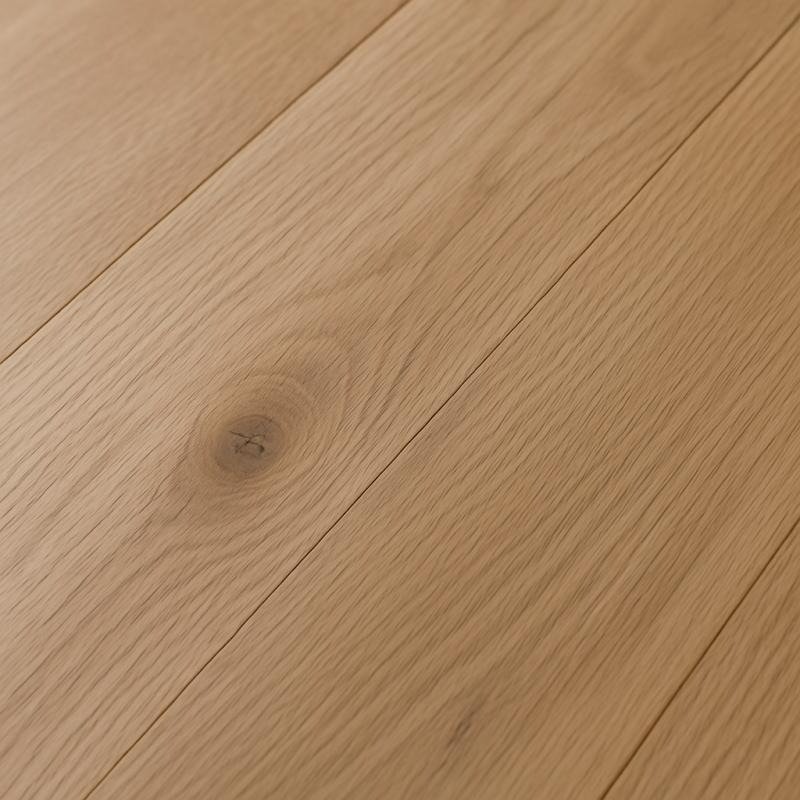
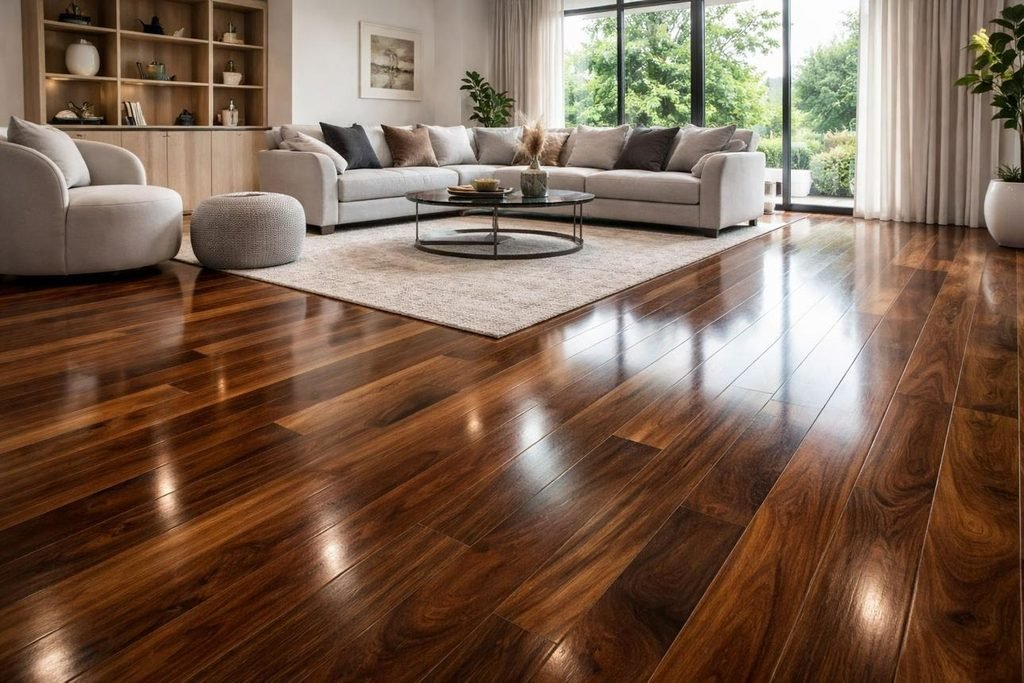
When choosing hardwood floor colours for 2027, do not focus on the stain alone. The surface finish can significantly affect how the floor looks, how much light it reflects, and how noticeable everyday marks become.
The same wood and stain may appear softer with a matte finish and brighter or more reflective with a glossy coating. Looking at the colour and finish together will help you make a more accurate decision.
9
Matte Finishes for a Soft, Natural Appearance
Matte hardwood flooring has little visible sheen, giving the surface a subdued appearance.
It is a popular option to consider for natural oak, warm brown, and organic modern interiors because it allows the wood’s grain and colour variation to remain the focus.
Matte finishes can also make small surface imperfections less noticeable than highly reflective coatings, although performance depends on the specific product and lighting conditions.
Best for: Contemporary homes, Scandinavian interiors, relaxed living spaces, and homeowners who prefer understated flooring.
Satin Finishes for Subtle Sheen and Versatility
Satin finishes provide a gentle sheen without the strong reflections associated with high-gloss surfaces.
They can work well across a broad range of hardwood colours, from pale oak to medium walnut. Satin is a practical middle ground if you want some surface definition without an especially shiny appearance.
Consider satin for living rooms, bedrooms, hallways, and traditional interiors where you want the flooring to look finished but not overly reflective.
Keep in mind that satin finishes still vary by manufacturer. Comparing samples under your actual lighting conditions is the best way to judge the effect.
Glossy Finishes for a More Reflective, Formal Look
Glossy hardwood floors reflect more light and can create a polished, formal appearance.
They may suit traditional interiors, certain luxury designs, or spaces where a high-shine finish is an intentional part of the look.
However, reflections can make dust, scratches, footprints, and surface irregularities more noticeable. Glossy finishes may also create distracting reflections in rooms with strong sunlight.
If you prefer dark hardwood but want to avoid an overly dramatic effect, a lower-sheen finish is often worth testing before committing to a glossy surface.
How to Choose the Right Finish for Your Floor Colour
Use this comparison as a starting point.
| Finish | Appearance | Considerations |
| Matte | Soft and understated | Good for a natural-looking aesthetic |
| Satin | Gentle sheen | Versatile across many interior styles |
| Glossy | Reflective and polished | Can emphasise surface marks and reflections |
The finish should support the look you want without making maintenance unnecessarily difficult.
When comparing products, ask the supplier about scratch resistance, cleaning requirements, and compatibility with your chosen wood species. A finish’s durability cannot be determined by its sheen alone.
Solid vs. Engineered Hardwood: Does the Flooring Type Affect Colour?
The type of hardwood flooring you choose can influence the colour options available, how consistently the finish appears, and whether the floor can be refinished in the future.
Solid and engineered hardwood can both offer attractive natural wood colours. The main differences involve their construction, installation requirements, and the thickness of the real wood layer.
How Stains and Finishes Influence the Final Shade
The colour of hardwood flooring is determined by several factors, including the wood species, natural grain, stain, and protective coating.
Two products described as natural oak may look different because one uses a clear finish while another includes white pigment or a warmer tint.
Some wood species also absorb stain differently. This can influence colour consistency, particularly when using darker stains or attempting to create a very specific shade.
For this reason, do not rely solely on a stain name or colour chart. Ask to see a finished sample made with the actual wood species and finishing system you intend to purchase.
Why Wood Species and Grain Affect Colour Consistency
Natural wood contains variations in colour, grain, and texture. These differences are part of its character, but they can influence the final appearance of a floor.
Oak commonly has noticeable grain variation, while some maple flooring has a more restrained grain pattern. Walnut can offer rich brown tones with natural variation between boards.
If you prefer a uniform appearance, ask the supplier about the product’s grade and expected colour variation. If you enjoy a more organic look, choose a product that preserves some of the wood’s natural character.
Neither approach is inherently better. The right choice depends on whether you want the floor to blend quietly into the room or become a noticeable design feature.
Prefinished vs. Site-Finished Floors
Prefinished hardwood is sanded and coated before installation. It offers a more predictable factory-applied finish and allows you to inspect samples of the finished product before buying.
Site-finished hardwood is finished after installation. This approach can offer greater flexibility in selecting a custom stain or coordinating the floor with other elements, but the final result depends on the wood, preparation, finishing products, and workmanship.
If you want a specific hardwood floor colour for 2027, prefinished products can simplify the comparison process. Site finishing may be worth considering when you need a custom shade or are working with an existing floor.
Discuss the advantages and limitations of both approaches with a qualified flooring professional before deciding.
How Engineered Hardwood Can Expand Your Options
Engineered hardwood typically has a real wood veneer or wear layer attached to a layered core. Its appearance can closely resemble solid hardwood, and it is available in many natural oak, brown, and darker finishes.
Depending on the product, engineered hardwood may be suitable for installation locations or subfloors where solid hardwood is less appropriate. However, moisture limitations and installation requirements vary by construction and manufacturer.
Refinishing potential also depends on the thickness of the real wood layer and the product’s specifications. Some engineered floors may be refinished, while others have limited or no practical refinishing allowance.
Before purchasing, check the manufacturer’s installation instructions, warranty conditions, and maintenance recommendations. These details are just as important as choosing an attractive colour.
Hardwood Floor Colour Mistakes to Avoid Before You Buy
A hardwood floor can look beautiful in a showroom and still disappoint once it is installed. The problem is often not the colour itself but how it interacts with the lighting, finishes, and conditions in the actual home.
Avoid these common mistakes before committing to a flooring purchase.
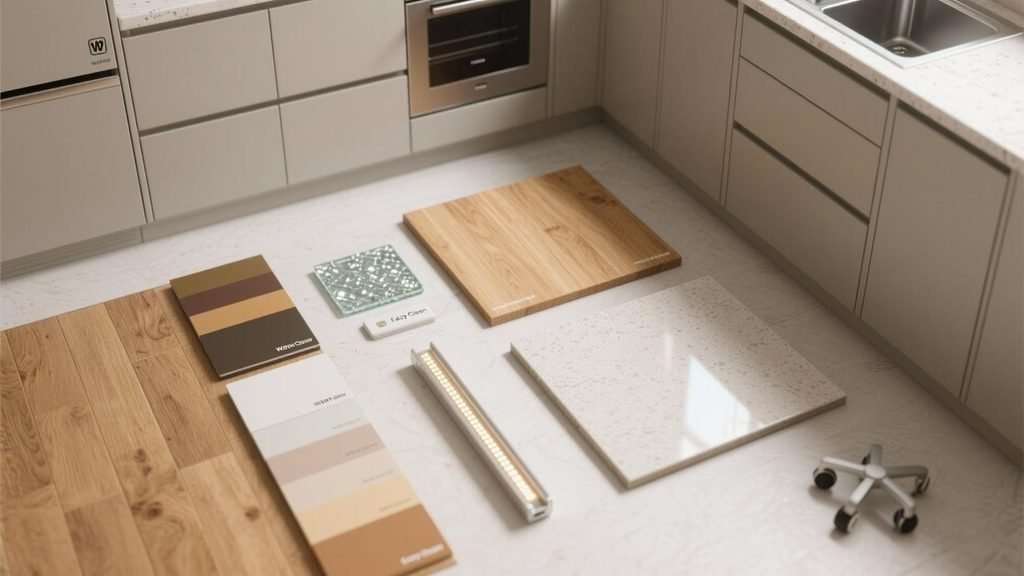
12
Choosing a Colour From an Online Photograph Alone
Online images are useful for inspiration, but screens cannot reproduce every wood tone accurately. Photography, image editing, display settings, and room lighting can all influence how a floor appears.
Use photographs to narrow your options, then inspect physical samples before ordering.
Whenever possible, compare a larger sample with your wall paint, cabinets, and furniture. A small swatch may not reveal the full grain variation or colour differences between boards.
Ignoring Undertones in Cabinets and Trim
Undertones can make a room feel cohesive or visually mismatched.
For example, a strongly golden oak floor may clash with cool grey cabinetry if neither colour is balanced by other elements. Similarly, a cool grey floor may make warm cream walls look more yellow.
Compare the main finishes together rather than selecting each one separately.
If the colours do not match exactly, create an intentional contrast with a clear difference in lightness, darkness, or undertone.
Selecting a Colour Without Considering Daylight
Lighting affects both light and dark flooring. Pale floors can look washed out in bright sunlight, while deep brown floors may appear nearly black in shaded rooms.
Test your samples in the actual space, ideally near a window and in a darker corner. Check them in daylight and under the lighting you normally use at night.
This simple step can prevent you from choosing a shade that looks attractive only under showroom lighting.
Mixing Too Many Competing Wood Tones
Different wood finishes can work together beautifully, but too many similar yet conflicting tones can make a room feel unplanned.
If your flooring, cabinets, dining table, and furniture all have different reddish or golden undertones, the room may lack visual cohesion.
Try choosing one dominant wood tone and adding one or two complementary finishes. Contrast is often more successful than trying to match everything imperfectly.
Assuming Light or Dark Floors Always Hide Dirt and Scratches
Floor colour alone does not determine how well a surface hides everyday wear.
Dark floors may reveal dust and light pet hair, while pale floors can show dark debris. Glossy surfaces may make fine scratches more visible, and some wood species are more susceptible to dents than others.
Look at colour, grain variation, sheen, and durability together. If you have pets or children, ask the supplier for realistic maintenance guidance rather than relying on colour alone.
Forgetting That Stain Colours Vary by Wood Species
A stain labelled walnut or chestnut is not a universal colour. It can look different on oak, maple, and other wood species because their grain and absorption characteristics vary.
Even different products made from the same species may produce different results.
Always request a sample using the actual wood and finishing system you plan to install. This is especially important if you are trying to match existing flooring or cabinetry.
Skipping the Full-Size Sample Test
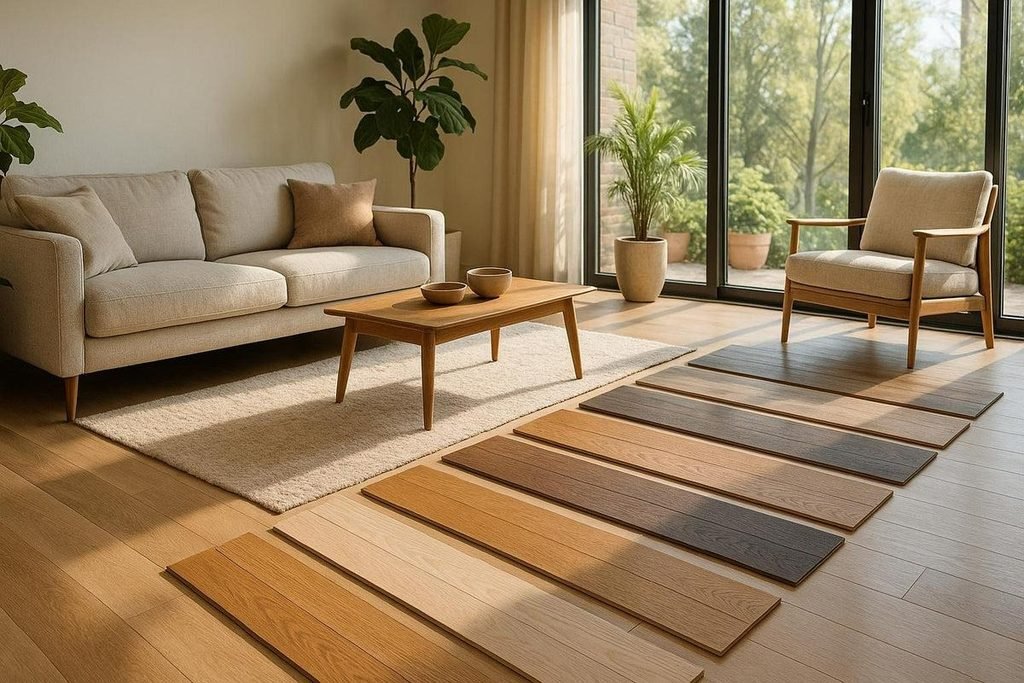
One of the most useful steps you can take is to view a flooring sample in your own home before purchasing.
Place the sample beside your fixed finishes and move it around the room. Observe it at different times of day, and compare it with other shades you are considering.
If possible, inspect several boards rather than a single small piece. This helps you understand how natural colour variation will look across a larger area.
Frequently Asked Questions About Hardwood Floor Colours 2027
What is the most popular hardwood floor colour for 2027?
Naturally toned oak and warm brown shades are strong options to consider for 2027. Natural oak offers versatility, while medium walnut and honey-brown finishes add warmth and depth. There is no single colour that suits every home, so compare undertones, lighting, and existing finishes before deciding.
Are light or dark hardwood floors more modern?
Both can look modern when the colour works with the rest of the interior. Light oak and blonde wood create an airy, understated appearance, while dark walnut and espresso offer contrast and sophistication. Medium brown is a useful alternative if you want warmth without an especially light or dark finish.
Are grey wood floors going out of style?
Grey hardwood floors are not automatically outdated. Cool ash-grey finishes can still work in contemporary interiors, while warm greige and grey-brown shades may blend more easily with earthy colours and natural materials. If you already have grey flooring, updating your wall colours, textiles, and furniture may be enough to refresh the room.
What hardwood floor colour makes a small room look bigger?
Light natural oak, pale blonde wood, and light beige flooring can help a small room feel brighter and more spacious. Using a consistent flooring colour across connected rooms can also improve visual continuity. However, natural light, furniture placement, wall colour, and clutter all influence how large the room feels.
Which hardwood floor colour hides dust and scratches best?
Medium-toned floors with visible grain variation can offer a useful balance because they may make some everyday marks less noticeable than very dark, very pale, or highly uniform surfaces. However, dust visibility depends on its colour relative to the floor, while scratch resistance depends on the wood, finish, and construction.
Are warm wood floors better than cool-toned floors?
Neither is universally better. Warm wood floors complement cream, beige, caramel, and earthy green interiors, while cool-toned floors can suit crisp whites, charcoal accents, and minimalist designs. Choose the undertone that works best with your existing finishes and the atmosphere you want to create.
What hardwood floor colour offers the most timeless appeal?
Natural oak, balanced medium brown, and medium walnut are versatile choices because they work with a wide range of decorating styles. A restrained finish with visible wood grain can also be easier to coordinate with future furniture and paint changes than a highly distinctive colour.
Are dark hardwood floors a good choice for homes with pets?
They can be, but very dark floors may make light-coloured fur and dust more noticeable. Consider your pet’s coat colour, the floor’s grain variation, and the finish’s maintenance requirements. A textured medium-brown floor may be a more practical compromise for some households.
Should hardwood floors match kitchen cabinets?
No. Hardwood floors and kitchen cabinets can complement each other without matching exactly. Aim for compatible undertones and a deliberate difference in colour or lightness. For example, natural oak flooring can work beautifully with painted cream cabinets or darker walnut cabinetry.
Is matte or glossy hardwood flooring better for modern homes?
Matte and satin finishes are useful options for modern homes because they provide a softer appearance without strong reflections. Glossy flooring can also work when a polished look is intentional, but it may make dust, scratches, and reflections more noticeable. Compare samples in your actual lighting before choosing.
How can I choose a hardwood floor colour that will not look dated in a few years?
Prioritise a colour you genuinely enjoy and one that complements your home’s permanent features. Natural oak, medium brown, and balanced walnut are versatile starting points. Rather than relying entirely on trend forecasts, choose a finish that works with your lifestyle and the furniture you plan to keep.
Find the Hardwood Floor Colour That Fits Your Home
Hardwood floor colours in 2027 offer plenty of possibilities, from pale natural oak and light blonde finishes to warm chestnut, medium walnut, and dramatic espresso. Each shade creates a different atmosphere, and the best choice depends on your home’s lighting, interior style, and practical needs.
If you want a versatile option, start by comparing natural oak, warm brown, and medium walnut. Consider greige or softly smoked finishes if you prefer a more muted look, or explore darker colours if you want a stronger contrast.
Before placing an order, bring home flooring samples and compare them with your walls, cabinetry, and furniture in both daylight and evening lighting. Check the grain, finish, and maintenance requirements as carefully as the colour itself.
Ready to update your floors? Choose three shades that appeal to you, test them in your actual space, and select the one that feels right for your home—not just the one that is trending in 2027.
