
A two story house kit offers something many tiny home buyers struggle to find: enough living space without needing a massive footprint or oversized property. Whether you’re planning a full-time tiny home, a backyard guest house, or a vacation rental, these vertical prefab designs make it possible to live comfortably while keeping costs lower than many traditional homes.
Interest in two story house kits has grown quickly in recent years because buyers want practical housing options that feel open, efficient, and customizable. Modern kits now include stylish layouts, better insulation, and flexible floor plans that work surprisingly well for couples, small families, remote workers, and retirees.
This guide breaks down everything you need to know before buying or building a two story tiny house kit, including design ideas, realistic costs, zoning concerns, and the biggest mistakes first-time buyers often make.
In This Article
Why Two Story House Kits Are Gaining Attention in the Tiny Living World
Tiny homes have always focused on simplicity, but many people eventually realize that living comfortably in a very small single-level layout can feel cramped. A two story house kit solves that problem by building upward instead of outward.
Extra vertical space creates room separation, improves privacy, and makes daily living feel more natural. Instead of squeezing sleeping, cooking, and working into one open room, homeowners can separate spaces into dedicated floors.
Vertical Living Makes Small Homes Feel Bigger
One of the biggest advantages of a two story tiny home is how spacious it feels compared to its actual square footage. Even homes under 600 square feet can feel surprisingly open with high ceilings and a second floor.
Popular layout benefits include:
- Separate upstairs sleeping areas
- Larger kitchens and living rooms downstairs
- Better storage opportunities
- Improved natural lighting from taller window placement
- More privacy for families or guests
Many homeowners say the psychological difference matters just as much as the physical space. Having distinct levels helps a compact home feel less restrictive over time.
Rising Housing Costs Are Driving Interest
Traditional home prices continue to rise in many parts of the United States, making prefab and kit homes more appealing than ever. A two story house kit can provide functional living space at a fraction of the cost of a conventional build.
Buyers are especially attracted to:
| Feature | Traditional Home | Two Story House Kit |
| Construction Time | 8–18 months | 2–6 months |
| Labor Costs | High | Moderate |
| Customization | Expensive | Flexible |
| Land Requirements | Larger lots often needed | Works on smaller lots |
| Utility Costs | Higher | Lower overall |
Smaller homes also reduce long-term expenses like heating, cooling, maintenance, and property taxes.
Tiny Living Trends Are Evolving
Early tiny houses often prioritized mobility above comfort. Today’s buyers usually want a balance between compact living and practical everyday function.
Modern two story kits now include features once considered impossible in tiny homes:
- Full-size kitchens
- Dedicated home office spaces
- Standard staircases instead of ladders
- Larger bathrooms
- Laundry hookups
- Expanded storage solutions
This shift has made two story prefab homes attractive even to people who never considered tiny living before.
What Exactly Is a Two Story House Kit?
A two story house kit is a prefabricated housing package that includes many of the materials needed to build a home. Instead of constructing everything from raw materials on-site, the kit arrives partially prepared and ready for assembly.
Some kits are designed for DIY builders, while others require licensed contractors for installation.
What Comes Inside a Typical House Kit?
The exact contents vary depending on the manufacturer, but most two story house kits include the structural essentials needed to create the home shell.
Common inclusions are:
- Wall framing or structural panels
- Roofing materials
- Windows and exterior doors
- Stair systems
- Floor framing components
- Exterior siding materials
- Fasteners and hardware
- Assembly instructions
Higher-end packages may also include insulation, interior finishes, plumbing systems, and electrical components.
Shell Kits vs Turnkey Kits
Not all prefab kits are the same. Understanding the differences can save buyers from expensive surprises later.
Shell Kits
Shell kits usually include only the exterior structure. Buyers are responsible for interior finishing, utilities, insulation, and permits.
These kits work best for:
- Experienced DIY builders
- Buyers with contractor connections
- People looking to reduce upfront costs
Turnkey Kits
Turnkey options include nearly everything needed for move-in readiness.
These homes often include:
- Finished interiors
- Cabinets and flooring
- Plumbing fixtures
- Electrical systems
- HVAC installation
Turnkey kits cost more initially but reduce construction complexity significantly.
Why Two Story Designs Work Well for Tiny Homes
Single-level tiny homes can quickly become crowded, especially for full-time living. Two story layouts use vertical space efficiently while keeping the home footprint compact.
This approach works particularly well on:
- Narrow urban lots
- Small rural properties
- Backyard ADU spaces
- Sloped land where larger foundations are difficult
A vertical design also leaves more outdoor space available for decks, gardens, parking, or storage.
Popular Two Story House Kit Designs That Actually Work
The best two story house kit designs focus on livability, not just appearance. A beautiful layout means little if storage is awkward or the upstairs feels cramped after six months of daily use.
Successful tiny home designs balance function, comfort, and efficient use of space.
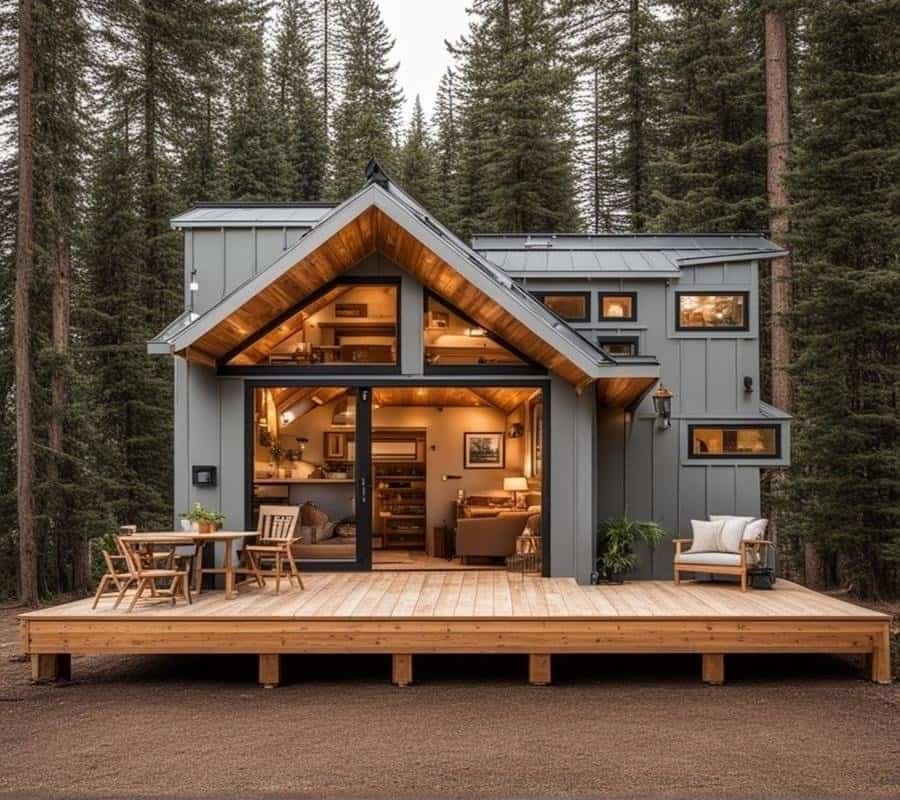
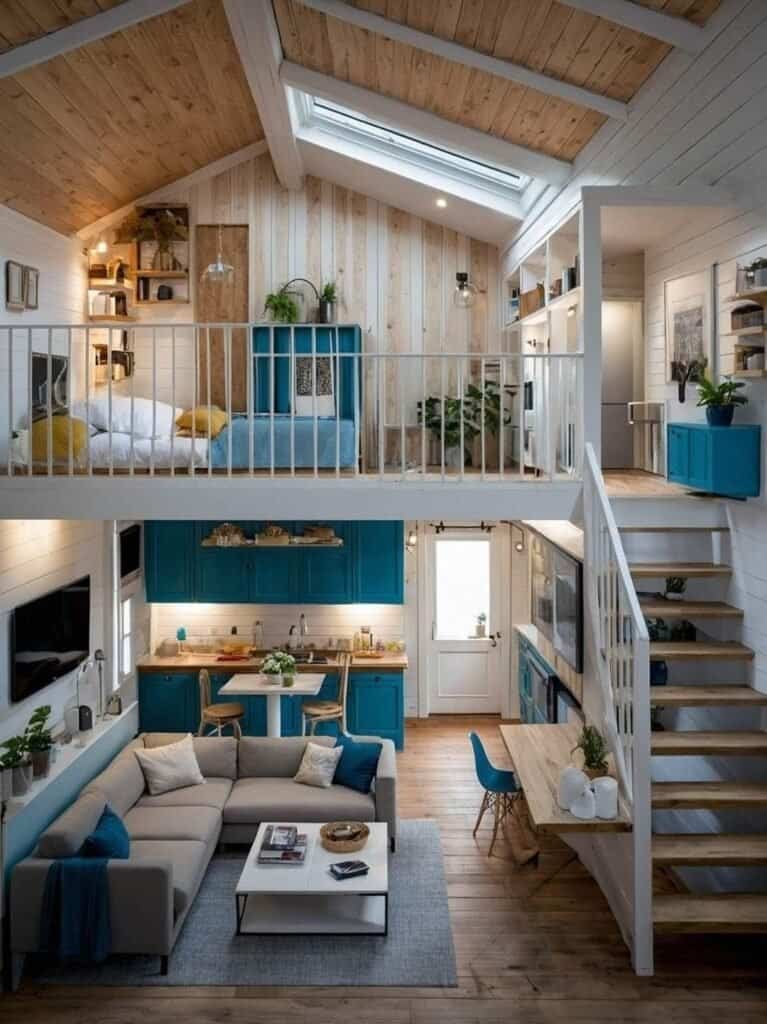
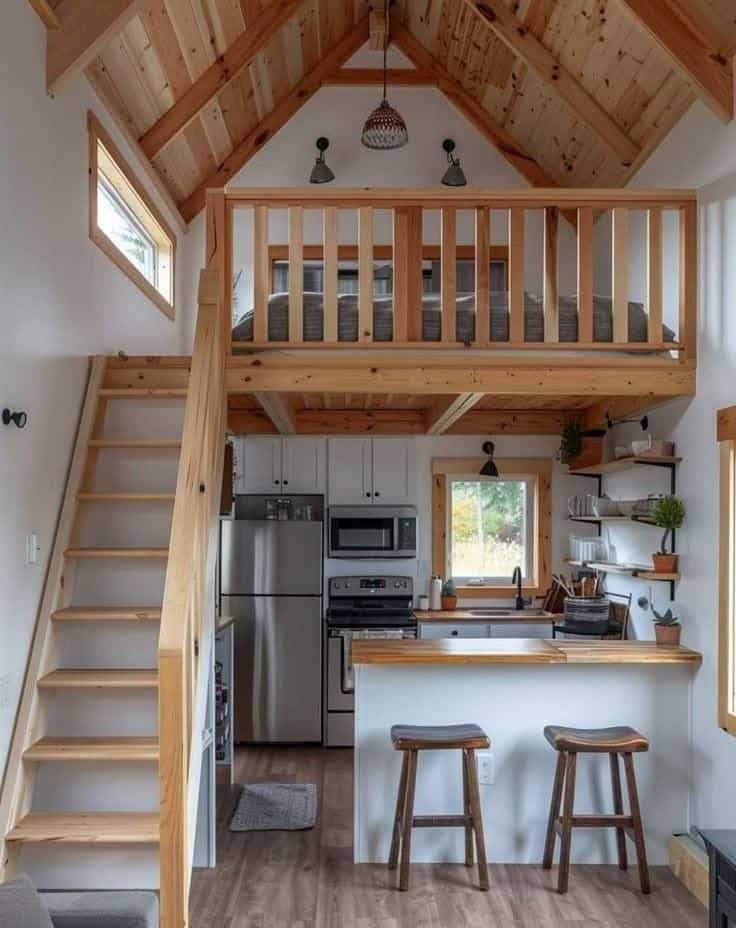
Loft-Inspired Open Concept Layouts
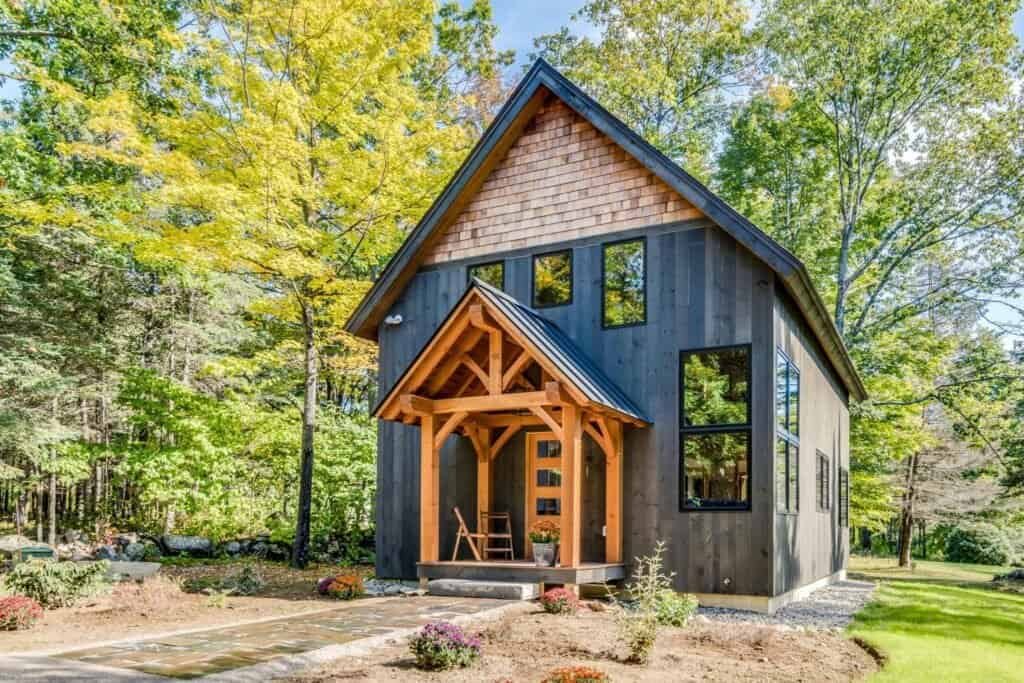
Loft-style homes remain one of the most popular choices in the prefab tiny house market. These designs often feature:
- Double-height ceilings
- Open living rooms
- Upper-level sleeping lofts
- Large windows for natural light
- Compact but efficient kitchens
This style creates a modern, airy feeling that makes small homes feel much larger.
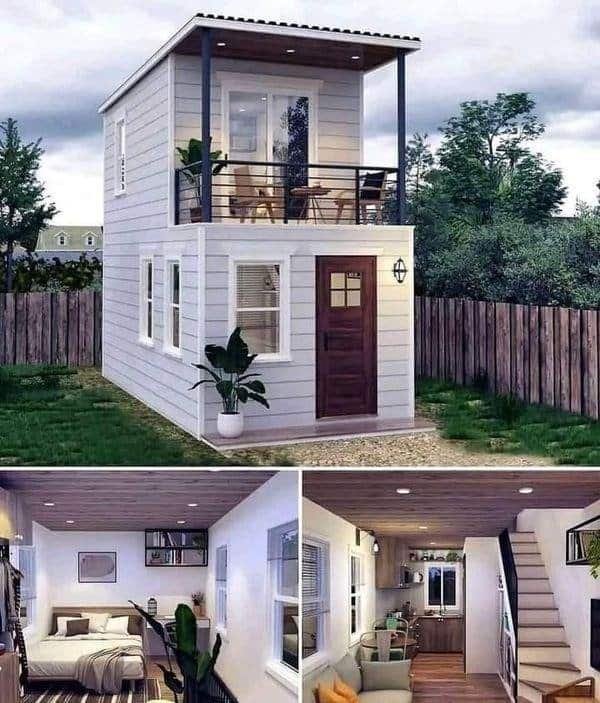
Narrow Urban-Friendly Two Story Homes
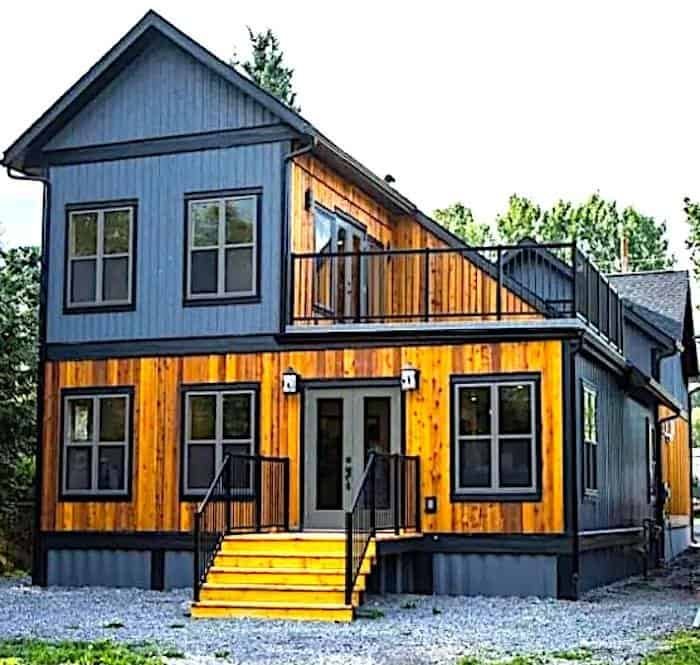
Urban lots continue shrinking in many cities, making narrow vertical homes increasingly practical.
These kits often include:
- Compact footprints under 20 feet wide
- Stackable utility systems
- Rooftop deck options
- Minimal maintenance exteriors
Some homeowners use these compact designs as rental units or backyard guest houses to generate additional income.
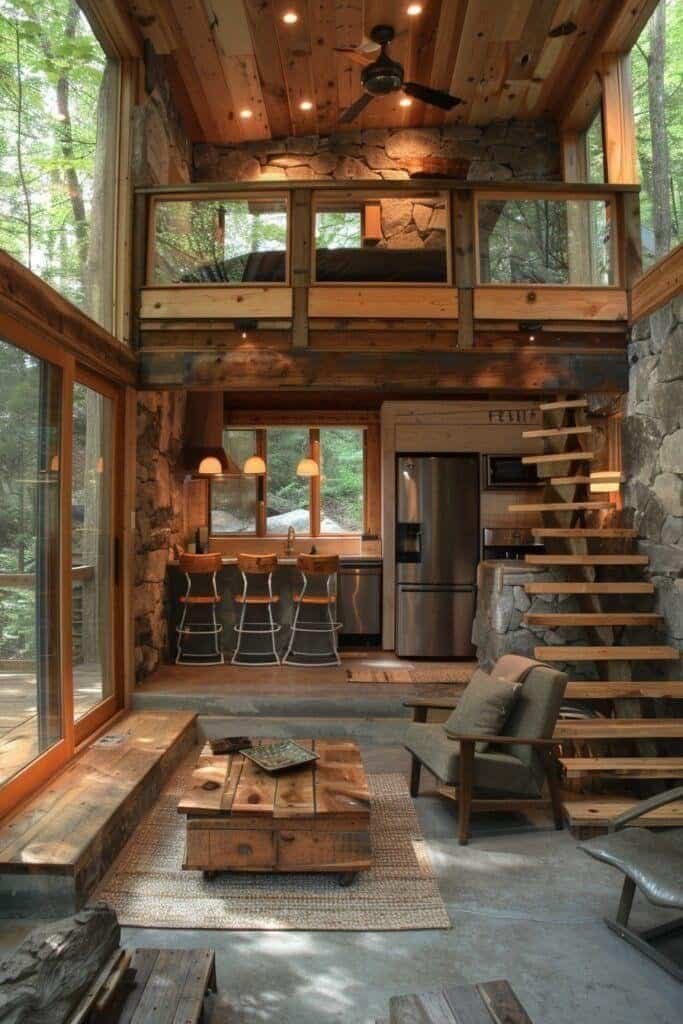
Rustic Cabin Kits for Rural Living
Cabin-style two story house kits remain popular for mountain properties, lakeside land, and off-grid living.
Typical features include:
- Wood-heavy interiors
- Covered porches
- Metal roofing
- Wood-burning stove compatibility
- Large upstairs sleeping areas
These homes blend well into natural surroundings while maintaining modern energy efficiency.
Scandinavian-Inspired Minimalist Designs
Scandinavian tiny homes focus heavily on simplicity, clean lines, and maximizing natural light.
Common elements include:
- Bright neutral interiors
- Floor-to-ceiling windows
- Efficient built-in storage
- Minimalist kitchens
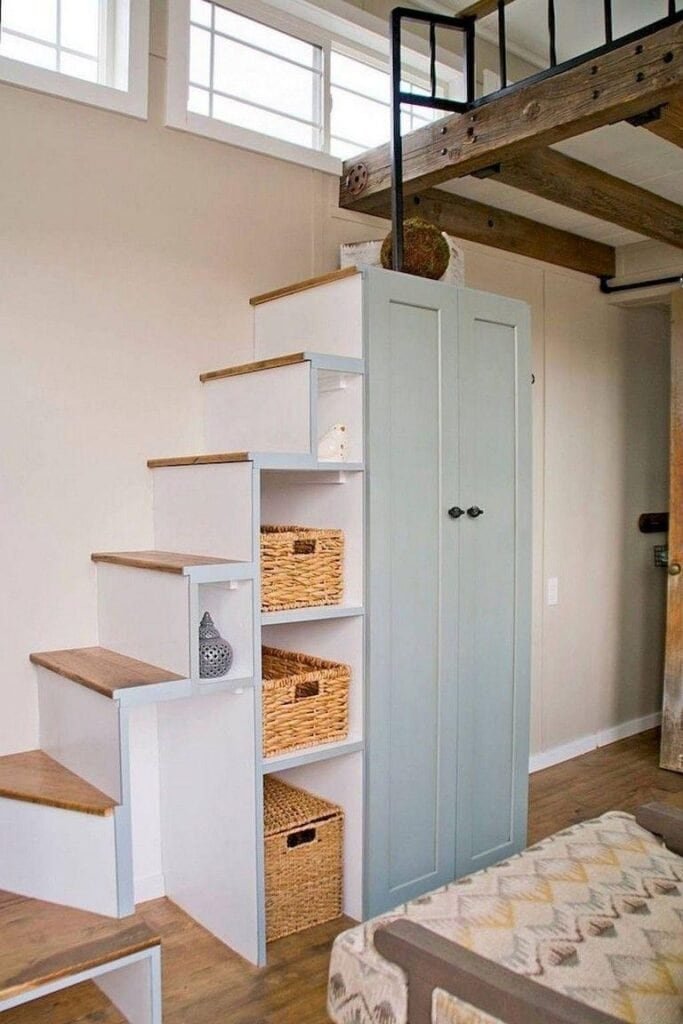
- Space-saving staircases
This design style works especially well in smaller homes because clutter is minimized naturally.
Family-Friendly Two Story Layouts
Many buyers assume tiny homes only work for singles or couples, but modern two story kits are increasingly designed with families in mind.
Practical family features may include:
- Separate upstairs bedrooms
- Built-in bunk spaces
- Multi-purpose dining areas
- Flexible office or guest rooms
- Larger bathroom layouts
Careful planning becomes essential in family-oriented tiny homes. Storage, noise control, and privacy all matter much more when multiple people share a compact space.
The Real Cost of a Two Story House Kit
One of the biggest reasons buyers explore a two story house kit is affordability. Still, many first-time buyers underestimate the total cost because the advertised kit price usually covers only part of the project.
A realistic budget should include the home kit, land preparation, permits, utility connections, foundation work, and interior finishing.
Average Two Story House Kit Prices
Prices vary widely depending on size, materials, customization, and how complete the package is.
Here’s a realistic pricing overview for today’s market:
| Type of Kit | Estimated Cost Range | Typical Size |
| Basic Shell Kit | $30,000–$70,000 | 300–700 sq ft |
| Mid-Range Prefab Kit | $70,000–$140,000 | 500–1,000 sq ft |
| Premium Turnkey Kit | $150,000–$300,000+ | 800–1,500 sq ft |
A shell kit may look inexpensive initially, but finishing the interior can add substantial costs later.
Hidden Expenses Many Buyers Miss
The kit itself is only one piece of the budget puzzle. Site-related costs often surprise new tiny home buyers the most.
Common overlooked expenses include:
- Land clearing and grading
- Concrete foundation work
- Septic installation
- Well drilling or water hookups
- Electrical connection fees
- Crane or delivery access
- Permit and inspection fees
- Temporary housing during construction
In rural areas, utility installation alone can sometimes cost $10,000 to $40,000 depending on distance and terrain.
DIY Assembly vs Hiring Professionals
Some two story house kits are marketed toward DIY builders, but a full self-build is rarely as simple as social media videos suggest.
DIY Advantages
Building yourself can reduce labor costs significantly.
Potential benefits include:
- Lower upfront spending
- More control over customization
- Valuable hands-on experience
- Flexible construction timeline
DIY Challenges
Two story structures are more complex than single-level tiny homes.
Common difficulties include:
- Stair framing
- Structural load calculations
- Roofing installation
- Electrical and plumbing compliance
- Permit inspections
Many homeowners compromise by hiring professionals for critical structural work while completing interior finishing themselves.
Long-Term Savings of Tiny Vertical Living
Smaller homes usually cost less to maintain over time, especially when designed efficiently.
Owners often save money through:
- Lower energy bills
- Reduced maintenance
- Smaller property taxes
- Minimal furniture needs
- Reduced material consumption
A well-insulated two story prefab can be surprisingly energy efficient because compact layouts retain heat more effectively than larger traditional homes.
Financing Can Be More Complicated Than Expected
Financing a two story house kit is often harder than financing a traditional home. Some banks classify tiny homes as non-traditional housing, especially if the home is under certain square footage thresholds.
Possible financing options include:
- Construction loans
- Personal loans
- RV loans for mobile designs
- Manufacturer financing programs
- Home equity loans
Buyers should research financing before purchasing land or ordering a kit. Many lenders require permanent foundations and code compliance before approving long-term mortgages.
How Much Space Do You Really Need?
One of the smartest things about a two story house kit is how efficiently it uses space. A compact footprint can still provide enough room for comfortable daily living when the layout is planned carefully.
Many people assume they need far more square footage than they actually use. In reality, thoughtful design matters more than raw size.
Typical Size Ranges for Two Story Tiny Homes
Most two story tiny house kits fall into one of three categories:
| Home Type | Average Square Footage | Best For |
| Compact Tiny Home | 300–500 sq ft | Singles or couples |
| Mid-Size Small Home | 500–900 sq ft | Small families |
| Large Prefab Cottage | 900–1,500 sq ft | Full-time family living |
A well-designed 600-square-foot home can often feel more functional than a poorly planned 1,000-square-foot layout.
Smart Layout Choices Matter More Than Size
Successful tiny homes prioritize flow and usability instead of simply squeezing in more rooms.
Features that improve livability include:
- Open kitchen and living spaces
- Multi-purpose furniture
- Built-in storage
- High ceilings
- Large windows
- Flexible upstairs rooms
Poor layouts usually create cramped traffic patterns, awkward storage areas, and low headroom upstairs.
Stair Design Can Make or Break the Layout
Stairs are one of the biggest design challenges in two story tiny homes because they consume valuable square footage.
Common staircase options include:
| Stair Type | Space Efficiency | Comfort Level |
| Traditional Stairs | Moderate | Excellent |
| Alternating Tread Stairs | High | Moderate |
| Spiral Staircases | Very High | Lower practicality |
| Storage Stairs | Excellent | Excellent |
Storage-integrated staircases are often the best compromise because they add functionality without wasting space.
Storage Needs Change in Tiny Homes
Most people moving into compact homes underestimate how much storage planning matters.
Vertical homes work best when storage is built directly into the structure itself.
Popular solutions include:
- Under-stair cabinets
- Floor storage compartments
- Wall-mounted shelving
- Loft storage areas
- Fold-away furniture
- Ceiling-mounted racks
Tiny living becomes stressful quickly when clutter has nowhere to go.
Privacy Improves Dramatically With Two Floors
One major advantage of a two story house kit is the ability to separate public and private spaces naturally.
Downstairs areas usually handle:
- Cooking
- Dining
- Entertaining
- Workspaces
Upstairs areas typically include:
- Bedrooms
- Reading spaces
- Guest sleeping areas
- Additional storage
That separation creates a more comfortable full-time living experience, especially for couples or families.
Two Story House Kit vs Traditional Tiny House: Which Is Better?
Buyers often compare two story house kits with traditional tiny homes on wheels before making a final decision. Both offer benefits, but they serve very different lifestyles.
The better choice depends on how you plan to live, travel, and use the property long term.
Space and Comfort Comparison
Traditional tiny houses prioritize mobility, which limits ceiling height, width, and overall layout flexibility.
A two story prefab home usually feels closer to a conventional small house because:
- Ceilings are taller
- Staircases are safer
- Rooms feel more defined
- Full-size appliances fit more easily
- Storage options are better
Daily living generally feels less restrictive in a vertical prefab design.
Mobility vs Permanent Living
Tiny houses on wheels work well for people who:
- Travel frequently
- Want location flexibility
- Prefer RV-style living
- Need temporary housing
A two story house kit works better for buyers seeking:
- Permanent residences
- Rental properties
- Backyard ADUs
- Long-term family living
- Greater stability and comfort
Many homeowners eventually realize they value comfort and practicality more than portability.
Construction Complexity Differences
Mobile tiny homes require lightweight materials and strict trailer weight management. Two story prefab homes have fewer transportation restrictions because they are assembled on-site.
That allows for:
- Better insulation
- Stronger framing
- Larger windows
- Standard residential appliances
- More durable roofing systems
Permanent foundations also improve weather resistance and long-term durability.
Maintenance and Durability
Permanent prefab homes generally require less maintenance than movable tiny houses.
Tiny homes on wheels often face issues such as:
- Trailer wear
- Tire replacement
- Moisture buildup
- Road vibration damage
- Weight distribution problems
A properly built two story house kit behaves much more like a standard home structurally.
Which Option Fits Your Lifestyle Best?
Here’s a simple way to compare the two:
| Lifestyle Goal | Best Choice |
| Frequent travel | Tiny house on wheels |
| Permanent full-time living | Two story house kit |
| Backyard guest house | Two story prefab |
| Off-grid mobility | Tiny house trailer |
| Family-friendly layout | Two story house kit |
| Vacation rental property | Either, depending on location |
Buyers who prioritize long-term comfort, privacy, and traditional living features often prefer two story house kits. People focused on freedom and mobility may still lean toward towable tiny homes instead.
Land, Zoning, and Permit Challenges You Should Understand First
Finding the right two story house kit is often easier than finding a place where you can legally build it. Zoning and permit rules remain one of the biggest obstacles in the tiny house world, especially for first-time buyers.
Some areas welcome small prefab homes, while others enforce strict minimum size requirements or complicated approval processes.
Why Tiny Homes Face Zoning Restrictions
Many local governments still use older housing regulations that were written long before modern prefab and tiny homes became popular.
Restrictions commonly involve:
- Minimum square footage requirements
- Permanent foundation rules
- Utility connection standards
- Height restrictions
- Occupancy limitations
- RV classification issues
A two story design may trigger additional structural reviews because of stair safety, upper-floor egress windows, and height limits.
Rural Areas Usually Offer More Flexibility
Rural counties often provide fewer zoning obstacles than suburban neighborhoods or large cities.
Benefits of rural locations may include:
- Lower land prices
- Easier permit approval
- More freedom for off-grid systems
- Fewer HOA restrictions
- Better options for septic and well installation
Still, “rural” does not automatically mean unrestricted. Some counties still require engineered plans and inspections.
Backyard ADUs Are Becoming More Common
Many homeowners now use two story house kits as accessory dwelling units (ADUs) on existing property.
Popular ADU uses include:
- Guest housing
- Rental income
- Multigenerational living
- Home offices
- Caregiver housing
Several states have relaxed ADU regulations in recent years to help address housing shortages.
Always Research Local Building Codes First
Buying land before researching zoning is one of the most expensive mistakes tiny home buyers make.
Before ordering a kit, verify:
- Minimum dwelling size requirements
- Height restrictions
- Foundation requirements
- Septic regulations
- Utility access
- Setback rules
- Road access requirements
The official International Residential Code guidelines for tiny homes can be found through the International Code Council, which provides valuable information about residential building standards and safety requirements.
Common Permit Mistakes to Avoid
Many delays happen because buyers underestimate paperwork and inspection requirements.
Major mistakes include:
- Purchasing non-certified plans
- Ignoring snow or wind load requirements
- Building before permits are approved
- Assuming tiny home rules are identical everywhere
- Skipping engineering reviews
Permit timelines can range from a few weeks to several months depending on the location.
Best Places to Build a Two Story House Kit
Location can completely change the experience of owning a tiny prefab home. Climate, zoning, utility access, and property prices all affect long-term comfort and affordability.
The best location depends heavily on your goals. A vacation rental setup requires different considerations than a permanent off-grid residence.
Mountain and Cabin Regions Remain Popular
Many buyers choose wooded or mountain properties because two story cabin kits naturally fit the landscape.
Popular features of mountain locations include:
- Scenic views
- Flexible rural zoning
- Vacation rental demand
- Cooler climates
- Better privacy
A taller two story design can maximize views on sloped land without dramatically increasing the foundation footprint.
Tiny House-Friendly States Continue Expanding
Some states and counties have become far more accepting of prefab and tiny living than others.
Areas with growing tiny house communities often include:
- Parts of Colorado
- Oregon
- Texas
- North Carolina
- Tennessee
- Arizona
These regions tend to offer:
- Lower land costs
- Expanding ADU regulations
- Growing tiny house infrastructure
- More builder availability
Backyard Builds Are Increasing in Suburban Areas
Not every tiny home owner wants remote land. Many homeowners now add two story prefab structures to existing suburban properties.
Benefits include:
- Access to utilities
- Lower infrastructure costs
- Easier internet access
- Proximity to work and schools
- Potential rental income opportunities
ADUs are especially attractive in cities where housing costs remain high.
Vacation Rental Potential Is Growing
Short-term rental markets have made compact prefab homes increasingly profitable in tourist destinations.
A two story tiny rental often stands out because it feels more spacious than a standard tiny cabin.
High-demand rental locations include:
- Lakeside properties
- Mountain towns
- National park regions
- Beach communities
- Wine country destinations
Buyers should always confirm local short-term rental regulations before building. Some cities heavily restrict vacation rentals or require special permits.
Climate Matters More Than Many Buyers Expect
Weather affects nearly every part of tiny home living.
Important regional considerations include:
| Climate Concern | Why It Matters |
| Heavy snow | Roof load requirements |
| Extreme heat | Cooling efficiency |
| Hurricanes | Wind-resistant construction |
| Humidity | Moisture and mold control |
| Wildfire risk | Exterior material choices |
Two story homes may require additional insulation planning because upper floors can trap heat more easily.
Can You Build a Two Story House Kit Yourself?
Social media often makes DIY prefab construction look quick and easy. Reality is usually more complicated, especially with two story structures.
Many homeowners successfully complete portions of the build themselves, but few handle every step entirely alone.
Some Kits Are More DIY-Friendly Than Others
Manufacturers design kits with varying skill levels in mind.
Beginner-friendly kits usually feature:
- Pre-cut framing systems
- Color-coded assembly parts
- Simplified panel systems
- Detailed instructions
- Customer support lines
More advanced kits may require:
- Structural engineering knowledge
- Heavy equipment
- Roofing expertise
- Advanced carpentry skills
What DIY Builders Usually Handle Themselves
Many owners reduce labor costs by completing lower-skill portions independently.
Common DIY tasks include:
- Interior painting
- Flooring installation
- Cabinet assembly
- Insulation work
- Trim installation
- Landscaping
This hybrid approach often provides the best balance between affordability and safety.
Areas Where Hiring Professionals Makes Sense
Two story homes involve greater structural complexity than basic shed conversions or single-level cabins.
Professional help is often recommended for:
- Foundation work
- Structural framing
- Roofing
- Electrical systems
- Plumbing installation
- HVAC setup
Poor structural work can create expensive safety issues later, especially in areas with snow, earthquakes, or strong wind exposure.
Construction Timelines Are Often Longer Than Expected
Tiny homes may be smaller, but they still require inspections, scheduling, utility coordination, and weather planning.
Typical timelines look something like this:
| Project Stage | Estimated Time |
| Land prep and permits | 1–3 months |
| Foundation installation | 1–3 weeks |
| Kit assembly | 2–8 weeks |
| Interior finishing | 1–4 months |
| Utility hookups and inspections | Several weeks |
DIY builds almost always take longer than anticipated, especially for first-time builders.
Common DIY Mistakes Tiny Home Builders Make
Several problems appear repeatedly in owner-built prefab projects.
Frequent mistakes include:
- Underestimating storage needs
- Choosing steep or unsafe stair designs
- Poor ventilation planning
- Skipping moisture barriers
- Ignoring future maintenance access
- Over-customizing layouts before understanding daily living flow
Careful planning usually saves far more money than rushing construction.
Energy Efficiency and Off-Grid Potential
One major reason people choose a two story house kit is efficiency. Smaller homes naturally use fewer resources, but smart design choices can reduce utility costs even further.
Many modern prefab homes are specifically designed for sustainable or partially off-grid living.
Smaller Homes Naturally Use Less Energy
Compact vertical homes require:
- Less heating
- Less cooling
- Fewer construction materials
- Reduced lighting needs
- Smaller appliances
Two story layouts also help conserve energy because heat rises naturally to upper floors during colder months.
Solar Power Works Surprisingly Well on Tiny Homes
Many prefab owners add solar systems to offset electricity costs or support off-grid living.
Benefits of solar-ready designs include:
- Lower monthly utility bills
- Increased energy independence
- Backup power potential
- Reduced environmental impact
Roof design matters significantly for solar efficiency. South-facing roof sections generally perform best in the United States.
Water and Waste Systems Can Be Flexible
Off-grid-capable two story homes often include:
- Rainwater collection systems
- Composting toilets
- Greywater recycling
- Tankless water heaters
- Low-flow plumbing fixtures
These systems work especially well in rural locations where municipal utility access may be limited.
Insulation Matters More Than Most Buyers Realize
Poor insulation can make small homes uncomfortable very quickly because compact interiors respond faster to outdoor temperature swings.
Important insulation areas include:
- Roof cavities
- Upper floor walls
- Floor systems
- Window framing
- Stairwell air leaks
Spray foam insulation is popular in tiny homes because it seals gaps efficiently while maximizing thermal performance.
Smart Design Improves Sustainability
Efficient tiny homes are not just about solar panels or composting toilets. The overall design matters just as much.
Energy-efficient features often include:
- Large natural-light windows
- Cross ventilation layouts
- LED lighting
- Durable low-maintenance materials
- Energy Star appliances
Many owners discover that tiny living naturally encourages lower consumption and simpler daily habits over time.
Interior Design Ideas for Small Two Story Homes
A well-designed two story house kit should feel comfortable, not cramped. The best interiors combine smart storage, natural light, and multi-functional spaces that adapt to everyday life.
Tiny homes succeed when every square foot serves a purpose.
Make Small Spaces Feel Larger
Visual openness matters more in tiny homes than in traditional houses. Even compact interiors can feel airy with the right design choices.
Simple strategies that work well include:
- Using light wall colors
- Installing larger windows
- Keeping ceiling lines clean
- Choosing low-profile furniture
- Limiting visual clutter
Many prefab owners also use mirrors strategically to reflect light and create the illusion of depth.
Multi-Functional Furniture Changes Everything
Furniture that serves more than one purpose can dramatically improve livability in a small vertical home.
Popular space-saving options include:
- Storage beds
- Fold-down dining tables
- Convertible sofas
- Wall-mounted desks
- Bench seating with hidden compartments
Custom built-ins often outperform traditional furniture because they maximize awkward corners and stair spaces.
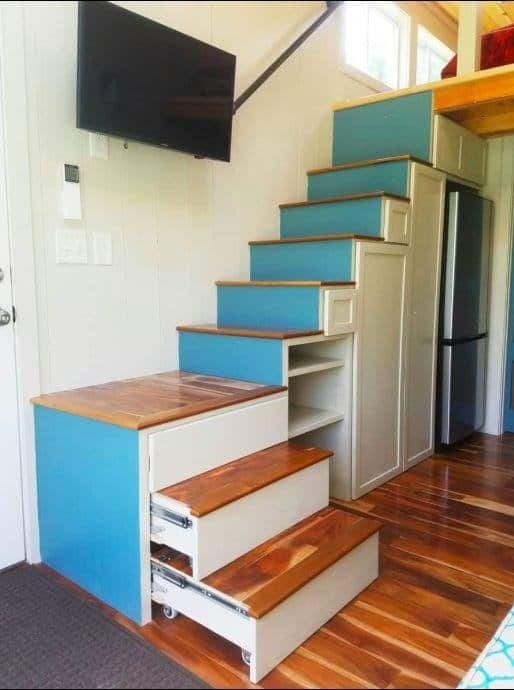
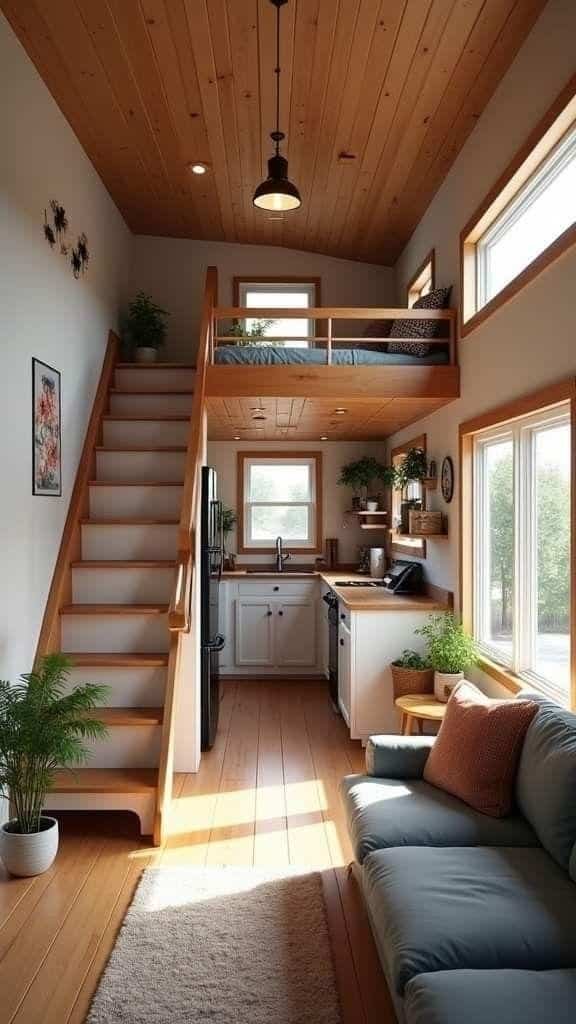
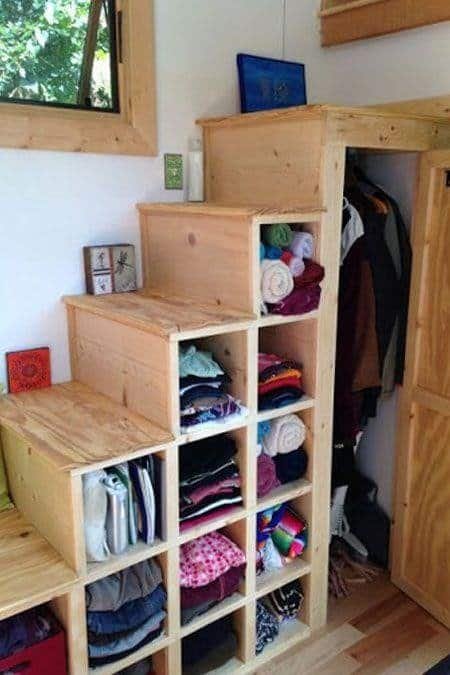
Staircases Should Add Functionality
A staircase can either waste space or become one of the most useful features in the home.
Storage stair systems often include:
- Pull-out drawers
- Pantry cabinets
- Hidden closets
- Bookshelves
- Shoe compartments
This approach helps eliminate the need for bulky standalone storage furniture.
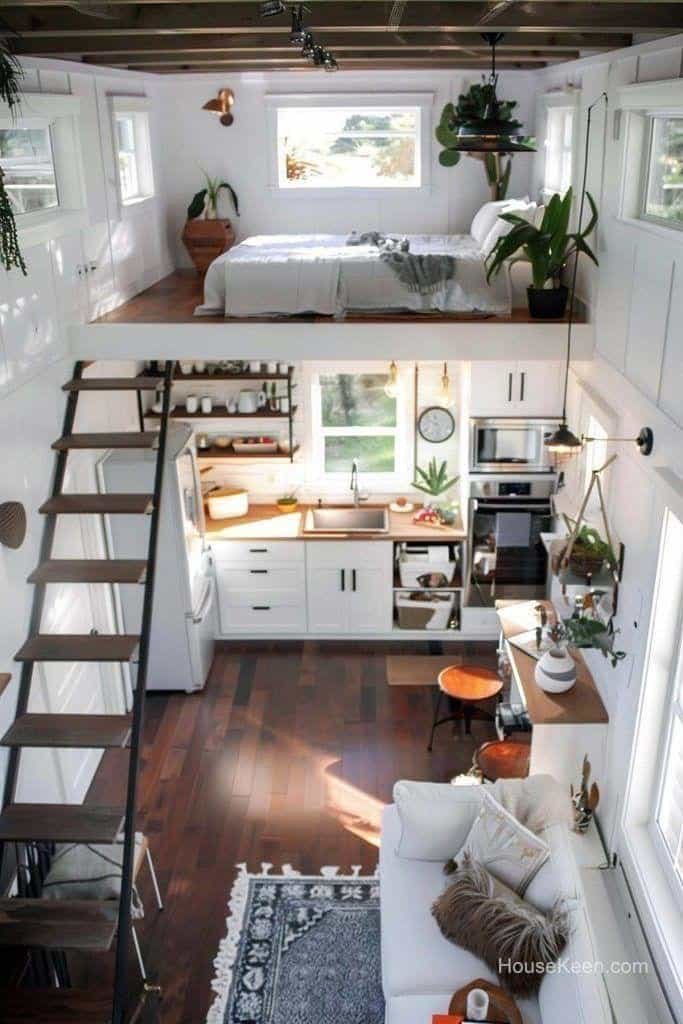
Natural Light Makes Tiny Homes More Comfortable
Dark interiors feel smaller almost immediately. Proper window placement can completely change how a compact home feels.
Effective lighting strategies include:
- Tall vertical windows
- Skylights above loft areas
- Glass doors
- Clerestory windows
- Open railing systems upstairs
Natural light becomes especially important in two story layouts where upper levels can otherwise feel enclosed.
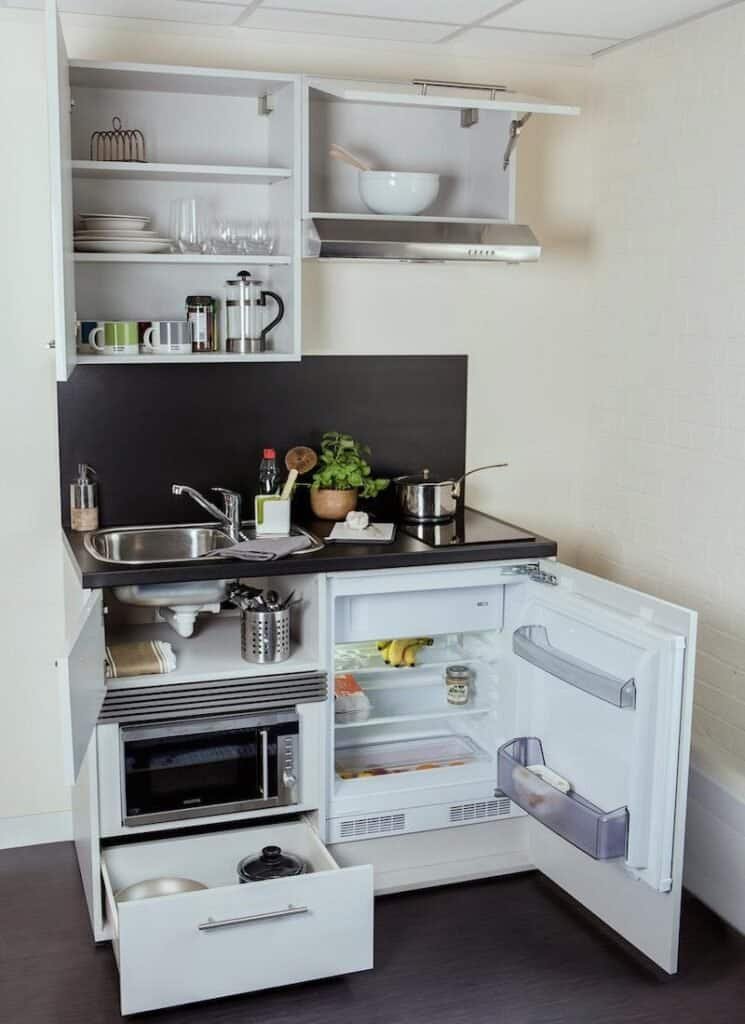
Kitchen and Bathroom Layouts Require Careful Planning
Tiny kitchens and bathrooms work best when simplicity comes first.
Practical kitchen ideas include:
- Narrow-depth cabinets
- Open shelving
- Combination washer-dryer units
- Compact appliances
- Pull-out pantry systems
Bathrooms benefit from:
- Pocket doors
- Wall-mounted sinks
- Corner showers
- Built-in shelving niches
A thoughtful layout often matters more than adding expensive finishes.
Pros and Cons of Buying a Two Story House Kit
Two story house kits solve many problems associated with compact living, but they are not perfect for every lifestyle. Understanding both the benefits and tradeoffs helps buyers make smarter long-term decisions.
Advantages of a Two Story House Kit
More Living Space Without a Larger Footprint
One of the biggest advantages is efficiency. Building upward allows homeowners to create separate rooms without needing more land.
This works especially well on:
- Narrow urban lots
- Small rural properties
- Backyard ADU spaces
- Vacation rental properties
Better Privacy for Full-Time Living
Two-level layouts create natural separation between living and sleeping areas.
This becomes valuable for:
- Couples working from home
- Families with children
- Guest accommodations
- Shared living arrangements
Privacy is often one of the biggest complaints in smaller single-level tiny homes.
Faster Construction Than Traditional Homes
Prefab kits reduce much of the on-site construction time because many components arrive pre-cut or partially assembled.
Benefits often include:
- Reduced labor hours
- Faster project completion
- More predictable timelines
- Lower weather-related delays
Lower Long-Term Costs
Smaller homes generally reduce:
- Utility expenses
- Maintenance requirements
- Cleaning time
- Furnishing costs
Many owners appreciate not only the financial savings but also the simpler lifestyle that comes with smaller living spaces.
Drawbacks Buyers Should Consider
Stairs Can Become a Problem Over Time
Stairs may seem manageable initially, but they can create challenges later for:
- Older homeowners
- People with injuries
- Young children
- Pet owners
Some buyers eventually prefer single-level living for accessibility reasons.
Financing and Insurance Can Be Complicated
Certain lenders remain cautious about tiny and prefab housing.
Challenges may include:
- Larger down payments
- Higher interest rates
- Limited mortgage options
- Specialized insurance requirements
Permanent foundations and code compliance usually improve financing opportunities.
Zoning Restrictions Still Exist
Even beautiful, professionally built prefab homes may face local restrictions.
Common barriers include:
- HOA limitations
- Minimum home size requirements
- Height restrictions
- ADU permit limitations
Researching local regulations early is essential.
Compact Living Requires Lifestyle Adjustments
Tiny living sounds appealing online, but daily life in a smaller space requires intentional habits.
Owners often need to:
- Reduce possessions significantly
- Stay organized consistently
- Share space carefully
- Prioritize functionality over excess
People who enjoy minimalism usually adapt more easily than those accustomed to large homes with abundant storage.
Frequently Asked Questions About Two Story House Kits
How long does it take to build a two story house kit?
Most projects take anywhere from a few months to nearly a year depending on permits, weather, site preparation, contractor availability, and how much work the owner handles personally.
Are two story tiny homes safe during storms or harsh weather?
Properly engineered prefab homes can be extremely durable. Wind ratings, snow loads, anchoring systems, and foundation quality matter far more than the home’s size alone.
Can you finance a two story prefab house kit?
Yes, but financing options vary. Construction loans, personal loans, and manufacturer financing are common choices. Permanent foundations usually improve mortgage eligibility.
Do two story house kits work well as Airbnb rentals?
Many owners use prefab tiny homes successfully as short-term rentals because guests often enjoy the unique design and efficient use of space. Location and local rental laws play a major role in profitability.
What foundation works best for a two story house kit?
Concrete slab and pier foundations are the most common options. Soil conditions, climate, and local code requirements typically determine the best choice.
Is a two story house kit cheaper than building a regular house?
In most cases, yes. Smaller square footage, reduced labor, and lower material use usually make prefab tiny homes more affordable than conventional construction.
Can families realistically live in a two story tiny house full-time?
Yes, especially with smart layouts and good storage planning. Many modern designs include separate bedrooms, flexible living areas, and family-friendly features.
Is a Two Story House Kit the Right Tiny Home Solution for You?
A two story house kit offers a practical middle ground between full-size traditional housing and ultra-compact tiny living. It provides more privacy, better functionality, and greater flexibility while still keeping costs and maintenance relatively manageable.
The right setup depends on your goals, budget, and lifestyle. Some buyers want a peaceful off-grid cabin. Others need a compact backyard ADU, a vacation rental, or an affordable full-time residence. The good news is that modern prefab designs now offer far more comfort and customization than early tiny homes ever did.
Careful planning matters more than rushing into the cheapest option. Research zoning laws first, build a realistic budget, and think honestly about how much space you truly need day-to-day.
A thoughtfully designed two story tiny home can feel surprisingly spacious, efficient, and comfortable for years to come. If you’re considering downsizing or exploring alternative housing, now is a great time to start comparing layouts, researching land options, and finding a prefab design that matches the way you actually want to live.
