
3 bedroom houses for seniors are becoming a surprisingly popular choice—especially among those who want to age in place without sacrificing comfort or flexibility. While tiny houses are often associated with minimalism, many seniors are now looking for smartly designed small homes that still offer multiple bedrooms for caregivers, family visits, or even rental income.
This guide breaks down how to make a 3-bedroom layout work in a compact or tiny home setting, what features actually matter for senior living, and how to balance space with simplicity. Whether you’re downsizing or planning a future-proof home, you’ll walk away with practical design ideas and real-world insights.
In This Article
Why 3 Bedroom Houses for Seniors Are Gaining Popularity
The idea of seniors needing less space is shifting. Many are choosing 3 bedroom houses not for excess—but for flexibility.
Extra rooms can serve very practical purposes:
- A dedicated caregiver or live-in nurse space
- A guest room for visiting family
- A hobby or workspace for hobbies like crafting or remote work
In tiny or small home living, this flexibility becomes even more valuable. Instead of upsizing, seniors are looking for efficient layouts that do more with less square footage.
Another key driver is multigenerational living. Families are increasingly sharing homes to reduce costs and provide support. A 3-bedroom setup allows privacy without isolation, which is especially important for long-term comfort.
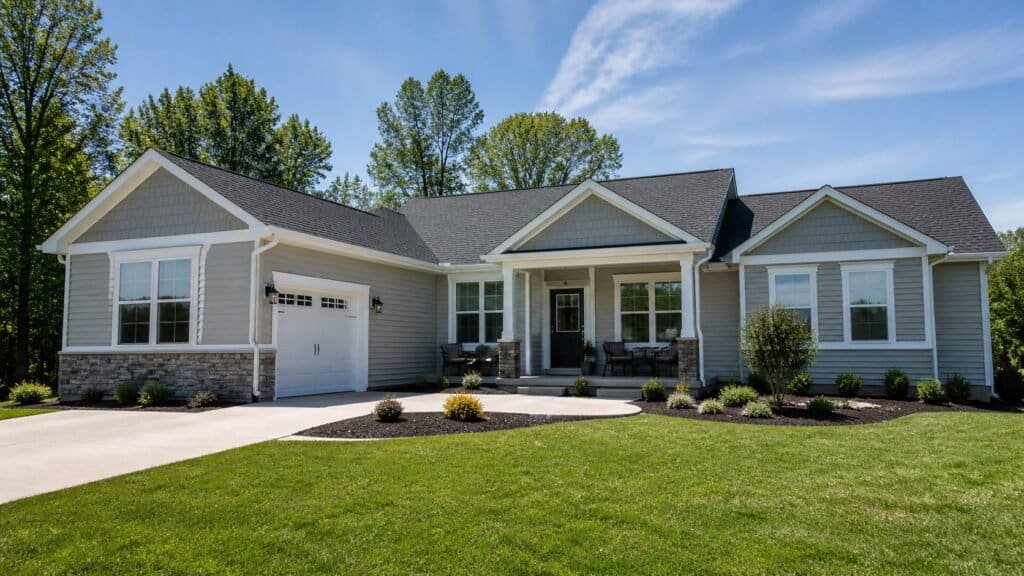
What Seniors Really Need in a 3 Bedroom House (Beyond Space)
More bedrooms don’t automatically mean better living. The real priority is how well the home supports daily comfort, safety, and independence.
Accessibility Comes First
A beautifully designed 3-bedroom home won’t work if it’s hard to navigate. Seniors benefit most from:
- Single-level layouts (no stairs or loft-only bedrooms)
- Wide hallways and doorways for mobility aids
- Easy transitions between rooms without obstacles
Safety Over Aesthetics
Certain design choices matter more than style:
- Slip-resistant flooring instead of polished surfaces
- Layered lighting to reduce shadows and improve visibility
- Easy-to-reach switches and storage
Privacy Still Matters
Even in a compact home, personal space is essential. A good 3-bedroom layout should:
- Separate the main bedroom from guest or caregiver rooms
- Minimize noise between sleeping areas
- Allow independent routines without disruption
Function Over Size
A smaller, well-designed 3-bedroom home often works better than a large, inefficient one. The goal is to create purpose-driven rooms, not just fill space.
Smart Layout Ideas for 3 Bedroom Houses for Seniors
Design is where everything comes together. A well-planned layout can make a compact 3-bedroom home feel open, safe, and comfortable.
Split-Bedroom Layout for Better Privacy
Placing the primary bedroom on one side and the other two on the opposite side creates:
- A quieter environment for rest
- Separation between family and caregiver spaces
- Greater independence for everyone living in the home
This layout works especially well in small single-story homes or larger tiny house designs.
Open-Concept Living for Easier Movement
Walls can make small homes feel restrictive. An open kitchen, dining, and living area:
- Improves visibility and safety
- Reduces the need for tight hallways
- Makes mobility devices easier to use
Tip: Keep furniture minimal and strategically placed to maintain clear pathways.
Main-Floor Primary Bedroom Is Non-Negotiable
In true tiny houses, loft bedrooms are common—but they’re rarely ideal for seniors. A better approach:
- Place the primary bedroom on the main level
- Keep it close to the bathroom
- Ensure enough space for easy movement around the bed
Flexible Third Bedroom Designs
The third bedroom doesn’t need to be traditional. It can adapt over time:
- A home office that converts into a guest room
- A caregiver room with easy access to the main bedroom
- A wellness or therapy space
Flexibility is key—especially in smaller homes where every square meter matters.
Must-Have Accessibility Features in 3 Bedroom Houses for Seniors
Designing 3 bedroom houses for seniors isn’t just about layout—it’s about making everyday living safer and easier without constant adjustments later.
Zero-Step Entry and Easy Navigation
A single step can become a major obstacle over time. Prioritize:
- Zero-step entrances at the front and back doors
- Smooth, level flooring transitions between rooms
- Wide doorways (at least 32–36 inches) for walkers or wheelchairs
These details may seem small now, but they make a huge difference in long-term usability.
Bathroom Safety That Doesn’t Feel Clinical
Bathrooms are one of the highest-risk areas. A smart setup includes:
- Walk-in showers with no threshold
- Grab bars installed during construction (not as an afterthought)
- Comfort-height toilets
- Non-slip tiles
Well-designed accessibility can still look modern and stylish—it doesn’t have to feel like a hospital.
Kitchen Features That Reduce Strain
Cooking should stay enjoyable, not exhausting:
- Lowered countertops or multi-height work surfaces
- Pull-out shelves and drawers instead of deep cabinets
- Lever-style faucets for easy use
Tip: Keep frequently used items within arm’s reach to avoid bending or climbing.
Smart Home Integration for Independence
Technology can quietly improve daily life:
- Voice-controlled lighting and appliances
- Smart thermostats for easy climate control
- Emergency alert systems
These features allow seniors to maintain independence longer without relying on others.
Downsizing Without Compromise: Can a Tiny House Offer 3 Bedrooms?
At first glance, combining a tiny house with a 3-bedroom layout sounds unrealistic. In many cases, it is—but there are creative ways to make it work depending on expectations.
Understanding the Limits of True Tiny Houses
Most traditional tiny homes (under 400 sq ft) simply don’t have enough space for three полноценные bedrooms. What you’ll often see instead:
- One main bedroom on the ground floor
- One or two loft-style sleeping areas
For seniors, lofts can be impractical due to stairs or ladders.
The “Small Home” Sweet Spot
A more realistic solution is a small footprint home (400–800 sq ft) that:
- Stays compact and affordable
- Fits three functional sleeping areas
- Allows for single-level living
This approach blends the benefits of tiny living with the practicality seniors need.
Creative Alternatives That Work
Instead of forcing three full bedrooms, consider:
- A convertible room with a Murphy bed
- Sliding partitions to create temporary sleeping spaces
- Modular extensions or accessory units nearby
Key takeaway: Focus on functionality over labels. A flexible space often works better than a cramped third bedroom.
Space-Saving Design Hacks for Senior-Friendly 3 Bedroom Homes
Making a compact 3-bedroom home feel livable comes down to smart design. Every square foot needs to serve a purpose.
Built-In Storage That Eliminates Clutter
Clutter creates both stress and safety hazards. Built-ins help by:
- Maximizing vertical wall space
- Keeping floors clear for easier movement
- Reducing the need for bulky furniture
Think under-bed drawers, wall niches, and floor-to-ceiling cabinets.
Sliding Doors Over Swing Doors
Traditional doors take up valuable space and can be harder to maneuver around. Sliding or pocket doors:
- Save floor space
- Improve accessibility
- Create a cleaner, more open feel
They’re especially useful between bedrooms and bathrooms.
Compact Yet Comfortable Bedrooms
Not every bedroom needs to be large. Focus on:
- Enough clearance around the bed for safe movement
- Wall-mounted lighting to free up surfaces
- Minimal furniture to avoid crowding
Tip: Prioritize the main bedroom for comfort, and keep secondary rooms simple and functional.
Natural Light for Health and Spaciousness
Light can completely change how a small home feels:
- Large windows make rooms appear bigger
- Daylight improves mood and reduces eye strain
- Proper lighting reduces fall risks
Skylights or solar tubes can also bring light into tighter spaces without sacrificing wall area.
Cost Breakdown: 3 Bedroom Houses for Seniors vs Tiny Living Options
Understanding the real cost of 3 bedroom houses for seniors is where many people make better—or worse—decisions. The price isn’t just about buying or building; it’s about long-term affordability.
Upfront Costs: Traditional vs Tiny-Scale Living
Here’s a realistic comparison based on current market trends:
| Home Type | Average Cost (USD) | Key Notes |
| Standard 3-bedroom home | $250,000 – $450,000+ | Depends heavily on location |
| Small 3-bedroom home (400–800 sq ft) | $80,000 – $180,000 | More efficient, easier to maintain |
| Large tiny house (expanded layout) | $50,000 – $120,000 | Limited true 3-bedroom capability |
A compact 3-bedroom design can cut costs significantly while still delivering functionality.
Hidden Costs That Add Up Over Time
Many buyers focus on purchase price and overlook ongoing expenses:
- Maintenance: Larger homes require more upkeep (roofing, HVAC, repairs)
- Utilities: Heating and cooling unused rooms wastes money
- Accessibility upgrades: Retrofitting later can be expensive
Smart move: Build accessibility features from the start to avoid costly renovations later.
Long-Term Affordability Matters Most
For seniors, financial stability is often more important than square footage. Smaller 3-bedroom homes offer:
- Lower monthly utility bills
- Reduced property taxes (in many areas)
- Easier maintenance with fewer physical demands
Tiny living principles—less space, lower costs, simpler lifestyle—can significantly extend retirement savings.
Pros and Cons of Choosing a 3 Bedroom House in Retirement
A 3-bedroom home can be a great fit—but only if it aligns with your lifestyle. Here’s a balanced look.
The Advantages
- Flexibility for changing needs
Space for caregivers, guests, or hobbies without major adjustments - Comfort without constant compromise
No need to convert living rooms into sleeping areas - Potential income opportunities
Renting out a room or hosting short-term guests
The Downsides
- More maintenance than expected
Cleaning, repairs, and upkeep can become physically demanding - Higher ongoing costs
Utilities and property-related expenses increase with size - Unused space risk
Extra rooms may sit empty most of the year
Reality check: Many seniors start with good intentions but later realize they don’t use all three bedrooms regularly.
Best Living Setups: Where 3 Bedroom Homes Work Best for Seniors
Location plays just as big a role as design. Even the perfect home can feel inconvenient in the wrong setting.
Suburban Living: The Balanced Choice
Suburbs often offer:
- Quiet neighborhoods
- Larger lots for single-level homes
- Proximity to healthcare and shopping
This setup works well for seniors who want space without isolation.
Rural Living: Peaceful but Requires Planning
Rural areas can be appealing for their affordability and calm environment:
- Lower property costs
- More flexibility for building small or alternative homes
However, distance from hospitals and services can become a challenge over time.
Community-Based Living (Including Tiny House Communities)
Purpose-built communities are gaining popularity:
- Shared amenities reduce maintenance responsibilities
- Built-in social connections
- Often designed with accessibility in mind
Some tiny house communities and small-home developments are now tailored specifically for seniors, combining independence with support.
What to Look for in Any Location
Regardless of setting, prioritize:
- Access to healthcare facilities
- Walkability or transportation options
- Nearby grocery stores and essential services
For zoning and housing regulations that may affect your build or purchase, it’s worth reviewing official guidance like the U.S. Department of Housing and Urban Development: https://www.hud.gov
Legal & Zoning Considerations for Smaller 3 Bedroom Homes
Before committing to a compact 3 bedroom house for seniors, it’s essential to understand how local rules can shape what’s actually possible—especially if you’re blending tiny house concepts with traditional layouts.
Zoning Rules Can Limit What You Build
Not all areas allow small or non-traditional homes:
- Minimum square footage requirements may prevent compact builds
- Some zones restrict multiple bedrooms in very small homes
- Tiny houses on wheels are often classified as RVs, not permanent residences
Always check local zoning codes early to avoid costly surprises.
ADUs (Accessory Dwelling Units) as a Smart Alternative
If building a standalone 3-bedroom home isn’t feasible, an ADU can be a practical workaround:
- Built on an existing property (often in a backyard)
- Can serve as a downsized primary residence
- Allows proximity to family while maintaining independence
Many cities are easing ADU regulations, making them an increasingly popular option for seniors.
Tiny House Regulations vs Traditional Housing
Tiny homes fall into a gray area in many regions:
- Building codes may not fully support multi-bedroom tiny layouts
- Permanent foundations often make approval easier
- Utility connections and land ownership rules vary widely
For official guidance on housing standards and programs, the U.S. Department of Housing and Urban Development provides helpful resources:
https://www.hud.gov
Tip: A small, code-compliant house on a foundation is usually easier to approve than a mobile tiny home.
Designing for the Future: Aging-in-Place Strategies
A well-designed home today should still work 10–20 years from now. That’s the goal of aging in place.
Plan for Changing Mobility
Even if mobility isn’t an issue now, design for it:
- No-step entries and wide hallways from day one
- Reinforced bathroom walls for future grab bars
- Space for mobility aids, even if not currently needed
Future-Proof Key Areas
Focus on the rooms used most:
- Bathrooms: walk-in showers, seating options
- Kitchens: easy-reach storage and minimal bending
- Bedrooms: enough clearance for assistance if needed
Technology That Grows With You
Modern homes can adapt over time:
- Smart lighting and voice controls
- Health monitoring devices
- Emergency response systems
These features add convenience now and peace of mind later.
Common Mistakes Seniors Make When Choosing a 3 Bedroom House
Even well-planned homes can fall short if key details are overlooked.
Choosing Size Over Function
Bigger isn’t always better. A poorly designed 3-bedroom home can feel harder to live in than a smaller, smarter layout.
Delaying Accessibility Upgrades
Waiting to add safety features later often leads to:
- Higher renovation costs
- Temporary inconvenience or safety risks
Build it right the first time whenever possible.
Underestimating Maintenance Needs
Cleaning, repairs, and yard work can become overwhelming:
- Large homes require more effort
- Extra rooms mean more upkeep
Not Planning for Long-Term Care
Life circumstances can change quickly. Without a flexible layout:
- Adding a caregiver becomes difficult
- Privacy and comfort may be compromised
Think ahead, even if it feels unnecessary right now.
FAQs About 3 Bedroom Houses for Seniors
Is a 3 bedroom house too big for retirement?
It depends on how the space is used. A well-designed compact 3-bedroom home can be ideal, while a large, inefficient one may feel overwhelming.
Can a tiny house realistically have 3 bedrooms?
True tiny houses rarely support three полноценные bedrooms comfortably. A small home (400–800 sq ft) is usually a more practical option.
What size home is best for aging in place?
Homes between 400 and 1,000 sq ft with smart layouts and accessibility features tend to offer the best balance of comfort and manageability.
Are 3 bedroom homes a good investment for seniors?
They can be, especially if they allow for rental income, multigenerational living, or long-term flexibility without requiring future relocation.
Finding the Right Balance Between Space and Simplicity
A thoughtfully designed 3 bedroom house for seniors isn’t about having more space—it’s about having the right space. When combined with tiny house principles like efficiency, accessibility, and low maintenance, even a compact home can feel comfortable, flexible, and future-ready.
If you’re planning your next move, start by evaluating how you actually live day to day. Then explore designs that support that lifestyle—not just today, but years from now.
Take the next step by exploring tiny house layouts, small home builders, or senior-friendly communities that align with your goals. The right home isn’t the biggest one—it’s the one that works effortlessly for you.
